Note: The phrase “skinny fat” is a casual internet term, not a medical diagnosis. In this article, it simply refers to having less muscle than you would like, possibly with a higher body-fat percentage than expected for your weight. The goal is not to shame your body, chase an unrealistic look, or punish yourself with extreme dieting. The goal is to build strength, improve energy, support metabolic health, and feel more capable in your own skin.
You can look “thin” in clothes and still feel soft, weak, tired, or unhappy with your muscle tone. That combination is what people often call “skinny fat.” It usually happens when someone has a normal body weight but relatively low lean muscle mass and higher body fat. The bathroom scale may look “fine,” but your body composition tells a more interesting storykind of like a movie trailer that forgot to mention the plot twist.
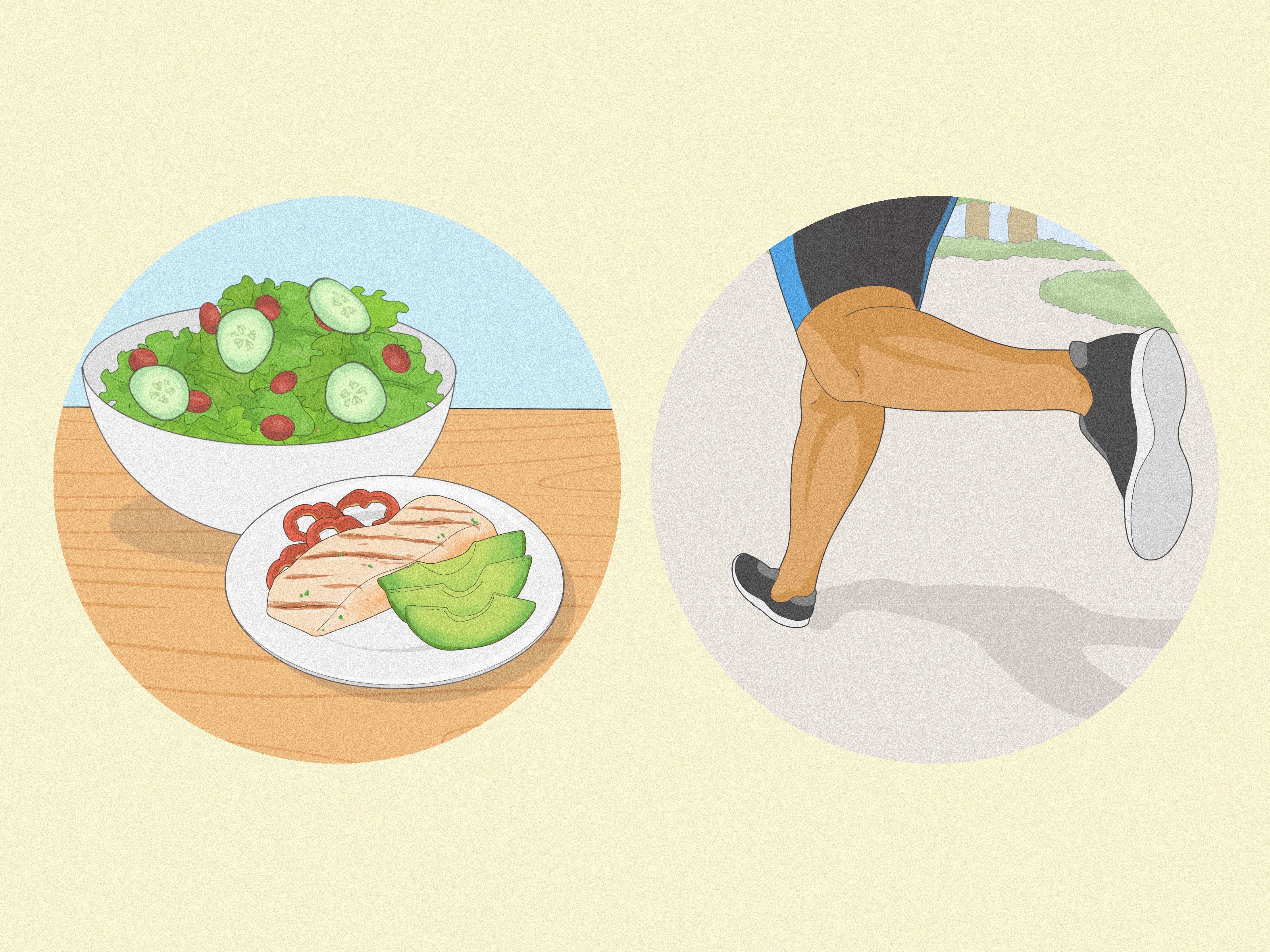
The good news? You do not need a miserable diet, a two-hour gym routine, or a personality built entirely around protein powder. The best solution is body recomposition: losing fat gradually while building or preserving muscle. That means strength training, enough protein, balanced meals, smart cardio, recovery, and consistency. Boring? Maybe. Effective? Very.
What Does "Skinny Fat" Really Mean?
“Skinny fat” usually describes a body composition pattern where body weight is not high, but muscle mass is lower than ideal and fat mass is relatively higher. Someone may have slim arms and legs, little visible muscle definition, and more fat around the stomach, hips, or chest. It can happen to people who diet without strength training, do only cardio, sit for long hours, eat too little protein, sleep poorly, or jump from one random workout trend to another.
It is also common after rapid weight loss. When people lose weight quickly without resistance training, they may lose both fat and muscle. The number on the scale drops, but their shape, strength, posture, and energy may not improve much. That is why the solution is not simply “lose more weight.” For many people, the better question is: how can I build muscle while improving my nutrition and activity habits?
Why Body Recomposition Works Better Than Crash Dieting
Crash dieting can make the “skinny fat” look worse because it often reduces muscle along with fat. Muscle is metabolically active tissue, supports posture, improves strength, helps daily movement feel easier, and gives the body a firmer appearance. If you keep cutting calories aggressively without lifting weights, you may become a smaller version of the same problem.
Body recomposition is different. It focuses on improving the ratio of muscle to fat. You may not see dramatic changes on the scale every week because muscle gain and fat loss can happen at the same time. Your waist may shrink, your clothes may fit better, your lifts may improve, and your energy may climbeven if the scale acts like it has been sworn to secrecy.
How to Get Rid of "Skinny Fat": 7 Diet & Exercise Tips
1. Make Strength Training Your Main Workout
If you want to change body composition, strength training should be the foundation. Cardio is excellent for heart health and calorie burn, but resistance training is what tells your body, “Hey, please keep and build muscle.” You can use dumbbells, barbells, machines, resistance bands, kettlebells, or bodyweight exercises. The tool matters less than the principle: challenge your muscles and gradually progress.
A beginner-friendly plan is to strength train three days per week using full-body workouts. Focus on compound movements that train multiple muscles at once. Good examples include squats, lunges, hip hinges, push-ups, rows, overhead presses, deadlifts, glute bridges, and planks. You do not need to master every exercise on day one. Start with safe, simple movements and improve your form.
For example, a basic full-body session might include goblet squats, dumbbell Romanian deadlifts, incline push-ups, seated rows, shoulder presses, and farmer’s carries. Do two to three sets of each exercise, using a weight that feels challenging but controlled. If your form turns into interpretive dance, the weight is too heavy.
2. Use Progressive Overload Instead of Random Workouts
Progressive overload means gradually making your training more challenging over time. This is one of the most important principles for building muscle. If you lift the same weight for the same reps forever, your body has little reason to adapt. It is like asking your muscles to study for a test they already passed.
You can apply progressive overload by adding weight, doing more reps, increasing sets, improving range of motion, slowing the lowering phase of a lift, or reducing rest time slightly. Keep it controlled. You do not need to “destroy” yourself every workout. In fact, training too hard too often can backfire by increasing fatigue and making recovery harder.
A simple rule: when you can complete the top end of your target rep range with good form, increase the challenge slightly next time. For example, if your plan says 8 to 12 reps and you can do 12 reps easily for all sets, add a small amount of weight. Small improvements repeated for months beat heroic workouts followed by three weeks of couch recovery.
3. Eat Enough Protein at Each Meal
Protein supports muscle repair, muscle growth, fullness, and recovery. If you are trying to get rid of “skinny fat,” protein is not optionalit is one of the main building blocks. You do not need to eat chicken breast while staring sadly out a window, but you do need consistent protein sources throughout the day.
Good protein options include eggs, Greek yogurt, cottage cheese, fish, chicken, turkey, lean beef, tofu, tempeh, edamame, lentils, beans, milk, soy milk, and protein-rich smoothies. A practical approach is to include a palm-sized serving of protein at most meals. For many adults who strength train, a higher-protein eating pattern can support body recomposition, but individual needs vary based on age, activity, health status, and goals.
If you are a teenager, pregnant, managing a medical condition, recovering from an eating disorder, or unsure what is appropriate for your body, ask a doctor or registered dietitian before changing your diet. Growing bodies need enough total energy, not aggressive restriction.
4. Build Meals Around Whole Foods, Not Diet Drama
Body recomposition does not require eliminating carbohydrates, fearing fruit, or treating bread like it personally betrayed you. Your muscles need fuel, especially if you are training hard. Instead of chasing extreme rules, build meals from mostly whole, minimally processed foods.
A balanced plate might include lean protein, high-fiber carbohydrates, colorful vegetables or fruit, and healthy fats. For example, try salmon with rice and roasted vegetables, Greek yogurt with berries and oats, tofu stir-fry with noodles, chicken tacos with beans and salsa, or eggs with whole-grain toast and avocado. These meals provide protein, carbs, fats, vitamins, minerals, and fiberthe nutrition equivalent of having your group project actually organized.
Limit ultra-processed snacks, sugary drinks, and alcohol because they can add calories without much fullness or nutrition. But do not think in black-and-white terms. One cookie does not ruin progress. A pattern of mostly nutrient-dense meals, repeated consistently, matters more than one snack, one dinner out, or one birthday cupcake wearing frosting like a tiny hat.
5. Avoid Extreme Calorie Cutting
Many people hear “lose fat” and immediately slash calories. That can be a mistake, especially for someone who already has low muscle mass. A very low-calorie diet can reduce training performance, increase hunger, lower energy, and make it harder to build muscle. If your workouts feel awful, your recovery is poor, and your mood is hanging by a thread, your plan may be too aggressive.
Some people do well eating around maintenance calories while strength training and increasing protein. Others may use a small calorie deficit if fat loss is the main priority. The key word is small. You want enough energy to train well, recover, and live your life. A good body recomposition plan should feel sustainable, not like a dramatic survival documentary starring your lunchbox.
Instead of obsessing over daily perfection, watch trends. Are your lifts improving? Are your measurements slowly changing? Are your clothes fitting differently? Do you feel stronger and more energetic? These signs often matter more than the scale alone.
6. Add Cardio Without Letting It Take Over
Cardio is not the enemy. In fact, aerobic exercise supports heart health, endurance, mood, and overall fitness. The problem is relying only on cardio while ignoring strength training. If your goal is to improve body composition, cardio should support your plannot replace your muscle-building work.
A practical weekly routine might include two or three short cardio sessions in addition to strength training. Walking, cycling, swimming, rowing, jogging, dancing, hiking, and incline treadmill work all count. Low-intensity movement like walking is especially underrated. It helps increase daily energy expenditure without crushing recovery.
High-intensity interval training can be useful, but do not overdo it. Too much intense cardio can interfere with strength progress if recovery is poor. Think of cardio as seasoning: helpful, healthy, and enjoyable in the right amount. Dumping the whole jar into the soup? Not ideal.
7. Prioritize Sleep, Recovery, and Consistency
Muscle is not built during the workout itself. Training provides the stimulus; recovery helps your body adapt. Sleep, rest days, hydration, and stress management all influence progress. If you train hard but sleep five hours a night and live on caffeine and vibes, your results may stall.
Aim for a consistent sleep schedule, especially during periods of heavier training. Take at least one or two rest or lighter-movement days each week. Warm up before lifting, use good technique, and avoid pushing through sharp pain. Soreness can happen, but pain is information. Listen before your body starts sending emails in all caps.
Consistency matters most. You do not need a perfect week; you need a repeatable one. Three solid strength workouts, enough protein, plenty of walking, balanced meals, and decent sleep will beat a “perfect” plan you abandon after nine days.
A Simple Weekly Workout Plan for Body Recomposition
Here is a beginner-friendly example. Adjust exercises based on your equipment, experience, and comfort level.
Monday: Full-Body Strength
- Goblet squat: 3 sets of 8–12 reps
- Dumbbell Romanian deadlift: 3 sets of 8–12 reps
- Incline push-up or chest press: 3 sets of 8–12 reps
- Seated row or band row: 3 sets of 10–12 reps
- Plank: 2–3 sets of 20–45 seconds
Wednesday: Full-Body Strength
- Reverse lunge: 3 sets of 8–10 reps per leg
- Hip thrust or glute bridge: 3 sets of 10–15 reps
- Overhead press: 3 sets of 8–12 reps
- Lat pulldown or assisted pull-up: 3 sets of 8–12 reps
- Dead bug: 2–3 sets of 8–12 reps per side
Friday: Full-Body Strength
- Leg press or squat variation: 3 sets of 8–12 reps
- Deadlift variation: 3 sets of 6–10 reps
- Dumbbell bench press: 3 sets of 8–12 reps
- One-arm dumbbell row: 3 sets of 8–12 reps per side
- Farmer’s carry: 3 rounds of 30–60 seconds
Cardio and Movement
Add two or three walking, cycling, swimming, or jogging sessions per week. Keep most cardio moderate and enjoyable. You can also aim for more daily steps by walking after meals, taking the stairs, or parking farther away. Tiny movement habits are sneaky in the best way.
What to Eat in a Day: Example Meal Ideas
There is no single perfect “skinny fat diet,” but there are patterns that work well. Here is a sample day built around protein, fiber, and whole foods.
Breakfast
Greek yogurt with berries, oats, chia seeds, and a drizzle of honey. This meal provides protein, carbohydrates, fiber, and enough sweetness to keep breakfast from tasting like homework.
Lunch
Chicken, tofu, or salmon bowl with rice, mixed vegetables, avocado, and a simple sauce. This gives you protein for muscle repair, carbs for training energy, and fats for satisfaction.
Snack
Cottage cheese with fruit, a protein smoothie, hummus with vegetables, or a turkey and cheese roll-up. Snacks are useful when they help you hit your nutrition goals instead of accidentally becoming a three-act play involving chips.
Dinner
Lean beef, lentil chili, shrimp tacos, or tempeh stir-fry with vegetables and potatoes, rice, or whole-grain pasta. The best dinner is one you enjoy, digest well, and can repeat without needing a culinary degree.
Common Mistakes That Keep People "Skinny Fat"
Doing Only Cardio
Cardio is healthy, but it does not replace progressive resistance training. If you want more muscle, you need to train muscles against resistance.
Eating Too Little
Under-eating can reduce energy and make strength training less productive. A body recomposition plan requires fuel, not famine.
Changing Programs Every Week
Muscle growth needs repeated practice and progression. Switching routines constantly makes it harder to measure improvement.
Ignoring Protein
If every meal is mostly carbs and fats with very little protein, you may struggle to build or maintain muscle.
Expecting Fast Results
Body recomposition takes time. Expect months, not days. The mirror, measurements, progress photos, strength numbers, and energy levels can all help track changes.
Experience-Based Advice: What Actually Helps in Real Life
In real life, the hardest part of getting rid of “skinny fat” is not finding information. The internet has enough fitness advice to fill a stadium and still leave room for a guy yelling about cold plunges. The hard part is choosing a simple plan and sticking with it long enough for your body to respond.
One helpful mindset shift is to stop training only to “burn calories” and start training to become stronger. When workouts are only about punishment, they become mentally exhausting. When workouts are about progress, they become more rewarding. Adding five pounds to a lift, doing your first full push-up, or walking farther without getting tired can feel more motivating than staring at the scale every morning.
Another real-world lesson: keep meals boring enough to repeat but tasty enough to enjoy. Most people do not need a new recipe every day. They need five to eight reliable meals that support their goals. For example, a breakfast rotation of eggs and toast, Greek yogurt bowls, protein smoothies, and oatmeal with milk can cover most mornings. Lunch can be bowls, wraps, leftovers, or big salads with protein. Dinner can rotate between stir-fries, tacos, pasta with lean protein, sheet-pan meals, and soups.
Training also becomes easier when you lower the friction. Pack your gym clothes the night before. Keep resistance bands at home. Choose a gym near your house or school, not one that requires a heroic commute. Write down your workouts. If you do not track your sets, reps, and weights, progressive overload becomes a guessing gameand most people guess wrong.
Do not underestimate walking. Many people try to fix everything with intense workouts but spend the rest of the day sitting. Walking is simple, low-stress, and easy to recover from. A 10-minute walk after meals can improve your routine without making your life feel like a boot camp.
Also, expect imperfect weeks. School, work, family, travel, stress, and random life chaos will interrupt the plan. That does not mean you failed. A missed workout is just a missed workout. The next meal, next walk, or next training session is a chance to return to the pattern. Fitness progress is less like flipping a switch and more like brushing your teeth: small, repeated actions that add up because you keep doing them.
Finally, be careful with comparison. Someone else’s body, timeline, genetics, equipment, schedule, and photo lighting are not yours. Your best plan is the one that improves your strength, health, confidence, and consistency without wrecking your relationship with food or exercise. Build muscle, eat well, sleep enough, move often, and give the process time. That is not flashy advicebut it works.
Conclusion
Getting rid of “skinny fat” is not about hating your body into a new shape. It is about building muscle, eating enough protein, choosing nutrient-dense foods, training with purpose, using cardio wisely, and recovering well. The winning formula is simple: lift consistently, progress gradually, fuel your body, sleep enough, and be patient.
You do not need extreme diets, endless cardio, or a perfect routine. You need a plan that is realistic enough to repeat. Start with three full-body strength sessions per week, add moderate cardio and daily movement, build meals around protein and whole foods, and track progress beyond the scale. Over time, your body composition, strength, posture, and confidence can improveno magic required.