External hemorrhoids are one of those health problems nobody wants to discuss at brunch, yet millions of people quietly deal with them while pretending everything is absolutely fine. If you have a tender bump, itching, swelling, or discomfort around the anus, you are not aloneand no, your body has not personally betrayed you. It is simply asking for less pressure, softer stools, and a little more patience than anyone would prefer.
This guide explains how to get rid of external hemorrhoids fast using practical, evidence-informed steps you can start at home. The word “fast” deserves a friendly reality check: most mild hemorrhoid symptoms improve within several days to about a week with consistent care, but a painful thrombosed external hemorrhoid or ongoing bleeding may need medical treatment. The goal is to calm swelling, reduce irritation, prevent straining, and stop the flare-up from turning into a recurring villain with a dramatic theme song.
Before trying home care, remember this: rectal bleeding, severe pain, fever, abdominal pain, worsening symptoms, or symptoms that do not improve after about one week should be checked by a healthcare professional. Hemorrhoids are common, but not every symptom in that area is automatically a hemorrhoid.
What Are External Hemorrhoids?
External hemorrhoids are swollen veins under the skin around the anus. They can feel like a tender lump, cause itching, make sitting uncomfortable, or flare after constipation, diarrhea, heavy lifting, pregnancy, or long bathroom sessions. Internal hemorrhoids form inside the rectum, while external hemorrhoids sit closer to the surface and are more likely to feel sore or irritated.
Sometimes blood can pool inside an external hemorrhoid and form a clot. This is called a thrombosed external hemorrhoid. It can cause sudden, sharp discomfort and a firm lump. If that happens, especially within the first two to three days, a clinician may be able to offer treatment that gives faster relief than home care alone.
How to Get Rid of External Hemorrhoids Fast: 13 Steps
1. Start With a Warm Sitz Bath
A sitz bath is one of the simplest ways to calm external hemorrhoid discomfort. Sit in a few inches of plain warm water for 10 to 15 minutes, two or three times a day, especially after a bowel movement. The water should be warm, not “I accidentally joined a lobster boil” hot.
You can use a bathtub or a plastic sitz bath that fits over the toilet. After soaking, gently pat the area dry with a soft towel. Do not rub. Rubbing an irritated hemorrhoid is like arguing with a smoke alarmit only makes things louder.
2. Use a Cold Compress for Swelling
Warmth relaxes the area, while cold can help reduce swelling. Wrap a cold pack or a small bag of ice in a thin cloth and apply it for short periods. Never place ice directly on the skin. A cold compress may be especially helpful when the area feels puffy or sore after sitting, walking, or using the bathroom.
A good rhythm is warm soak, gentle drying, then a brief cold compress if swelling remains. Keep it comfortable and stop if the skin feels numb, irritated, or more painful.
3. Switch to Gentle Cleaning
Harsh wiping can keep an external hemorrhoid angry long after the bowel movement is over. Use soft, unscented toilet paper, a peri bottle, a bidet on a gentle setting, or fragrance-free wipes. Avoid scented products, alcohol-based wipes, and anything that promises “extra freshness” but feels like it was designed by a committee of chili peppers.
After cleaning, pat dry instead of scrubbing. Keeping the area clean and dry helps reduce itching and irritation.
4. Use Over-the-Counter Creams Carefully
Over-the-counter hemorrhoid creams, ointments, pads, or wipes may temporarily reduce mild itching, swelling, and discomfort. Common ingredients include witch hazel, lidocaine, hydrocortisone, or protective barriers like zinc oxide.
Use these products exactly as directed on the label. Hydrocortisone products should generally be used for a short time only, because steroid creams can thin or irritate the skin if overused. If an OTC product does not help after about a week, or if it causes burning, rash, or dryness, stop using it and contact a healthcare professional.
5. Take Pain Relief Safely
For temporary discomfort, some people use OTC pain relievers such as acetaminophen or ibuprofen. Follow the package directions and avoid medicines that are unsafe for you. For example, people with certain stomach, kidney, liver, bleeding, or medication-related concerns should ask a clinician or pharmacist first.
Pain medicine can help you function while the flare calms down, but it does not fix the root cause. Think of it as turning down the volume, not deleting the playlist.
6. Eat More FiberBut Increase It Slowly
Fiber is one of the most important long-term tools for hemorrhoid relief. It helps make stools softer and easier to pass, which reduces straining and pressure on external hemorrhoids. Good fiber sources include beans, lentils, oats, berries, apples, pears, broccoli, peas, brown rice, and whole-grain bread.
Do not go from “fiber? never met her” to a mountain of beans overnight. Add fiber gradually to reduce gas and bloating. Many adults aim for about 25 to 35 grams of fiber per day, but needs vary. If you have digestive conditions, ask a healthcare professional what target makes sense for you.
7. Drink Enough Fluids
Fiber works best when paired with fluids. Without enough liquid, fiber can make stool bulkier but not necessarily softerwhich is not exactly the grand finale you were hoping for. Water, clear soups, and other nonalcoholic fluids can help support smoother bowel movements.
A simple check: your urine should usually be pale yellow unless vitamins or medical conditions affect the color. If you have heart, kidney, or fluid-restriction issues, follow your clinician’s advice about how much to drink.
8. Avoid Straining During Bowel Movements
Straining is one of the biggest hemorrhoid triggers. If nothing happens after a few minutes, get up and try again later. Do not turn the bathroom into a home office, library, or emergency social media headquarters.
Try relaxing your belly and breathing slowly. Some people find that placing their feet on a small stool helps create a more natural position. The goal is not to force a bowel movement; it is to make it easier for your body to do its job.
9. Limit Toilet Time
Sitting on the toilet for a long time increases pressure in the rectal area. Even if you are not actively straining, gravity is still doing its little villain routine. Keep bathroom trips focused and brief.
Leave your phone outside the bathroom if needed. Yes, the internet will survive without you for five minutes. Your hemorrhoids may thank you more sincerely than your group chat ever has.
10. Consider a Stool Softener or Fiber Supplement
If diet changes are not enough, a fiber supplement such as psyllium or methylcellulose may help produce softer, more regular stools. Some people may also benefit from a stool softener for a short period, especially if constipation is making hemorrhoid pain worse.
Introduce supplements slowly and drink enough fluids. If you have chronic constipation, frequent diarrhea, inflammatory bowel disease, severe pain, or ongoing bleeding, do not keep experimenting forever. Get medical guidance.
11. Pause Heavy Lifting and High-Pressure Activities
Heavy lifting can increase pressure in the lower rectum and worsen hemorrhoid symptoms. During a flare-up, reduce heavy lifting, intense squats, breath-holding during exercise, and long sessions on hard seats.
If you must lift something, avoid holding your breath. Exhale during effort and use proper form. Your goal is to prevent pressure from building where you least want it. Your hemorrhoid does not need a gym membership.
12. Know When “Fast” Means Calling a Doctor
Home care is reasonable for mild symptoms, but some situations need medical attention. Call a healthcare professional if you have severe pain, heavy or repeated bleeding, black stool, fever, abdominal pain, diarrhea with rectal bleeding, dizziness, weakness, or symptoms that do not improve after about a week.
Also seek care if this is your first time noticing rectal bleeding. Hemorrhoids are common, but other conditions can also cause bleeding, and guessing is not a medical strategy.
13. Ask About Office Treatment for Severe External Hemorrhoids
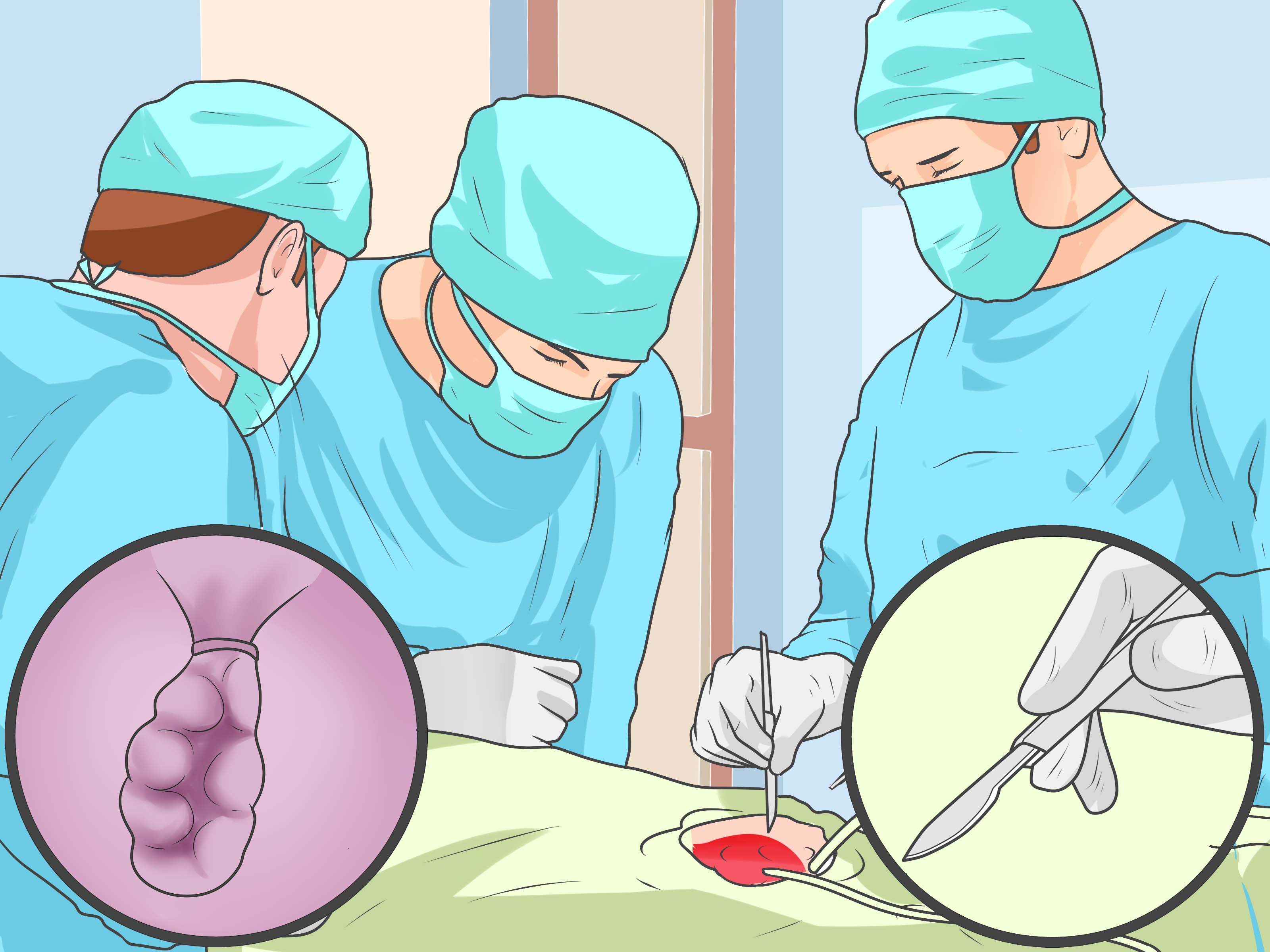
If a painful clot forms in an external hemorrhoid, a clinician may be able to remove it, especially if you are seen within the first 72 hours. This is not a do-it-yourself project. Do not cut, squeeze, lance, or “pop” a hemorrhoid at home. That can cause bleeding, infection, and a much worse day.
For large, recurring, or severe hemorrhoids, a healthcare professional may discuss procedures or surgery. Most mild external hemorrhoids do not require surgery, but persistent symptoms deserve a real evaluation.
What to Avoid When Treating External Hemorrhoids
Avoid Harsh Scrubbing
Over-cleaning can irritate the skin. Clean gently, pat dry, and avoid fragranced soaps or wipes.
Avoid Sitting for Hours Without Breaks
Long sitting can increase pressure. Stand, walk, or stretch briefly throughout the day.
Avoid Ignoring Bleeding
Bright red blood may come from hemorrhoids, but bleeding should still be taken seriously, especially if it is new, recurrent, heavy, or paired with other symptoms.
Avoid Overusing Creams
More cream does not equal faster healing. Follow the label and avoid using hydrocortisone longer than recommended unless a clinician tells you otherwise.
Sample 24-Hour Relief Plan
Here is a realistic day-one routine for mild external hemorrhoid symptoms:
- Morning: Drink water, eat a fiber-rich breakfast such as oatmeal with berries, and avoid rushing your bathroom trip.
- After a bowel movement: Clean gently with water or unscented wipes, pat dry, and take a 10- to 15-minute warm sitz bath.
- Midday: Take short walking breaks and avoid sitting in one position for hours.
- Afternoon: Use a cold compress briefly if swelling increases.
- Evening: Eat a balanced dinner with vegetables, whole grains, and protein. Skip the “giant low-fiber feast” that leads to bathroom regret.
- Before bed: Take another warm soak if sore, dry gently, and use an OTC product only as directed.
Consistency matters more than intensity. A calm, repeatable routine usually works better than trying seven random hacks from the internet before lunch.
How Long Do External Hemorrhoids Take to Go Away?
Mild external hemorrhoid symptoms often improve within a few days and may settle within about a week with good home care. A thrombosed external hemorrhoid may take longer, sometimes days to weeks, especially if the clot is larger. The pain often improves before the lump fully shrinks.
If the hemorrhoid keeps returning, the real issue may be constipation, diarrhea, long toilet time, heavy lifting, pregnancy-related pressure, or another medical condition. Treating the flare-up is step one. Preventing the next flare-up is where the real victory parade happens.
Prevention Tips After Symptoms Improve
Once symptoms calm down, keep the habits that helped. Eat fiber daily, drink enough fluids, exercise regularly, avoid straining, and do not linger on the toilet. These habits reduce pressure on the veins around the anus and lower the chance of another flare.
Prevention is not glamorous, but neither is waddling sideways into a chair. Future-you deserves the softer stool, the shorter bathroom trip, and the smug satisfaction of avoiding another flare-up.
Experience-Based Advice: What Real Relief Often Looks Like
Many people searching for how to get rid of external hemorrhoids fast are not looking for a medical lecture; they are looking for the “please let me sit down like a normal person again” plan. The most common experience is that relief comes from combining several small habits, not from one magical cream. A warm sitz bath helps calm the area, gentle cleaning prevents irritation, fiber softens stool, and shorter bathroom visits reduce pressure. None of these sounds dramatic, but together they can make the difference between a miserable week and a manageable one.
One realistic example: imagine someone who develops an external hemorrhoid after a few days of constipation and long toilet sessions. On day one, they panic, wipe too aggressively, and apply cream six times because more must be better, right? Wrong. By day two, the area is even more irritated. Then they switch to a calmer routine: warm water after bowel movements, patting dry, using an OTC product only as directed, adding oatmeal and fruit at breakfast, drinking more water, and leaving the phone outside the bathroom. By day four or five, the itching and soreness are noticeably better. The lump may still be present, but the daily discomfort is no longer running the schedule like a tiny tyrant.
Another common experience involves people who eat more fiber but forget fluids. They add bran cereal, beans, and fiber powder all at once, then wonder why their stomach feels like a marching band moved in. Fiber should be increased gradually. Pair it with water. Give your digestive system time to adjust. The goal is a soft, easy bowel movementnot a heroic fiber challenge.
People with desk jobs often notice that sitting makes symptoms worse. A soft cushion, standing breaks, and short walks can help. However, avoid sitting on a donut cushion for long periods unless a clinician recommends it, because pressure patterns vary from person to person. The better habit is movement. Stand up, walk around, and let the area stop feeling like it has been parked in rush-hour traffic.
For gym-goers, hemorrhoids can flare after heavy lifting, especially when breath-holding is involved. During recovery, it is wise to scale back intense lifts and focus on gentle movement. When returning to exercise, exhale during effort, use good form, and avoid turning every lift into a pressure-cooker event. Your body is not asking you to quit fitness forever; it is asking you not to make the hemorrhoid spot you during deadlifts.
The emotional side is real, too. Hemorrhoids can feel embarrassing, annoying, and weirdly personal. But they are common, treatable, and usually not dangerous. The smartest approach is practical, not panicked: calm the flare, soften the stool, reduce pressure, and get medical help when symptoms are severe, unusual, or persistent. Fast relief is possible, but safe relief is the real win.
Conclusion
Getting rid of external hemorrhoids fast starts with reducing irritation and pressure. Warm sitz baths, cold compresses, gentle cleaning, careful use of OTC products, more fiber, enough fluids, and less straining can bring meaningful relief for many mild flare-ups. The trick is consistency. A hemorrhoid flare is not the time for bathroom scrolling, aggressive wiping, or pretending fiber is only for cereal commercials.
Most mild symptoms improve with home care, but do not ignore warning signs. Severe pain, bleeding, fever, abdominal pain, new symptoms, or no improvement after about a week should be evaluated by a healthcare professional. If a painful clot forms in an external hemorrhoid, early medical care may provide faster relief than waiting it out.
Bottom line: be gentle, stay hydrated, keep stools soft, avoid straining, and give your body a chance to calm down. Your future sitting experience may depend on it.