Ear gaugingmore accurately called ear stretchingcan look effortlessly cool when it is done correctly. When it is rushed, though, your earlobe may file a formal complaint in the form of irritation, thinning, scarring, or the dreaded blowout. A blowout happens when tissue inside the piercing is pushed outward, usually because the stretch was too fast, too large, or too forceful. Translation: your ear is saying, “Absolutely not, bestie.”
The good news is that safe ear stretching is not mysterious. It is mostly patience, clean habits, quality jewelry, and knowing when to stop. The bad news? Patience is the least glamorous accessory in the body modification worldbut it is also the one that prevents most problems. If your goal is healthy stretched ears, comfortable jewelry, and lobes that do not look like they lost a wrestling match, this guide walks you through the right way to gauge your ears without getting a blowout.
This article is educational and not a substitute for professional medical advice. If you are a teen, talk with a parent or guardian and check local rules before making any body modification decision. For the safest results, work with an experienced, licensed professional piercer.
What Is an Ear Stretching Blowout?
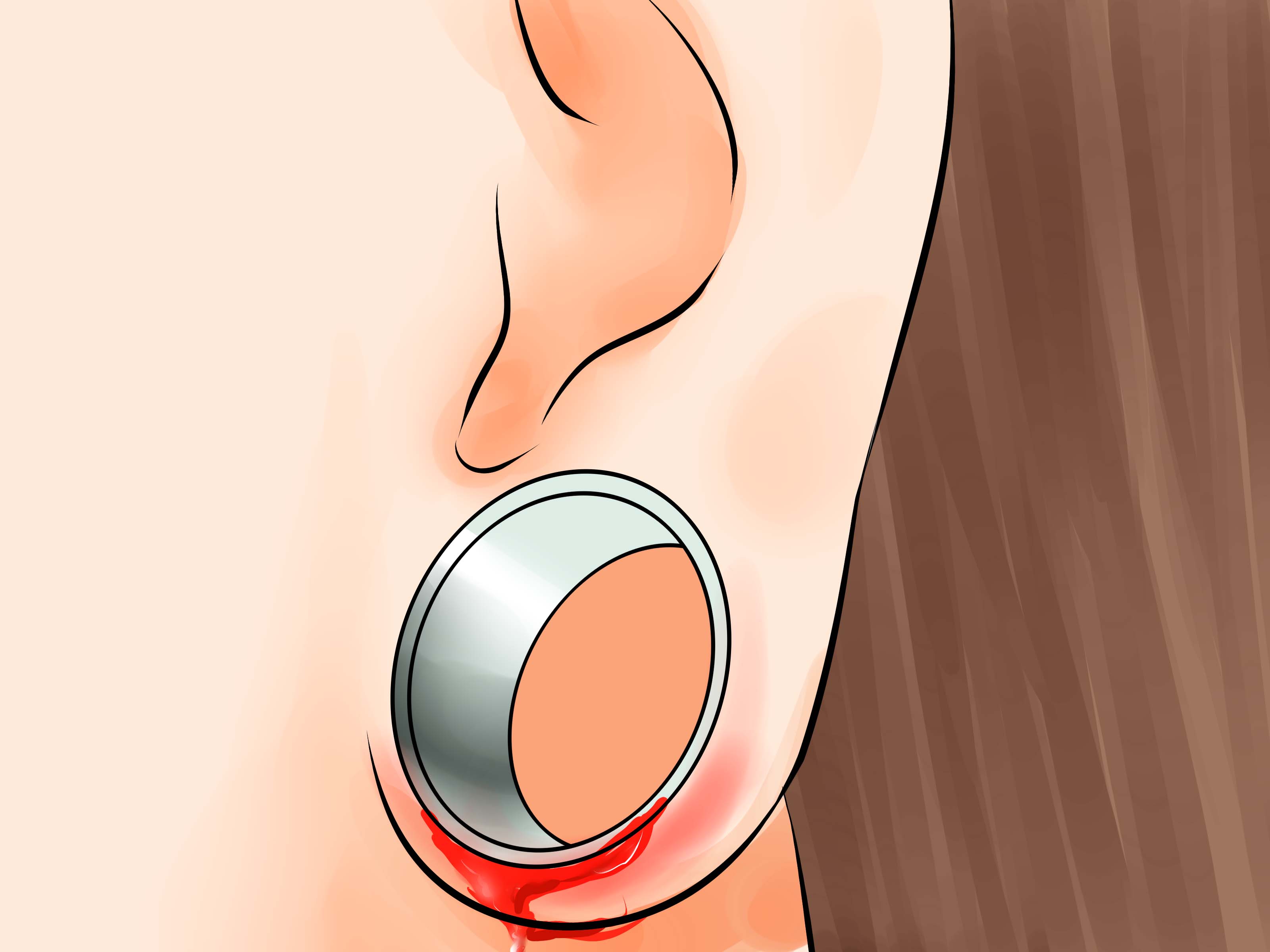
An ear stretching blowout is a tissue problem that usually appears when the piercing channel is stretched beyond what it can comfortably handle. Instead of relaxing and widening gradually, the inside of the piercing becomes stressed and may push outward behind the jewelry. It may look like a raised ring or flap of skin around the back of the stretched piercing.
Blowouts are commonly linked to stretching too quickly, skipping sizes, forcing jewelry through, wearing poor-quality jewelry, or stretching a piercing that is not fully healed. Pain, bleeding, heat, swelling, unusual discharge, or sudden tenderness are signs that something is wrong. If those symptoms show up, do not “power through.” Your ear is not a gym membership.
How to Gauge Your Ears Without Getting a Blowout: 9 Steps
Step 1: Start With Fully Healed Earlobe Piercings
Before you stretch anything, your original earlobe piercings need to be fully healed, mature, and comfortable. A piercing can look healed on the outside while the inside is still fragile. Stretching too early can irritate the tissue and increase the chance of tearing or blowouts.
As a general rule, wait several months after a fresh lobe piercing before even thinking about stretching. Many professional piercers recommend waiting longer, especially if your piercing has been irritated, infected, or slow to heal. A good test is simple: your jewelry should move comfortably, your ear should not feel sore, and there should be no swelling, crusting, discharge, or tenderness.
If you are unsure whether your piercing is ready, visit a reputable piercer. A five-minute checkup can save you months of healing drama.
Step 2: Choose a Realistic Goal Size
Before stretching, decide what size you want and why. Are you aiming for a subtle 10g or 8g look? Do you want visible plugs at 2g? Are you dreaming of larger stretched lobes? Your goal matters because the bigger you go, the more planning, time, and tissue health matter.
It is also important to understand that stretched ears may not fully return to their original size. Some smaller stretches shrink well when jewelry is removed, but there is no guaranteed “return point.” Skin elasticity, genetics, stretching method, jewelry weight, and how long you wear larger sizes all play a role.
Do not make your goal size based only on a photo you saw online. That person’s lobes, anatomy, and stretching history are different from yours. Your ears are not copy-and-paste accessories.
Step 3: Use High-Quality Jewelry
Jewelry quality is one of the biggest factors in healthy ear stretching. For a fresh stretch, choose smooth, nonporous, body-safe materials. Common professional recommendations include single-flare glass plugs, implant-grade titanium, implant-grade steel that meets appropriate standards, niobium, or other materials approved by a qualified piercer.
Avoid acrylic, silicone, wood, bone, horn, and stone for fresh stretches. These materials may be porous, flexible, irritating, or difficult to clean properly. They can be fine for some people after a stretch is fully healed, but they are not ideal when tissue is newly expanded and sensitive.
Single-flare plugs are usually better than double-flare plugs for new stretches because they are easier to insert without forcing. Double-flare jewelry requires the ear to stretch over a wider edge, which can irritate or injure a fresh stretch. In other words, double flares are not the boss level you should attempt on day one.
Step 4: Stretch One Size at a Time
The golden rule of ear stretching is simple: one size at a time. Skipping sizes is one of the fastest ways to trigger a blowout. Your lobe needs time to adjust, rebuild, and stabilize between stretches.
Gauge sizing can be confusing because the numbers get smaller as the jewelry gets larger. For example, 16g is smaller than 14g, and 8g is smaller than 6g. Once sizes get larger, the jumps between gauges can become more dramatic. That is why half sizes can be extremely helpful, especially when moving into bigger stretches.
If the next size does not slide in easily, your ear is not ready. Do not twist harder, push harder, or recruit three friends and a motivational playlist. Stop, return to your current size, and wait longer.
Step 5: Wait Long Enough Between Stretches
Safe stretching is slow stretching. Many people wait at least several weeks to a few months between size increases, and larger sizes may require even more time. There is no universal schedule because every body heals differently. One ear may stretch easily while the other behaves like it has a tiny lawyer.
Instead of following a rigid calendar, watch your tissue. Healthy lobes should feel soft, comfortable, and relaxed. Jewelry should sit naturally without pressure. If your ear feels tight, tender, itchy, hot, or angry, wait. Waiting is not failure; it is strategy.
Rushing creates scar tissue, reduces flexibility, and can make future stretching harder. The slower you go now, the easier your journey tends to be later.
Step 6: Keep Everything Clean
Clean hands, clean jewelry, and clean ears matter. Before touching your stretched ears, wash your hands thoroughly with soap and water. Clean jewelry according to your piercer’s instructions. For healing or irritated tissue, sterile saline wound wash is often recommended because it is gentle and simple.
Avoid harsh products such as hydrogen peroxide, rubbing alcohol, iodine, and strong antibacterial soaps unless a healthcare professional specifically tells you otherwise. These products can dry or irritate healing skin. More cleaning is not always better; over-cleaning can be its own little chaos machine.
Also pay attention to everyday items that touch your ears. Change pillowcases regularly, clean headphones, avoid dirty hats, and keep hair products away from fresh stretches. Your ears do not need surprise visits from styling gel, gym sweat, or mystery backpack fuzz.
Step 7: Never Stretch Through Pain
A safe stretch may feel like mild pressure, but it should not feel sharp, burning, or intensely painful. It should not bleed. It should not require force. If your jewelry needs a heroic shove, the stretch is too much.
Pain is useful information. It tells you the tissue is not ready, the jewelry is wrong, or the method is too aggressive. When pain appears, stop immediately. Downsize if needed and give your ear time to calm down.
Trying to “handle the pain” may sound tough, but body modification is not a contest to see who can ignore the most obvious warning sign. Healthy stretching is boring in the best possible way: clean, slow, calm, and uneventful.
Step 8: Watch for Blowout and Infection Warning Signs
After each stretch, check your ears daily. Healthy lobes may feel slightly sensitive at first, but they should not become increasingly painful, swollen, hot, or discolored. Warning signs include:
- A raised ring or pushed-out tissue behind the jewelry
- Sharp pain, bleeding, or tearing
- Increasing redness, warmth, swelling, or tenderness
- White, yellow, or green discharge
- Bad odor that does not improve with normal cleaning
- Fever or feeling generally unwell
If you suspect a blowout, consult a professional piercer. You may need to downsize, pause stretching, and return to gentle aftercare. If you suspect infection, especially if symptoms spread or do not improve quickly, contact a healthcare professional. Ear tissue is not the place to test random internet remedies.
Step 9: Maintain Healthy Lobes Long-Term
Once your ears are stretched and healed, maintenance still matters. Clean your jewelry, clean your lobes, and remove jewelry occasionally only if your ears tolerate it. Some stretched ears shrink quickly when left empty, even after years, so do not leave jewelry out for long unless you are intentionally downsizing.
Massaging healed lobes with a skin-safe oil may help keep the tissue flexible, but avoid applying oils to irritated or freshly stretched tissue unless your piercer says it is appropriate. Keep jewelry lightweight and comfortable. Heavy jewelry worn too often can thin the lobe over time.
The best stretched ears are not just large; they are healthy. Thick, flexible, comfortable lobes are the real flex.
Common Mistakes That Cause Ear Stretching Blowouts
Skipping Sizes
Skipping from one gauge to a much larger size may seem efficient, but your skin does not care about your schedule. It needs gradual change. If you want to avoid a blowout, do not jump sizes.
Using Tapers as Jewelry
Tapers are often misunderstood. In professional settings, an insertion taper may help guide jewelry in, but tapers are not meant to force a stretch or be worn as jewelry. Wearing tapers can put uneven pressure on the piercing and increase irritation.
Stretching After a Shower Without Caution
A warm shower can make tissue feel more relaxed, but warmth does not magically make your ear ready for a bigger size. If the next size does not go in easily, wait.
Using Cheap Mystery Jewelry
If the jewelry listing says “surgical” but provides no material standard, be cautious. “Surgical” is often used loosely in marketing. Poor finishes, rough edges, nickel-containing metals, and porous materials can irritate stretched ears.
Ignoring One Angry Ear
Your ears are siblings, not twins. One may stretch more slowly than the other. If your left ear is ready and your right ear is not, wait for the slower ear. Matching sizes are nice; healthy tissue is nicer.
What to Do If You Think You Have a Blowout
First, stop stretching. Do not go up another size to “fix” the shape. That is like putting a bigger hat on a headache. Remove pressure by downsizing to a comfortable size, then contact a professional piercer for personalized advice.
Keep the area clean and avoid harsh chemicals. Do not pick, twist, or aggressively massage irritated tissue. If there are signs of infectionspreading redness, warmth, swelling, pus, fever, or worsening painspeak with a healthcare professional.
Some minor irritation improves with rest and downsizing. More serious blowouts may leave scar tissue or require a long healing break. The sooner you respond, the better your chances of preventing long-term problems.
Best Jewelry Materials for Fresh Stretches
For fresh stretches, smooth and nonporous jewelry is usually best. Many professional piercers favor single-flare glass plugs because they are smooth, easy to clean, and gentle for many people. Implant-grade titanium is also a popular option, especially for people concerned about nickel sensitivity. Properly certified implant-grade steel may work for some people, but anyone with metal sensitivity should be cautious.
Niobium and certain high-quality gold options can also be appropriate when sourced correctly. The key is not just the material name but the quality, finish, and fit. Jewelry should be smooth, polished, correctly sized, and free from scratches or rough seams.
Save silicone tunnels, wooden plugs, stone plugs, and decorative organic materials for fully healed stretches. They may look amazing, but fresh tissue deserves the boring luxury of clean, safe, simple jewelry.
Aftercare Tips for Newly Stretched Ears
After a successful stretch, leave the jewelry alone as much as possible. Wash your hands before touching your ears. Clean gently with sterile saline wound wash if your piercer recommends it. Dry with clean disposable gauze or a clean paper product rather than a shared towel that may hold bacteria.
Avoid swimming, hot tubs, and dirty water exposure if the tissue is irritated or healing. Avoid sleeping directly on fresh stretches if pressure causes soreness. Keep phones, earbuds, hats, helmets, and pillowcases clean.
Most importantly, do not keep checking the jewelry every ten minutes. Your ear does not need a performance review. Let it settle.
of Real-World Experience: What Safe Ear Stretching Feels Like
People who stretch their ears successfully often describe the process as slower than they expected. That is normal. At first, it can feel exciting to buy new plugs, learn gauge sizes, and imagine the final look. Then reality arrives wearing sensible shoes: you may spend months at one size before moving up. That waiting period is not wasted time. It is when your tissue becomes strong enough to handle the next step.
A common experience is having one “easy ear” and one “stubborn ear.” The easy ear accepts new jewelry smoothly and behaves like a model citizen. The stubborn ear feels tight, gets irritated more easily, or refuses the next size even after weeks. The safest move is to follow the slower ear. Many blowouts happen when someone tries to make both ears progress at the same speed even though one side is clearly not ready.
Another real-world lesson: the stretch itself should be almost boring. If you prepare properly and your ear is ready, the next size may slide in with little resistance. You may feel pressure, but not dramatic pain. There should be no bleeding, no tearing sensation, and no need to force the jewelry. If you find yourself bargaining with your ear in the bathroom mirror“Come on, just a little more”that is your sign to stop.
Jewelry comfort also teaches you a lot. Good plugs feel smooth and stable. Poor jewelry may feel itchy, heavy, rough, or oddly tight. Some people learn the hard way that cheap mystery metal is not a bargain when it causes swelling or sensitivity. Investing in better jewelry often saves money because you avoid buying five questionable pairs that your ears refuse to tolerate.
Daily habits matter more than people expect. Sleeping on a fresh stretch can make it sore. Dirty earbuds can irritate the area. Hair products can sneak into the piercing channel. A hat that rubs the lobe all day can turn a calm stretch into an annoyed one. Safe stretching is not just what happens during the size increase; it is how you treat your ears afterward.
Many experienced stretchers also learn to love downsizing. At first, going down a size feels like losing progress. In reality, downsizing can be a smart reset. If a lobe feels thin, irritated, or tight, wearing smaller jewelry for a while can reduce pressure and help the tissue recover. Healthy ears are the goal, not racing to a number.
The biggest lesson is patience. Ear stretching rewards people who listen to their bodies. When you wait long enough, choose safe jewelry, keep everything clean, and stop at the first sign of trouble, the process becomes much smoother. Your ears should feel comfortable in your everyday lifenot constantly sore, crusty, swollen, or dramatic. If your lobes are calm, flexible, and happy, you are doing it right.
Final Thoughts
Learning how to gauge your ears without getting a blowout is mostly about respecting your tissue. Start with fully healed piercings, use quality jewelry, stretch one size at a time, wait longer than you think you need to, and never force jewelry through pain. Blowouts are not random bad luck; they are usually signs that the process moved faster than the body could handle.
When in doubt, pause and ask a professional piercer. If you notice infection symptoms, talk to a healthcare professional. Stretched ears can be stylish, expressive, and funbut only when your lobes are healthy enough to enjoy the ride.