If you have ever looked at a sugar glider and thought, “What a tiny, flying marshmallow,” you are not alone. These little marsupials are adorable, curious, and absolutely committed to making dinner more complicated than it looks. Feeding a sugar glider is not like filling a bowl for a hamster and calling it a day. Their diet needs balance, variety, and a little strategy. Too much fruit? Trouble. Too many fatty treats? Trouble wearing a cuter face. Too little calcium or protein? Big trouble wearing a gliding membrane.
The good news is that learning how to feed a sugar glider is very doable once you understand the basics. In the wild, sugar gliders eat a mix of sap, nectar, pollen, insects, and other small food sources. In captivity, they do best on a carefully balanced diet built around a quality staple, controlled portions of produce, proper protein sources, and smart supplementation. The key word here is balanced. Not “fruit buffet.” Not “mealworm festival.” Balanced.
This guide walks you through 15 practical steps to build a healthier feeding routine for your pet. Whether you are a brand-new owner or someone trying to clean up a slightly chaotic snack situation, these steps can help you feed your sugar glider with more confidence and fewer nutritional mistakes.
Why Sugar Glider Nutrition Matters So Much
Sugar gliders are omnivores with specialized dietary needs, and poor feeding is one of the biggest reasons pet gliders develop health problems. Fruit-heavy diets may sound wholesome, but they can leave gliders short on protein, calcium, and other nutrients. That is where issues like obesity, dental disease, dehydration, and metabolic bone disease can creep in. In other words, a cute face does not protect a glider from a bad menu.
Before you overhaul the pantry, remember one important point: there is no magic single food that does everything. The healthiest approach usually includes a staple diet recommended by an exotic veterinarian, plus measured amounts of fresh produce, insects or other approved protein sources, and any supplements your vet suggests.
How to Feed a Sugar Glider: 15 Steps
Step 1: Start with a balanced staple diet
The foundation of a good sugar glider diet is a nutritionally balanced staple. That may be a veterinarian-approved pellet, a formulated nectar-style diet, or a feeding plan recommended by an exotic mammal veterinarian. The biggest mistake many owners make is treating produce as the main event. It is not. Fresh fruits and vegetables are supporting actors, not the star with their own trailer.
Step 2: Learn what sugar gliders eat naturally
Understanding a glider’s wild diet helps you make smarter choices at home. In nature, they eat sap, nectar, pollen, insects, and other small food items. Fruit is part of the picture, but not the entire stage production. That is why feeding mostly sweet fruit can create nutritional imbalance instead of recreating a natural feeding pattern.
Step 3: Feed twice daily, with most fresh food offered in the evening
Because sugar gliders are nocturnal, they are most active and ready to eat at night. Offer the main fresh portion in the evening, and keep the routine consistent. Some staple foods may remain available longer depending on your veterinarian’s plan, but fresh produce and protein items are best timed for when your glider is naturally awake and ready to dine like a tiny, demanding food critic.
Step 4: Keep pellets or the approved staple as the nutritional anchor
Many owners like to improvise. Sugar gliders do not always benefit from your inner chef. A quality commercial staple or vet-approved base diet helps provide more predictable nutrition than random mixing and matching from the fridge. Even if your glider acts like a diva and lunges dramatically for the mango first, the staple food should remain the nutritional anchor.
Step 5: Offer fruits in small, controlled portions
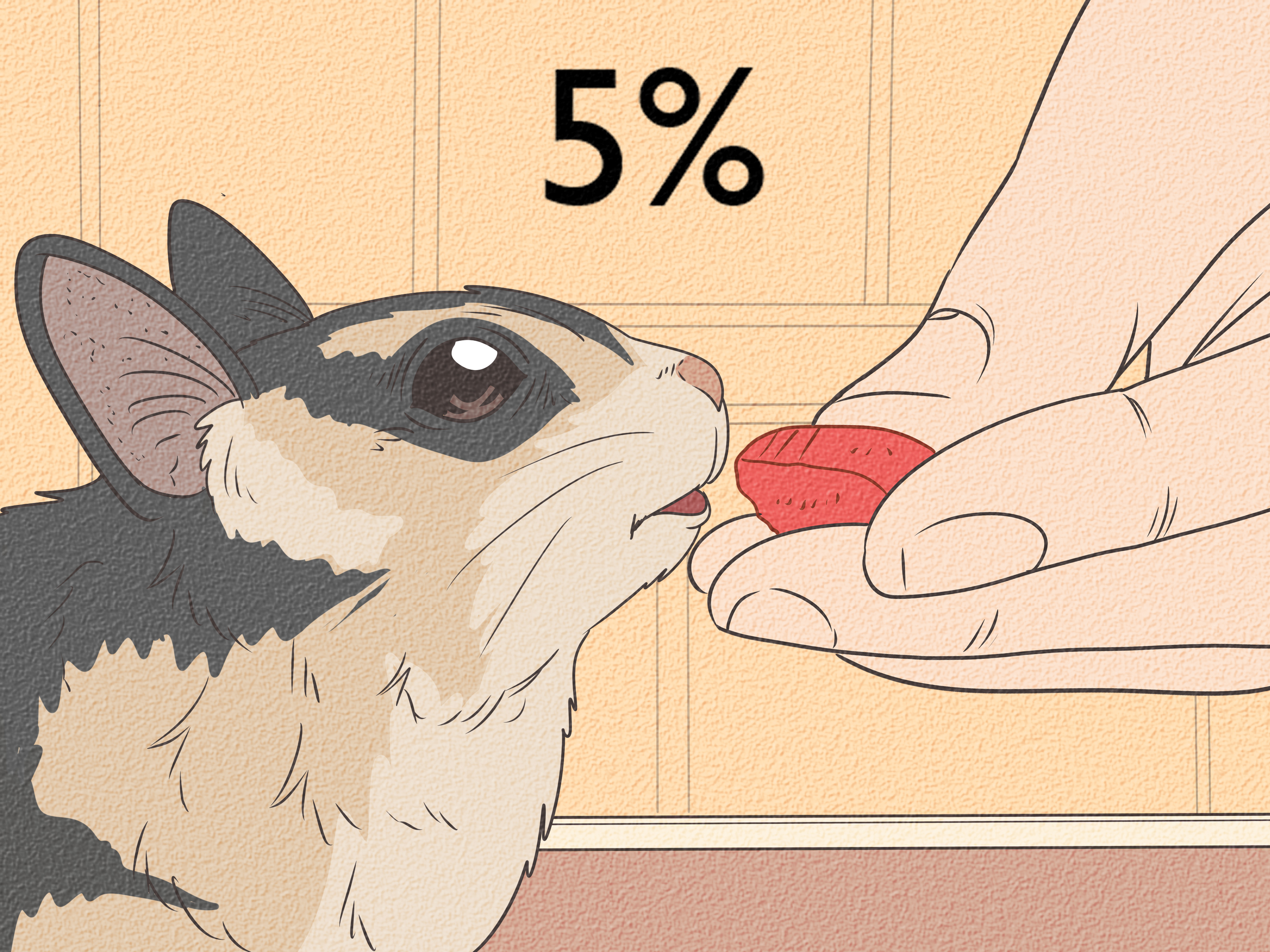
Fruit can be part of a healthy plan, but too much can push the diet toward excess sugar. Apples, berries, melon, papaya, pear, and similar options are often used in moderation. Cut fruit into small, manageable pieces and rotate choices for variety. Think “small garnish,” not “all-you-can-eat tropical brunch.”
Step 6: Add vegetables for balance, texture, and variety
Vegetables help round out the menu and reduce the tendency to lean too hard on sugary foods. Common choices include carrots, corn, sweet potato, and leafy greens, depending on the overall diet plan. Chop them into tiny pieces so your glider can handle them easily. Variety helps prevent boredom and encourages a broader nutrient intake.
Step 7: Include proper protein sources
Protein matters. Approved options may include gut-loaded insects, small amounts of boiled egg, or lean cooked poultry if your feeding plan allows it. Insects are popular because they also encourage natural foraging behavior. Still, moderation matters. If your glider could vote, mealworms would probably win every election, but that does not mean they should run the entire government.
Step 8: Use gut-loaded or properly raised insects only
Not all insects are equal. Feed insects that are safely raised for pet use and properly nourished before feeding. Gut-loaded crickets and mealworms are common examples. Avoid outdoor-caught bugs, which may carry parasites, pesticides, or other unwanted surprises. Wild bugs are basically mystery snacks, and mystery snacks are a terrible life choice.
Step 9: Do not overdo fatty treats
Nuts and other rich treats should stay in the “special occasion” category. Sugar gliders can become overweight when they get too much fat or too many high-value treats. A chubby glider may look extra cuddly, but obesity can lead to serious health problems. Your goal is a fit little acrobat, not a furry beanbag with trust issues.
Step 10: Add calcium and vitamins only as directed
Calcium support is often a major part of proper sugar glider feeding, especially when insects are included. Some feeding plans use a calcium-based vitamin and mineral supplement, and some insects may need to be dusted. The exact supplement schedule should come from a veterinarian familiar with sugar gliders, because too little or too much is not ideal. Free-pouring powder like parmesan cheese is not a feeding method.
Step 11: Avoid dangerous foods completely
Some foods belong nowhere near your glider’s bowl. Skip chocolate, candy, soda, coffee, tea, canned fruit with added sugar, raw meat, raw eggs, fruit pits, and preserved junk foods. Also avoid baby-food-style sugary shortcuts and heavily processed human snacks. Your glider may be tiny, but it is not a toddler at a birthday party.
Step 12: Provide fresh water at all times
Clean water should always be available. Many owners do best by offering two water sources, such as a bottle and a shallow dish, especially because bottles can clog or stop flowing. Check water daily, clean containers often, and do not assume the bottle is working just because it looks innocent. Even innocent-looking water bottles can betray you.
Step 13: Remove uneaten fresh food promptly
Fresh produce and protein items should not sit around forever. Remove leftovers within a few hours, or by the next morning depending on the item and your vet’s guidance, to reduce spoilage and bacterial growth. Gliders are cute, but old melon at sunrise is still old melon at sunrise. Clean dishes daily and keep the feeding area tidy.
Step 14: Watch body condition, stool, and behavior
Good feeding is not just about what goes into the bowl. It is also about what your glider’s body tells you afterward. A healthy glider should be active at night, able to climb well, hydrated, and interested in food. Watch for lethargy, weakness, diarrhea, trouble climbing, weight gain, or unusual food refusal. Those are clues that the diet or your pet’s health needs attention.
Step 15: Build the diet with an exotic veterinarian, not internet chaos
There is a lot of unregulated diet advice floating around online, and some of it is about as reliable as a weather forecast from a fortune cookie. The safest move is to work with an exotic veterinarian who knows sugar gliders. Ask for a specific feeding plan, portion guidance, supplement instructions, and regular check-ins. When it comes to what to feed a sugar glider, professional guidance beats guesswork every time.
Best Foods to Include in a Sugar Glider Feeding Plan
A healthy feeding routine usually combines these categories:
- Staple diet: veterinarian-approved pellets or formulated nectar-style diet
- Protein: gut-loaded crickets, mealworms, boiled egg, or lean cooked poultry if approved
- Fruits: apples, berries, melon, papaya, pear, grapes in small amounts
- Vegetables: sweet potato, carrots, corn, and selected greens in moderation
- Supplements: calcium and vitamin support only as directed by your exotic vet
- Water: fresh, clean, always available
Common Feeding Mistakes to Avoid
Even loving owners can get tripped up by bad advice. Here are the mistakes that show up again and again:
- Feeding mostly fruit because the glider prefers sweet foods
- Giving too many insects and creating excess fat or protein imbalance
- Skipping calcium support
- Using unsafe insects from outdoors
- Letting fresh food spoil in the cage
- Offering sugary processed treats too often
- Copying random homemade diet recipes without veterinary guidance
Sample Evening Feeding Routine
If you want a simple structure, try thinking in layers rather than exact internet-famous recipes. First, offer the staple diet. Second, add a measured portion of approved produce. Third, include the protein source for that feeding plan. Fourth, add supplements exactly as instructed. Fifth, check water and remove leftovers later. That is the rhythm. Predictable, balanced, and much less dramatic than letting your glider negotiate dinner like a tiny union boss.
When to Call the Vet About Feeding Problems
Contact an exotic veterinarian if your sugar glider stops eating, becomes weak, has trouble climbing, loses weight, develops diarrhea, seems dehydrated, or shows signs of dental pain. Seek help quickly if you notice seizures, severe lethargy, or sudden inability to grip and move normally. Nutrition-related problems in sugar gliders can escalate fast, and early treatment matters.
Experiences and Real-World Lessons From Feeding Sugar Gliders
One of the most common experiences new owners describe is the shock of discovering that a sugar glider is both tiny and somehow completely capable of having very strong opinions about dinner. Plenty of people begin with the harmless assumption that a glider would be easy to feed because it is small. Then night one arrives, the glider picks out the sweetest bites first, ignores the balanced parts of the meal, and suddenly the owner is standing there at 10:30 p.m. wondering how something the size of a fuzzy potato became a nutritional strategist.
Another common experience is the “fruit trap.” New owners often feel proud when their glider eagerly eats banana, grape, or melon. The pet looks happy, the bowl looks colorful, and it all feels healthy. But over time, many owners realize that enthusiasm is not the same thing as balance. A glider will often choose the sweetest items first, which can trick people into thinking they have found the perfect menu. In reality, that preference can pull the diet out of balance if protein, staple nutrition, and calcium support are not handled carefully.
Owners also talk about how much routine matters. Sugar gliders tend to do better when feeding happens on a reliable evening schedule. Once people settle into a rhythm of preparing the staple diet, chopping produce into small portions, checking water bottles, and removing leftovers the next morning, feeding becomes much less stressful. It stops feeling like a nightly pop quiz and starts feeling like normal care.
Many experienced keepers also mention that monitoring behavior teaches you almost as much as the food bowl does. A glider that is active, curious, climbing well, and eating with interest usually tells you the routine is working. A glider that becomes sluggish, picky in a new way, weak, or messy around the mouth may be signaling a diet or health problem. That is why the most successful owners do not just ask, “Did my glider eat?” They also ask, “How is my glider acting afterward?”
Perhaps the biggest lesson repeated by long-term owners is that there is no prize for improvising the fanciest homemade menu. The goal is not to become a celebrity chef for marsupials. The goal is consistency, balance, cleanliness, and veterinary guidance. The owners who tend to feel most confident are the ones who keep things measured and practical. They learn which foods their glider enjoys, but they do not let preference override nutrition. They keep treats limited, fresh water available, and supplements accurate. Over time, that steady approach usually creates the best result: a healthy sugar glider that is energetic at night, maintains a good body condition, and still looks at dinner like it has just been personally catered by royalty.
Conclusion
Learning how to feed a sugar glider comes down to one simple principle: balance beats guesswork. A healthy glider diet is built around a quality staple, measured fresh produce, proper protein, careful calcium support, clean water, and a consistent feeding routine. Keep fruit in check, avoid sugary junk, remove leftovers quickly, and pay attention to changes in weight, behavior, and appetite.
If you remember only one thing, make it this: feed the animal in front of you like a specialized exotic pet, not like a tiny fruit enthusiast with wings. Cute can be misleading. Nutrition should not be.