That old bottle of ammonia under the sink may look innocent, but it deserves more respect than a forgotten jar of pickles. Household ammonia is a useful cleaner when handled correctly, yet it can irritate your eyes, skin, throat, and lungs, and it becomes especially risky when mixed with the wrong products. The big rule is simple: do not treat ammonia like ordinary trash, mystery sink juice, or “future me’s problem.” Future you has enough going on.
This guide explains how to dispose of ammonia safely, legally, and as eco-friendly as possible. Whether you found a half-empty bottle of household ammonia, inherited cleaning supplies from a move, or discovered a dusty container with a label that looks like it survived three presidential administrations, the safest path is to identify what you have, avoid dangerous mixing, and use your local household hazardous waste program whenever needed.
What Is Household Ammonia?
Household ammonia is usually a diluted water-based cleaning solution, often used for glass, floors, greasy surfaces, and general cleaning. It is different from anhydrous ammonia, which is a much more hazardous industrial or agricultural chemical often stored under pressure. If your container is a regular retail cleaning bottle, you are likely dealing with household ammonia. If it is a cylinder, tank, commercial drum, unlabeled chemical container, or refrigerant-related product, stop handling it and contact your local hazardous waste authority or emergency services for guidance.
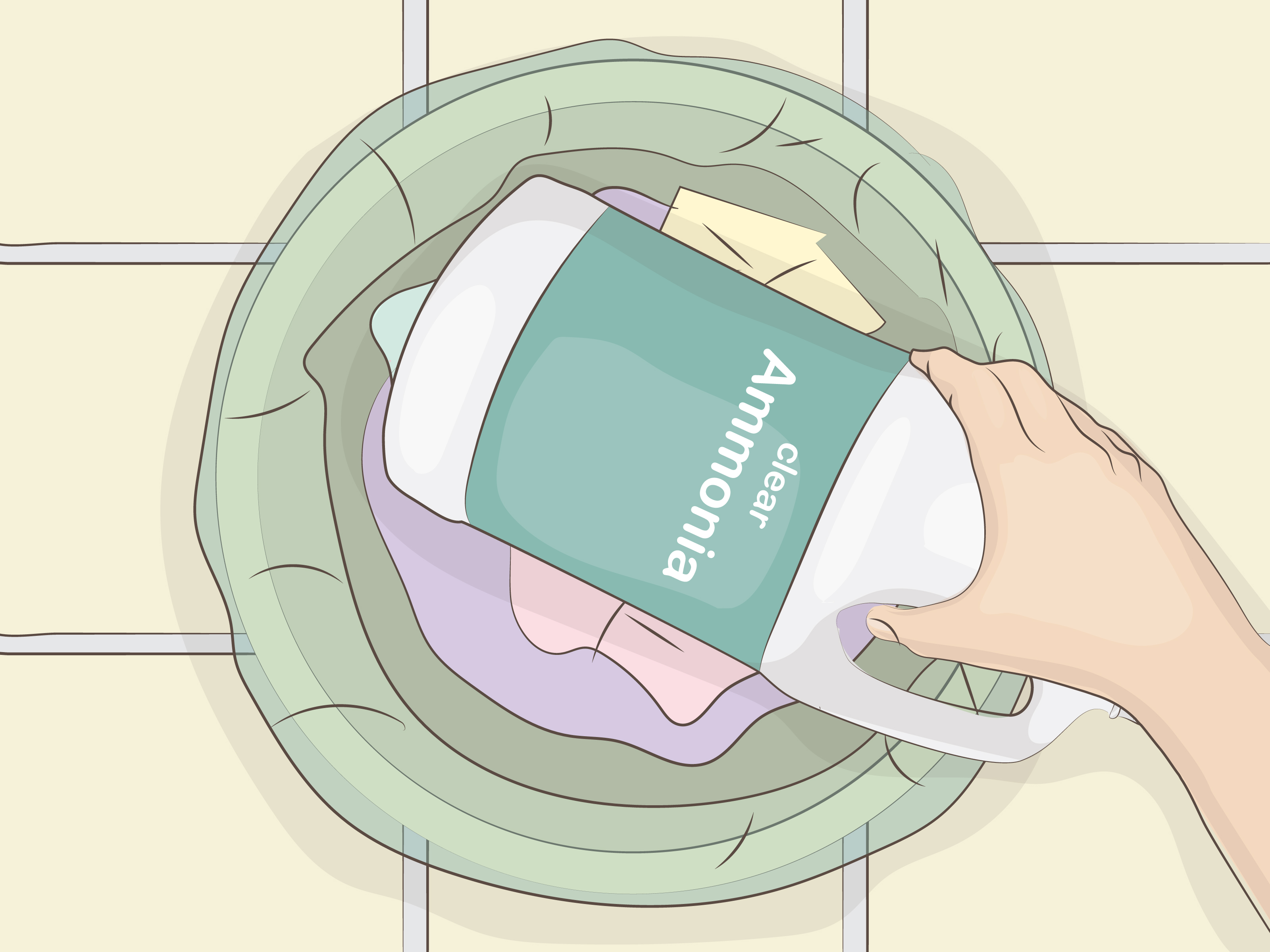
Even ordinary household ammonia needs caution. Its sharp smell is not just “cleaning day perfume.” Strong fumes can be irritating, and concentrated exposure can be dangerous. The most important safety warning is this: never mix ammonia with bleach, acids, toilet bowl cleaners, drain cleaners, or other cleaning products. Mixing cleaners can release toxic gases. In other words, your kitchen is not a chemistry lab, and your mop bucket should not audition for a disaster movie.
Before You Dispose of Ammonia: Check These 5 Things
1. Read the Label
Look for words such as “ammonia,” “ammonium hydroxide,” “cleaning ammonia,” “clear ammonia,” “sudsy ammonia,” “corrosive,” “danger,” or “warning.” The label may also include disposal instructions. Follow those instructions first, unless your local waste agency gives different guidance.
2. Identify the Amount
A few teaspoons of residue in a bottle are very different from several gallons of cleaner. Small household quantities may have more local options, while larger amounts should go to a household hazardous waste collection site, drop-off center, or special disposal event.
3. Check the Container Condition
If the bottle is leaking, bulging, cracked, missing a cap, or the label is unreadable, treat it as higher risk. Place it upright in a secondary container, such as a plastic tub, and keep it away from children, pets, heat, and other cleaners while you arrange proper disposal.
4. Know Your Drain Type
Never pour ammonia into a storm drain, street gutter, yard, ditch, pond, or creek. Those routes can send chemicals directly into soil and waterways. If your home uses a septic system, be extra cautious. Septic systems rely on living bacteria, and harsh chemicals can interfere with that balance.
5. Find Your Local Rules
Disposal rules vary by city, county, and state. Many U.S. communities classify unwanted ammonia-based cleaners as household hazardous waste, especially if the product is old, concentrated, unlabeled, mixed, or present in more than a tiny amount.
The Best Eco-Friendly Way to Dispose of Ammonia
The most environmentally responsible option is to take unwanted ammonia to a household hazardous waste facility or collection event. These programs are designed to handle products that may be corrosive, toxic, reactive, or unsafe for regular trash. The staff can sort, transport, recycle, treat, or dispose of chemicals in ways that protect people, sanitation workers, water systems, and wildlife.
To find a local option, search your city or county website for “household hazardous waste,” “HHW drop-off,” “special waste collection,” or “safe disposal event.” You can also call your local solid waste department. Many areas accept household cleaners, ammonia-based products, bleach, pesticides, paint, motor oil, batteries, and similar materials at designated sites. Some offer free residential drop-off; others run periodic weekend events.
Step-by-Step: How to Dispose of Ammonia Safely
Step 1: Do Not Mix It With Anything
This is the golden rule with neon lights around it. Do not mix ammonia with bleach, vinegar, toilet cleaner, drain opener, rubbing alcohol, hydrogen peroxide, or mystery liquids. Even if a cleaning “hack” online sounds clever, skip it. Chemical reactions do not care about viral trends.
Step 2: Keep It in the Original Container
Leave ammonia in its original bottle whenever possible. The label helps disposal workers identify the product. If the container is damaged, place the entire bottle inside a larger leak-resistant container, but do not pour the ammonia into a new bottle unless your local waste agency specifically tells you to do so.
Step 3: Tighten the Cap and Bag It Separately
Make sure the cap is secure. Place the bottle in a plastic bag or small bin to catch leaks during transport. Keep ammonia away from bleach, pool chemicals, acids, and other cleaners. If you are bringing several household chemicals to a drop-off site, separate them so they cannot spill into one another.
Step 4: Store It Temporarily in a Cool, Ventilated Spot
Until disposal day, store ammonia upright in a cool, dry, ventilated area. Keep it out of direct sunlight and away from flames, heat, children, and pets. Do not store it near food, medicine, or personal care products. The laundry room shelf may be convenient, but convenience should not defeat common sense.
Step 5: Bring It to Household Hazardous Waste Collection
Transport the container upright, ideally in the trunk or rear cargo area, not on a passenger seat. Drive directly to the collection site. At the facility, follow staff instructions and let trained workers handle the product. That is the point of the program: you get rid of the chemical, and professionals prevent it from becoming a mini environmental soap opera.
Can You Pour Ammonia Down the Drain?
The safest general answer is: do not assume you can. Some local wastewater authorities may allow very small amounts of certain household cleaning products to enter the sanitary sewer with plenty of water, but many agencies discourage pouring household hazardous chemicals down drains. Rules also differ for septic systems, apartments, businesses, labs, schools, and large quantities.
If you are unsure, call your local wastewater or solid waste agency. Ask specifically about “household ammonia cleaner” and the amount you have. Never pour ammonia into storm drains, outdoor drains, gutters, soil, or waterways. Those drains may bypass wastewater treatment and lead directly to local streams or lakes. Fish do not need a glass cleaner facial.
Can You Throw Ammonia in the Trash?
Do not throw liquid ammonia in regular trash unless your local waste authority clearly says it is acceptable. Liquid chemicals can leak from garbage bags, expose sanitation workers to fumes, react with other materials, or spill in trucks and transfer stations.
Empty containers are different. If the bottle is completely empty, check the label and your local recycling rules. Some communities allow rinsed, empty plastic bottles in recycling if the plastic type is accepted. Others require chemical cleaner bottles to go in the trash. When in doubt, trash an empty container rather than contaminating a recycling stream.
What If the Ammonia Is Old, Strong, or Unlabeled?
If the ammonia is old, stronger than normal household cleaner, unlabeled, mixed with another product, or stored in a strange container, treat it as hazardous waste. Do not sniff it to identify it. Do not “test” it on a surface. Do not pour it into another container. Keep it isolated and contact your household hazardous waste program.
If you suspect the container is industrial ammonia, laboratory ammonia, anhydrous ammonia, or a refrigerant chemical, do not handle it like a household cleaner. Contact local authorities, the fire department non-emergency line, or a licensed hazardous waste company. For active leaks, strong fumes, breathing trouble, eye exposure, or chemical burns, leave the area and call emergency services or Poison Control.
Eco-Friendly Alternatives to Ammonia Disposal
Use Less in the First Place
The greenest disposal method is not creating waste. Buy smaller bottles if you only clean occasionally. Avoid stocking up on harsh cleaners “just in case.” Cleaning cabinets have a magical ability to become retirement homes for products nobody remembers buying.
Share Usable Products Responsibly
If the ammonia is still in good condition, clearly labeled, and not expired or damaged, a household may be able to give it to another adult who can use it safely and legally. Never give away unlabeled, leaking, mixed, or questionable chemicals.
Choose Safer Cleaning Options
For many everyday jobs, soap and water, microfiber cloths, baking soda paste, or a mild dish soap solution may work well. Vinegar can be useful for some mineral deposits and glass cleaning, but never combine vinegar with ammonia. Use one product at a time, rinse surfaces as needed, and read labels before switching cleaners.
Common Mistakes to Avoid
Mistake 1: Mixing Ammonia With Bleach
This is the classic mistake and the most important one to avoid. Bleach and ammonia can create toxic fumes. Do not mix them in a bucket, toilet, sink, washing machine, spray bottle, or trash bag.
Mistake 2: Dumping It Outside
Pouring ammonia onto soil, gravel, weeds, drains, or pavement is not eco-friendly. It can harm plants, animals, waterways, and local water quality. “Outside” is not a disposal facility; it is just the planet with fewer walls.
Mistake 3: Hiding It in the Trash
A bottle wrapped in newspaper is still a bottle of chemical cleaner. If it leaks, someone else may pay the price. Disposal workers deserve better than surprise fumes at 7:15 in the morning.
Mistake 4: Trusting Random Internet Hacks
Avoid DIY neutralizing recipes, especially those involving acids, bleach, or other cleaners. Household chemistry can go sideways quickly. Local disposal instructions are safer than comment-section wizardry.
Quick Disposal Checklist
- Read the product label.
- Do not mix ammonia with any other cleaner.
- Keep it in the original container when possible.
- Store it upright in a cool, ventilated place.
- Keep it away from children, pets, bleach, acids, and heat.
- Call your local household hazardous waste program.
- Take unwanted ammonia to an approved drop-off site or event.
- Never dump it outdoors, in storm drains, or in waterways.
Real-Life Experience: What Ammonia Disposal Looks Like at Home
Here is a practical scenario many people recognize. You decide to clean under the kitchen sink, which is basically the junk drawer of the plumbing world. Behind the dish soap and a sponge that should have retired last spring, you find a cloudy bottle labeled “ammonia.” It is half full. You do not remember buying it. Nobody in the house admits buying it. The bottle has become a domestic mystery novel.
The first instinct may be to pour it down the sink and move on. But a better approach is slower and safer. Start by reading the label. If it is household ammonia in its original container, tighten the cap and check whether the bottle is leaking. If it is not leaking, place it in a plastic bin away from bleach and other cleaners. This separation matters because cleaning products often live crowded together like commuters on a subway, and one spill can turn into a serious problem.
Next, check your city or county household hazardous waste website. In many areas, the instructions are surprisingly clear: bring unwanted household chemicals to a drop-off site or collection event. Some programs ask residents to keep products in original containers, label anything unknown, avoid mixing materials, and transport items in a box or bin. This process may feel less dramatic than pouring something down the drain, but that is the point. Safe disposal should be boring. Boring is good. Boring means no fumes, no emergency calls, and no guilt about what just entered the water system.
Another common experience happens during moving. When people pack a house, they suddenly discover that cleaning supplies multiply in dark cabinets. There may be ammonia, bleach, oven cleaner, drain cleaner, furniture polish, and mystery sprays with labels faded into abstract art. Moving day is not the moment to improvise chemical disposal. The smart move is to schedule a household hazardous waste drop-off before packing week. Keep chemicals upright in a sturdy box, separate incompatible products, and do not pack them next to food, clothing, or fragile items.
For families trying to become more eco-friendly, ammonia disposal can also become a useful reset. Once the old bottle is gone, replace the “chemical museum” under the sink with fewer, simpler products. A small set of clearly labeled cleaners, microfiber cloths, dish soap, and a plan to avoid overbuying can reduce waste dramatically. Eco-friendly living is not about owning twenty green-labeled bottles; it is about buying only what you need, using it correctly, and disposing of leftovers responsibly.
The biggest lesson from real-life ammonia disposal is this: the safest solution is usually not the fanciest one. You do not need a science experiment, a viral hack, or a heroic cleaning montage. You need the label, a little patience, local waste guidance, and a firm commitment not to mix cleaners. That is how a dusty bottle under the sink becomes one small win for your home, your plumbing, and the environment.
Conclusion
Disposing of ammonia safely is not complicated, but it does require attention. Keep the product in its original container, never mix it with other cleaners, avoid drains unless your local authority specifically allows it, and use household hazardous waste collection for unwanted or questionable ammonia. The eco-friendly choice is the one that protects people, water, soil, sanitation workers, and your future self from a preventable headache.
Note: This article is for general household safety education. Disposal rules vary by location. For exact instructions, contact your city or county solid waste department, wastewater authority, household hazardous waste program, Poison Control, or emergency services when exposure, strong fumes, leaking containers, or unknown chemicals are involved.