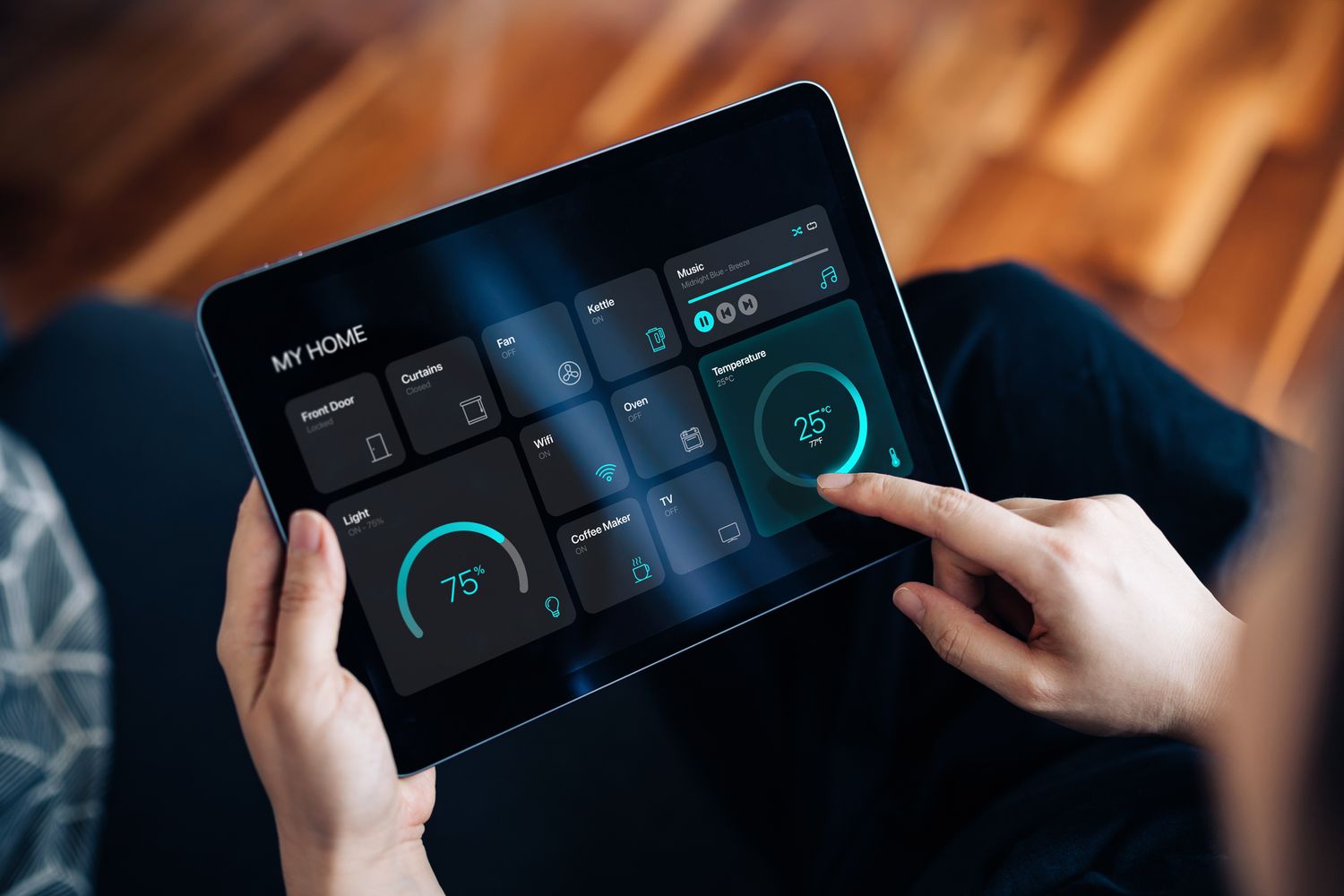
Before anyone in Cupertino raises an eyebrow, let’s clear one thing up: “HomePad” is not an official Apple product name. It is the internet’s favorite nickname for the long-rumored Apple smart home display, a device many expect to blend the best parts of a HomePod, an iPad-like screen, and a dedicated home hub into one tidy little square. In other words, it is the gadget equivalent of a Swiss Army knife that also knows when your porch light should turn on.
And honestly, the idea makes a lot of sense. Apple already has the pieces. It has HomePod for audio, the Home app for smart home control, Siri for voice commands, Apple TV as a home hub, Matter support for broader accessory compatibility, and a privacy-first pitch that remains one of its strongest selling points. What it does not have yet is a single, purpose-built smart display that ties those pieces together in a way that feels visible, immediate, and family-friendly. That is the gap the so-called HomePad could fill.
Why Apple Needs a Device Like HomePad
Apple’s smart home strategy has often felt polished but slightly scattered. The Home app is capable. HomePod sounds great. Apple TV quietly does more smart home heavy lifting than many people realize. But if you compare Apple’s setup with products like Amazon’s Echo Show line or Google’s Nest Hub family, there is one obvious missing ingredient: a screen that lives in the home full-time and exists mainly to make the home itself easier to run.
That matters more than it sounds. A voice-first smart speaker is convenient when you want to say, “Hey Siri, turn off the kitchen lights.” But a screen is better when you want to glance at security cameras, tap a scene, check who is at the door, manage a timer while cooking, or see the family calendar without turning the whole interaction into a spoken performance. There are only so many times people want to narrate their lives to a speaker like they are starring in a very low-budget sci-fi movie.
If Apple launches HomePad, it would not just be adding another device. It would be making a statement that the smart home deserves a front door. Not an iPhone you carry away. Not an iPad that ends up under a couch cushion. A dedicated, always-there display with speaker power, home controls, and enough intelligence to feel useful instead of ornamental.
What Apple’s HomePad Is Expected to Be
Based on the most consistent reporting, Apple’s rumored device is expected to act as a smart home control center with a built-in display, speakers, Siri integration, and software tailored to the home. Think of it as a mashup of a HomePod and a small tablet, with an interface likely focused on widgets, cameras, scenes, notifications, and quick access to everyday routines.
The rumored appeal is not raw power for its own sake. It is specificity. Apple does not need HomePad to replace the iPad. It needs HomePad to do the boring but beautiful work of home life really well. That means showing who rang the bell. Displaying the weather next to the thermostat status. Letting you move from music to lights to intercom to FaceTime with zero friction. In a well-designed smart home, convenience is not flashy. It is simply the absence of hassle.
Reports have also suggested Apple may position the device around a home-focused operating experience, sometimes described as a dashboard-style interface. If that turns out to be true, Apple’s real challenge will be making HomePad feel less like “an iPad mounted on a wall” and more like “the home itself became intelligent.” That is a subtle difference, but it is the difference between a gimmick and a category winner.
Part Speaker: Why the Audio Side Still Matters
Apple would be foolish to forget what makes the HomePod brand special: sound. The current HomePod has built a reputation around fuller audio, room-filling performance, and a more premium listening experience than many cheap smart speakers. A future HomePad does not need to out-muscle a full-size HomePod in pure audio quality, but it does need to sound good enough that families actually want it in a kitchen, living room, bedroom, or hallway.
This is where Apple could separate itself. Plenty of smart displays are useful. Far fewer are genuinely enjoyable as speakers. A device that can control the home and also deliver music, podcasts, timers, ambient sounds, intercom messages, and casual TV-room audio without sounding tinny would hit a sweet spot. People do not want a smart home device that feels like a plastic announcement machine. They want one that sounds like it belongs in the house.
That speaker-first DNA could also make HomePad more social than a regular display. Someone asks for dinner music. Someone else replies over Intercom. A FaceTime call pops up while the kids are finishing homework. A bedtime scene starts with dimmed lights and rain sounds. In that environment, the speaker is not just an accessory. It is the emotional layer of the device.
Part Screen: Why Apple Has Been Missing the Moment
The screen is what makes HomePad more than “another HomePod.” Apple already lets users manage accessories through the Home app on iPhone, iPad, Mac, Apple Watch, and Apple TV. But smart home control works best when it is ambient. The more steps required, the less magical it feels.
A built-in screen changes the rhythm of everyday use. Instead of pulling out an iPhone, unlocking it, finding the right app, and tapping through menus, a person could walk by, see live information, and interact in seconds. The value is not just that there is a display. It is that the display is always in the right place.
That could be especially useful for families. A single screen in a shared space works differently from personal devices. It becomes communal infrastructure. One person checks the camera feed. Another sets a reminder. Another taps a “Movie Night” scene. Another starts a timer for cookies that may or may not survive until the tray cools. The device becomes part bulletin board, part remote control, part digital butler, minus the British accent and suspicious levels of judgment.
All Smart: The Brain Behind the Hardware
The most important part of HomePad may not be the screen or the speaker. It may be the intelligence layer connecting them. Apple’s home ecosystem already supports automations, scenes, sensor-driven actions, camera alerts, remote access, and Matter-based accessory compatibility. The rumored HomePad could turn those features from “technically available” into “ridiculously easy to use.”
That distinction matters. A lot of smart home frustration comes from buried complexity. Setting up automation is great. Remembering how you set it up six months later is less great. A dedicated display could make the home feel more legible. Are the doors locked? Which accessory is not responding? What scene is running? Has the package alert come through? What room is too warm? These are visual questions as much as they are technical ones.
Siri will also be central to whether HomePad succeeds. For years, Apple’s assistant has been most useful for simple commands: timers, music playback, weather, intercom, and straightforward home control. A new Apple home device will need Siri to feel faster, more contextual, and better at multi-step requests. If someone says, “Turn on the patio lights, lock the back door, and play jazz outside,” the whole thing should happen smoothly. No confusion. No awkward pause. No speaker acting like it just woke up from a nap.
How HomePad Could Fit Into Apple’s Existing Home Ecosystem
One reason the idea is compelling is that Apple would not be starting from scratch. HomePod and Apple TV already serve as home hubs in Apple Home. The Home app already supports accessory control, cameras, guest access, Activity History, automations, and Matter devices. HomePod already supports features like Intercom, audio handoff, and environmental sensing. The rumored HomePad could act as the more visible face of a system Apple has quietly been building for years.
That gives Apple an advantage. Instead of inventing a whole new platform, it can package existing strengths in a more approachable form. A good HomePad would not ask customers to rebuild their home. It would make their current Apple-centered setup easier to see, easier to share, and easier to love.
This is also why privacy could become a key selling point. Apple has spent years marketing its ecosystem around on-device processing, secure design, and tighter control over personal data. In the smart home, that message lands differently. Cameras, microphones, routines, locks, sensors, and family activity are deeply personal. If Apple can offer a smart display that feels powerful without feeling nosy, that will resonate with buyers who like automation but do not want their living room turning into a surveillance-themed experiment.
Who Apple’s HomePad Would Be For
The obvious audience is existing Apple households. Families with iPhones, AirPods, Apple TVs, HomePods, and a few smart lights are the natural target. For them, HomePad would not be a cold start. It would be the missing centerpiece.
But it could also appeal to people who have found smart homes annoying rather than delightful. A lot of consumers do not need fifty automations and a voice assistant that can recite trivia about sea otters. They need one place to check the front door, turn off the downstairs lights, adjust the thermostat, and play music while making pasta. If Apple designs HomePad around that kind of practical, low-drama usefulness, it could win people who are tired of smart home setups that feel like side projects.
There is also a design angle. Apple products tend to do well when they look like they belong in a real house, not just a tech demo. If HomePad carries forward Apple’s clean industrial design and blends it with thoughtful software, it could become a device people place in the home because they want to see it, not because they are hiding it behind a fruit bowl.
The Big Risks Apple Still Has to Solve
Even a promising HomePad concept has real hurdles. Price is one. Apple rarely enters a category by being the cheapest option, and that strategy can work if the experience is obviously better. But smart displays are already available at much lower prices from rivals. Apple would need to justify a premium by delivering better audio, tighter ecosystem integration, smoother software, stronger privacy, and a more polished overall experience.
Another risk is timing. The longer the rumored device slips, the more Apple looks like it is reacting rather than leading. Smart home users do not need Apple to invent the category. They do need Apple to prove it can still redefine familiar hardware through better execution.
Then there is Siri. This is the elephant in the room, except the elephant is standing in your kitchen and occasionally misunderstands you asking for the kitchen lights. If HomePad launches before Apple’s assistant feels meaningfully sharper, the product may look beautiful but still feel half-finished. In a device designed around quick, shared, home-wide interactions, voice reliability is not optional. It is the whole game.
What the Best Version of HomePad Could Mean
At its best, HomePad would not simply be a smart display with an Apple logo. It would represent a more mature version of Apple’s home strategy: less fragmented, more visible, more communal, and more intuitive. It would turn the smart home from a collection of features into a living, glanceable, speakable experience.
That is why the device has generated so much interest before Apple has even officially introduced it. People are not just curious about another gadget. They are curious about whether Apple can make the smart home feel less like a hobby and more like a natural part of daily life.
If Apple gets this right, HomePad could become the kind of device that quietly runs the house while rarely demanding attention. And that, oddly enough, is the dream: a product smart enough to be useful, simple enough to disappear into daily life, and good-looking enough that nobody minds leaving it out in plain sight.
Everyday Experiences Apple’s HomePad Could Make Better
The most exciting thing about HomePad is not the spec sheet people keep arguing over. It is the lived experience the device seems built to create. Imagine walking into the kitchen at 6:45 a.m. The display is already awake with the weather, your first meeting, the school reminder you forgot to forget, and a one-tap control for the lights because it is still gloomy outside. You ask for a playlist, and instead of fumbling with your phone while half-awake, the room simply fills with music. That is the kind of convenience that feels small in theory and huge in practice.
Now picture the after-school rush. Someone is ringing the doorbell, someone else is asking what is for dinner, and a package alert appears while the dog launches into his usual speech about neighborhood injustice. A device like HomePad could turn chaos into a quick glance: camera feed up top, lock controls below, and an Intercom option ready to announce that dinner is in twenty minutes and yes, everyone should wash their hands this time.
The same goes for cooking, which is basically project management with onions. A speaker-screen combo in the kitchen makes a lot of sense because cooking is full of fast interactions. Set two timers. Check the conversion for tablespoons to cups. Pull up a camera view when the delivery arrives. Start a “Dinner” scene that warms the lights and turns on music that says “casual elegance” instead of “microwave survival.” A phone can do those things, sure, but a dedicated home device can do them without disappearing under a recipe book or getting flour fingerprints all over the screen.
There is also something especially appealing about HomePad at night. Smart homes shine brightest when they reduce friction at the exact moment you are too tired to deal with it. One tap or one voice command could dim the lights, lock the doors, lower the thermostat, check that the garage is closed, and start a sleep sound playlist. That is not futuristic. That is practical luxury. It is the kind of feature that makes people say, “I did not think I needed this,” right before they become emotionally dependent on it.
For families, the communal angle may be the biggest win. Personal devices are great, but home life often needs shared devices. A screen in a central room becomes a digital common area. It can show who is home, what is running, what needs attention, and what is happening next. It is not just smart. It is social. And that is exactly why Apple’s rumored HomePad feels so interesting. It is not trying to be another gadget you carry. It is trying to become part of the home’s rhythm. If Apple can capture that feeling, the product will not just be useful. It will be the rare tech device that feels genuinely at home in a home.