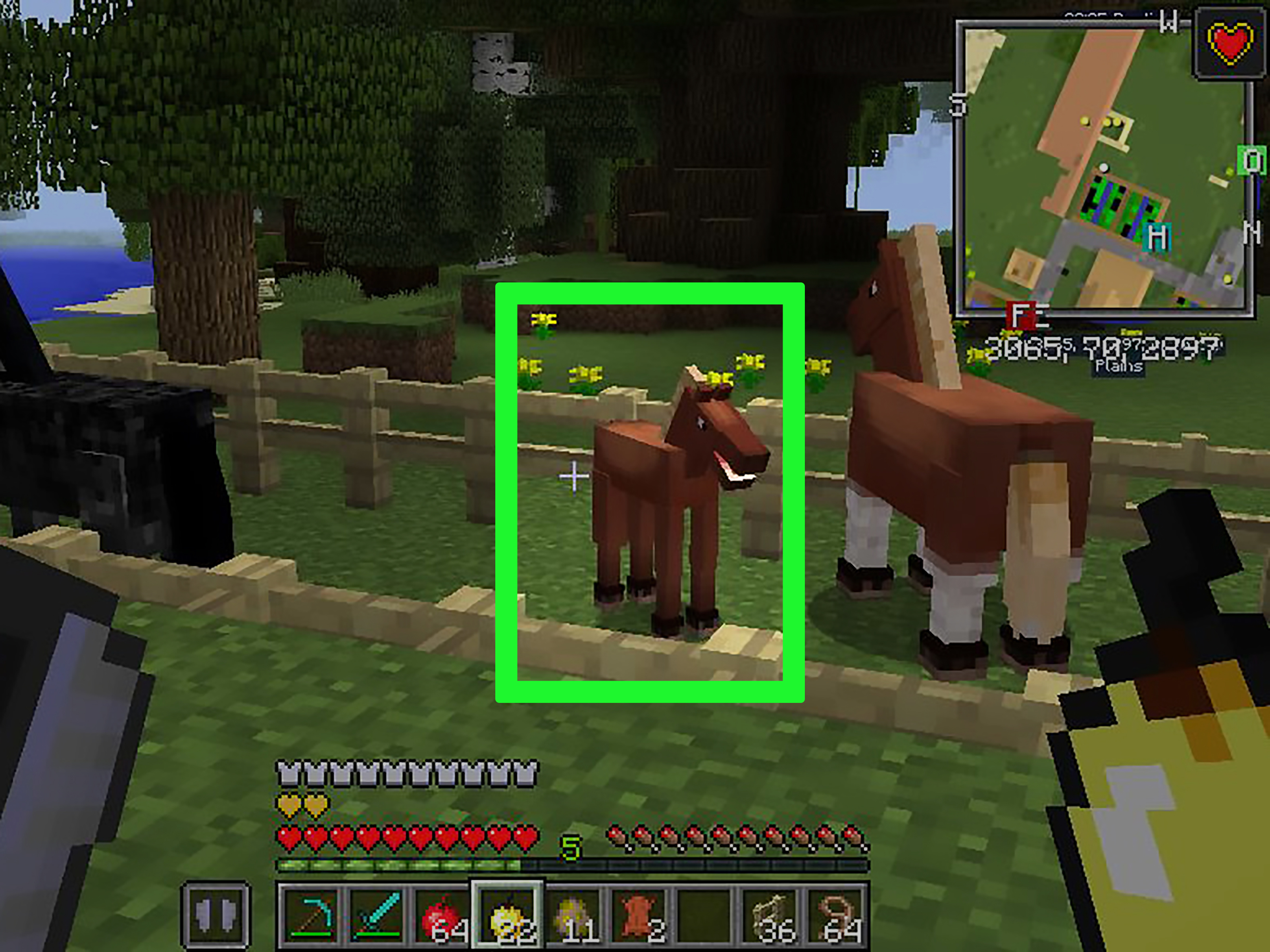
If your Minecraft base has crops, storage rooms, a suspiciously unfinished roof, and at least one chest full of “useful later” junk, you are officially ready for the next sign of civilization: a horse stable. Learning how to breed horses in Minecraft is one of those upgrades that makes your world feel more alive, more practical, and honestly a little more fancy. Nothing says “I have my life together” like a line of horses standing in matching pens while you pretend you definitely did not fall into a ravine ten minutes ago.
The good news is that horse breeding in Minecraft is simple once you know the rules. The slightly annoying news is that horses are picky. You cannot just toss them random snacks and hope romance happens. You need two adult horses, both must be tamed, and you must feed each one a golden apple or golden carrot. Do that correctly, and you will get a foal. Do it incorrectly, and you will mostly get judged by two very expensive animals.
In this guide, you will learn exactly how to breed horses in Minecraft, where to find them, how to tame them, what foods work, how foal stats and appearance work, and how to turn a couple of wandering horses into a proper ranch. We will also cover practical examples, common mistakes, and real gameplay experiences that make the process smoother in survival mode.
What You Need Before You Breed Horses
1. Find Two Adult Horses
Horses usually spawn in plains and savanna biomes, often in small herds. That is the first stop for anyone trying to build a horse farm in Minecraft. Villages can also have horses nearby, which is convenient if you enjoy letting local architecture do part of the work for you.
You do not need a male and a female horse. Minecraft horses do not deal in labels, paperwork, or awkward dating apps. Any two tamed adult horses can breed as long as they are close enough and fed the correct item.
2. Tame Both Horses First
This is the rule many players miss the first time. You cannot breed wild horses. Before breeding starts, both horses must be tamed.
To tame a horse, approach it with an empty hand and mount it. The horse will probably throw you off. Rude, but normal. Keep mounting it until hearts appear. Once you see hearts, the horse is tamed. Repeat the same process with the second horse. If you want to make taming less chaotic, build a small fenced pen first so they do not wander off while acting dramatic.
3. Gather Golden Apples or Golden Carrots
To breed horses in Minecraft, each horse needs one of the following:
- 1 golden apple, or
- 1 golden carrot
Both items work for breeding. If you are playing survival and thinking like a resource hoarder, golden carrots are usually the cheaper option because they use gold nuggets instead of full ingots. Golden apples still work great, but they are a more expensive way to play matchmaker.
You can craft them like this:
- Golden Apple: 1 apple surrounded by 8 gold ingots
- Golden Carrot: 1 carrot surrounded by 8 gold nuggets
4. Build a Safe Breeding Area
This part is technically optional, but practically essential. Horses are fast, easily distracted, and weirdly talented at making simple tasks annoying. A fenced stable or breeding pen makes everything easier. Keep the space wide enough for movement, but not so large that one horse decides to wander off like it is starring in its own travel documentary.
How to Breed Horses in Minecraft: Step by Step
Now for the actual process. If you want the fast version of how to breed horses in Minecraft, this is it:
Step 1: Put the Horses Close Together
Move both tamed horses into the same pen or keep them near each other with leads. The closer they are, the easier the process is. Trying to breed horses that are wandering in opposite directions across a field is how you accidentally create cardio.
Step 2: Feed Each Horse a Golden Apple or Golden Carrot
With the food in your hand, use it on one horse, then the other. If both horses are tamed adults, heart particles will appear over them. That means they have entered love mode, which is Minecraft’s delightfully weird way of saying, “Congratulations, ranch owner, you did it right.”
Step 3: Wait for the Foal to Appear
Once both horses are in love mode, they will move toward each other and produce a baby horse, called a foal. No complicated animation. No paperwork. Just a tiny horse appearing like the Overworld approved your farm expansion request.
Step 4: Let the Foal Grow
A baby horse takes about 20 minutes to grow into an adult naturally. If that feels long, you can speed up the process by feeding the foal certain foods, including sugar, wheat, apples, hay bales, golden carrots, and golden apples. Some foods grow it faster than others, so use whatever makes sense for your inventory and patience level.
Step 5: Wait Out the Breeding Cooldown
After breeding, the parent horses cannot breed again immediately. There is a cooldown of about five minutes before the same pair can produce another foal. That means if you want to build a large horse stable fast, it helps to keep multiple adult horses rather than relying on one overworked couple.
Do You Need a Saddle to Breed Horses?
No. You do not need a saddle to breed horses in Minecraft. Saddles are for riding and controlling a tamed adult horse, not for breeding. This is good news because saddles can be inconvenient to collect early in the game, and your horses deserve a family life before they get assigned transportation duties.
How Horse Breeding Works in Minecraft
Foal Appearance
One of the fun parts of horse breeding is seeing what the baby looks like. In many cases, a foal will resemble one of its parents in color and markings. But the system is not completely predictable. There is also a chance for a more random appearance, so even if you breed two horses that look similar, the result might surprise you.
This matters if you are trying to create a stable with a certain style. Want a matching black-horse army? Possible. Guaranteed? Absolutely not. Minecraft enjoys keeping your ranch ambitions humble.
Foal Stats
A horse’s important stats are health, movement speed, and jump strength. When a foal is born, those values are influenced by the parents, but there is also randomness involved. In other words, breeding strong horses improves your odds of getting a strong foal, but it does not let you fully control the outcome.
That is why serious players often keep breeding their best horses over time. If one parent is especially fast and another jumps well, future foals may gradually give you better all-around options. Horse breeding in Minecraft is part strategy and part tiny casino run by hay.
Can You Breed a Horse with a Donkey?
Yes. If you breed a horse with a donkey, the result is a mule. Mules are useful because they can carry chests, making them excellent pack animals for long survival trips. The catch is that mules cannot breed. They are great coworkers, not great dynasty builders.
Best Tips for Breeding Better Horses
Keep Your Best Horses
If you find a horse that feels unusually fast or jumps like it has something to prove, keep it safe. Do not assume every horse is equal. Since breeding pulls from parent stats, your best horses are worth protecting and using in future breeding attempts.
Use Leads and Fences
This sounds simple because it is simple, yet many players skip it and then spend ten minutes chasing horses through tall grass. Leads, fences, and gates make horse breeding much less chaotic. Minecraft has enough natural drama already. Your stable does not need to add to it.
Breed Near Your Base
Breeding horses far from home sounds romantic until a creeper disagrees. A stable near your base makes feeding, taming, organizing, and protecting horses much easier. It also makes the whole project feel less like herding and more like actual progression.
Use Golden Carrots for Bulk Breeding
If your goal is quantity, golden carrots are often the practical choice because they are less costly to craft than golden apples. That makes them especially useful when you are trying to expand a stable, experiment with different parent combinations, or build a mule line for travel and storage.
Test Before You Commit
Not every good-looking horse is a good performer. Ride your adult horses and get a feel for their speed and jump height. The plain brown horse that looks boring might be the overachiever of the stable.
Common Mistakes Players Make
Trying to Breed Untamed Horses
This is the big one. If hearts are not appearing, make sure both horses are tamed. If one of them still bucks you off, the answer is not more confidence. The answer is more taming.
Using the Wrong Food
Regular apples, wheat, hay bales, and sugar can feed horses, heal them, or help foals grow faster, but they do not trigger breeding in adult horses. For breeding, stick to golden apples or golden carrots.
Using Baby Horses
Only adult horses can breed. If the horse still looks like a tiny awkward teenager with long legs and big dreams, it is not ready yet.
Ignoring the Cooldown
If breeding worked once and suddenly stops, you may just be hitting the cooldown timer. Wait a few minutes before trying again.
Why Breed Horses in Minecraft at All?
Because it is useful, fun, and slightly addictive. A good horse saves time when exploring, escapes danger faster than your own legs can manage, and makes overland travel far more enjoyable. Breeding also lets you create backup mounts, experiment with better stats, and build mules for carrying supplies. Plus, a stable full of horses simply looks good. There is no shame in wanting your base to feel like a medieval estate with better lighting.
Real Gameplay Experiences and Lessons from Breeding Horses
One of the most common player experiences with horse breeding in Minecraft is realizing that the hardest part is not the breeding itself. It is the setup. On paper, the mechanic sounds easy: tame two horses, feed them golden food, get a foal. In practice, most survival players first deal with the classic chain of events: find one good horse, lose it for five minutes, find a second horse, accidentally mount the wrong one while holding the wrong item, and then spend half the afternoon building a fence because “I’ll just do this quickly” turned out to be a lie.
That experience actually teaches an important lesson. Horse breeding works best when you treat it like a small base project instead of a random side task. The players who enjoy it most usually build a stable first, gather golden carrots in advance, and keep leads nearby. The players who enjoy it least are the ones trying to do everything in an open field while a skeleton offers unsolicited feedback from fifty blocks away.
Another very real experience is disappointment followed by obsession. Many players breed two horses expecting the baby to become the ultimate mount immediately. Then the foal grows up and turns out to be average. Not terrible. Not amazing. Just a horse with solid self-esteem and mediocre jump height. That is when the stat system starts to make sense. Because horse breeding mixes parent traits with randomness, it rewards patience more than luck. You usually get better results over time, not instantly.
This creates a fun loop in long-term worlds. Players start naming horses, separating fast ones from high-jump ones, and keeping a few favorites for future breeding. Suddenly it is not just about getting a horse. It is about getting your horse: the one that can clear hills, outrun danger, and carry you home after you made another “safe” mining trip without enough torches.
There is also a practical survival experience that many players share: horses feel more valuable after loss. Usually, someone does not fully appreciate a stable until they lose a favorite mount to fall damage, lava, mobs, or one very questionable river crossing. That is the moment breeding starts looking less like a cute side hobby and more like smart planning. Keeping multiple horses near your base means you always have a backup ride, and breeding mules gives you extra utility when hauling loot.
Then there is the emotional side, which Minecraft players rarely admit out loud but absolutely understand. Foals are charming. They are tiny, awkward, and weirdly motivating. The moment a foal appears, the stable stops feeling like a mechanic and starts feeling like a place. That small detail is part of why horse breeding remains popular even though Minecraft has faster transportation methods. Rails can be efficient. Portals can be brilliant. But neither one looks at you like a confused baby horse standing in a pen beside its parents.
In the end, the best experience with horse breeding in Minecraft usually comes from combining function with style. Build a clean stable. Keep a breeding pair. Raise a mule or two for supply runs. Test your best horses instead of judging them by color. And most importantly, give yourself room to enjoy the ridiculous little moments, like when your carefully organized ranch turns into absolute chaos because you opened one gate at the wrong time. That is not failure. That is Minecraft wearing cowboy boots.
Conclusion
If you want a faster, more useful, and more lively survival world, learning how to breed horses in Minecraft is well worth it. The core process is simple: find two adult horses, tame them, keep them close together, and feed each one a golden apple or golden carrot. From there, you get a foal, wait for it to grow, and gradually improve your stable by breeding stronger horses over time.
The real trick is not memorizing the steps. It is building a smart routine around them. Use a fenced stable, save your best horses, keep golden carrots stocked, and expect a little randomness when it comes to appearance and stats. That mix of control and unpredictability is exactly what makes horse breeding in Minecraft fun. You are not just making more horses. You are building a working ranch, a travel system, and a very specific kind of blocky pride.