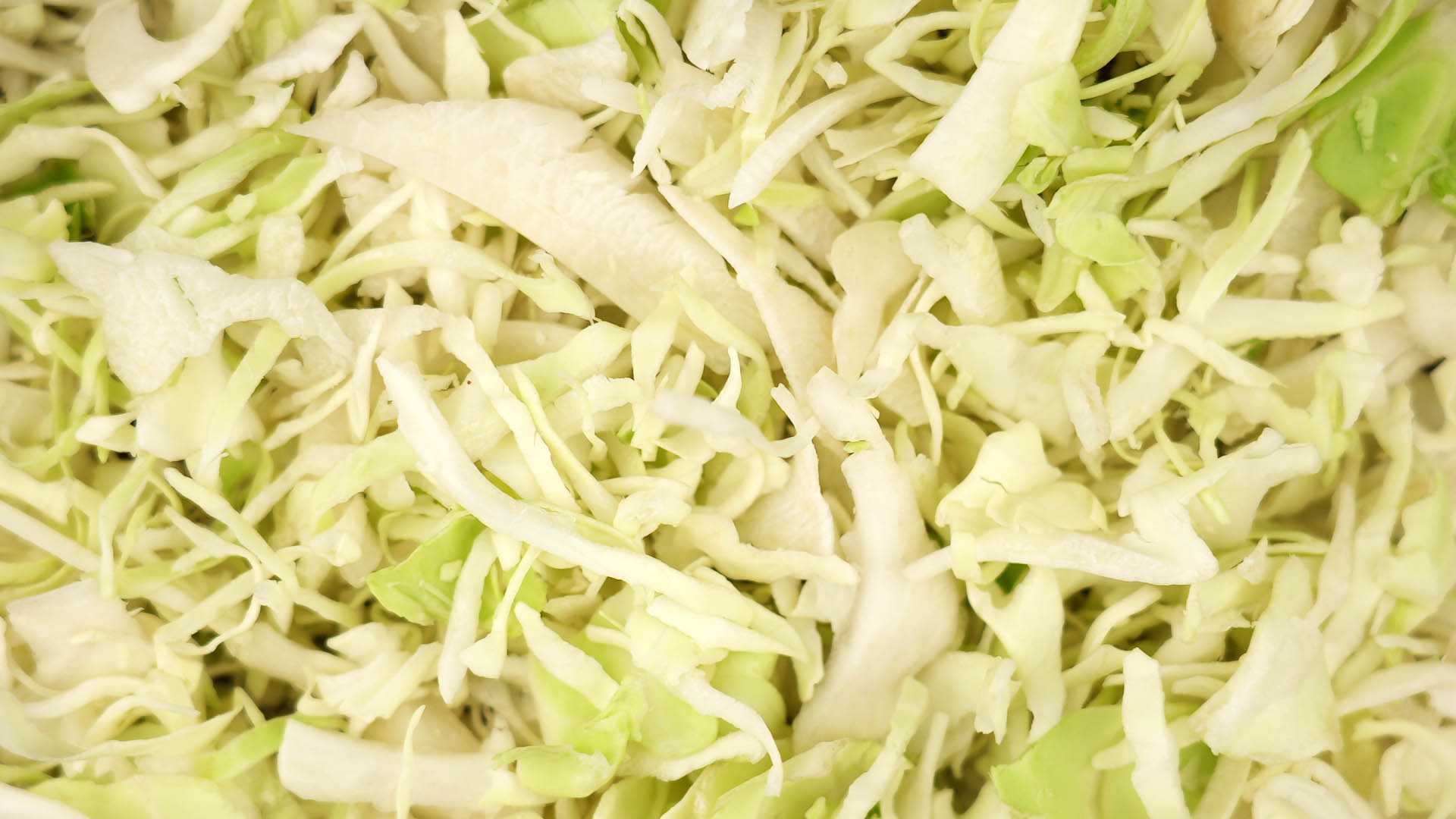
Boiled cabbage has a reputation problem. For years, it has been unfairly accused of being bland, limp, and the reason certain kitchens smell like a confused gym sock. But here is the truth: cabbage is not the villain. Overcooking is. When boiled the right way, cabbage becomes tender, lightly sweet, budget-friendly, and surprisingly versatile. It can sit proudly beside corned beef, roasted chicken, pork chops, sausage, potatoes, beans, rice bowls, or a simple pat of butter and black pepper.
This guide will show you exactly how to boil cabbage in 12 simple steps, including how to choose the right head, cut it safely, season the water, avoid mushiness, and turn leftovers into something you actually want to eat tomorrow. No culinary degree required. No dramatic chef tweezers. Just a pot, a knife, a cabbage, and the confidence to not boil it into vegetable wallpaper.
Cabbage is also a practical superstar. It is affordable, widely available in American grocery stores, stores well in the refrigerator, and works with many cooking styles. Green cabbage is the classic choice for boiling, but Savoy cabbage, red cabbage, and Napa cabbage can also be cooked with small timing adjustments. The goal is simple: tender leaves, a pleasant bite, and enough flavor that nobody at the table whispers, “Is this punishment?”
Why Boiled Cabbage Deserves a Second Chance
Boiling cabbage is one of the easiest ways to cook this sturdy vegetable. Unlike sautéing or roasting, it requires very little oil and almost no hands-on attention once the cabbage is in the pot. It is especially useful when you want a soft, comforting side dish or when you are preparing cabbage for soups, cabbage rolls, mashed potatoes, or a simple Southern-style dinner.
Cooked cabbage has a naturally mild sweetness. The trick is to cook it just long enough to soften the fibers without turning the leaves gray and soggy. Chopped cabbage usually cooks faster, often in about 3 to 5 minutes once added to boiling water or broth. Wedges may take around 6 to 10 minutes, depending on their size and how tender you like them. If you like cabbage with a little bite, check it early. If you prefer it softer, give it a few extra minutesbut do not wander off to reorganize your garage.
Boiled cabbage can be seasoned simply with salt, pepper, butter, olive oil, vinegar, lemon juice, garlic, onion powder, smoked paprika, red pepper flakes, or a splash of broth. For a heartier dish, many home cooks add bacon, ham, sausage, potatoes, carrots, or onions. Cabbage is humble, but it is not shy. It happily absorbs the flavors around it.
Ingredients for Basic Boiled Cabbage
Simple Ingredients
- 1 medium head green cabbage
- 6 to 8 cups water, vegetable broth, or chicken broth
- 1 to 2 teaspoons kosher salt, plus more to taste
- 2 tablespoons butter or olive oil
- Freshly ground black pepper, to taste
- Optional: garlic powder, onion powder, red pepper flakes, apple cider vinegar, lemon juice, bacon, ham, or fresh herbs
Water works perfectly well, but broth gives boiled cabbage a deeper flavor. If you are making cabbage as a side dish for a savory meal, low-sodium chicken broth or vegetable broth is an easy upgrade. If you are using salted broth, reduce the added salt at first and adjust after cooking.
Equipment You Will Need
- Large cutting board
- Sharp chef’s knife
- Large pot or Dutch oven
- Tongs or a slotted spoon
- Colander
- Serving bowl
A sharp knife matters because cabbage is round, dense, and determined to roll away like it has somewhere better to be. Use a stable cutting board and take your time. If your cabbage is very large, cut it in half first before trimming or quartering.
How to Boil Cabbage: 12 Steps
Step 1: Choose a Fresh Head of Cabbage
Pick a cabbage that feels heavy for its size. The leaves should look crisp, tightly packed, and free from major bruises or dark soft spots. A little discoloration on the outer leaves is normal because those leaves protect the inside. Avoid cabbage that feels spongy, smells sour, or has wilted leaves all the way through.
Green cabbage is the best all-purpose choice for boiling. Savoy cabbage has crinkly, tender leaves and cooks a bit faster. Red cabbage can also be boiled, but it may tint the cooking water and can turn a dull color unless you add a little acid, such as vinegar or lemon juice.
Step 2: Remove the Outer Leaves
Peel away any loose, damaged, or tough outer leaves. These leaves often take the most abuse during shipping and storage. You do not need to remove half the cabbagejust the rough outer layer. The inner leaves should look clean, firm, and fresh.
Step 3: Rinse the Cabbage
Rinse the cabbage under cool running water. If you are cutting it into wedges, you can rinse the outside first, then rinse the cut wedges again if needed. Pat the cabbage dry enough that it is not slippery on the cutting board.
Step 4: Cut the Cabbage in Half
Place the cabbage stem-side down on the cutting board. Slice straight through the center from top to bottom. You should now have two halves with the core visible. Keep your fingers away from the knife path and use a firm, controlled motion.
Step 5: Cut Into Wedges or Chopped Pieces
For classic boiled cabbage wedges, cut each half into quarters. Leave a small piece of core attached to each wedge if you want the wedges to hold together while boiling. For faster cooking, remove the core completely and chop the cabbage into thick slices or bite-size pieces.
Wedges are attractive and great for serving beside corned beef, potatoes, or sausage. Chopped cabbage cooks quickly and is easier to mix with butter, bacon, onions, or seasonings.
Step 6: Bring Water or Broth to a Boil
Fill a large pot with enough water or broth to cover the cabbage partially or fully, depending on your preferred method. For a cleaner, lighter boiled cabbage, use enough liquid to fully submerge it. For more flavor, use about 1 to 2 inches of broth and cook with a lid, which creates a boil-and-steam effect.
Add salt once the liquid is heating. Salt helps season the cabbage from the inside instead of just sitting on the surface after cooking.
Step 7: Add the Cabbage Carefully
When the liquid reaches a steady boil, lower the cabbage into the pot using tongs. Do not drop it from a heroic height. Boiling water is not impressed by bravery. If the pot looks crowded, cook the cabbage in batches so the pieces soften evenly.
Step 8: Cook Uncovered Briefly
Let the cabbage boil uncovered for about 2 minutes. This helps some of the strong sulfur-like aroma escape. Cabbage is a cruciferous vegetable, and cruciferous vegetables can smell stronger when cooked too long or trapped under a lid from the very beginning.
Step 9: Cover and Simmer Until Tender
After the first couple of minutes, reduce the heat to a lively simmer and cover the pot. Cook chopped cabbage for about 3 to 5 minutes, thin shreds for about 2 to 4 minutes, and wedges for about 6 to 10 minutes. Very large wedges may need a few more minutes.
The cabbage is done when it is tender enough to pierce with a fork but still has some structure. If it collapses into a sad puddle, it has gone too far. Still edible? Yes. Ideal? Not unless you are making cabbage mash and emotional apologies.
Step 10: Drain Well
Drain the cabbage in a colander as soon as it reaches your preferred tenderness. Do not leave it sitting in hot water, because it will keep cooking. Shake the colander gently to remove excess liquid. For wedges, use tongs so they stay intact.
Step 11: Season While Hot
Transfer the cabbage to a serving bowl while it is still hot. Add butter or olive oil, black pepper, and more salt if needed. A splash of apple cider vinegar or lemon juice brightens the flavor and balances the natural sweetness. Garlic powder, onion powder, smoked paprika, crushed red pepper, or fresh parsley can make the dish more exciting without much effort.
Step 12: Serve Immediately
Boiled cabbage tastes best warm. Serve it as a simple side dish, tuck it beside potatoes, pair it with corned beef, spoon it under sausage, or mix it with noodles. If you want a richer finish, drizzle with melted butter, bacon drippings, or a little broth from the pot.
How Long to Boil Cabbage
The right boiling time depends on the cut and the texture you want. Thinly sliced cabbage cooks quickly and can become soft in just a few minutes. Wedges take longer because the leaves are stacked together. The best method is to start checking early.
| Cabbage Cut | Approximate Cooking Time | Best Use |
|---|---|---|
| Thin shreds | 2 to 4 minutes | Quick sides, soups, noodle bowls |
| Chopped cabbage | 3 to 5 minutes | Buttered cabbage, meal prep, skillet finishing |
| Small wedges | 6 to 8 minutes | Classic side dishes |
| Large wedges | 8 to 12 minutes | Corned beef dinners, hearty plates |
Flavor Variations for Boiled Cabbage
Classic Buttered Cabbage
Toss hot drained cabbage with butter, salt, and black pepper. This is the easiest version and one of the most comforting. It works well with roasted meats, mashed potatoes, and weeknight dinners.
Southern-Style Boiled Cabbage
Cook chopped cabbage in broth with onion, garlic, black pepper, and a little bacon or smoked turkey. The smoky flavor turns cabbage into a hearty side dish that tastes like it took more effort than it did.
Bright Lemon Cabbage
Finish the cabbage with olive oil, lemon juice, lemon zest, and parsley. This version is lighter and pairs beautifully with fish, chicken, beans, or grain bowls.
Spicy Cabbage
Add red pepper flakes, smoked paprika, garlic, and a small splash of vinegar. The heat wakes up the cabbage and makes it feel less like a background vegetable and more like it has its own podcast.
Common Mistakes When Boiling Cabbage
Boiling It Too Long
Overcooked cabbage becomes limp, watery, and strong-smelling. Start checking early and drain it as soon as it is tender. Remember that cabbage continues to soften from residual heat after draining.
Forgetting to Salt the Water
Unsalted cabbage can taste flat. Add salt to the water or broth before cooking, then adjust at the end. Seasoning in layers creates better flavor.
Using Too Much Water for a Flavorful Dish
If you want cabbage with deeper flavor, use broth instead of plain water or use less liquid and cover the pot. This gives you a gentle steaming effect while keeping the cabbage from tasting washed out.
Skipping Acid
A little vinegar or lemon juice can transform boiled cabbage. Acid cuts through richness, reduces the “cabbagey” taste, and makes the final dish brighter.
How to Store and Reheat Boiled Cabbage
Let leftover boiled cabbage cool slightly, then store it in an airtight container in the refrigerator. For food safety, cooked foods should be refrigerated promptly and not left sitting at room temperature for long periods. Use leftovers within 3 to 4 days for the best quality.
To reheat, warm cabbage gently in a skillet with a splash of broth, water, or butter. You can also microwave it in short intervals, stirring between rounds. Avoid reheating it for too long, because the texture can become mushy.
What to Serve With Boiled Cabbage
Boiled cabbage is flexible enough for both traditional and modern meals. Serve it with corned beef, baked ham, pork chops, smoked sausage, roasted chicken, turkey meatloaf, potatoes, carrots, lentils, beans, rice, or egg noodles. It also works inside soups, casseroles, and stuffed cabbage-inspired bowls.
For a fast dinner, combine boiled cabbage with buttered noodles, sautéed onions, and black pepper. For a lighter plate, pair it with grilled chicken and a squeeze of lemon. For comfort food, serve it with mashed potatoes and gravy. Cabbage does not demand luxury. It just wants seasoning and a fair chance.
Nutrition Notes
Cabbage is naturally low in calories and provides fiber, vitamin C, vitamin K, and other plant compounds. Boiling may cause some water-soluble nutrients to move into the cooking liquid, which is one reason broth-based cabbage soups are a smart option. If you want to keep more of the nutrients, use less liquid, cook for a shorter time, or save the cooking liquid for soups.
People who take blood-thinning medication such as warfarin should speak with a healthcare professional before making major changes to their intake of vitamin K-rich foods. That does not mean cabbage is “bad.” It simply means consistency matters for some medical conditions and medications.
Experience-Based Tips: What I Learned From Boiling Cabbage Many Different Ways
The first thing I learned about boiling cabbage is that timing matters more than confidence. You can walk into the kitchen with the swagger of a celebrity chef, but if you boil cabbage for 25 minutes when it needed 7, the cabbage will win. It will become soft, pale, and fragrant in a way that makes everyone suddenly “not that hungry.” The best boiled cabbage I have made came from checking it early, tasting a piece, and trusting texture over the clock.
Another useful lesson is that the cut changes everything. Wedges feel traditional and look nice on a plate, especially with corned beef, potatoes, and carrots. But chopped cabbage is easier for everyday meals because it cooks quickly and seasons more evenly. When I want cabbage for meal prep, I chop it into thick ribbons instead of tiny shreds. Thin shreds cook so fast that they can go from crisp-tender to soggy while you are looking for the pepper grinder.
Broth is the quiet hero of boiled cabbage. Plain salted water is fine, especially if you plan to finish the cabbage with butter or vinegar. But broth gives the cabbage a rounder, more savory taste. Chicken broth makes it hearty, vegetable broth keeps it flexible, and a small amount of bacon or smoked turkey adds a Southern-style depth. You do not need a lot. Even one or two cups of flavorful liquid in the bottom of a covered pot can make a big difference.
I also learned that acid is not optional if you want cabbage to taste lively. A teaspoon or two of apple cider vinegar, white vinegar, or lemon juice added after cooking makes the cabbage brighter and less heavy. It is like opening a window in a room that has been emotionally occupied by boiled vegetables. Butter gives richness, but acid gives balance.
One of my favorite ways to use leftover boiled cabbage is to pan-fry it the next day. I drain it well, chop it smaller, and cook it in a hot skillet with a little oil or butter until the edges brown. Add leftover potatoes, onions, or sausage, and suddenly yesterday’s humble side dish becomes a quick hash. A fried egg on top turns it into breakfast. Cabbage is very good at second chances.
For family dinners, I have found that people who “do not like cabbage” often dislike overcooked cabbage, not cabbage itself. When served tender but not mushy, seasoned with enough salt and pepper, and finished with butter or lemon, it usually gets a much warmer reaction. The trick is not to announce it like a health assignment. Just serve it hot, flavorful, and confident. Cabbage can sense fear.
The biggest practical tip is to drain it immediately. Leaving cabbage in hot water after it is done is the fastest route to disappointment. Drain it, season it, and serve it while it still has personality. If you remember nothing else, remember this: cabbage should be tender, not defeated.
Conclusion
Learning how to boil cabbage is simple, but learning how to boil cabbage well makes all the difference. Start with a fresh head, remove the tough outer leaves, cut it into wedges or chopped pieces, boil it briefly, and season it while hot. Use broth for extra flavor, add butter or olive oil for richness, and finish with vinegar or lemon juice for brightness. Most importantly, do not overcook it.
Boiled cabbage is affordable, nourishing, easy to prepare, and far more delicious than its old reputation suggests. Whether you serve it with corned beef, sausage, roasted chicken, potatoes, or a simple weeknight meal, this humble vegetable can become a dependable kitchen favorite. Treat it kindly, season it boldly, and it will reward you with comfort food that costs very little and tastes like home.
Note: This article was created from real cooking, nutrition, and food-safety guidance synthesized from reputable U.S. culinary, health, and government sources, including USDA SNAP-Ed, FoodSafety.gov, Cleveland Clinic, Better Homes & Gardens, Delish, Taste of Home, Food Network, and similar references.