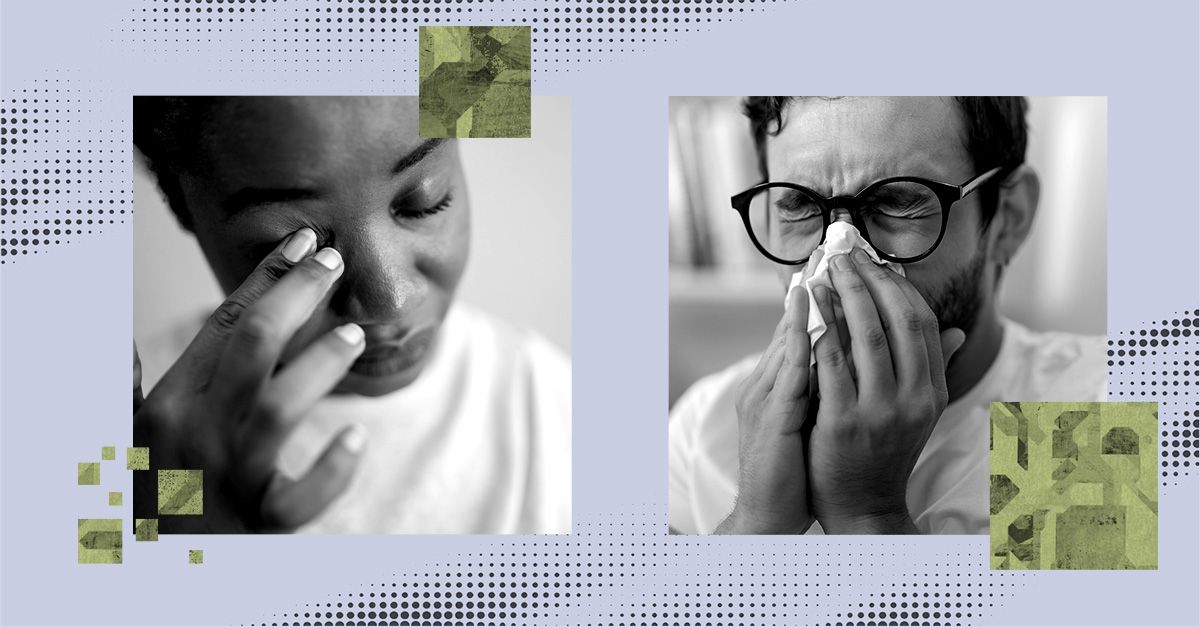
Allergy symptoms can be sneaky little drama queens. One minute you are enjoying a spring walk, a peanut butter cookie, or a new “hypoallergenic” lotion that promised to behave itself. The next minute your nose is running like it has somewhere important to be, your eyes are watering, your skin is itching, or your stomach is holding an emergency board meeting.
The good news is that many allergy symptoms are mild and manageable. The not-so-good news is that some allergic reactions can become serious very quickly. Knowing the difference between “annoying but manageable” and “call 911 now” is not just helpfulit can be lifesaving.
This guide breaks down the most common types of allergy symptoms, what they may feel like, what can trigger them, and when it is time to seek medical help. It is educational content and should not replace advice from a qualified healthcare professional, especially if symptoms are severe, new, worsening, or happening in a child.
What Are Allergy Symptoms?
Allergy symptoms happen when the immune system overreacts to a substance that is usually harmless to most people. That substance is called an allergen. Common allergens include pollen, dust mites, mold, pet dander, certain foods, insect venom, latex, and medications.
When the immune system identifies an allergen as a threat, it may release chemicals such as histamine. Histamine is useful when your body needs to defend itself, but during an allergic reaction it can act like an overenthusiastic security guard tackling the mailman. The result can be sneezing, itching, swelling, rashes, watery eyes, coughing, wheezing, vomiting, diarrhea, orin severe casesanaphylaxis.
Allergy symptoms vary depending on the allergen, how the body responds, and whether the reaction affects one area or multiple body systems. Some symptoms show up within minutes. Others develop hours later, especially with certain skin reactions or delayed food-related reactions.
Common Types of Allergy Symptoms
1. Seasonal and Environmental Allergy Symptoms
Seasonal allergies, often called hay fever or allergic rhinitis, are usually triggered by outdoor allergens such as tree pollen, grass pollen, weed pollen, or mold spores. Indoor allergens such as dust mites, pet dander, cockroach particles, and indoor mold can cause year-round symptoms.
Common environmental allergy symptoms include:
- Sneezing, often in repeated bursts
- Runny nose or nasal congestion
- Itchy nose, mouth, throat, or roof of the mouth
- Watery, red, or itchy eyes
- Postnasal drip
- Coughing, especially at night
- Sinus pressure or headache
- Fatigue from poor sleep or constant congestion
One clue that symptoms may be allergy-related is itching. Colds can cause congestion and sneezing, but itchy eyes and an itchy nose are classic allergy suspects. Another clue is timing. If symptoms appear every spring, every fall, after cleaning a dusty room, or after visiting a friend with three cats and one very confident golden retriever, allergies may be the culprit.
2. Eye Allergy Symptoms
Eye allergies, also called allergic conjunctivitis, can make your eyes feel as if they are auditioning for a soap opera. They may water, itch, burn, or turn red. The eyelids may look puffy, and bright light may feel more irritating than usual.
Common triggers include pollen, pet dander, dust mites, mold, cosmetics, contact lens solutions, and smoke. Eye allergy symptoms usually affect both eyes, while an infection may begin in one eye and can include thicker discharge. If eye pain, vision changes, intense redness, or light sensitivity develops, it is best to seek medical care rather than assuming it is “just allergies.”
3. Skin Allergy Symptoms
Skin allergies can show up as hives, eczema flares, swelling, or contact dermatitis. Hives are raised, itchy welts that may appear suddenly and move around the body. Angioedema is deeper swelling, often around the lips, eyelids, face, hands, feet, or throat.
Contact dermatitis happens when the skin reacts after touching something irritating or allergenic. Common triggers include nickel, fragrances, preservatives, hair dye, latex, poison ivy, and certain ingredients in soaps or cosmetics. The rash may be red, itchy, dry, cracked, blistered, or swollen. Unlike a viral rash, allergic contact dermatitis is not contagious, though it can absolutely make you want to cancel all plans and wear only soft pajamas.
Seek medical advice if a rash spreads quickly, becomes painful, oozes pus, is accompanied by fever, affects the eyes or genitals, or does not improve after avoiding the suspected trigger.
4. Food Allergy Symptoms
Food allergies occur when the immune system reacts to a food protein. Symptoms often appear within minutes to two hours after eating, though timing can vary. Food allergy symptoms can be mild, moderate, or severe.
Common food allergy symptoms include:
- Tingling or itching in the mouth
- Swelling of the lips, tongue, face, or throat
- Hives, rash, flushing, or itching
- Stomach cramps, nausea, vomiting, or diarrhea
- Coughing, wheezing, chest tightness, or trouble breathing
- Dizziness, fainting, or a feeling of weakness
In the United States, the major food allergens recognized for labeling include milk, eggs, fish, crustacean shellfish, tree nuts, peanuts, wheat, soybeans, and sesame. Food intolerance is different from food allergy. Lactose intolerance, for example, can cause bloating and diarrhea, but it does not involve the same immune response and usually does not cause anaphylaxis.
If food allergy is suspected, avoid guessing your way through it with internet experiments and a brave fork. A healthcare professional or allergist can help with testing, diagnosis, and an emergency plan if needed.
5. Drug Allergy Symptoms
Drug allergies can happen with prescription medications, over-the-counter medicines, or herbal products. Common symptoms include rash, hives, itching, fever, swelling, wheezing, and, rarely, anaphylaxis. Some medication side effects are not true allergies, but they can still be unpleasant or dangerous. For example, nausea from a medicine may be a side effect, while hives and throat swelling suggest an allergic reaction.
Never restart a medication that caused serious symptoms unless a healthcare professional has evaluated the reaction. If you develop trouble breathing, swelling of the face or throat, dizziness, or widespread hives after taking a medication, seek emergency care.
6. Insect Sting Allergy Symptoms
Most insect stings cause local pain, redness, swelling, and itching. That is uncomfortable, but not always an allergy. A true allergic reaction may cause symptoms beyond the sting site, such as hives, facial swelling, wheezing, nausea, dizziness, or fainting.
Stings from bees, wasps, hornets, yellow jackets, and fire ants can trigger severe allergic reactions in some people. Anyone who has had a systemic reaction to an insect sting should talk with an allergist. Venom immunotherapy may be recommended for certain patients to reduce the risk of future severe reactions.
7. Latex Allergy Symptoms
Latex allergy can occur after contact with natural rubber latex found in some gloves, balloons, medical supplies, and household items. Symptoms may include itching, rash, hives, sneezing, runny nose, wheezing, chest tightness, or anaphylaxis. People with repeated latex exposure, such as healthcare workers or patients who have had multiple surgeries, may be at higher risk.
If latex causes breathing symptoms, swelling, or widespread hives, medical evaluation is important. Latex can also cross-react with certain foods, such as banana, avocado, kiwi, and chestnut, in some people.
8. Allergy-Related Asthma Symptoms
Allergies and asthma often travel together like two mischievous cousins. Allergens such as pollen, mold, dust mites, and pet dander can trigger asthma symptoms in sensitive people. Allergy-related asthma may cause coughing, wheezing, shortness of breath, chest tightness, or trouble sleeping because of breathing problems.
Asthma symptoms should always be taken seriously. Seek urgent help if breathing becomes difficult, lips or fingernails look bluish or gray, quick-relief medication is not helping, or speaking full sentences becomes hard. Asthma attacks can be dangerous, and “waiting it out” is not a heroic strategy.
What Is Anaphylaxis?
Anaphylaxis is a severe, potentially life-threatening allergic reaction. It can happen within minutes after exposure to a trigger, though it may sometimes develop later. Common triggers include foods, medications, insect stings, and latex.
Anaphylaxis may affect several body systems at once. Warning signs include:
- Trouble breathing, wheezing, or throat tightness
- Swelling of the lips, tongue, face, or throat
- Widespread hives, flushing, or severe itching
- Chest tightness or trouble swallowing
- Vomiting, diarrhea, or severe stomach cramps
- Dizziness, fainting, confusion, or sudden weakness
- Rapid or weak pulse
- A feeling of doom, panic, or something being seriously wrong
If anaphylaxis is suspected, use epinephrine immediately if it has been prescribed, call 911, and go to the emergency room. Do not rely on antihistamines alone for severe symptoms. Even if symptoms improve after epinephrine, emergency evaluation is still needed because symptoms can return.
When to Seek Help for Allergy Symptoms
Call 911 or Go to the Emergency Room Immediately
Seek emergency care if allergy symptoms include trouble breathing, throat tightness, swelling of the tongue or throat, chest pain, widespread hives with dizziness, fainting, confusion, blue or gray lips, severe vomiting after allergen exposure, or symptoms involving more than one body system after exposure to a known allergen.
Emergency care is also needed if a person uses epinephrine for an allergic reaction. Epinephrine works quickly, but monitoring is important because a second wave of symptoms can occur.
Seek Same-Day Medical Advice
Contact a healthcare provider promptly if symptoms are new, worsening, or concerning but not immediately life-threatening. Examples include facial swelling without breathing trouble, hives that keep returning, a rash with fever, wheezing that improves but does not fully resolve, vomiting after eating a suspected allergen, or a medication reaction.
Schedule an Appointment With an Allergist
An allergist can help when symptoms happen repeatedly, interfere with sleep or work, require frequent medication, or remain mysterious despite your best detective work. You should also consider an allergy evaluation if you suspect food allergy, have asthma triggered by allergens, experience severe seasonal allergies, or have had a reaction to an insect sting.
Testing may include a detailed medical history, physical exam, skin prick testing, blood testing for allergen-specific antibodies, patch testing for contact dermatitis, or supervised food challenges in carefully selected cases. Testing should be guided by symptoms, not random curiosity. A giant panel of tests without a clear reason can produce confusing results and unnecessary food avoidance.
How Allergy Symptoms Are Managed
Allergy management usually starts with identifying and reducing exposure to triggers. For pollen allergies, that may mean checking pollen counts, keeping windows closed on high-pollen days, showering after outdoor activities, and using air conditioning when possible. For dust mites, it may include washing bedding in hot water, using allergen-proof mattress covers, and reducing indoor humidity. For food allergies, careful label reading and cross-contact prevention are essential.
Medications can help control many allergy symptoms. Antihistamines may reduce sneezing, itching, and hives. Nasal corticosteroid sprays are often helpful for allergic rhinitis. Decongestants may relieve short-term congestion but are not right for everyone, especially people with certain heart or blood pressure conditions. Eye drops may help allergic conjunctivitis. People with asthma may need inhalers or other controller medications.
Immunotherapy, such as allergy shots or certain under-the-tongue tablets, may be recommended for some environmental allergies or insect venom allergies. It works by gradually training the immune system to become less reactive. It is not a quick fix, but for the right person, it can be a powerful long-term tool.
How to Tell Allergies From a Cold
Allergies and colds can look alike, which is unfair because nobody asked for a medical guessing game before breakfast. Allergies often cause itching, clear nasal drainage, sneezing, and watery eyes. They may last as long as exposure continues. Colds are caused by viruses and may include sore throat, body aches, thicker mucus, mild fever, and symptoms that usually improve within a week or so.
Fever is not typical of allergies. If you have fever, chills, body aches, or a sudden severe sore throat, consider infection rather than allergies. When in doubt, especially with children, older adults, pregnant people, or people with chronic illness, ask a healthcare professional.
Practical Tips for Tracking Allergy Symptoms
A symptom diary can make allergy care much easier. Write down when symptoms happen, what you ate, where you were, what season it was, whether pets were nearby, what medication you took, and how long symptoms lasted. Photos of rashes can also help because skin has a rude habit of looking perfectly normal by the time you reach the clinic.
For suspected food reactions, record ingredients, brands, restaurant meals, sauces, and timing. For seasonal allergies, note pollen counts, outdoor activities, and weather changes. For skin reactions, list new soaps, cosmetics, detergents, jewelry, gloves, plants, or workplace exposures. Patterns often become clearer once they are written down.
Conclusion
Allergy symptoms can range from mildly annoying to life-threatening. Sneezing, itchy eyes, congestion, rashes, hives, stomach upset, swelling, wheezing, and breathing trouble all belong on the allergy symptom map, but they do not all require the same response. Mild seasonal symptoms may improve with avoidance strategies and over-the-counter treatments, while food reactions, medication reactions, asthma symptoms, and signs of anaphylaxis deserve more caution.
The most important rule is simple: breathing problems, throat swelling, faintness, widespread hives with systemic symptoms, or a fast-moving reaction after allergen exposure should be treated as an emergency. For recurring or unclear symptoms, an allergist can help identify triggers and create a plan that is safer than guessing. Allergies may be common, but they are not one-size-fits-all. Your nose, skin, lungs, stomach, and immune system all deserve a plan that makes sense.
Real-Life Experiences With Allergy Symptoms
For many people, allergy symptoms are not dramatic at first. They are small interruptions that slowly become part of daily life. Someone with seasonal allergies may start by blaming “a dusty room” or “bad sleep” every spring. Then the sneezing becomes a morning ritual, the car dashboard collects tissues, and the eyes begin to itch the moment the weather turns beautiful. It can feel unfair. The first perfect picnic day of the year arrives, and your immune system responds as if oak pollen personally insulted your ancestors.
Environmental allergies often affect routines in ways outsiders may not notice. A person may avoid jogging at sunrise because pollen counts are higher. Another may love dogs but need antihistamines before visiting a home with pets. Someone else may vacuum constantly, wash bedding every week, and still wake up congested because dust mites are tiny, stubborn roommates who do not pay rent. These experiences can be frustrating because allergy symptoms are invisible until they are not. Watery eyes, a red nose, and a cough during a meeting can make people worry they look sick, even when the cause is not contagious.
Food allergy experiences can feel even more complicated. Eating is social, emotional, and everywhere. A child with a peanut allergy may feel nervous at birthday parties. An adult with shellfish allergy may have to ask detailed restaurant questions while trying not to sound like a detective interrogating the waiter. People with severe food allergies often learn to read labels with the focus of a tax auditor. They check sauces, seasonings, shared fryers, bakery cases, and “may contain” statements. This can be tiring, but it is also empowering. Preparedness turns fear into a plan.
Skin allergies have their own personality. A new watchband, perfume, laundry detergent, or “natural” skincare product can trigger itching and rashes days after exposure. That delay makes the cause hard to identify. People often blame lunch, stress, weather, or fate before realizing the problem was a nickel button or a fragrance in body lotion. The experience can be maddening because the skin keeps receipts but does not always label them clearly.
The scariest allergy experiences usually involve breathing symptoms, swelling, dizziness, or anaphylaxis. People who have had a severe reaction often describe how quickly things changed. A few hives became throat tightness. Mild nausea became vomiting and weakness. A normal meal became an emergency. Afterward, many become more careful about carrying epinephrine, teaching friends and family what to do, and following up with an allergist. That caution is not overreacting. It is smart risk management.
Living with allergies is not about panic. It is about pattern recognition, preparation, and knowing when symptoms deserve help. With the right diagnosis and plan, many people return to hiking, eating out, traveling, working, parenting, exercising, and living normallyjust with better labels, cleaner pillow covers, and maybe a heroic supply of tissues.