Becoming a master electrician is not a weekend hobby, a “watch three videos and buy a voltage tester” situation, or something your uncle can certify after you successfully replace a light switch. It is a serious skilled-trade career path built on education, supervised experience, licensing exams, safety judgment, code knowledge, and enough patience to read electrical diagrams without dramatically sighing every five minutes.
A master electrician is usually the experienced professional who can supervise other electricians, plan electrical systems, interpret the National Electrical Code, manage permits, inspect work quality, troubleshoot complex problems, and, in many places, qualify an electrical contracting business. The exact definition changes by state, city, and licensing board, but the big idea is the same: a master electrician is trusted to know not only how electricity works, but also how to keep people, buildings, tools, and bank accounts from catching fire.
This guide explains how to become a master electrician in 12 practical steps. It is written for future electricians in the United States, but because licensing rules vary, always confirm the details with your state or local electrical licensing board before applying.
What Is a Master Electrician?
A master electrician is an advanced licensed electrician with significant field experience and proven knowledge of electrical installation, maintenance, repair, safety rules, electrical theory, local regulations, and code compliance. In many jurisdictions, master electricians can supervise apprentices and journeypersons, pull permits, sign off on electrical work, and operate or qualify an electrical contracting business.
The title matters because electrical work is high-risk. A loose connection, overloaded circuit, missing bonding jumper, or badly planned service upgrade can create shock, fire, or equipment failure hazards. The master electrician’s job is to prevent those “well, that’s not supposed to smoke” moments before they happen.
How Long Does It Take to Become a Master Electrician?
For most people, the path takes about seven to ten years. A typical route includes four to five years as an apprentice, time working as a licensed journeyman electrician, and then additional experience before qualifying for the master electrician exam. Some states require a specific number of work hours, while others require a certain number of years in the trade. For example, Texas requires master electrician applicants to have held a journeyman electrician license for at least two years and document 12,000 hours of on-the-job training under a licensed master electrician. Other states and cities use different formulas.
The good news? You usually earn wages while training. Apprenticeships are designed around paid work and classroom instruction, so instead of piling up debt, you build experience, skill, and a tool collection that mysteriously becomes heavier every year.
Step 1: Finish High School or Earn a GED
The first step to becoming a master electrician is completing high school or earning an equivalent credential such as a GED. Electrical work depends heavily on math, reading comprehension, mechanical reasoning, and problem-solving. Algebra, geometry, physics, blueprint reading, shop classes, and computer technology can all help you later.
You do not need to be a math wizard who dreams in fractions, but you should be comfortable calculating loads, measuring conduit runs, reading tables, understanding Ohm’s law, and following technical instructions. If math has not been your best friend, make peace now. It will show up at the job site wearing a hard hat.
Step 2: Research Your State and Local Licensing Rules
Electrician licensing in the United States is not one-size-fits-all. Some states license electricians at the state level, some rely heavily on cities or counties, and some use different categories such as residential electrician, journeyman electrician, master electrician, electrical administrator, or electrical contractor.
Before you enroll in a school or apprenticeship, check your state licensing board. Look for answers to these questions:
- Does your state issue a master electrician license?
- How many supervised work hours are required?
- Is a journeyman license required first?
- Which exams must you pass?
- Does your city or county require extra registration?
- How often must the license be renewed?
- Is continuing education required?
This step is not glamorous, but it saves time. Licensing boards are not impressed by “I thought the internet said so.” They prefer documented hours, official forms, exam scores, and fees paid on time.
Step 3: Build a Basic Electrical Foundation
Some future electricians go straight into an apprenticeship. Others attend a trade school, technical college, or pre-apprenticeship program first. Both routes can work. A classroom program may introduce electrical theory, safety practices, wiring methods, circuitry, blueprint reading, motors, transformers, and the National Electrical Code.
Technical training can make you more competitive when applying for apprenticeships. It can also help you discover whether the trade fits you before you commit to several years of training. If you enjoy hands-on work, problem-solving, tools, construction environments, and learning how buildings actually function behind the walls, electrical work may be a strong match.
Step 4: Apply for an Electrical Apprenticeship
An apprenticeship is the main doorway into the electrical trade. Registered apprenticeship programs combine paid on-the-job training with classroom instruction. Programs may be sponsored by unions, contractor associations, employers, government partners, community colleges, or training organizations.
To apply, you may need to meet minimum age requirements, submit transcripts, pass an aptitude test, complete an interview, show proof of a driver’s license, and demonstrate basic math ability. Some programs are competitive, so treat the application like a job interview, not like you are signing up for a gym membership you may or may not use.
Common apprenticeship sponsors include:
- Local union-management apprenticeship committees
- Independent electrical contractor associations
- Merit-shop training programs
- Electrical contractors with approved training programs
- Community college and employer partnerships
Step 5: Complete On-the-Job Training Hours
Most electrical apprenticeships last four to five years. During that time, apprentices commonly receive around 2,000 hours of paid on-the-job training per year. In many licensing systems, the total supervised experience requirement is around 8,000 hours for journeyman-level eligibility, though the exact number varies by state and license category.
On the job, you learn how to install boxes, bend conduit, pull wire, terminate panels, read plans, troubleshoot circuits, install lighting systems, work with grounding and bonding, follow lockout/tagout practices, and communicate with supervisors, inspectors, and other trades. You also learn job-site wisdom, such as why labeling circuits is a love letter to your future self.
Step 6: Take Classroom Instruction Seriously
Apprenticeship classroom training is not just a formality. It is where you connect the “how” of field work with the “why” of electrical theory and code. Topics often include electrical math, circuitry, motors, transformers, safety, first aid, blueprint reading, load calculations, grounding and bonding, wiring methods, and code navigation.
Many apprentices discover that the field and classroom support each other. A confusing code rule may suddenly make sense after you see a real installation. A job-site problem may become easier after studying theory. The best future master electricians do not treat class as a nap opportunity with fluorescent lighting. They ask questions, keep notes, and learn how to look up answers accurately.
Step 7: Learn the National Electrical Code and Local Codes
The National Electrical Code, often called the NEC, is the major safety standard for electrical installation in the United States. States and local jurisdictions adopt and enforce electrical codes, sometimes with amendments. Electricians must also follow local building rules, permit requirements, inspection procedures, and utility standards.
Master electrician exams commonly test NEC knowledge, electrical calculations, installation requirements, grounding and bonding, services, feeders, branch circuits, motors, overcurrent protection, special equipment, and local rules. Do not try to memorize every page like a heroic but exhausted robot. Learn how the code is organized, how to use the index, how to read tables, and how to apply rules to real scenarios.
Step 8: Become a Licensed Journeyman Electrician
After completing required training, many electricians apply for a journeyman electrician license or certification. A journeyman electrician can usually work independently, though rules vary by state. The journeyman exam generally tests electrical theory, safety practices, state and local regulations, and NEC-based installation standards.
This stage is important because the master electrician license is usually not an entry-level credential. In many places, you must first prove that you can work competently as a journeyman. Think of it as the trade’s way of saying, “Excellent, you can wire the building. Now prove you can lead the crew, read the plans, handle inspections, and not panic when the owner changes the scope at 4:45 p.m.”
Step 9: Gain Advanced Field and Supervisory Experience
Once you are licensed as a journeyman, focus on becoming excellent, not merely employed. Master-level candidates need broad experience. Residential service calls are useful, but so are commercial build-outs, industrial systems, service upgrades, motor controls, lighting controls, emergency systems, generators, solar installations, fire alarm coordination, and troubleshooting.
Look for chances to supervise apprentices, coordinate with inspectors, plan material lists, review drawings, estimate labor, and solve complex problems. Keep records of your work hours, supervisors, license numbers, project types, and dates. When it is time to apply for the master electrician exam, documentation matters. “I worked a lot” is not as persuasive as signed verification forms.
Step 10: Prepare for the Master Electrician Exam
The master electrician exam is usually more advanced than the journeyman exam. It may include code questions, electrical calculations, business rules, safety standards, plan reading, service sizing, conductor sizing, box fill, voltage drop, motors, transformers, grounding, bonding, and local amendments. Some cities, such as New York City, require both written and practical exams for certain electrical licenses.
Good preparation includes:
- Reading the candidate bulletin from the testing provider
- Confirming which NEC edition is used
- Practicing code lookup under timed conditions
- Reviewing calculations until they feel routine
- Studying local amendments and licensing laws
- Taking a reputable exam prep course if needed
The exam is not designed to test whether you can guess. It tests whether you can find correct answers, apply safe methods, and make code-based decisions under pressure. In other words, it is less “trivia night” and more “please keep the building from becoming a toaster.”
Step 11: Apply for the Master Electrician License
After meeting experience and exam requirements, submit your master electrician license application to the appropriate board. Expect to provide personal information, employment history, proof of supervised experience, copies of existing licenses, exam results, application fees, and sometimes background information or insurance documents.
Some jurisdictions require a master electrician to be connected to a business before pulling permits or contracting with the public. Others separate the individual master license from an electrical contractor license. Read the instructions carefully. Missing one form can delay approval, and licensing offices are rarely moved by dramatic background music.
Step 12: Maintain Your License and Keep Growing
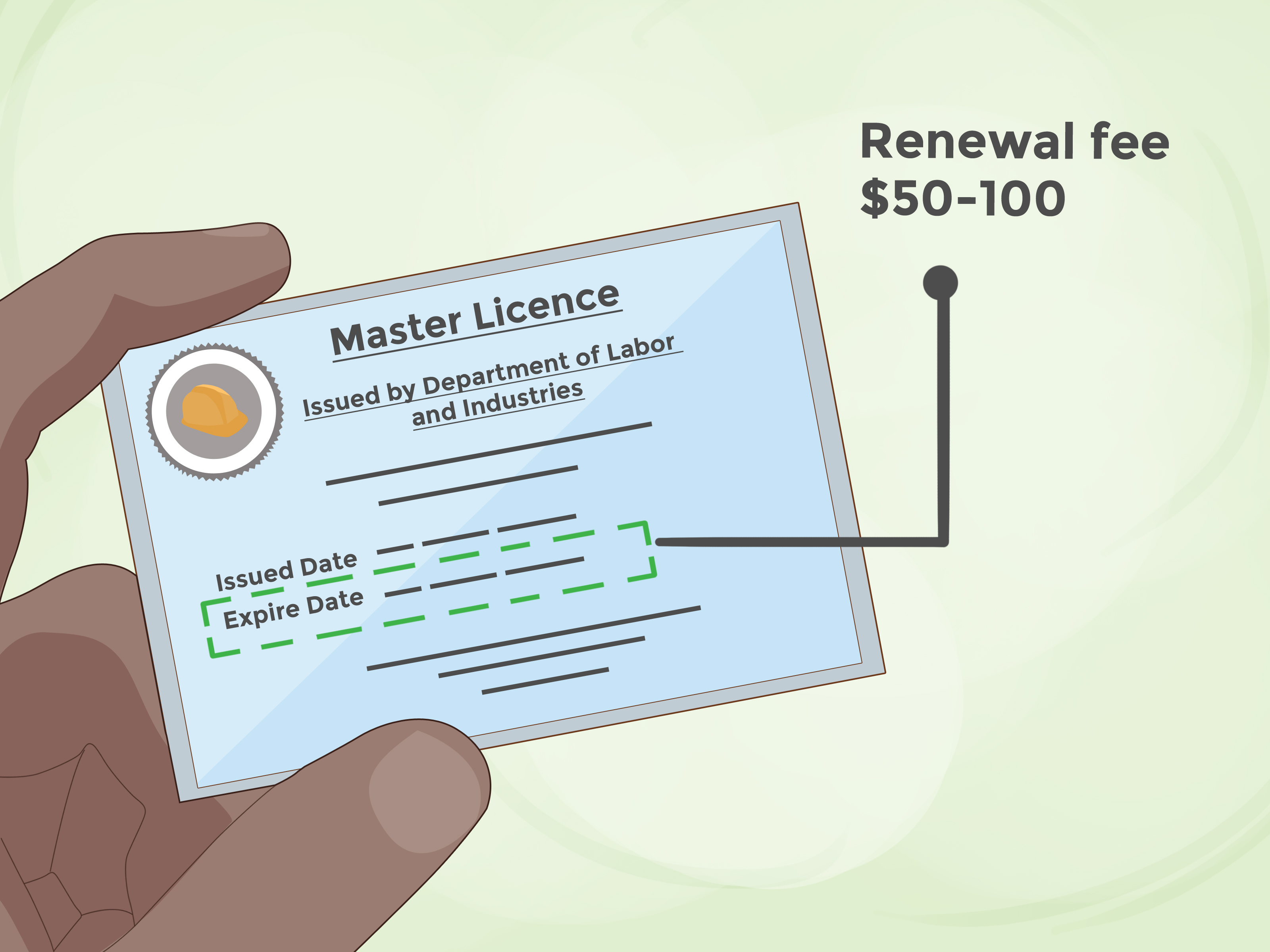
Getting the license is not the end of the journey. Codes change, technology changes, products change, and customers continue to invent creative ways to overload circuits. Many states require license renewal and continuing education. Courses may cover code updates, safety, grounding and bonding, energy systems, manufacturer training, or specialty installations.
Master electricians can build strong careers in electrical contracting, project management, inspection, estimating, industrial maintenance, renewable energy, teaching, facilities management, or business ownership. The license gives you authority, but your reputation comes from safe work, honest communication, clean installations, accurate documentation, and the ability to explain a panel schedule without sounding like a haunted calculator.
Skills Every Future Master Electrician Needs
Technical Skill
You need a strong command of electrical theory, tools, testing equipment, wiring methods, code requirements, diagrams, and installation practices. A master electrician must understand both the physical work and the reasoning behind it.
Safety Judgment
Electrical hazards can include shock, burns, falls, arc flash, fire, and explosions. Safe work habits are not optional. They are the foundation of the trade.
Leadership
Master electricians often supervise teams. That means giving clear instructions, checking work, training apprentices, coordinating schedules, and correcting mistakes before they become expensive.
Business Awareness
If you plan to run an electrical business, learn estimating, bidding, insurance, customer service, contracts, permits, scheduling, inventory, payroll, and taxes. The wire may be copper, but the paperwork is pure steel.
Real-World Experience: What the Path Feels Like
The journey to becoming a master electrician is not just a checklist. It is a long apprenticeship in patience, precision, humility, and problem-solving. In the first year, many apprentices spend plenty of time carrying material, drilling holes, organizing parts, sweeping, listening, and trying to remember the difference between every connector in the truck. That may not feel heroic, but it builds job-site awareness. You learn how work flows, how crews communicate, and how small mistakes slow everyone down.
By the second and third years, the work starts to click. You may bend conduit that actually lands where it should. You may wire devices without needing someone to hover over your shoulder. You begin reading plans and recognizing when something on paper does not match reality. This is also when good mentors matter. A strong journeyman or master electrician will explain not only what to do, but why it matters. A poor mentor may only bark orders. Learn from both: one teaches technique, the other teaches how not to lead.
Later, as a journeyman, the pressure increases. You are expected to work independently, make decisions, troubleshoot, and keep apprentices productive. A service call may begin as “one outlet does not work” and turn into a mystery involving a hidden junction box, a mislabeled panel, and a homeowner who insists their cousin “fixed it once.” Commercial jobs bring their own lessons: coordination with plumbers, HVAC crews, drywall installers, inspectors, general contractors, and schedules that sometimes seem written by a caffeinated raccoon.
Preparing for the master electrician exam is a different kind of challenge. Field experience helps, but the exam rewards organized study. Many excellent electricians underestimate the test because they are great in the field. The smartest candidates practice calculations, tab their code books if allowed, read every instruction, and learn to manage time. Confidence is useful; overconfidence is how people donate exam fees twice.
Once licensed as a master electrician, the work becomes broader. You may review plans, estimate jobs, supervise crews, meet inspectors, handle customer concerns, order materials, train apprentices, and protect the company’s license. The best master electricians are calm under pressure. They know when to move fast and when to stop, check the code, test the circuit, or call the inspector. They also understand that leadership is not just knowing more than everyone else. It is helping the whole crew do safer, cleaner, smarter work.
One of the biggest lessons from the trade is that mastery is not a finish line. New products, code cycles, renewable energy systems, EV chargers, smart panels, battery storage, lighting controls, and energy-efficiency requirements continue to reshape electrical work. The master electrician who keeps learning stays valuable. The one who says, “We have always done it this way,” may eventually be outsmarted by a teenager with a code update and a tablet.
Common Mistakes to Avoid
- Ignoring local licensing rules: Requirements can change by state, city, and license type.
- Failing to document hours: Keep records from the beginning, not five years later when memory becomes foggy.
- Only studying what you already know: Exams love weak spots.
- Skipping safety habits: Shortcuts can be dangerous, expensive, and career-ending.
- Neglecting communication: Technical skill matters, but so does explaining issues clearly to customers, inspectors, and crews.
Conclusion
Becoming a master electrician takes years of training, thousands of supervised work hours, licensing exams, code study, and real-world experience. It is not the fastest career path, but it can be one of the most rewarding for people who like hands-on work, technical problem-solving, steady demand, and the satisfaction of making buildings safer and more functional.
Start with your education, research your licensing board, enter a strong apprenticeship, become a skilled journeyman, document your experience, study the code, pass the master exam, and keep learning after the license arrives. The title “master electrician” is earned one safe installation, one solved problem, and one carefully checked connection at a time.