Mice are tiny, fast, and weirdly talented at turning one innocent midnight snack into a full-blown household invasion. One minute you spot a few droppings behind the toaster. The next minute, something in the wall sounds like it is training for a tiny rodent marathon. That is usually when homeowners start wondering the big question: how do exterminators get rid of mice, and why does professional treatment work better than tossing a random trap under the sink and hoping for the best?
The short answer is that exterminators do not rely on one magic trick. Professional mouse control usually combines inspection, exclusion, trapping, and carefully controlled baiting or monitoring. In other words, pros do not just remove mice. They figure out why the mice got in, where they are hiding, how they are moving around the property, and what will keep them from coming back. That layered approach is why real pest control tends to outperform quick-fix DIY attempts.
In this guide, we will break down the 4 effective methods exterminators use to get rid of mice, explain what happens during a professional visit, and cover the common mistakes that let a mouse problem linger far longer than anyone wants. Spoiler: the mice are not paying rent, and professionals take that personally.
Why Professional Mouse Control Works Better Than Guesswork
When homeowners try to solve a mouse problem on their own, they often focus on the most visible part of the issue. They buy a couple of traps, set them in random places, catch one mouse, and declare victory. Unfortunately, mice are not usually lone adventurers. If there is food, water, shelter, and an easy way in, more mice will keep showing up.
Professional exterminators use a strategy often built around integrated pest management. That means they look at the whole picture: entry points, food sources, nesting areas, moisture problems, clutter, sanitation, and population size. Instead of treating the symptom, they attack the system that supports the infestation.
That is why a good exterminator visit often feels less like a dramatic movie showdown and more like a detailed investigation. There is a lot of checking behind appliances, inside cabinets, around foundations, near utility lines, in attics, garages, crawl spaces, and basements. The goal is to create a map of mouse activity, then shut it down methodically.
Method 1: Inspection and Mouse Activity Mapping
The first thing exterminators do is inspect the property. This step matters because mouse control without inspection is basically pest control blindfolded. A professional needs to know what type of rodent is present, how severe the infestation is, and where the mice are traveling, nesting, and feeding.
What exterminators look for during inspection
Professionals usually search for classic signs of mouse activity, including droppings, gnaw marks, greasy rub marks along walls, shredded nesting material, food damage, and scratching or scampering sounds. They also look for conditions that attract mice, such as pet food left out overnight, overflowing trash, pantry spills, birdseed storage, cluttered garages, cardboard piles, and leaks that provide water.
This step is also where exterminators identify the highest-risk zones in the home. Kitchens, utility rooms, laundry areas, attics, garages, and wall voids are frequent problem areas because they provide warmth, darkness, and convenient hiding spots. In commercial spaces, food storage areas, break rooms, loading docks, and utility penetrations are often hotspots.
Why this method is so effective
Inspection saves time and improves results. Instead of scattering traps everywhere like confetti at a bad party, exterminators place control measures exactly where mice are active. That precision helps them remove mice faster and reduces wasted effort.
Professional inspection also reveals whether the infestation is light, moderate, or severe. A couple of droppings in one cabinet may point to a limited issue. Widespread droppings, nesting material, and multiple activity zones suggest a larger population and a more aggressive treatment plan.
Method 2: Exclusion and Sealing Entry Points
If inspection is the detective work, exclusion is the part where exterminators slam the door in the mouse population’s face. Exclusion means sealing the cracks, holes, and gaps that mice use to enter the building. This is one of the most important parts of professional rodent control because removing mice without blocking access is like emptying a bathtub while the faucet is still running.
Where mice usually get in
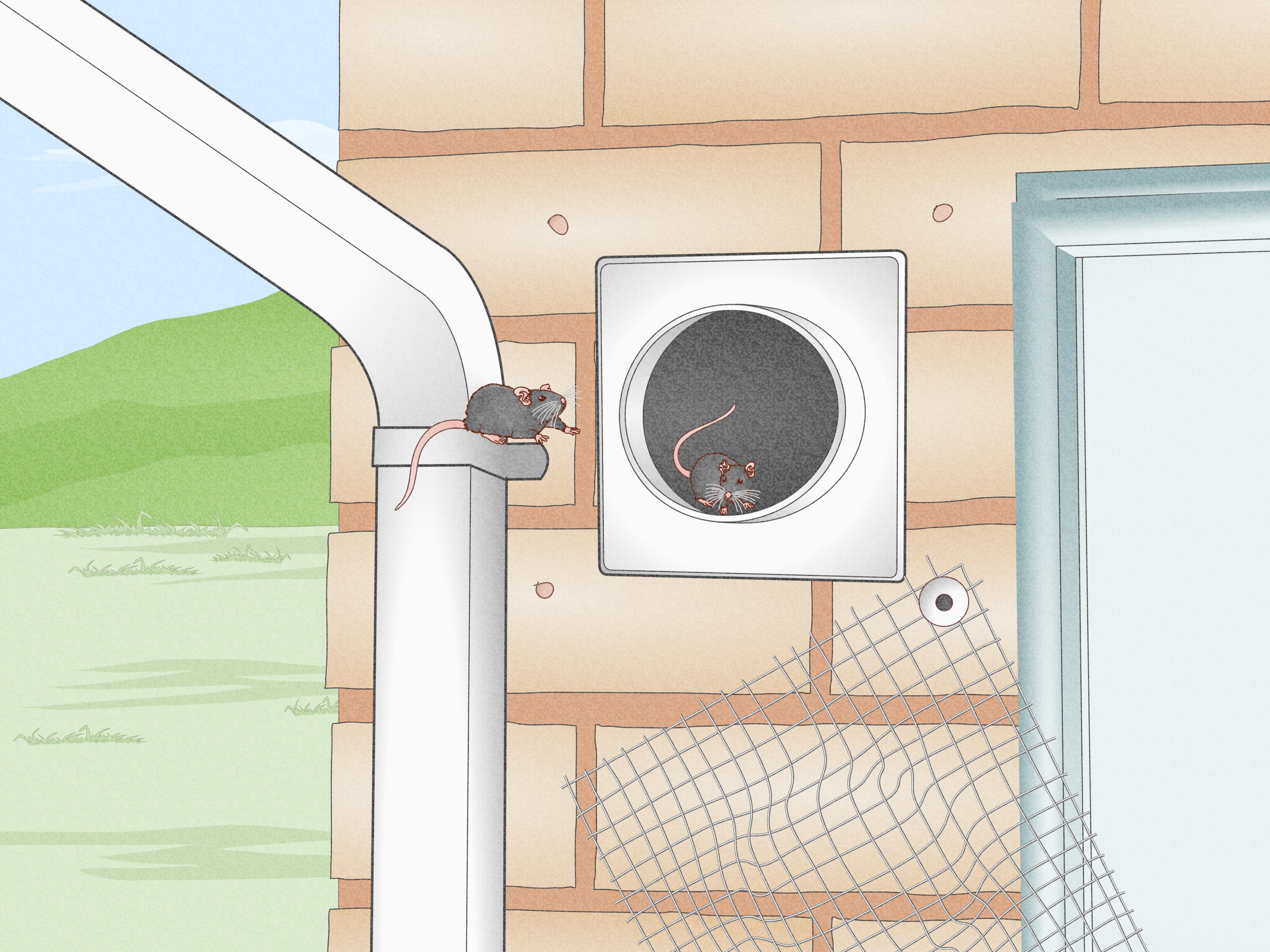
Mice do not need a grand entrance. They can slip through very small openings around pipes, vents, utility lines, siding gaps, damaged door sweeps, garage doors, rooflines, crawl-space vents, and foundation cracks. Exterminators pay close attention to corners, expansion joints, and any area where different building materials meet.
A seasoned technician knows that the outside of the house tells a story. Overgrown vegetation, stacked firewood, dense ground cover, clutter near the foundation, and open food sources can all make a structure more inviting. That is why exclusion often includes both sealing and environmental adjustments.
How professionals seal openings
Depending on the location and size of the gap, exterminators may use metal mesh, steel wool paired with sealant, concrete patch, hardware cloth, flashing, or other durable rodent-resistant materials. The key is that the repair must last. Soft materials alone can fail because mice are skilled chewers. They are small, but they are not polite.
Door sweeps may be replaced, weatherstripping may be repaired, and screens or vent covers may be reinforced. Outside, exterminators may recommend trimming back vegetation, moving stored items away from walls, and keeping food or animal feed in sealed containers.
Why exclusion changes everything
Sealing entry points turns short-term removal into long-term control. Even if traps remove the current mice, new mice can move in quickly if openings stay available. Exclusion reduces that cycle. It is often the difference between “we solved it” and “why do I hear tiny footsteps again?”
Method 3: Strategic Trapping and Population Reduction
Once exterminators know where mice are active and how they are getting around, they focus on reducing the population already inside. This is where trapping comes in. Many professionals prefer traps as a frontline control method, especially indoors, because traps provide immediate feedback. If a trap catches a mouse, the technician knows activity is present. If activity slows, they know the plan is working.
How exterminators place traps
Professionals do not place traps randomly in the middle of open floors where mice will stroll by and laugh. They place traps along walls, behind appliances, near droppings, beside runways, and in dark, sheltered areas where mice naturally travel. Mice tend to move close to vertical surfaces, so placement matters a lot.
Exterminators may use multiple traps in a concentrated area rather than relying on one heroic trap to do all the work. In heavier infestations, a higher trap density often improves results. They also return to inspect, reset, and reposition traps based on what the activity patterns show over time.
Types of traps professionals may use
Depending on the situation, exterminators may use snap traps, enclosed traps, multiple-catch devices, or specialized commercial trapping systems. The choice depends on the layout, the severity of the infestation, the presence of children or pets, and whether the treatment is residential or commercial.
Glue boards may sometimes be used for monitoring in certain environments, but many professionals prefer methods that provide more reliable population reduction. The bigger point is that professionals match the tool to the setting instead of using one method everywhere.
Why trapping is effective
Trapping removes active mice quickly, helps confirm where movement is happening, and supports ongoing monitoring. It also allows exterminators to track progress from visit to visit. That is one reason professionals often describe rodent work as a process rather than a one-time event. The goal is not just catching a mouse. The goal is ending the infestation.
Method 4: Controlled Baiting, Sanitation Advice, and Follow-Up Monitoring
People often assume exterminators walk in carrying a sack labeled “mystery poison” and sprinkle it around like a cartoon villain. In reality, professional baiting is much more controlled than that. When rodenticides are used, they are typically placed in secure, tamper-resistant bait stations and used as part of a broader treatment plan, not as a lazy shortcut.
When exterminators use bait stations
Baiting may be useful in areas where trapping alone is not enough, where activity is persistent, or where the structure and infestation pattern call for a more comprehensive control program. Outdoor perimeters, certain commercial sites, and hard-to-access areas may be candidates for carefully managed baiting.
Licensed professionals are trained to consider product labels, placement rules, non-target risks, and the safety of children and pets. That is a major reason why professional rodent control is different from careless consumer use. Good exterminators know that effective treatment should solve the mouse problem without creating a bigger problem for the people living there.
Why sanitation still matters
Even the best extermination plan works better when the environment becomes less inviting to mice. That is why professionals usually give sanitation and storage recommendations. These may include storing dry goods in sealed containers, cleaning crumbs and grease buildup, managing trash, fixing leaks, limiting clutter, and removing easy nesting materials.
Sanitation does not replace trapping or exclusion, but it reduces the food, water, and shelter that help mice thrive. Think of it as cutting off the rodent welcome package.
The importance of follow-up service
Follow-up is one of the biggest differences between professional service and a DIY attempt. Exterminators often return to inspect traps, measure activity, adjust placements, check bait stations, and verify that exclusion repairs are holding. If new evidence appears in a different area, the treatment plan can be updated quickly.
That ongoing monitoring is important because mouse behavior can shift. A few mice in the kitchen today may point to a nesting site in the garage, attic, or wall void tomorrow. Professionals track those patterns so the infestation does not simply relocate.
Common Reasons Mouse Problems Keep Coming Back
Even after treatment, some infestations return because the root causes were not fully addressed. One of the most common problems is incomplete exclusion. Homeowners may seal one visible hole but miss three more behind the water heater, under the siding, or around the utility line entering the home.
Another issue is poor trap placement. If traps are set where mice do not travel, results will be disappointing. Sanitation also matters more than many people think. Open cereal boxes, pet kibble bowls left overnight, birdseed bags in the garage, and cluttered storage areas all support ongoing activity.
Seasonal changes can also play a role. As outdoor temperatures drop, mice often move indoors looking for warmth and food. That is why fall and winter are especially common times for infestations to become noticeable.
When You Should Call a Professional Exterminator
You should strongly consider professional help if you are seeing droppings in multiple rooms, hearing movement in walls or ceilings, finding damaged food packaging, noticing strong rodent odors, or dealing with recurring activity after trying traps on your own. A professional is also a smart choice if you have children, pets, a larger property, a severe infestation, or possible contamination in hard-to-clean spaces.
Professional help may cost more up front than a bag of bargain traps, but it can save time, reduce frustration, and prevent repeat infestations. More importantly, it can reduce health and safety risks tied to rodent contamination and improper pesticide use.
Experiences From Real Mouse-Control Situations
In many homes, the first sign of a mouse problem is not dramatic. It is subtle. A homeowner opens a lower cabinet and spots a few black droppings near the back corner. They clean it up, set one trap, catch nothing, and assume the problem is gone. A week later, there are more droppings behind the stove and a package of rice in the pantry has been chewed open. When exterminators step into situations like this, they often discover that the kitchen is only the visible part of the story. The real issue may be a gap behind the dishwasher line, an opening around plumbing under the sink, or a nearby garage full of accessible food and clutter.
Another common experience involves people hearing scratching sounds at night and assuming they have one mouse in the wall. Professionals frequently find that the sound is happening because mice are using the wall void like a tiny highway between the garage, kitchen, and attic. Once the inspection starts, the pattern becomes clearer. There may be rub marks along a baseboard, droppings behind the washer, and nesting material in stored holiday boxes. In cases like this, the exterminator does not just chase noise. They map movement, close the structural gaps, and place traps where mice are actually traveling.
Apartment and townhouse situations can be even trickier. A resident may keep a spotless unit and still see signs of mice because rodents are entering from shared walls, utility penetrations, or neighboring spaces. Exterminators in these cases often focus on the specific unit first, but they may also recommend building-wide exclusion and sanitation improvements. That is an important reminder: a mouse problem is not always caused by poor housekeeping. Clean homes can still have rodent issues if the structure gives mice easy access.
Garages and storage rooms create a different type of experience. Professionals regularly find pet food, grass seed, birdseed, paper bags, cardboard boxes, and old fabric items stored together in ways that practically scream “mouse resort now open.” Homeowners are often surprised by how much activity can build in a garage long before a mouse appears in the kitchen. Exterminators usually respond by sealing entry points around the garage door and foundation, recommending sealed storage containers, and setting traps along the walls where the rodents are moving.
One of the most telling professional experiences is the repeat call after failed DIY control. The homeowner may have caught several mice over a month yet still sees new droppings. That usually means the traps were only reducing the population, not stopping the source. Once a professional seals the entry points and resets the control plan based on real activity zones, the situation often improves much more quickly. The lesson from these real-world situations is simple: the best mouse control is not about one product. It is about combining the right methods in the right order.
Conclusion
So, how do exterminators get rid of mice? They do it with a layered plan, not a lucky guess. First, they inspect the property and identify where the mice are living and traveling. Next, they seal entry points so new rodents cannot keep entering. Then they use strategic trapping to reduce the existing population. Finally, when needed, they use controlled baiting, sanitation guidance, and follow-up monitoring to finish the job and keep the problem from returning.
That is why professional mouse control is usually far more effective than a random DIY approach. It is systematic, targeted, and focused on prevention as much as removal. If mice have already moved in, the smartest strategy is to stop thinking like a shopper buying one trap and start thinking like an exterminator building a full plan.