Imagine a wood-burner-style stove with a real flame… minus the chimney, the soot, the ash, and the
annual “why does my living room smell like campfire regrets?” cleaning marathon. That’s the pitch of
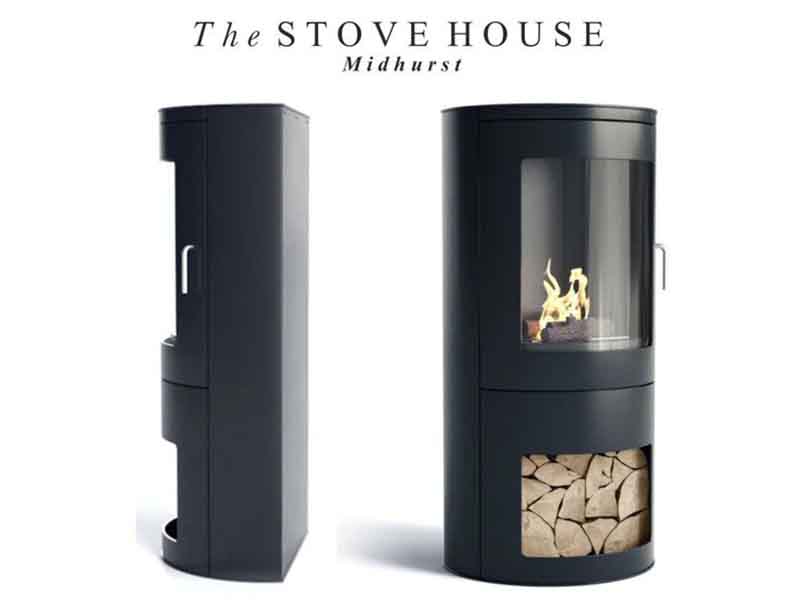
the Burford Bioethanol Modern Stove: a freestanding, modern-styled stove that runs on
bioethanol (an alcohol-based, plant-derived fuel) and is marketed as a “live fire” option
for homes where a traditional flue isn’t practical.
If you’ve seen it online, you’ve probably noticed the vibe: a classic stove silhouette, a big viewing window,
and the promise of warmth and atmosphere in places that would normally be fireplace-freeapartments,
additions, studios, and those “bonus rooms” that are basically glorified closets with ambition.
But here’s the part that matters: a bioethanol stove is still an open flame and still a
combustion appliance. It can be a smart design choice when used correctly and chosen carefully,
and it can be a bad idea when treated like a candle with a PhD. Let’s break down what the Burford style is,
how it works, what it’s good at, where it struggles, and the safety realities that marketing blurbs tend to
scoot past like a cat avoiding a vacuum.
What Is the Burford Bioethanol Modern Stove?
The Burford Bioethanol Modern Stove is typically described as a medium-sized, freestanding stove that produces
a real flame using liquid bioethanol fuel and does not require a chimney or flue. It’s marketed
for indoor spacesand sometimes for enclosed, nontraditional rooms like conservatories or small outbuildings
where a conventional wood or gas stove installation would be complicated or impossible.
In other words, it’s aiming to deliver the emotional benefits of a “real fire” (flicker, glow, ambience, and
the ability to stare into flames like you’re solving the mysteries of the universe) without the structural
commitments of venting and gas lines.
Why people consider it
- Design flexibility: no flue = more placement options.
- Low mess: no ash, no soot, no woodpile drama.
- Instant atmosphere: real flame looks different than electric.
- Supplemental warmth: a little heat where you want it, when you want it.
The key word there is supplemental. Ethanol units tend to provide “a little warmth,” not a
whole-home heating strategy. Think cozy corner, not “winter survival plan.”
How Bioethanol Works (Without the Chemistry Headache)
Bioethanol is an alcohol produced by fermenting plant sugars and starchesoften corn in the United States
and then processing it into fuel. It’s widely used in transportation fuel blends, but a refined form is also
sold for ethanol fireplaces and stoves.
When bioethanol burns efficiently, it produces primarily heat, carbon dioxide (CO₂), and water vapor.
That’s why it’s marketed as “clean-burning” compared with wood. No smoke does not automatically mean “no indoor
air considerations,” thoughbecause combustion in real life can be imperfect, and any flame consumes oxygen and
produces gases.
Bioethanol vs. the stuff you shouldn’t use
A safe ethanol appliance is designed for a specific fuel. It is not intended for random
substitute liquids (like rubbing alcohol) or DIY fuel experiments. Products that require pouring and igniting
pooled alcohol in open bowls have been the focus of serious safety warnings for flame jetting and flash-fire hazards.
Heat and Performance: What You Can Realistically Expect
Many ethanol stoves and burners are described as “high efficiency” because the heat they generate stays in the
room rather than going up a chimney. That sounds greatuntil you remember that chimneys also remove combustion
byproducts from the room. In a ventless setup, the tradeoff is simple: you keep more heat indoors, but you also
keep the combustion products indoors, too.
So… is it a heater or a vibe machine?
It’s both, but with limits. Ethanol units are typically best for:
- Taking the chill off a room during “shoulder seasons” (fall/spring)
- Adding localized warmth while you read, watch TV, or entertain
- Creating visual comfort in a fireplace-less space
They’re usually not ideal for:
- Heating large open-plan homes as a primary source
- Running for long periods in tight, poorly ventilated rooms
- People who want “set it and forget it” heating like central HVAC
How much heat is “a little warmth”?
Heat output varies by burner design and fuel consumption rate. As a rough real-world reference,
alcohol fuels used in fire features are often described in the low-thousands of BTUs per hour rather than the
tens-of-thousands you’d expect from many gas fireplaces. Translation: pleasant warmth nearby, not a furnace replacement.
Design and Placement: Why the Burford Style Is Popular
The Burford aesthetic is basically “classic stove, modern fuel.” It gives you that wood-burner silhouetteoften
matte black, a viewing window, and a compact footprintwithout the architectural remodel.
Where it tends to shine
- Apartments and condos: especially where venting is a nonstarter.
- Renovated basements: where adding a flue would be expensive or impossible.
- Studios and ADUs: where atmosphere matters and square footage is tight.
- Minimalist interiors: a single sculptural “hearth” anchors the room.
Placement rules that are not optional
Even though it’s often marketed as easy to place, you still need to treat it like a real fire:
stable surface, clear space around it, and distance from anything burnable (furniture, curtains, rugs, décor,
and the one throw blanket that always falls off the couch at the worst possible moment).
Safety and Indoor Air Quality: The Part You Should Read Twice
Let’s keep this simple: combustion indoors can create indoor air risksespecially if the room is small,
the appliance is misused, or ventilation is poor. Carbon monoxide (CO) is a major concern with many fuel-burning devices.
CO is colorless and odorless, and high exposure can cause serious illness or death.
“Ventless” doesn’t mean “ventilation never matters”
Ethanol appliances are often sold as ventless because they don’t require a dedicated vent pipe. But basic fresh-air
exchange still matters for comfort and safety in many homes. Fire-safety educators often suggest cracking a window
for a fresh supply of air when using portable ethanol burning fireplaces.
Adult-use expectations
Safety guidance for portable ethanol burning fireplaces typically emphasizes that the appliance and fuel should be used
only by adults, that an adult should always be present while it’s burning, and that you should never move it
while lit or hot.
Fuel handling is where accidents happen
A consistent theme in safety warnings around alcohol-fueled fire products is the risk that a small flame can be hard to see
and can ignite fuel as it’s being pouredleading to flash fires or flame jetting. This is one reason U.S. regulators have
warned against certain alcohol-burning tabletop fire pits and have issued recalls involving bioethanol fuel containers that
lacked flame mitigation devices.
Practical safety checklist (high-level, not “how-to”)
- Follow the manufacturer’s instructions exactly (fuel type, max fill, operation, shutdown).
- Keep clearances from combustibles and keep it on a stable, non-tippy surface.
- Never add fuel to a flame or a hot unit; wait until fully cooled per guidance.
- Use appropriate fuel containers designed with safety features; avoid questionable bottles or “DIY” containers.
- Consider CO alarms in the home and keep them maintained.
- Don’t treat it as overnight heat; extinguish before sleep or leaving the room.
- Keep kids and pets away and store fuel secured and out of reach.
If anyone in the home has respiratory conditions, cardiovascular risk, or you’re dealing with a very tight building envelope
(some modern construction and passive-house-like designs), it’s smart to think extra carefully about indoor air quality and
talk to a qualified professional about what’s appropriate for your space.
Fuel Facts: What “Bioethanol” Really Means
“Bioethanol” sounds like it was invented by a forest elf with a degree in sustainabilityand to be fair, it is renewable in
the sense that it’s derived from biological materials. In the U.S., much ethanol is produced from plant starches and sugars
(especially corn), using fermentation processes.
Is it eco-friendly?
It can be lower in lifecycle greenhouse gas emissions than petroleum fuels depending on feedstock and production methods,
but lifecycle outcomes vary. For a home stove, the bigger day-to-day “green” advantage most people notice is local: no chimney smoke,
no ash disposal, and generally less particulate mess than burning wood indoors.
Cost reality
Ethanol fireplaces often have lower upfront installation costs because there’s no venting or gas line work. But the fuel itself can
be more expensive over time than natural gas or a wood cordespecially if you run it frequently. Many homeowners treat ethanol as an
“occasion” fire rather than an all-night habit.
Maintenance: Refreshingly Boring (In a Good Way)
Compared with wood-burning stoves, ethanol stoves are low-maintenance. There’s no chimney sweeping, no creosote management, and no ash
bucket that somehow always gets knocked over at least once in its lifetime.
What you do have is:
- Surface cleaning: dust, fingerprints, and occasional smudges.
- Glass care: if your unit has a glass panel, keep it clean so the flame stays crisp and visible.
- Regular inspection: check for wear, damage, or anything that looks “off” before use.
If the stove is used often, it’s worth treating it like any other appliance: don’t ignore quirks, and don’t “make it work” with
improvised parts or fuel.
Buying Checklist: How to Shop Smarter Than Your Late-Night Impulse
1) Choose the right category of product
A freestanding stove-style unit like the Burford concept is different from a tabletop fire bowl. Tabletop products that involve pouring
liquid fuel into an open container have been a focus of severe safety warnings. If you want a real flame indoors, avoid designs that
depend on “pour and ignite” in the same open reservoir.
2) Look for clear safety documentation
- Clear operating instructions and warnings
- Defined fuel requirements (not vague “alcohol”)
- Stable construction, protective barriers, and thoughtful flame control
3) Match it to your room size and lifestyle
If your space is small and tightly sealed, think carefully. Ventless appliances may be more comfortable with occasional use and some
fresh-air exchange. If your goal is substantial heat, you may be happier with electric or a properly vented gas option.
4) Be honest about who lives in the house
If you have curious kids, energetic pets, or frequent parties where someone will inevitably say, “Ooo fire!” and lean too close,
you need strong physical barriers and strict rules. A real flame isn’t a décor objectit’s a responsibility.
Style Tips: Making It Look Intentional (Not Like You Parked a Stove Randomly)
- Create a “hearth zone”: a noncombustible pad or a defined surface helps it feel built-in.
- Balance the silhouette: pair with a simple mirror, artwork, or shelvingnothing cluttered nearby.
- Use calm textures: linen, wool, and wood tones contrast nicely with black steel (at a safe distance).
- Skip the fake logs overload: modern spaces often look better with minimal accessories.
FAQs
Does the Burford Bioethanol Modern Stove need a chimney?
It’s marketed as a no-chimney, no-flue solution, which is a big part of its appeal. That said, “no flue required” is not the same thing as
“no safety planning required.” You still need safe clearances, adult supervision, and healthy indoor air practices.
Will it heat my whole room?
It can add noticeable warmth nearby, but most ethanol units are best treated as supplemental heat and ambiance. If you want whole-room
heating in winter, compare it with electric heat pumps, vented gas, or a certified wood stovedepending on your home and local rules.
Is bioethanol “clean”?
It’s cleaner than wood in the sense of no soot and smoke. But it’s still combustion: it produces gases and water vapor and consumes oxygen.
That’s why safe use, ventilation awareness, and CO alarms matter in real homes.
Real-World Experiences: Living With a Burford Bioethanol Modern Stove (500+ Words)
Ask a handful of homeowners why they buy a stove-style bioethanol fireplace and you’ll hear the same confession in different accents:
“I didn’t just want heatI wanted the feeling.” A Burford-style bioethanol stove delivers that feeling fast. The first night many
people use it, the room changes personality. The flame becomes a focal point the way a TV doesexcept it doesn’t ask you to subscribe to
three different streaming services.
In smaller spaceslike a renovated basement den or a compact city living roomowners often describe it as a “warmth enhancer” rather than a
true heater. You sit within a few feet and it’s cozy. Step across the room and you still appreciate the ambience more than the temperature.
That’s not a failure; it’s simply the product category. People who are happiest with ethanol stoves tend to use them intentionally: an hour
while reading, a weekend movie night, a dinner party where the flame adds sparkle without the smoke. The folks who get disappointed are usually
the ones expecting a ventless unit to perform like a vented gas fireplace or a serious wood stove.
Design-wise, the Burford look earns praise because it “anchors” a space without demanding a full remodel. Owners who love interior styling say
it functions like a piece of furniture with benefits: it gives a blank wall purpose, it creates a natural seating arrangement, and it makes even
a rental feel more custom. Some people put it in the spot where a traditional hearth would have beencentered on a wall with a mirror
or framed art aboveso it looks intentional rather than temporary.
The biggest learning curve is almost always about habits. With wood, the ritual is logs and kindling. With gas, the ritual is a
switch. With bioethanol, the ritual is rules: adult-only operation, attention while it’s burning, and strict fuel handling discipline.
Experienced owners talk about setting up a simple routinekeeping the area clear, storing fuel securely, and treating it like a “when I’m in the
room” feature, not an “I’ll just let it run” background accessory. Many also mention that cracking a window slightly can make the room feel more
comfortable, especially in newer, tighter homes.
Another common experience is discovering what “clean-burning” does and doesn’t mean. People love not dealing with ash, soot, or smoky odors, and
they enjoy that the surrounding décor stays cleaner than it would with wood. At the same time, practical users note that any flame changes a room:
it adds heat, it adds a bit of humidity, and it can make the air feel warmer faster than expectedgreat in winter, less exciting if you try it in
a tiny room on a mild evening.
Finally, the happiest owners tend to treat a Burford Bioethanol Modern Stove as a premium ambience upgrade: a real flame, an architectural look,
and a flexible placement story. They don’t buy it to replace HVAC. They buy it to turn ordinary momentscoffee, conversation, quiet timeinto a
small event. And in a world where half of our “cozy” comes from a screen, there’s something refreshingly analog about that.
Conclusion: Is the Burford Bioethanol Modern Stove Worth It?
If you want a real flame and a stove aesthetic without the cost and complexity of venting, the Burford bioethanol
modern stove concept can make a lot of senseespecially for design-forward homes and fireplace-free rooms. Just keep your expectations realistic:
it’s typically best as supplemental warmth and a major ambience upgrade, not a primary heater.
The smart way to enjoy it is the responsible way: choose a well-designed unit, follow safety instructions, keep clearances, plan for indoor air
quality, and treat fuel handling like the serious business it is. Do that, and you get the good partflicker and glowwithout inviting the bad
partunnecessary riskinto your living room.