If Game of Thrones was the family reunion where everyone brought swords and unresolved trauma, House of the Dragon is the prequel that says, “What if we added more dragons, more silver hair, and somehow even worse communication skills?” The HBO fantasy drama has already gone from “interesting spin-off” to full-blown prestige obsession, and fans are still hungry for every update about the release date, cast photos, plot spoilers, and what comes next in the Targaryen civil war.
The good news is that there is finally real information to work with instead of fan theories written at 2:13 a.m. after a rewatch. The better news is that the show is no longer in its slow-burn phase. After two seasons of succession drama, broken alliances, and enough awkward family dinners to make therapy a booming business in Westeros, House of the Dragon is heading into open war. That means bigger battles, sharper betrayals, and a whole lot less “let’s talk this out” energy.
Below is everything worth knowing right now about the House of the Dragon release date, the cast, the official first-look images, the biggest plot clues, and why this Game of Thrones prequel still has fans choosing sides like it is the most dangerous fantasy draft in TV history.
When Is the ‘House of the Dragon’ Release Date?
Let’s start with the headline fans actually came for: House of the Dragon season 3 is set to premiere in June 2026. HBO has not announced an exact day yet, but the month is now the important part, because for a while the internet was operating on vibes, rumors, and the emotional support of teaser posters.
That June 2026 window fits the show’s pattern so far. Season 1 premiered on August 21, 2022, and season 2 followed on June 16, 2024. So yes, this series clearly enjoys making viewers wait long enough to rewatch old episodes, read half of Fire & Blood, and argue online about whether Team Black or Team Green is morally correct. Spoiler: in Westeros, “morally correct” is usually just another word for “slightly less alarming this week.”
What matters even more is that season 3 is not some vague development-stage promise. Production began in the United Kingdom in March 2025, and HBO has already confirmed that the third season will run for eight episodes. That gives the next chapter a more focused shape, and it tells fans the creative team is not simply polishing dragon scales in a cave somewhere. This story is moving forward.
There is also another reassuring update for people emotionally invested in Targaryen chaos: HBO has already renewed House of the Dragon for season 4. In other words, season 3 is not the end of the road. The civil war still has more fire left in it, which is both exciting and probably terrible news for anyone living in Westeros and hoping to keep their roof.
From an SEO point of view, this matters because people are not just searching for “House of the Dragon season 3 release date.” They are also looking for whether the show is delayed, whether it is ending, and whether the franchise still has long-term plans. Right now, the clearest answer is simple: the show is alive, scheduled for June 2026, and still building toward a larger arc.
Cast Photos and First-Look Images: What the New Season Looks Like
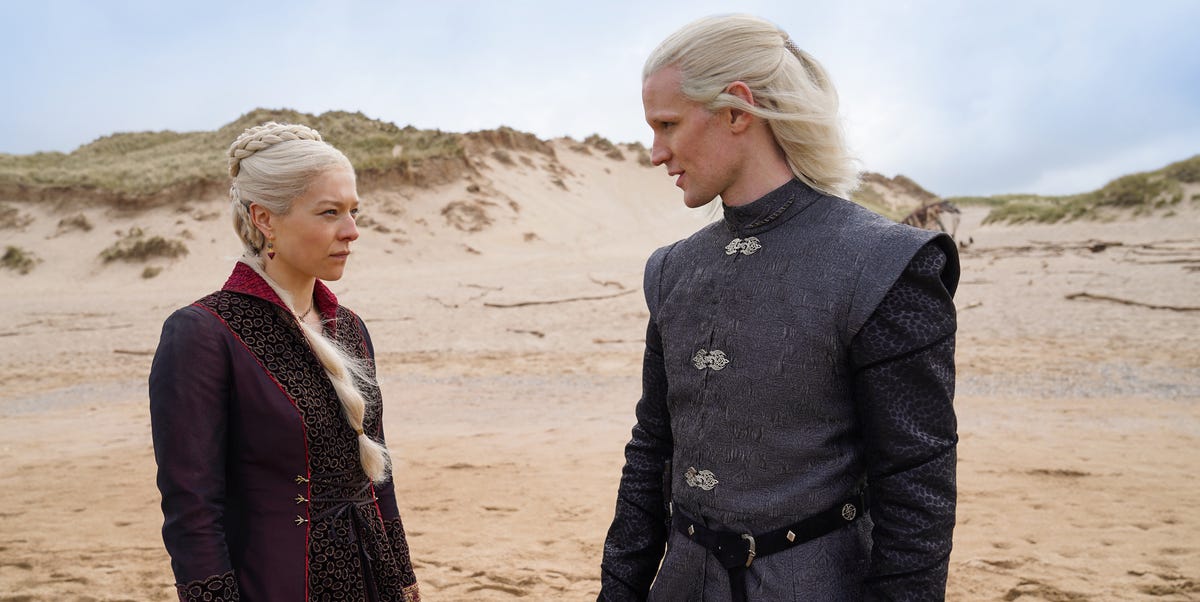
HBO has already started feeding the fandom with official teaser art, a season 3 teaser, and first-look images. And the overall mood of the new visuals is clear: this is not a season about polite letters, diplomatic tea, or pretending the realm can be saved by one more tense conversation in a candlelit room. The images lean into armor, dread, war councils, and the exhausted faces of people realizing they have officially crossed the point of no return.
The first-look material also reminds viewers that the show’s biggest strength is not just dragons. It is faces. Suspicious faces. Heartbroken faces. Faces that say, “I may smile, but I am also actively planning your political collapse.” House of the Dragon understands that a great fantasy series is not just spectacle. It is close-ups of people making catastrophic choices in expensive wigs.
Returning Cast Members Fans Can Expect
Season 3 brings back the core players who have turned the Targaryen family feud into appointment television. That includes Emma D’Arcy as Rhaenyra Targaryen, Matt Smith as Daemon Targaryen, Olivia Cooke as Alicent Hightower, and Rhys Ifans as Otto Hightower. Viewers can also expect more of Tom Glynn-Carney as Aegon II, Ewan Mitchell as Aemond, Steve Toussaint as Corlys Velaryon, Sonoya Mizuno as Mysaria, Matthew Needham as Larys Strong, Harry Collett as Jacaerys, Bethany Antonia as Baela, Phoebe Campbell as Rhaena, and Phia Saban as Helaena.
That lineup matters because the show’s emotional engine still runs on its central rivalries: Rhaenyra versus Aegon, Alicent versus herself, Daemon versus literally whatever room he walks into, and Aemond versus the concept of moderation. The returning ensemble gives season 3 continuity, but it also means the series can finally cash in on tensions that have been simmering for a long time.
New Cast Additions for Season 3
Season 3 is also expanding the board. James Norton joins as Ormund Hightower, a name book readers have been watching for. Tommy Flanagan will appear as Lord Roderick Dustin, Dan Fogler as Ser Torrhen Manderly, and more additions have been reported for key military and political roles tied to the escalating war. Translation: the map of Westeros is getting busier, and the supporting players are no longer just background furniture in a throne-room argument.
This is one of the smartest ways the series can grow. As the Dance of the Dragons spreads beyond the core family, the show needs more regional power players, more military personalities, and more people who can walk into a scene and immediately make things worse. Judging by the casting choices, HBO knows that season 3 has to feel larger without losing the human tension that made the first two seasons work.
Plot Spoilers: What Season 3 Is Really About
If you finished season 2 and thought, “Well, everyone seems calm and emotionally stable,” congratulations on watching a completely different show. The season 2 finale positioned the story for full-scale conflict. The careful maneuvering is mostly over. The realm is fractured, the armies are moving, dragon riders are stepping forward, and the idea of a peaceful fix is now about as realistic as a dragon applying for anger-management counseling.
How Season 2 Set Up the Next Chapter
One of the most important developments at the end of season 2 was the surprising reunion between Rhaenyra and Alicent. Their connection remains one of the most emotionally layered elements in the series, because it turns the war into more than a fight for the Iron Throne. It becomes a tragedy about friendship, motherhood, memory, duty, and the cost of choosing power in a world built by men but ultimately burned by everyone.
At the same time, the finale made it clear that sentiment will not stop the machine now. Aegon escapes King’s Landing with Larys, armies begin to move, Daemon finally reorients himself toward Rhaenyra’s cause, and the board fills with pieces on the verge of collision. That ending did not feel like a conclusion. It felt like the click before the explosion.
Expect “Total War,” Not Just More Political Setup
One of the most telling phrases attached to season 3 is “total war.” That is a major tonal signal. The next season is expected to push much harder into land battles, sea battles, and dragon-on-dragon conflict. In plain English: fewer strategy lectures, more consequences.
This does not mean the political storytelling disappears. Quite the opposite. House of the Dragon works because it understands that war is not just swords clashing on a beach. War is grief, propaganda, miscommunication, wounded pride, divided houses, and leaders who convince themselves they are saving the realm while setting half of it on fire. Season 3 looks ready to combine the show’s intimate character drama with the blockbuster scale many viewers have been waiting for.
The Battle of the Gullet Is the Big Name Fans Keep Watching
If one plot point keeps popping up in fan conversations, it is the Battle of the Gullet. Without getting too deep into book-level specifics, this is one of the major conflicts readers have long associated with the middle stretch of the Dance of the Dragons, and it has already been heavily linked to season 3 in entertainment coverage.
Why does that matter? Because this battle represents the kind of event viewers expect from a series carrying the Game of Thrones banner: strategic importance, emotional fallout, major visual scale, and the possibility that nobody leaves emotionally unscorched. It also signals that season 3 may finally deliver the large military sequences that some viewers expected at the end of season 2.
In other words, if season 2 was the long inhale, season 3 looks like the fire-breathing exhale.
How the Prequel Connects to ‘Game of Thrones’
House of the Dragon is based on George R.R. Martin’s Fire & Blood and takes place roughly two centuries before the events of Game of Thrones. That distance gives the series room to stand on its own, but it also means every big decision carries echoes that longtime fans immediately recognize.
This is the era when House Targaryen still sits at the center of power with dragons as both military advantage and family identity. The tragedy of the series is that viewers already know what comes later. The dragons fade. The dynasty fractures. History hardens into legend. So every victory in House of the Dragon arrives with a built-in shadow hanging over it.
The show has been especially effective when it leans into that bittersweet connection. Daemon’s vision in season 2 is a good example. It ties the prequel to the wider mythology without turning the whole series into a giant nostalgia machine. That balance is important. Fans want links to Game of Thrones, but they also want this series to earn its own crown.
Why ‘House of the Dragon’ Still Has Such a Grip on Pop Culture
Some spin-offs survive on brand recognition alone. House of the Dragon survived that first wave and then became something stronger: a genuinely compelling fantasy drama with its own identity. The massive premiere numbers gave it momentum, but the staying power came from the writing, performances, production design, and willingness to embrace moral messiness.
The series also benefits from being extremely discussable. Fans love choosing sides, debating succession law, ranking dragons, analyzing prophecy, dissecting costumes, and deciding whether a given character is misunderstood or simply a walking disaster. It is a critic-friendly show, a fandom-friendly show, and a meme-friendly show. That is a rare trifecta.
And then there is the basic truth HBO understands very well: people love a story about power when the people chasing it are deeply flawed, dangerously charismatic, and one bad conversation away from catastrophe. House of the Dragon delivers that every week with the confidence of a series that knows exactly how dramatic a hallway stare can be when the lighting is excellent.
The Fan Experience: What It Feels Like to Live in the Wait for More Dragons
Watching House of the Dragon is not really a passive TV experience. It is a full emotional side quest. You sit down for one episode thinking you are just going to catch up, and forty minutes later you are analyzing royal body language, questioning medieval inheritance customs, and wondering why every family dinner in Westeros feels like it should come with a licensed therapist and a fireproof exit map.
Part of the fun is the waiting. That sounds backward, but it is true. The gap between seasons has turned the fandom experience into its own event. Fans do not just wait for episodes; they investigate every teaser frame, every costume detail, every casting update, every line in a trailer that sounds vaguely threatening, which, to be fair, is most of them. A normal show says, “See you next season.” House of the Dragon says, “See you in a year or two, now please spend that time emotionally spiraling over dragon strategy.”
There is also something uniquely fun about how this prequel invites people to experience the story in layers. Casual viewers can enjoy it as gorgeous fantasy television with palace intrigue and impossible creatures. Book readers can compare character choices, plot timing, and historical interpretation. Hardcore franchise fans can connect it all to the larger mythology of Game of Thrones. And somewhere in the middle is the average viewer who began by saying, “I’m not picking a side,” and ended up defending one faction online like a medieval campaign manager.
The first-look photos and teaser campaigns add to that experience in a big way. A single official image can kick off days of speculation. Why does a character look tired? Why is someone standing alone? Why does the armor look darker? Is that grief? Is that resolve? Is that just really moody HBO lighting? The genius of the marketing is that it does not need to explain everything. It just needs to suggest that something enormous is coming, and the audience happily does the rest.
Then there is the group-watch factor. House of the Dragon is one of the few modern streaming-era fantasy series that still feels built for communal reaction. People watch with friends, text during the end credits, trade theories at work, and jump online the second an episode ends to see whether everyone else also gasped at the same scene. It recreates some of the old Game of Thrones ritual, but with a different energy. This time, the fandom came in smarter, more skeptical, and fully aware that no character should ever be trusted just because they have nice cheekbones and a dragon.
Maybe that is why the show works so well as an experience and not just a product. It is rich enough to reward rewatching, dramatic enough to spark conversation, and messy enough to feel human under all the fantasy spectacle. Beneath the crowns, prophecies, and war councils, it is still a story about parents and children, ambition and regret, loyalty and ego, and the terrifying speed at which private hurt becomes public disaster.
So yes, waiting for season 3 can be frustrating. But it is also part of the pleasure. The anticipation lets the world breathe. It gives fans time to revisit old episodes, change their opinions, notice details they missed, and prepare for the next round of heartbreak. In a TV landscape crowded with disposable content, House of the Dragon still feels like an event. And in Westeros, that usually means two things: someone is about to make a terrible decision, and we absolutely cannot wait to watch it happen.
Final Thoughts
Right now, the most important thing to know is that House of the Dragon is entering a much more explosive phase. The release date window for season 3 is June 2026, the main cast is returning, the supporting world is expanding, and the official teaser material points to a darker, more war-driven chapter. For fans of the Game of Thrones universe, this is exactly the kind of update worth circling on the calendar with dragon-sized enthusiasm.
And if the first two seasons taught viewers anything, it is this: no crown comes cheap, no alliance lasts forever, and no Targaryen family disagreement ever stays at an indoor voice level for long.