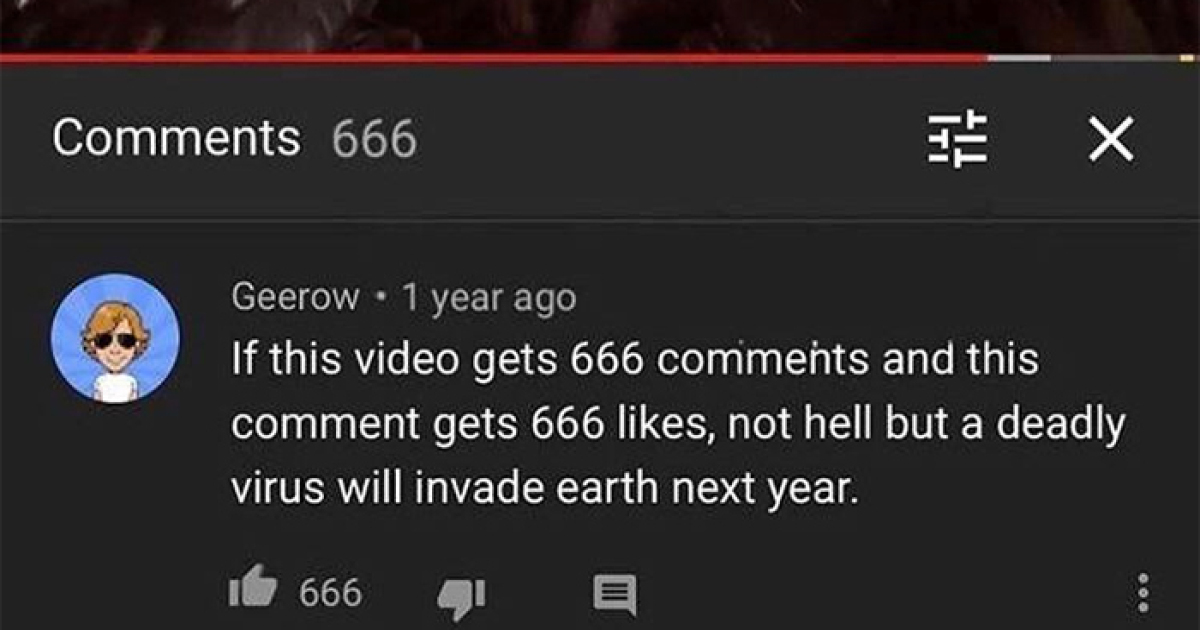
Every internet user has a story about the exact moment they opened a comment section and immediately wished they had chosen a healthier hobby, like jogging, reading poetry, or staring directly into soup. That is the magic of the “cursed comment.” It is not always offensive, not always scary, and not always even logical. Sometimes it is just a sentence so unexpectedly weird that your brain stops buffering and quietly files a complaint with management.
The phrase “Hey Pandas, Post An Image Of A ‘Cursed Comment’” sounds like a simple community prompt, but it taps into one of the internet’s most reliable sources of entertainment: screenshots of people saying things that feel illegal to read, even when no law has technically been broken. These comments live in the strange neighborhood between dark humor, absurdity, social awkwardness, and “why would you type that with your whole account attached?”
On social platforms, forums, meme pages, and comment threads, cursed comments have become a genre of their own. They are the digital equivalent of finding a rubber duck in a dentist’s freezer. You do not understand it. You may not approve of it. But you will remember it.
What Is a Cursed Comment?
A cursed comment is a written reply, caption, or observation that feels disturbing, absurd, uncomfortable, hilarious, or all four at once. It usually works because it appears in the wrong place, says the quiet part in an extremely weird way, or responds to something normal with the emotional energy of a haunted basement.
For example, a cute photo of pancakes might receive a comment like, “Finally, a mattress for my emotional support hamster.” Is it dangerous? No. Is it useful? Also no. But does it feel like something whispered by a raccoon wearing reading glasses? Absolutely.
The best cursed comments are not merely rude. Plain insults are boring. A truly cursed comment has texture. It makes the reader pause, blink twice, and wonder whether the internet was a mistake or a masterpiece. Often, the humor comes from the mismatch between the original post and the reply. A wholesome gardening photo may inspire a reply that sounds like it was written by a villainous scarecrow. A cooking video may attract a sentence so odd that the recipe becomes the second-most memorable thing on the page.
Why People Love Posting Images of Cursed Comments
There is a reason screenshots of cursed comments travel so well online: they are portable chaos. A screenshot captures the exact moment a conversation falls through the floor and lands in a room nobody knew existed. Unlike long videos or complicated memes, a cursed comment can be understood in seconds. The viewer sees the setup, reads the reply, and experiences the tiny mental car crash.
These images are also perfect for community engagement. A prompt like “Hey Pandas, post an image of a cursed comment” invites readers to participate instead of just consume. Everyone becomes a curator of internet weirdness. Someone digs through an old group chat. Someone else remembers a comment under a cake tutorial that sounded like a prophecy. Another person has been saving screenshots for years, waiting for exactly this socially acceptable excuse to unleash them.
In a crowded online world, interactive prompts work because they turn audiences into contributors. The comment section becomes the exhibit, and the users become both museum guests and suspiciously enthusiastic tour guides.
The Anatomy of a Perfect Cursed Comment
1. It Starts With Normal Context
Cursed comments hit harder when the original post seems innocent. A photo of a dog wearing a sweater, a recipe for banana bread, a tutorial about organizing kitchen drawersthese are safe, cozy spaces. Then one person arrives in the replies carrying a sentence that feels like it has been stored in a damp attic since 2008.
2. It Takes an Unexpected Turn
The comment should not follow the obvious path. If someone posts a picture of a sandwich, “Looks tasty” is normal. “This sandwich has the confidence of a divorced magician” is cursed-adjacent. The unexpected twist is what makes people screenshot it.
3. It Is Weird Without Needing a Full Explanation
A cursed comment can be confusing, but it should not require a doctoral thesis in six fandoms and three discontinued mobile games. The best ones are instantly strange. You may not know why they are funny, but your soul does.
4. It Avoids Real Harm
This part matters. A comment can be dark, surreal, or unsettling without targeting someone’s identity, encouraging harassment, sharing private information, or punching down. The most shareable cursed comments are bizarre, not cruel. Think “haunted fortune cookie,” not “comment section crime scene.”
Cursed Comments vs. Toxic Comments
Not every unpleasant comment is a cursed comment. Some are simply toxic, abusive, or mean. The difference is important, especially for websites that want humor without turning the page into a digital swamp.
A cursed comment is usually funny because it is absurd. A toxic comment is harmful because it attacks. A cursed comment may make you say, “What did I just read?” A toxic comment makes someone feel unsafe, targeted, or humiliated. One belongs in a meme roundup. The other belongs in the report queue, preferably wearing a tiny dunce cap.
When collecting images for a community post, editors and readers should avoid screenshots that include threats, slurs, doxxing, bullying, or explicit harassment. Blur usernames if needed. Remove private details. Preserve the joke, not the target. The internet already has enough garbage fires; no one needs to bring extra lighter fluid.
Why “Cursed” Humor Feels So Internet-Native
The internet has always loved things that feel slightly wrong. Cursed images, cursed memes, cursed food combinations, cursed product reviews, cursed design choicesthese all share the same core appeal. They make us laugh because they interrupt normal expectations.
Offline life usually rewards polite coherence. Online life, however, rewards surprise. A cursed comment is a tiny rebellion against normal conversation. It says, “What if we took this ordinary moment and made it spiritually sticky?” That is why a simple reply can outperform a carefully crafted joke. It feels spontaneous. It feels discovered. It feels like the internet coughed up a cursed pearl.
There is also a social element. Sharing a cursed comment tells your friends, “I suffered through this sentence, and now you must join me.” It is a bonding ritual. Like camping, but instead of mosquitoes, there are screenshots of strangers making deeply questionable metaphors.
Examples of Cursed Comment Energy
To keep things safe and original, here are fictional examples that capture the style without copying real users:
- Under a photo of a fancy salad: “This looks like something a rabbit would serve at a custody hearing.”
- Under a video of a tiny kitten sneezing: “That sneeze contains one ancient secret and two unpaid parking tickets.”
- Under a picture of a badly assembled chair: “This chair has seen the future and chose violence.”
- Under a cake decorating tutorial: “The frosting is screaming in cursive.”
- Under a travel photo: “Beautiful place. Feels like my Wi-Fi password would stop working there.”
Notice the pattern. These comments are strange, but they are not attacking real people. They create a mood. They give the reader a tiny dose of confusion wrapped in comedy. That is the sweet spot.
How to Post a Cursed Comment Image the Right Way
Choose the Screenshot Carefully
The funniest cursed comment images are easy to read, visually clean, and immediately understandable. Crop out unnecessary clutter. Make sure the original post and the reply are visible enough to give context. If the comment only makes sense after reading 47 replies, three deleted posts, and a user’s entire emotional history, choose another one.
Protect Privacy
Blur usernames, profile photos, locations, phone numbers, school names, workplaces, and any other identifying details. Public does not always mean fair game. A good cursed comment post should make people laugh at the sentence, not encourage strangers to chase down the person who wrote it.
Avoid Punching Down
Humor ages better when it does not rely on cruelty. Skip screenshots that mock someone’s appearance, disability, race, gender, religion, sexuality, nationality, or personal trauma. The goal is weird laughter, not a comments section that needs a hazmat suit.
Add a Short Caption
A good caption can improve the post without over-explaining the joke. Try lines like “This comment needs a wellness check,” “I read this and my phone lost 3% battery out of fear,” or “Some thoughts should come with a foghorn warning.” Keep it short. Let the screenshot do the heavy lifting.
Why Community Prompts Like “Hey Pandas” Work
Community prompts succeed because they feel casual and inclusive. “Hey Pandas” sounds friendly, a little silly, and low-pressure. It invites people to share without pretending the subject is more serious than it is. That tone is important. The internet has enough formal calls to action. Sometimes people just want to gather around the digital campfire and say, “Look at this cursed thing I found.”
These prompts also create variety. One person’s idea of cursed might be a terrifyingly specific food review. Another person’s might be a reply that sounds like a medieval ghost learned slang. The result is a collection that feels unpredictable, which keeps readers scrolling.
For publishers, this kind of content can be powerful because it encourages comments, shares, return visits, and community identity. Readers are not just viewing a list; they are mentally searching their own screenshots. That is engagement with a tiny goblin hat on it.
The SEO Value of Cursed Comment Content
From an SEO perspective, “cursed comments” is a strong topic because it sits at the intersection of meme culture, funny screenshots, online communities, internet humor, and social media behavior. People search for cursed comments when they want entertainment, examples, definitions, or inspiration for their own posts.
A well-structured article should use related phrases naturally, such as “funny cursed comments,” “cursed comment screenshots,” “internet humor,” “social media comments,” “weird online replies,” and “meme culture.” The key is not to repeat the main keyword until it becomes cursed in the bad way. Search engines reward helpful, readable content. Readers reward articles that do not sound like a robot swallowed a keyword spreadsheet.
Strong headings, short paragraphs, original examples, and practical safety tips all help the content perform better. So does matching search intent. Someone clicking this title probably wants humor, context, and maybe guidance on what kind of images to post. Give them all three. Add a little personality. Make the article feel like it was written by a human who has survived at least one terrifying comment thread.
What Makes a Cursed Comment Shareable?
Shareability comes from emotional whiplash. The viewer expects one thing and gets another. A cursed comment often triggers several reactions in rapid order: confusion, laughter, concern, admiration, and the sudden need to send it to a friend with the message “please read this immediately.”
The comment should be short enough to screenshot cleanly and strange enough to stand alone. It should also have a strong rhythm. Many viral comments sound funny because of their wording, not just their idea. Phrases like “screaming in cursive” or “haunted by dairy” stick because they are compact, visual, and ridiculous.
Timing matters too. A cursed comment that appears under a wholesome post is funnier than the same sentence in a deliberately edgy thread. Contrast creates comedy. Put a raccoon in a forest and it is wildlife. Put a raccoon in a courtroom sketch and suddenly everyone has questions.
Moderation Tips for Cursed Comment Threads
If you publish a community post asking readers to share cursed comments, moderation is not optional. It is the seatbelt on the clown car. Set clear expectations: no hate speech, no threats, no private information, no explicit harassment, no graphic content, and no screenshots involving minors in vulnerable situations.
Encourage users to submit funny, weird, and surreal comments rather than cruel ones. Remind them to blur identifying details. If the post becomes popular, review submissions before featuring them. A little editorial care keeps the page entertaining instead of exhausting.
The best cursed comment collections feel mischievous, not malicious. They let people enjoy the absurdity of online communication while still respecting basic boundaries. That balance is what separates a fun viral thread from a moderation nightmare wearing novelty sunglasses.
Experiences Related to “Hey Pandas, Post An Image Of A Cursed Comment”
Anyone who has spent enough time online has experienced the cursed comment phenomenon firsthand. It usually begins innocently. You open a post expecting normal human conversation. Maybe it is a picture of a cat loafing on a windowsill. Maybe it is a recipe video. Maybe it is a wholesome story about someone rescuing a lost dog. Then you scroll down, and there it is: a comment so unprepared for polite society that your eyebrows attempt to leave your face.
The funny thing about cursed comments is that they often become more memorable than the original post. I may forget the exact photo, but I will remember the reply that made everyone collectively question the structural integrity of language. In that sense, cursed comments are like internet graffiti. They appear unexpectedly, change the mood of the space, and sometimes become the main attraction.
There is also a strange joy in sharing them. Sending a screenshot of a cursed comment to a friend is a modern friendship ritual. It says, “I found this nonsense in the wild, and because I value our bond, I am making it your problem too.” The best responses are immediate: “No,” “Why,” “I hate that I laughed,” or the classic “delete this from my brain.” These tiny exchanges create shared laughter, especially when the comment is weird rather than mean.
Community prompts like “Hey Pandas” make that experience even better because they turn private screenshot hoarding into a public gallery. Many people already save odd comments without knowing what to do with them. A prompt gives those screenshots a home. It is like opening a shelter for abandoned internet chaos.
Still, experience teaches one important lesson: not every shocking comment deserves attention. Some comments are cursed in a funny way; others are simply harmful. The difference becomes clearer the longer you spend online. A surreal joke about a sandwich having “landlord energy” is harmlessly strange. A screenshot that humiliates a real person or spreads private information is not entertainment. Good curators learn to choose the former and leave the latter buried in the swamp where it belongs.
The best cursed comment posts feel like a group of friends comparing weird souvenirs from the internet. Nobody needs to be attacked. Nobody needs to be exposed. The humor comes from the sentence itself: the odd phrasing, the unexpected image, the feeling that someone opened a forbidden drawer in the English language and found a raccoon inside.
That is why “Hey Pandas, Post An Image Of A ‘Cursed Comment’” works so well as a topic. It is participatory, funny, searchable, and endlessly renewable. As long as people keep posting online, someone will reply with something that makes the rest of us stare at the screen and whisper, “That was a choice.” And somewhere, another reader will take a screenshot, save it, and wait for the perfect moment to share the curse.
Conclusion
Cursed comments are one of the internet’s strangest little treasures. They are funny because they are unexpected, memorable because they are specific, and shareable because they make readers feel like they have just witnessed a sentence escape from a haunted laboratory. A great cursed comment image does not need cruelty to work. It needs context, timing, absurdity, and just enough weirdness to make the viewer laugh while questioning the future of civilization.
For readers, these screenshots offer quick entertainment. For communities, they create participation. For publishers, they provide an engaging topic that blends meme culture, social media humor, and digital etiquette. The trick is to keep the vibe playful, protect privacy, and remember that the funniest cursed comments are the ones that confuse the brain without punching the heart.