A harvest dining table is not just a piece of furniture. It is the place where mashed potatoes disappear mysteriously, homework spreads across the wood grain, friends lean in for one more story, and someone always asks, “Is there more pie?” Warm, sturdy, and inviting, the harvest dining table has become a favorite for homeowners who want a dining space that feels relaxed, useful, and full of character.
Traditionally, harvest tables were long, simple wooden tables used during big seasonal meals after crops were gathered. Today, the term “harvest dining table” usually refers to a farmhouse-inspired dining table with generous proportions, natural wood texture, practical construction, and a welcoming personality. It may be rustic, modern farmhouse, traditional, or even coastal, but the heart of the design remains the same: it is built for gathering.
Whether you are decorating a formal dining room, upgrading a kitchen eating area, or hunting for a table that can survive family dinners without becoming emotionally fragile, this guide explains what makes a harvest dining table special, how to choose the right one, how to style it, and how to keep it beautiful for years.
What Is a Harvest Dining Table?
A harvest dining table is typically a rectangular wooden table with a simple, functional design. It often features a thick tabletop, visible wood grain, turned legs or trestle supports, and a finish that feels warm rather than overly polished. Unlike delicate formal tables that seem to whisper “please do not touch me,” a harvest table invites real life. It welcomes elbows, serving bowls, board games, laptops, birthday cakes, and the occasional glass of juice placed dangerously close to the edge.
The harvest table’s roots are practical. Farm families needed a large, durable surface for meals, food preparation, and seasonal gatherings. Modern versions keep that same sense of usefulness but offer more style options. You can find harvest dining tables in oak, pine, maple, walnut, reclaimed wood, engineered wood, and mixed-material designs with metal accents.
Why Harvest Dining Tables Are So Popular
The appeal of a harvest dining table comes from its balance of beauty and function. It looks good, but it does not act precious. It can make a new home feel instantly lived-in, and it can make an older home feel even more charming.
They Create a Warm Gathering Space
The best dining rooms are not just decorated; they are used. A harvest dining table naturally becomes the center of the room because it feels generous and grounded. Its long shape gives everyone a clear place to sit, while the natural wood adds warmth that glass or high-gloss surfaces often lack.
They Work With Many Interior Styles
Although harvest tables are closely linked to farmhouse design, they are surprisingly flexible. Pair one with black spindle chairs for a classic farmhouse look, upholstered chairs for a softer traditional room, woven chairs for coastal charm, or sleek modern lighting for contrast. A harvest dining table can play nicely with many styles, which is helpful if your home decor personality changes every time you open Pinterest.
They Are Built for Everyday Life
A good harvest dining table is not afraid of heavy use. Solid wood options can often be refinished, repaired, or refreshed over time. Distressed finishes can hide small scratches better than glossy surfaces. Extendable versions offer flexibility for holidays, parties, and those surprise guests who somehow appear right when dinner is served.
How to Choose the Right Harvest Dining Table
Choosing a harvest dining table is part design decision, part math problem, and part honest conversation with yourself about how often you actually host twelve people. The goal is to find a table that fits your room, your lifestyle, and your seating needs without turning the dining area into a furniture obstacle course.
Measure Your Dining Space First
Before falling in love with a giant table that could seat a village council, measure your room. A dining table needs breathing room. In most homes, you should leave enough space around the table for people to pull out chairs and walk comfortably. If the room is tight, consider a narrower rectangular table, a round table, or an extendable design that stays compact day to day.
For many dining rooms, a table between 72 and 96 inches long works well for family meals and occasional entertaining. Smaller rooms may feel better with a 60-inch table, while large dining rooms can handle longer tables, especially if the layout includes open walkways.
Think About Seating Capacity
As a general rule, each diner needs about 24 to 26 inches of table width for comfortable seating. That gives people room to eat without performing elbow gymnastics. A 72-inch rectangular harvest dining table often seats six comfortably and may fit eight depending on the table base and chair size. An 84- to 96-inch table can usually seat eight to ten. Extendable harvest tables with leaves are ideal if you want flexibility without keeping a banquet-length table open every day.
Choose the Right Width
Width matters more than many shoppers realize. A narrow table may fit the room but leave little space for serving dishes. A very wide table can make conversation feel like shouting across a scenic canyon. Many harvest dining tables fall between 36 and 42 inches wide, which gives a good balance of serving space and conversation comfort.
Check the Table Height
Most standard dining tables are about 28 to 30 inches high. This pairs well with dining chairs that have seat heights around 18 to 23 inches. For comfort, there should usually be about 10 to 12 inches between the chair seat and the underside of the table. That small detail makes the difference between a relaxed dinner and everyone quietly wondering why their knees are negotiating with the tabletop.
Best Materials for a Harvest Dining Table
The material determines how the table looks, ages, and handles daily use. While many designs can be beautiful, not every material performs the same way in a busy home.
Solid Wood
Solid wood is the classic choice for a harvest dining table. Oak, maple, cherry, walnut, pine, and hickory are common options. Oak is durable and grainy, maple is smooth and strong, walnut is rich and dramatic, and pine is softer but charmingly rustic. Solid wood can often be sanded and refinished, which makes it a long-term investment.
Reclaimed Wood
Reclaimed wood gives a harvest table instant history. Knots, nail marks, color variation, and weathered texture make each table unique. This is a great option if you love furniture with character and do not want every tiny mark to feel like a disaster. In fact, the first scratch may simply blend in and say, “Welcome to the family.”
Engineered Wood and Veneer
Engineered wood or veneer tables can be more affordable and stable in changing humidity. They may not offer the same refinishing potential as solid wood, but high-quality versions can still look excellent. If choosing veneer, check the thickness, finish quality, and care instructions before buying.
Mixed Materials
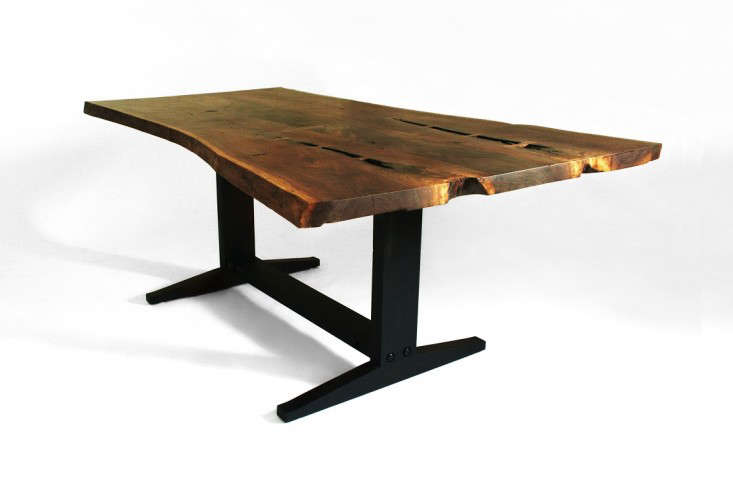
Some harvest dining tables combine wood tops with metal bases, painted legs, or trestle supports. These designs work especially well in modern farmhouse, industrial, or transitional interiors. A dark metal base can make a rustic wood top feel cleaner and more contemporary.
Popular Harvest Dining Table Styles
Not all harvest tables look the same. The style you choose should match both your home and your tolerance for rustic charm.
Classic Farmhouse Harvest Table
This style usually includes a rectangular top, turned legs, a warm wood finish, and a simple silhouette. It looks timeless with Windsor chairs, ladder-back chairs, or a bench on one side. It is the furniture equivalent of homemade biscuits: simple, reliable, and always welcome.
Trestle Harvest Table
A trestle base uses horizontal and vertical supports instead of four corner legs. This can create more flexible seating because guests are less likely to bump into table legs. Trestle harvest tables often look substantial and traditional, making them excellent for large dining rooms.
Modern Farmhouse Harvest Table
Modern farmhouse tables keep the warmth of wood but simplify the lines. Expect cleaner edges, lighter finishes, and less ornamentation. They pair beautifully with neutral chairs, black accents, linen textiles, and oversized pendant lights.
Rustic Reclaimed Harvest Table
This version celebrates texture. Uneven grain, knots, saw marks, and weathered finishes are part of the charm. It is ideal for casual homes, cabins, country houses, and anyone who believes furniture should have a little soul.
Extendable Harvest Dining Table
An extendable harvest table includes one or more leaves that increase the length when needed. This is one of the smartest choices for families who host occasionally. Day to day, the table stays manageable. During holidays, it expands like it has been training for Thanksgiving all year.
How to Style a Harvest Dining Table
A harvest dining table already has a strong presence, so styling should enhance it rather than bury it under decorations. The goal is to make the table feel inviting, not like a showroom display guarded by invisible lasers.
Start With the Right Chairs
Chairs can completely change the personality of a harvest table. Wood chairs create a classic look. Upholstered chairs make the room feel softer and more formal. Benches add casual charm and are great for children, although adults may eventually campaign for back support. Mixed chairs can also work well if the finishes relate to one another.
Add a Simple Centerpiece
A large vase of branches, a bowl of seasonal fruit, a row of candles, or a low floral arrangement can highlight the table without overwhelming it. Keep centerpieces low enough for conversation. Nobody wants to discuss dessert through a forest of decorative eucalyptus.
Use Textiles for Warmth
Linen runners, cotton napkins, woven placemats, and soft tablecloths add texture and protect the surface. For a casual harvest table, you do not need perfect matching sets. Natural materials and slightly relaxed styling often look better than anything too stiff.
Layer Lighting Above the Table
A pendant light or chandelier centered over the table helps define the dining area. For long harvest tables, consider a linear chandelier or a pair of pendant lights. Warm bulbs usually make wood tones look richer and food look more appetizing, which is useful unless your cooking needs dramatic lighting as a distraction.
Harvest Dining Table Care and Maintenance
Wood dining tables are strong, but they are not invincible. With regular care, a harvest dining table can stay beautiful for many years.
Clean Gently and Regularly
Dust the table with a soft cloth and wipe spills quickly. For everyday cleaning, use a lightly damp cloth and mild soap when needed, then dry the surface. Avoid soaking the wood. Water left sitting on the table can damage the finish or leave marks.
Protect Against Heat and Moisture
Use coasters, trivets, placemats, and serving boards. Hot pans, wet glasses, and oily dishes can leave rings or stains. Yes, coasters may seem small, but they are tiny bodyguards for your table.
Avoid Harsh Cleaners
Strong chemicals, abrasive pads, and ammonia-based cleaners can damage wood finishes. Choose products made for wood furniture and follow the manufacturer’s instructions. When in doubt, test in a hidden area first.
Watch Humidity and Sunlight
Wood expands and contracts with humidity changes. Keep the table away from extreme heat, direct sunlight, and very dry conditions when possible. Curtains, rugs, humidifiers, and stable indoor temperatures can help reduce seasonal movement.
Refresh the Finish When Needed
Depending on the finish, a harvest dining table may benefit from occasional waxing, oiling, or professional refinishing. A heavily used family table will naturally develop signs of life. Some marks can be buffed or repaired; others become part of the table’s story.
Where a Harvest Dining Table Works Best
A harvest dining table is especially useful in homes where the dining area serves multiple roles. It works beautifully in formal dining rooms, open-concept kitchens, breakfast areas, large family rooms, and even creative studios. Because the design is sturdy and simple, it can handle more than meals.
In an open floor plan, a harvest table can visually anchor the dining zone. In a traditional dining room, it can make the space feel less formal and more welcoming. In a small home, a compact harvest-style table can double as a work surface, craft station, or weekend brunch headquarters.
Common Mistakes to Avoid
The biggest mistake is buying a table that is too large for the room. A beautiful harvest dining table loses its charm if guests must squeeze sideways around it like they are boarding an airplane. Measure carefully and leave room for movement.
Another mistake is ignoring the base style. Thick legs or bulky trestles can affect where chairs fit. Always check the distance between legs, especially if you want to seat people at the ends or use wider chairs.
Finally, do not choose a finish only because it looks good in a product photo. Think about your lifestyle. A high-gloss dark finish may show fingerprints and scratches more easily. A medium wood tone, matte finish, or lightly distressed surface is often more forgiving for busy households.
Experience-Based Tips for Living With a Harvest Dining Table
Living with a harvest dining table teaches you a few things quickly. First, the table becomes more than a dining surface almost immediately. One morning it holds pancakes and coffee; by noon it becomes a laptop station; by evening it is covered with dinner plates, school papers, and someone’s “very important” collection of tiny objects. That is part of its charm. A harvest table is at its best when it is allowed to participate in daily life.
One practical experience is that benches are wonderful, but they work best when used intentionally. A bench can make the room feel open and casual, and it is great for seating kids during family meals. However, for long dinners, adults often prefer chairs with backs. A smart setup is to use chairs on one side and a bench on the other, or place a bench where it can tuck under the table when not in use. This keeps the room flexible without sacrificing comfort.
Another lesson is that table width affects the entire dining experience. A table that is too narrow can feel crowded once you add plates, glasses, serving bowls, napkins, and that one oversized salad bowl that apparently needed its own zip code. A table that is too wide can make conversation less intimate. For most homes, a width around 38 to 42 inches feels comfortable because it leaves space for food while keeping people close enough to talk easily.
Finish choice also matters in real life. A very rustic table hides wear beautifully, but crumbs can settle into deeper grooves. A smoother table is easier to wipe clean, but it may show scratches sooner. Families with young children often appreciate a lightly distressed or satin finish because it gives the table a relaxed look from day one. Instead of panicking over the first mark, you can simply call it “character” and move on with dinner.
Seasonal styling is another joy of owning a harvest dining table. In fall, a simple runner with pumpkins, candles, and dried branches creates a cozy look. In winter, greenery and warm metallic accents make the table feel festive. In spring, fresh flowers or a bowl of lemons can brighten the room. In summer, woven placemats and casual dishes keep everything easy. The table acts like a stage, and you can change the mood without replacing major furniture.
The most important experience-based advice is to buy for the way you truly live. If you host large family meals, choose an extendable table. If your dining area is small, do not force a huge table into it just because it looks impressive online. If your home is busy, choose durable materials and forgiving finishes. A harvest dining table should make life easier, warmer, and more connected. It should not require you to become a full-time furniture security guard.
Over time, the best harvest dining tables collect memories. A tiny scratch from a holiday centerpiece, a faint mark from a birthday party, or a softened edge where people always sit can make the table feel personal. That is the quiet beauty of this style. It does not need perfection to look good. It needs people, food, conversation, and enough room for one more chair.
Conclusion
A harvest dining table is a timeless choice for anyone who wants a dining space that feels warm, practical, and genuinely welcoming. With its sturdy construction, natural materials, generous shape, and flexible style, it can serve as the heart of a home for everyday meals and special gatherings alike. The key is choosing the right size, material, finish, and seating arrangement for your space. Treat it well, style it simply, and let it do what it was made to do: bring people together.