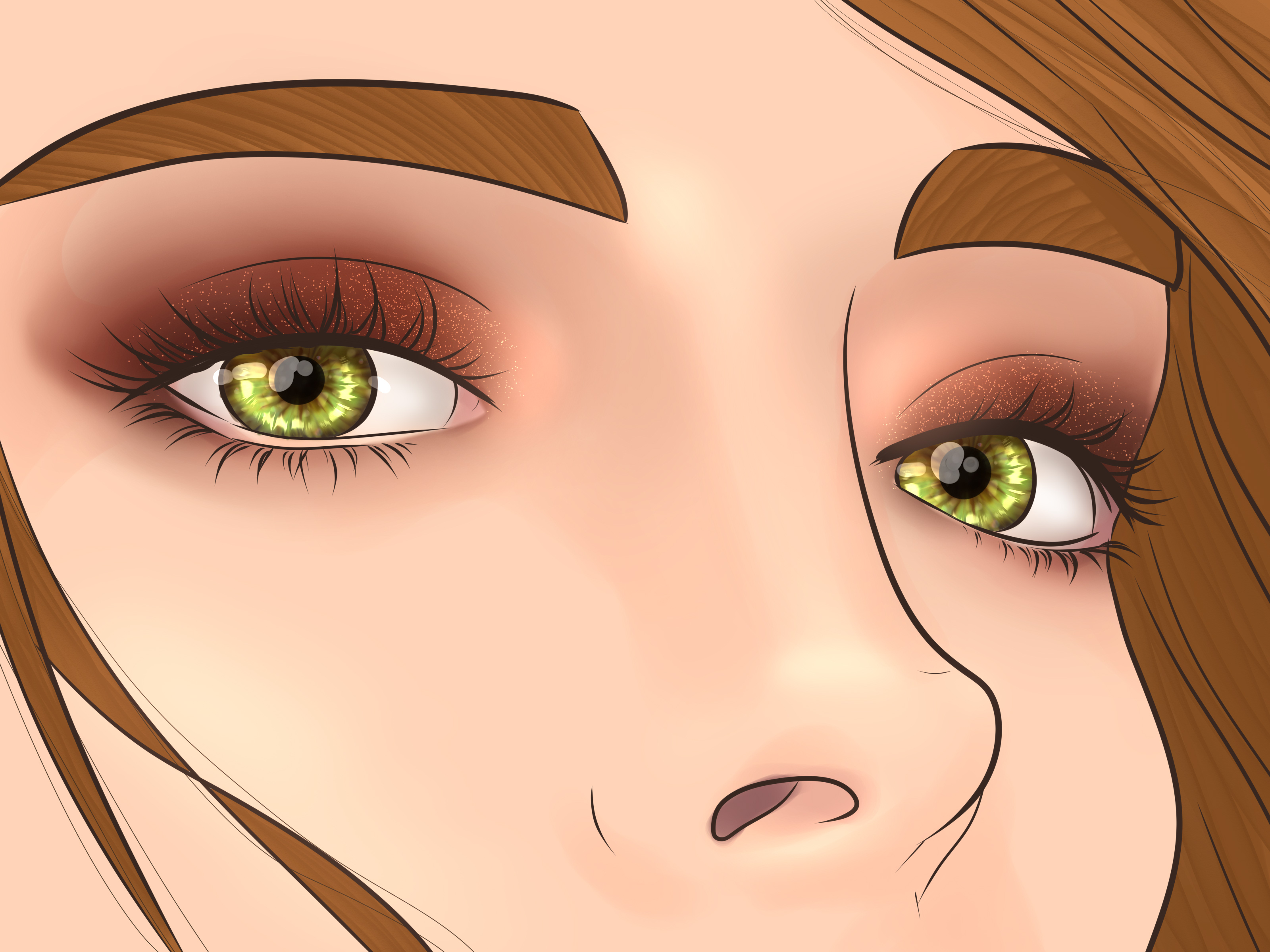
Have you ever looked in the mirror, squinted dramatically, tilted your head toward a window, and wondered whether your eyes are common, uncommon, or the ocular equivalent of finding a four-leaf clover in a parking lot? Welcome to the wonderfully nosy world of eye color rarity. People have always been fascinated by eye color because it sits at the intersection of genetics, identity, family resemblance, and pure vanity. And honestly, fair enough. Your eye color is one of the first things people notice, even if they pretend they are “really into personality.”
An eye color rarity analyzer is basically a smarter way of asking, “How unusual are my eyes compared with everyone else’s?” But the answer is not as simple as brown versus blue or a middle-school Punnett square scribbled in pencil. Eye color is shaped by melanin, several genes, light scattering, ancestry, and sometimes conditions that can change the way the iris looks. That means your eyes may be straightforwardly brown, mysteriously hazel, officially green, suspiciously gray, or gloriously hard to classify without three opinions and natural daylight.
In this guide, we will break down how eye color works, which eye colors are rarer than others, what an analyzer can and cannot tell you, and why some people’s eyes seem to change depending on lighting, mood, clothing, or their commitment to taking selfies near a window. We will also cover special cases like heterochromia and very light eyes related to pigment conditions, plus real-life experiences people often have when their eye color becomes a conversation starter.
What Actually Determines Eye Color?
At the most basic level, eye color comes down to pigment and structure. The iris contains melanin, the same general pigment family involved in skin and hair color. More melanin usually creates darker-looking eyes, while less melanin allows lighter colors to appear. That is why brown eyes are usually rich in pigment, while blue eyes contain much less. Here is the fun twist: blue eyes do not contain blue pigment the way a blueberry does. Blue eyes appear blue largely because light scatters in the iris in a way that emphasizes shorter wavelengths. Science is rude like that. Sometimes the color you “see” is partly a light effect, not a paint bucket.
Genetics makes the story even more interesting. Eye color is not controlled by one neat little gene where brown always bosses blue around. Researchers now understand that eye color is polygenic, meaning multiple genes help shape the final result. Two of the best-known players are OCA2 and HERC2, but they are not acting alone. In other words, if your family tree looks like a mixed bag of brown, hazel, blue, and green, that is not your relatives being dramatic. That is normal human inheritance doing what it does best: making predictions messy.
Age matters too. Many babies are born with lighter eyes that darken over time as pigment develops. That is why parents can spend months announcing, “We think they’ll stay blue,” only for the child to show up later with hazel eyes and zero respect for early forecasts. Eye color can keep shifting subtly in infancy and early childhood, and lighting can continue to affect how certain mixed colors, especially hazel and gray, appear throughout life.
Eye Color Rarity Ranking: So, Where Do Your Eyes Land?
If you want the short version, brown eyes are the most common worldwide by a very wide margin. Blue eyes are much less common globally, hazel eyes are less common still, and green eyes are widely described as the rarest of the standard, naturally occurring eye colors. In one American Academy of Ophthalmology summary of U.S. survey data, Americans reported brown eyes most often, followed by blue, hazel, and green, with a small percentage falling into other categories. That means rarity depends on whether you are talking about the world as a whole or a specific population, but the big-picture ranking is still useful.
Brown Eyes
Brown eyes are the global heavyweight champion. If your eyes are brown, congratulations: you are in the majority, but that does not mean your eyes are boring. Brown covers a huge range, from warm honey-brown to deep espresso. In fact, plenty of people who assume they have “just brown eyes” actually have layered tones of amber, gold, chestnut, or near-black brown that become obvious in sunlight. Brown eyes are common, yes, but common is not the same thing as plain. Coffee is common too, and civilization still runs on it.
Blue Eyes
Blue eyes are much rarer worldwide than they feel in movies, shampoo commercials, and suspiciously well-lit family photos from Northern Europe. In the United States, blue eyes are relatively familiar, but on a global scale they are still a minority. Their appearance comes from low melanin levels plus the way light interacts with the iris. That is why blue eyes can shift from icy silver-blue to denim, teal, or stormy gray depending on lighting, clothing, and whether the photo was taken under bathroom lighting that should probably be illegal.
Hazel Eyes
Hazel eyes are the shape-shifters of the eye color world. They often mix green, gold, light brown, and even coppery tones, which means people argue about them constantly. Are they green? Are they brown? Are they both? Hazel eyes answer, “Yes.” Because hazel includes blended pigments and varying patterns, they can look greener in daylight, warmer indoors, and more golden when paired with certain makeup or clothing colors. A good eye color rarity analyzer should treat hazel as its own category rather than forcing it into green or brown.
Green Eyes
Green eyes are the celebrity guests of standard eye colors: rare, memorable, and unusually likely to inspire comments from strangers. Green is widely cited as one of the rarest natural eye colors in the world. True green often results from moderate melanin combined with the right light-scattering effect, creating a color that can appear mossy, olive, emerald, or gray-green. Because many eyes people call green are actually hazel or gray-green, genuinely clear green eyes are even more distinctive in everyday life than broad statistics suggest.
Gray and Amber Eyes
Gray and amber are where classification gets slippery. Some experts and clinics include them as distinct eye colors, while other surveys fold them into broader groups or label them as “other.” Gray eyes can resemble blue eyes with even less visible warm pigment, often appearing smoky, silver, or steel-toned. Amber eyes lean golden, copper, or yellow-brown and can look almost glowing in direct light. Because not every survey tracks these colors separately, exact prevalence numbers are less consistent. That does not make them less real; it just means statistics and eyeballs are not always best friends.
Heterochromia and Very Light Eyes
Some people have heterochromia, where the eyes are different colors or different parts of the same iris show different colors. Others have extremely light eyes linked to reduced pigment conditions such as ocular albinism or oculocutaneous albinism. These are not simply “rare eye colors” in the casual beauty-trivia sense. They can be part of broader medical or genetic conditions and may come with vision-related issues. That is why any analyzer worth trusting should separate ordinary color rarity from medically important pigment differences.
How an Eye Color Rarity Analyzer Really Works
A decent analyzer should do more than ask whether your eyes are brown, blue, green, or “other, I guess.” It should look at several factors:
- Base color: brown, blue, hazel, green, gray, amber, or mixed.
- Pigment intensity: dark brown is not the same visual experience as light brown with golden flecks.
- Patterning: central color rings, mixed tones, sectoral variation, and flecks matter.
- Lighting sensitivity: some eye colors change appearance dramatically under different lighting.
- Population context: a color can be common in one region and rare in another.
That last point is important. Blue eyes may feel ordinary in some families or communities and rare in others. Brown eyes are globally dominant, yet certain shades or patterns within brown eyes may still stand out. Green eyes are generally rare across populations, but even then, a muted olive-green may be perceived differently from bright, unmistakably green irises. So an analyzer should give you two answers: your global rarity and your visual distinctiveness.
For example, an analyzer might rate eye colors like this:
- Very common: classic medium-to-dark brown.
- Common but region-dependent: blue in the U.S. or Europe, brown in most of the world.
- Uncommon: hazel and some gray-blue combinations.
- Rare: true green, distinct gray, or clear amber.
- Exceptionally unusual: heterochromia or medically linked pigment differences.
That approach is more useful than a silly one-line verdict like, “Your eyes are 92% rare.” Eyes are not Pokémon cards. A meaningful rarity analyzer explains why your eyes are uncommon, not just whether the internet thinks they deserve a gold star.
Common Myths About Eye Color
Myth 1: Eye color is controlled by one gene
Nope. That is the classic classroom oversimplification. It works for teaching basic inheritance, but not for capturing real human variation. Multiple genes influence eye color, which is why family outcomes can surprise people.
Myth 2: Blue eyes contain blue pigment
Also no. Blue eyes mainly appear blue because of low melanin and the way light scatters in the iris. So if you have blue eyes, congratulations on your tiny built-in optics lesson.
Myth 3: Eye color never changes
Not entirely true. Infants often experience visible change as pigment develops, and adults may notice apparent color shifts because of lighting, health conditions, medications, or trauma. A dramatic new change in adult eye color is not just a cosmetic curiosity; it is worth getting checked by an eye specialist.
Myth 4: Hazel is just “light brown”
Tell that to anyone with hazel eyes and prepare for a 20-minute slideshow. Hazel is usually a mixed appearance with green, gold, and brown tones. It is not simply watered-down brown.
Can Your Eye Color Say Anything About Your Health?
Eye color itself is usually just a normal inherited trait, not a medical message. But the way your eyes look can matter. Very pale irises may be part of pigment conditions. Two different eye colors can be harmless, especially if present since birth, but heterochromia can also be associated with injury, inflammation, medication effects, or underlying syndromes. A sudden change in one eye, a new ring, a white pupil reflection, or a meaningful color shift in adulthood deserves medical attention. In short: admire your eyes all you want, but let an eye professional handle the mystery if something changes unexpectedly.
How to Figure Out Your Eye Color More Accurately
If you want to use an eye color rarity analyzer without accidentally mislabeling yourself, do this:
- Check your eyes in natural daylight, not under yellow bathroom lighting or a neon gaming setup.
- Look at the dominant color from a normal speaking distance, not just up-close flecks.
- Notice whether the iris has a uniform tone or multiple visible colors.
- Take a photo near a window with no filter. Yes, no filter. Be brave.
- Compare your eyes across several settings. If they bounce between green and brown, you are probably hazel.
Most confusion comes from mixed irises. Many people who believe they have green eyes actually have hazel eyes with a strong green cast. Many people who think they have blue eyes actually have blue-gray eyes. And many brown-eyed people have far more visual complexity than they give themselves credit for. Eye color is a spectrum with categories laid on top for convenience. Nature did not organize itself for dropdown menus.
Real-Life Experiences With Eye Color Rarity
One of the most interesting things about eye color is that rarity does not always match lived experience. A person with brown eyes may technically have the most common eye color in the world, but that does not stop others from noticing the exact shade. Someone with deep brown eyes can hear the same compliment over and over: “They almost look black.” In bright sun, those same eyes might suddenly reveal amber sparks, warm cinnamon edges, or a golden ring near the pupil. Many people spend years calling their eyes ordinary, only to discover in better lighting that their irises are doing far more than they thought.
People with hazel eyes often have the most confusing relationship with eye color labels. They may grow up hearing different answers from different people. One friend says green, another says brown, a relative insists they are hazel, and a smartphone camera somehow turns them into swamp gold. That inconsistency is not imagined. Hazel eyes genuinely shift in appearance depending on clothing, weather, makeup, and light direction. For many people, the “experience” of having hazel eyes is less about a fixed category and more about constantly being reintroduced to your own face.
Green-eyed people, meanwhile, often describe eye color as a regular conversation magnet. Strangers notice. Teachers mention it. Baristas comment on it with the confidence of amateur geneticists. It can feel flattering, but also a little repetitive, like being cast in a very small but extremely persistent role. The funny part is that people with green eyes often do not think of themselves as especially unusual until everyone else keeps reminding them.
Blue-eyed people have a different experience. In some families, blue eyes are so common that nobody thinks twice about them. In other communities, they stand out immediately. Because blue eyes reflect light so dramatically, people with them often notice how much photos can lie. In one picture, the eyes look icy and bright. In another, they look gray. In dim indoor light, they may seem muted or almost colorless. So while blue is a recognized category, living with blue eyes can feel like managing a small, very photogenic optical illusion.
Then there are people with heterochromia or strong central color differences. Their experience is often less about statistics and more about visibility. Others notice quickly, sometimes with admiration and sometimes with intrusive questions. Some love the uniqueness. Others get tired of hearing, “Wait, hold still, your eyes are different!” every time the light hits just right. Parents of babies with changing eye color experience a separate kind of suspense, watching blue-gray newborn eyes slowly deepen or shift over the first year and realizing that eye color is not a one-time reveal but a gradual unfolding.
What all these experiences share is this: eye color is personal, but it is also social. It affects how people see themselves, how others describe them, and how family resemblance is talked about across generations. A rarity analyzer can give you a category, but the real story lives in the details: the flecks, the shifting tones, the old family photos, the childhood guesses, and the moment you finally look closely enough to say, “Oh. So that is what color my eyes really are.”
Conclusion
If you came here asking, “How rare are my eyes?” the best answer is: probably rarer or more complex than a simple label suggests. Brown eyes remain the most common worldwide, blue eyes are a minority globally, hazel occupies a beautifully chaotic middle ground, and green eyes are among the rarest standard eye colors. Gray and amber are even trickier because not every survey counts them separately, while heterochromia and very pale eyes deserve a different conversation that includes medical context, not just rarity points.
The smartest eye color rarity analyzer does not just hand out a verdict. It explains pigment, genetics, lighting, and population context. It recognizes that eye color is part biology, part optics, and part human storytelling. So whether your eyes are brown, blue, hazel, green, gray, amber, or impossible to label without starting an argument, they are doing exactly what human eyes do best: being more complicated than they first appear.