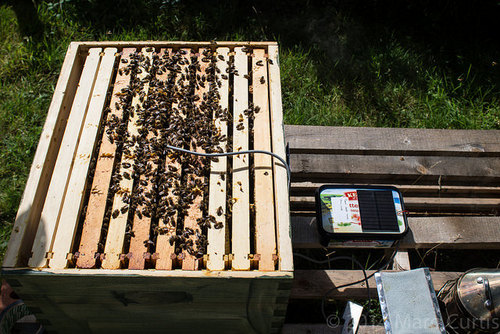
At first glance, “hacking a bee hive” sounds like something a tiny masked cybercriminal would do while whispering, “Your honey is encrypted.” In reality, it means something far more useful: applying sensors, data, careful observation, and a little maker ingenuity to understand what is happening inside a beehive without disturbing the bees every five minutes.
Modern beekeeping is no longer just a veil, a smoker, and a hopeful glance at the weather forecast. Today, hobbyists, researchers, and commercial beekeepers are using smart hive monitoring, temperature sensors, humidity tracking, hive scales, audio analysis, cameras, and Internet of Things devices to learn how colonies behave. The goal is not to replace hands-on beekeeping. It is to make inspections smarter, reduce unnecessary stress on the colony, and catch problems before they turn into a full-blown bee soap opera.
The original maker spirit behind hacking a bee hive is simple: bees are already running one of the most sophisticated biological systems on Earth. We are just trying to read the dashboard.
What Does “Hacking A Bee Hive” Really Mean?
In this context, hacking does not mean damaging a hive or bothering bees for fun. It means creatively improving a traditional hive with low-power electronics, sensors, and data logging. Think of it as giving the hive a fitness tracker, weather station, and tiny home security system all at once.
A smart beehive setup may monitor internal temperature, humidity, hive weight, sound patterns, entrance activity, and environmental conditions around the apiary. These measurements help beekeepers understand whether the colony is growing, storing nectar, preparing to swarm, struggling with ventilation, losing weight during winter, or showing signs of stress.
The beauty of a hacked hive is that it respects the bees’ privacy. Instead of opening the hive just to satisfy human curiosity, the beekeeper can review data first. If everything looks normal, the colony gets peace and quiet. If the numbers look suspicious, then it may be time for a proper inspection.
Why Beehives Are Perfect For Smart Monitoring
A honey bee colony is a living superorganism. Thousands of individual bees work together like one coordinated system. They regulate temperature, control airflow, care for brood, guard the entrance, produce wax, store nectar, process honey, and communicate through pheromones and movement.
That makes a hive surprisingly data-rich. Temperature changes can suggest brood activity. Weight increases may indicate nectar flow. Sudden weight drops can hint at swarming, robbing, or food shortage. Humidity changes may reflect ventilation issues. Entrance traffic can show foraging strength. Sound patterns can sometimes reveal changes in colony mood, queen status, or swarm preparation.
Traditional beekeeping relies heavily on visual inspection. That is still essential, but every inspection disrupts the colony. Boxes are opened, frames are moved, bees are exposed, and the queen may begin wondering why the giant in the white suit keeps rearranging the furniture. Smart monitoring gives beekeepers another layer of information between inspections.
The Basic Parts Of A Hacked Bee Hive
1. Temperature Sensors
Temperature is one of the most useful signals inside a hive. Honey bees work hard to maintain stable brood-nest conditions. If the brood area becomes too cold or too hot, colony health can suffer. A temperature sensor placed carefully inside or near the brood chamber can help reveal whether the colony is active and thermoregulating well.
For example, a stable internal temperature during cool weather may suggest that the cluster is alive and functioning. A sudden drop may mean the sensor is no longer near the cluster, the colony has moved, or the colony is weakening. The key is not to panic over one reading. Smart hive data works best when trends are observed over time.
2. Humidity Sensors
Humidity matters because bees manage moisture constantly. Nectar contains water, and bees must evaporate much of that moisture to create stable honey. Too much humidity may contribute to condensation problems, especially in winter. Too little may indicate ventilation patterns or dry environmental conditions.
A humidity sensor can help beekeepers notice whether the hive environment is staying within a reasonable range. It can also help compare different hive designs, ventilation setups, or seasonal changes. In other words, it lets the beekeeper stop guessing and start politely interrogating the data.
3. Hive Scales
A hive scale may be the most practical smart-hive tool of all. By measuring hive weight, beekeepers can estimate nectar flow, honey storage, food consumption, and sudden colony changes. NASA’s HoneyBeeNet, for example, has explored the value of scale hives for tracking nectar flow and plant-pollinator interactions.
Weight data is especially helpful during winter or drought. If a colony is steadily losing weight, it may be consuming stored food faster than expected. If weight climbs rapidly during spring, the colony may be bringing in nectar. If weight suddenly drops by several pounds, the beekeeper might suspect a swarm or another major event.
4. Audio Monitoring
Beehives are not quiet places. A healthy colony produces a steady living hum, and changes in that sound can be meaningful. Some smart hive projects use microphones to record hive audio and analyze frequency patterns. Researchers and makers have explored whether sound can help identify swarming behavior, queenlessness, or unusual stress.
Audio monitoring is still more experimental than simple temperature or weight tracking, but it is fascinating. Bees are basically vibrating little data packets with wings. Listening carefully may reveal patterns that human ears miss.
5. Entrance Cameras And Bee Counters
The hive entrance is the colony’s front door, airport, security checkpoint, and gossip corner. Monitoring entrance activity can show how many bees are leaving and returning, whether pollen is coming in, and whether traffic changes during different weather conditions.
Some projects use cameras, computer vision, RFID tags, or tiny visual markers to track bee movement. Advanced research systems can study foraging trips, entrance behavior, and traffic flow. For backyard beekeepers, even a simple time-lapse camera can reveal useful patterns without standing in front of the hive like a suspicious lawn ornament.
Smart Hive Data: Useful, But Not Magic
A hacked hive can provide wonderful insights, but it cannot diagnose every problem. A sensor cannot smell American foulbrood. A hive scale cannot tell you whether the queen is laying a beautiful brood pattern. A microphone cannot replace mite monitoring. Technology is a helper, not a beekeeper in a superhero cape.
The best approach is to combine data with normal beekeeping skills. Use sensors to decide when to inspect, where to focus attention, and how conditions are changing. Then use actual inspections, mite checks, local extension advice, and seasonal management to make decisions.
For example, if hive weight is dropping quickly in late winter, that may suggest food shortage. But before taking action, a beekeeper should consider weather, colony size, local nectar availability, and safe feeding practices. If audio patterns change dramatically, it may be worth inspecting, but not worth declaring “the bees have formed a jazz band” without evidence.
Bee Health Problems Smart Monitoring Can Help Flag
Varroa Mites
Varroa destructor mites remain one of the biggest threats to honey bee colonies. These parasites weaken bees and spread harmful viruses. Smart hive technology cannot replace proper mite sampling, but it can help beekeepers notice indirect warning signs such as declining activity, reduced weight gain, or unusual colony behavior.
University extension programs and honey bee health organizations generally recommend routine monitoring and integrated pest management. That means beekeepers should not wait until a colony looks miserable. By then, the mites may already be throwing a victory parade.
Swarming
Swarming is how honey bee colonies reproduce naturally. A portion of the colony leaves with the old queen to establish a new home. From the bees’ perspective, this is a grand biological success. From the beekeeper’s perspective, half the workforce just flew into a tree and ignored all previous scheduling agreements.
Hive weight, entrance activity, and sound may help detect or predict swarm-related events. A sudden weight drop can indicate that a swarm has left. Increased activity or certain acoustic patterns may also suggest pre-swarm excitement, though these signs require careful interpretation.
Food Shortage
Hive scales are excellent for tracking food stores. During winter, bees rely on stored honey or supplemental feed. If the hive becomes dangerously light, the colony may starve even if it is otherwise healthy. Weight monitoring gives beekeepers a chance to act earlier and more responsibly.
Ventilation And Moisture Issues
Humidity and temperature sensors can help identify moisture problems. In cold climates, condensation may become dangerous if water drips onto the cluster. In hot weather, poor airflow can stress bees. Sensor trends can help beekeepers evaluate hive design, insulation, shade, and ventilation choices.
How DIY Makers Approach Beehive Hacking
The maker community has embraced smart beehives because the challenge is irresistible. A hive is outdoors, alive, weather-exposed, temperature-sensitive, battery-limited, and full of insects that may cover electronics in propolis. In other words, it is the perfect project for anyone who thinks “simple weekend build” should include ten unexpected problems and a heroic amount of tape.
Common DIY components include microcontrollers, low-power sensors, rechargeable batteries, solar panels, waterproof enclosures, SD-card data logging, Bluetooth, Wi-Fi, LoRa, or cellular communication. The design depends on the apiary location. A backyard hive near the house may use Wi-Fi. A remote farm hive may need long-range radio or cellular data. A research apiary may use more advanced sensors and cloud dashboards.
Power management is a major issue. Beehives do not come with convenient wall outlets, and bees are famously bad at paying the electric bill. Solar panels can help, but equipment must survive heat, rain, wind, propolis, curious animals, and the occasional beekeeper who drops a hive tool exactly where the wires are.
Best Practices For Ethical Smart Hive Monitoring
Keep The Bees First
The best smart hive is one that does not harm the colony. Sensors should be placed carefully, without crushing bees, blocking movement, disrupting ventilation, or interfering with normal hive management. Anything installed inside a hive should be safe, stable, and easy to remove during inspections.
Use Data To Reduce Disturbance
The point of monitoring is not to obsessively watch every number like a stock trader staring at honey futures. The goal is to reduce unnecessary inspections and make necessary inspections more focused.
Protect Equipment From Weather And Bees
Outdoor electronics need weatherproofing. Hive interiors also contain wax, propolis, moisture, and living insects. Bees may glue parts together with propolis because bees are nature’s tiny contractors and they do not care about your warranty.
Do Not Skip Real Beekeeping Skills
Smart hive tools are most powerful when paired with practical knowledge. A beekeeper still needs to understand brood patterns, queen health, seasonal timing, forage availability, pest pressure, and local regulations. A dashboard can show a problem, but experience explains what the problem means.
Specific Example: A Simple Smart Hive Setup
Imagine a backyard beekeeper with two Langstroth hives. The beekeeper installs a scale under each hive, a temperature and humidity sensor near the inner cover, and a small outdoor camera aimed at the entrance. The data is logged every 15 minutes and displayed on a simple dashboard.
In spring, Hive A gains weight steadily during a nectar flow. Entrance activity is strong, and the internal temperature remains stable. Hive B gains weight slowly and shows less traffic. During the next inspection, the beekeeper discovers that Hive B has a weaker queen pattern and fewer foragers.
Later in the season, Hive A suddenly loses weight in one morning. The entrance camera shows a burst of unusual activity. The beekeeper checks the nearby trees and finds a swarm hanging like a buzzing pineapple from a branch. Without the weight alert, the swarm might have gone unnoticed until the beekeeper wondered why honey production had slowed.
In winter, both hives gradually lose weight as bees consume stores. Hive B becomes lighter faster than expected. The beekeeper reviews the data, checks conditions during a suitable weather window, and discovers that the colony needs additional food. The scale did not save the bees by itself, but it provided an early warning.
What Smart Hives Mean For The Future Of Beekeeping
Smart hive technology is part of a broader movement called precision apiculture. Just as precision agriculture uses data to manage crops more efficiently, precision apiculture uses data to manage colonies more responsibly. This is especially important as honey bees face pressure from parasites, pathogens, pesticide exposure, climate stress, habitat loss, and nutrition challenges.
Commercial beekeepers may use hive monitoring to manage large numbers of colonies across multiple locations. Researchers may use sensors to study pollination, nectar flows, foraging behavior, and environmental change. Hobbyists may use smart hive tools to learn faster and disturb colonies less often.
The future may include better machine learning models, cheaper sensors, improved battery life, more accurate bee counters, and dashboards that translate raw data into useful alerts. Ideally, the technology will become less flashy and more practical. Bees do not need gimmicks. They need healthy habitat, responsible management, and beekeepers who pay attention.
Common Mistakes When Hacking A Bee Hive
Collecting Data Without A Purpose
It is easy to collect thousands of readings and then have no idea what to do with them. Before installing sensors, decide what question you want to answer. Are you tracking winter food stores? Comparing ventilation setups? Watching for swarms? Studying nectar flow? Good questions lead to useful data.
Overreacting To One Reading
Beehives are dynamic. One strange temperature reading may be a sensor glitch, a bee sitting on the device, or a temporary environmental change. Trends matter more than isolated numbers.
Making The Hive Harder To Inspect
If wires, boxes, and sensors make normal inspections awkward, the system is poorly designed. Beekeeping gear should support management, not turn every inspection into a puzzle room with stingers.
Ignoring Local Conditions
A hive in Florida, Minnesota, Arizona, and Maine may face very different climate and seasonal challenges. Smart hive data must be interpreted locally. The bees are not reading a universal manual, and neither should the beekeeper.
Experiences Related To Hacking A Bee Hive
The most valuable experience from hacking a bee hive is learning humility. At the beginning, it is tempting to believe that a few sensors will explain everything. You install a temperature probe, check the dashboard, and suddenly feel like mission control for the Apollo program, except the astronauts are fuzzy and keep making honey. Then the bees remind you that nature does not always follow clean graphs.
One common experience is discovering how much happens when nobody is watching. A beekeeper may assume a quiet hive is inactive, only to see from entrance data that the colony has short bursts of intense foraging during specific weather windows. Another may think a nectar flow has ended, then notice a steady overnight weight change that suggests bees are still processing nectar. Data turns vague impressions into patterns.
Another experience is realizing that sensor placement matters enormously. Put a temperature sensor too far from the cluster, and winter readings may look alarming even when the bees are fine. Place equipment where bees can propolize it heavily, and the next inspection may involve gentle scraping, patient breathing, and a sincere apology to your past self. Good hive hacking is not just electronics. It is beekeeping design.
Weatherproofing is another lesson that arrives quickly. Outdoor projects face rain, sun, heat, cold, ants, mice, birds, and the mysterious ability of water to enter any box labeled “waterproof.” A beekeeper may build a beautiful monitoring system on the workbench, only to learn that field conditions are less forgiving. The best systems are simple, sealed, serviceable, and easy to remove.
Power is also a real-world teacher. Batteries that look impressive indoors may drain quickly outdoors, especially with frequent wireless transmission. Solar charging can help, but panel placement, shade, and cloudy weather matter. Low-power design becomes more than a technical detail; it becomes the difference between continuous monitoring and a dashboard that stopped updating three days ago while pretending everything is fine.
Perhaps the most rewarding experience is catching a meaningful event early. A sudden weight drop may reveal a swarm. A slow decline may warn of food shortage. A temperature shift may encourage a timely inspection. These moments make the project feel worthwhile because the data supports better care.
Still, the best lesson is restraint. The hive is not a gadget. It is a living colony. Hacking a bee hive should never mean turning bees into a science fair burden. It should mean observing respectfully, learning patiently, and using technology to become a better beekeeper. The bees do not need us to be clever. They need us to be useful.
Conclusion: The Smartest Hive Is Still Run By Bees
Hacking a bee hive is a wonderful blend of beekeeping, electronics, environmental science, and curiosity. It gives beekeepers a clearer view into colony life while reducing unnecessary disturbance. Temperature, humidity, weight, sound, and entrance activity can all reveal valuable clues about hive health and seasonal behavior.
But the real intelligence still belongs to the bees. They regulate the hive, raise the brood, gather nectar, defend the colony, and make the decisions that keep the superorganism alive. Smart hive technology simply helps humans listen better.
For hobbyists, a hacked hive can be a fascinating learning tool. For researchers, it can generate useful data about pollinators and ecosystems. For commercial beekeepers, it can improve efficiency and early problem detection. For everyone, it is a reminder that technology works best when it serves nature rather than trying to dominate it.
So yes, hack the bee hive. Add sensors. Track the weight. Study the hum. Build the dashboard. Just remember: the bees are still the senior engineers, and they have been running production successfully for millions of years without once updating firmware.
Note: This HTML article is written for web publishing and intentionally excludes visible source links or citation artifacts. It is based on synthesized information from reputable beekeeping, smart-hive, pollinator health, university extension, and government resources.