Note: This guide is based on current U.S. home-maintenance, consumer, drainage, safety, and gutter-industry guidance. Prices a decision framework rather than a substitute for an on-site inspection.
Rain gutter guards are one of those home upgrades that sound almost suspiciously wonderful. Install a cover over the gutters, stop leaves from staging a hostile takeover, and never climb a ladder with a scoop full of roof sludge again. In reality, gutter guards can be a smart investmentbut they are not tiny metal wizards that make maintenance disappear forever.
So, are rain gutter guards worth the money? For many homeowners, yes. They can reduce clogs, limit gutter cleaning, help rainwater flow away from the foundation, and make a tall or tree-covered home much easier to maintain. For other homes, especially those with little tree debris and easy-to-reach gutters, an expensive guard system may take a long time to pay for itself.
The best answer depends on your roofline, nearby trees, local weather, gutter condition, cleaning costs, and tolerance for ladders. In other words, it is less about whether gutter guards are “good” and more about whether they solve a real problem at your house.
What Do Rain Gutter Guards Actually Do?
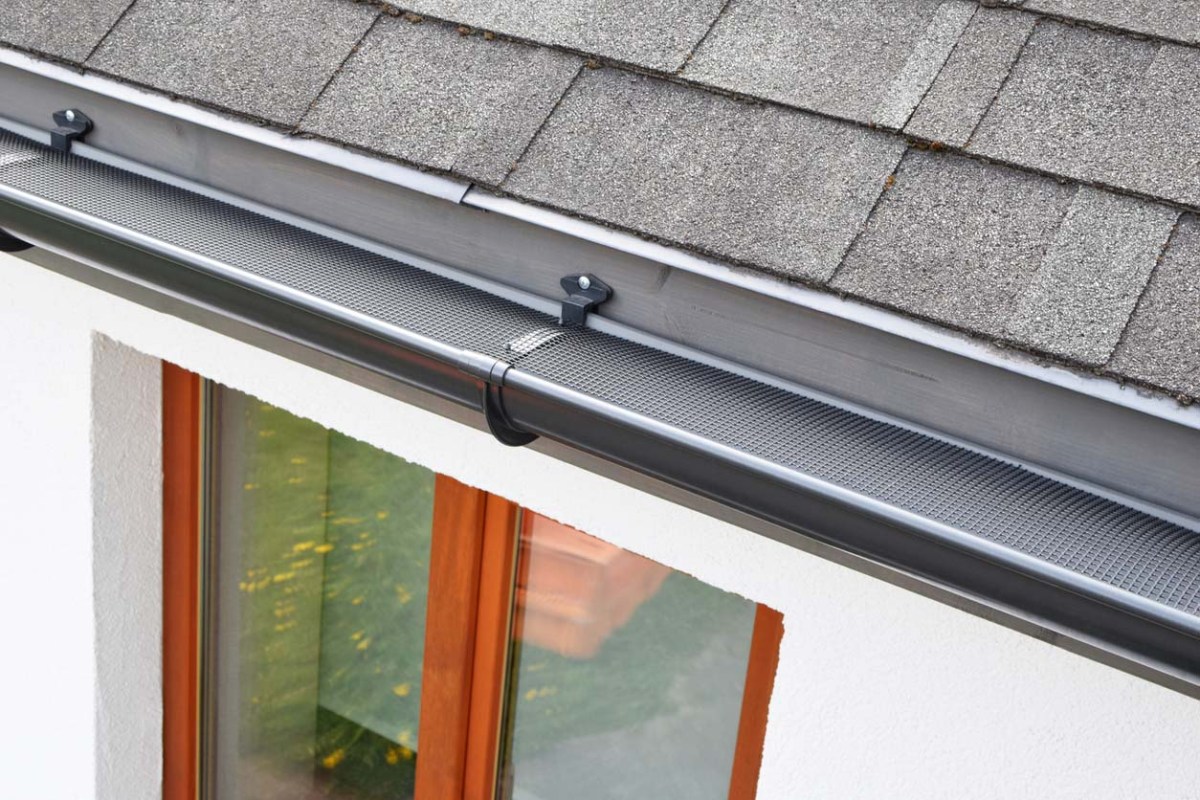
Rain gutter guards are covers, screens, inserts, or filtering systems installed over or inside gutters. Their job is simple: let rainwater enter the gutter while keeping out leaves, pine needles, seed pods, roofing grit, twigs, and whatever mysterious biological experiment is growing in the corner over your garage.
A working gutter system matters because it directs roof runoff away from siding, landscaping, walkways, crawl spaces, and foundations. When gutters clog, water can spill over the edges, soak the soil near the house, stain exterior walls, damage fascia boards, and create moisture problems in basements or crawl spaces.
Gutter guards do not replace gutters. They are an accessory that helps the gutter system stay clearer for longer. Think of them as a bouncer at the door: they cannot stop every troublemaker, but they can keep the crowd from getting wildly out of hand.
The Short Answer: When Gutter Guards Are Worth the Money
Gutter guards are usually worth the money when your home has recurring debris problems, expensive gutter-cleaning needs, or difficult roof access. They can be especially valuable when the alternative is climbing a ladder multiple times each year to remove wet leaves and compacted muck.
Gutter Guards Are Often Worth It If You Have:
- Large deciduous trees, pine trees, palms, or heavy seed-producing trees near the roofline
- Frequent gutter clogs, overflowing corners, or blocked downspouts
- A two-story home, steep roof, or awkward landscaping that makes gutter cleaning difficult
- Physical limitations that make ladder work unsafe or impractical
- Heavy rainstorms that expose weak spots in the gutter system
- A history of water pooling near the foundation, basement moisture, or washed-out mulch beds
- Regular bills for professional gutter cleaning
They are less compelling when your house is one story, your gutters are easy to reach, nearby trees are sparse, and cleaning takes only a few minutes once or twice a year. In that case, a premium system can feel like buying a snowplow for a driveway that sees one flake every other winter.
How Much Do Gutter Guards Cost?
The cost of gutter guards ranges from relatively inexpensive DIY screens to professionally installed systems that can cost several thousand dollars. The biggest pricing factors are the number of linear feet of gutters, home height, roof pitch, guard type, existing gutter condition, labor rates, and whether repairs are needed before installation.
Basic DIY gutter screens, foam inserts, and brush-style guards are usually the least expensive. They can make sense for a one-story home with straightforward gutters and a homeowner comfortable using a ladder safely. However, low-cost products often require more frequent replacement, cleaning, or adjustment.
Professional micro-mesh and reverse-curve systems cost more because they are fitted to the roofline and often include custom installation, stronger materials, warranty coverage, and labor. These higher-end systems can be worthwhile for homes with persistent leaf buildup, pine needles, tall rooflines, or a strong desire to reduce ladder work.
Do not judge a gutter guard quote by price alone. A cheap guard that traps debris, bends under snow, or sends water shooting over the gutter during a downpour is not a bargain. It is merely a more expensive way to become annoyed.
The Main Benefits of Rain Gutter Guards
1. Less Gutter Cleaning
The most obvious benefit is reduced maintenance. Gutter guards can keep larger debris out of the trough, which means fewer full cleanouts. Instead of removing dense leaf compost from every section of gutter, homeowners may only need to brush debris off the top of the guards and inspect the downspouts periodically.
That word is important: reduced. Not eliminated. Even high-quality gutter guards can collect pollen, roof grit, shingle granules, seeds, moss, and fine debris. A good guard lowers the workload; it does not grant your gutters diplomatic immunity from nature.
2. Better Water Flow During Normal Rainfall
When gutters remain clear, water can travel more easily toward the downspouts. This helps protect landscaping and directs runoff away from the house. Clean gutters are also less likely to hold standing water, which can contribute to corrosion in some metal gutter systems and create a cozy resort destination for insects.
3. Fewer Ladder Trips
For many homeowners, this is the real value. Ladder work is risky, especially around wet roofs, uneven ground, landscaping, power lines, or slippery leaves. A gutter guard system that meaningfully reduces the number of cleanings may be worth more than the direct financial savings alone.
4. Protection for Gutters and Fascia
Wet debris is heavy. When it piles up in gutters, it can hold moisture against the metal, strain hangers, block downspouts, and contribute to overflow near the fascia. Guards can reduce the amount of debris sitting inside the gutter, helping the system stay cleaner and lighter.
5. Better Long-Term Drainage Habits
A gutter guard project often reveals other drainage problems that need attention: loose gutters, poor slope, damaged downspouts, missing extensions, undersized gutters, or water dumped too close to the foundation. In that sense, guards can be part of a larger rainwater-management upgrade rather than a lonely little purchase in a hardware-store aisle.
The Drawbacks: Why Gutter Guards Are Not Always Worth It
They Are Not Maintenance-Free
Marketing language can make gutter guards sound like a permanent vacation from home maintenance. Reality is more grounded. Leaves may collect on top of the guards. Pine needles can cling to mesh. Fine debris can pass through. Downspouts can still clog. Gutters can still loosen, sag, leak, or become damaged by snow and storms.
You should still inspect the system at least seasonally and after severe weather. A five-minute ground-level check can reveal overflow, sagging, debris piles, or water pouring over an edge like the house has developed a small waterfall feature nobody requested.
Some Guards Struggle With Heavy Rain
Not all guard designs handle fast roof runoff equally well. During intense rain, water can sometimes skim across a guard surface and overshoot the gutter rather than flow through it. This is more likely when the guard is poorly installed, the roof pitch is steep, the gutter is undersized, or the system is clogged with debris.
That is why it is wise to ask installers how their product performs during heavy rain, not only how it performs under a charming handful of dry autumn leaves.
Cheap Products Can Create New Problems
Foam inserts, brush guards, and light plastic screens can be useful budget options, but they may trap fine debris, deteriorate faster, shift out of place, or become difficult to clean. They are not automatically bad; they are simply better suited to some homes than others.
Installation Can Affect Your Roof
Some gutter guards attach under shingles, onto the fascia, or into the gutter edge. Incorrect installation can interfere with water flow, damage gutters, create roof concerns, or complicate warranty coverage. Always ask how the system is attached and whether the installer has experience with your roof type.
A Premium Quote May Not Pay Back Quickly
If you spend thousands on gutter guards but previously paid for one inexpensive cleaning per year, the financial return may be slow. That does not automatically make the purchase foolish; safety, convenience, and peace of mind have value. Still, it is wise to separate “this makes life easier” from “this will definitely save money fast.”
Types of Gutter Guards: Which One Is Best?
Screen Gutter Guards
Screen guards are usually metal or plastic covers with openings large enough for water to enter while blocking leaves and larger debris. They are one of the most common options because they are relatively affordable and simple.
Best for: Homes with broad leaves and moderate debris.
Watch out for: Pine needles, roof grit, and small seeds that can slip through or sit on top.
Micro-Mesh Gutter Guards
Micro-mesh guards use much smaller openings to filter finer debris, including pine needles and shingle grit. Many high-end systems use stainless steel or aluminum mesh.
Best for: Homes surrounded by pine trees, maples, oaks, or mixed debris.
Watch out for: Higher cost and the need for precise installation.
Reverse-Curve Gutter Guards
Reverse-curve systems use a curved surface to guide water into the gutter while debris falls away. They are often professionally installed and may be integrated with the gutter system.
Best for: Homeowners seeking a durable, professionally fitted system.
Watch out for: Higher prices and possible overshoot issues if the product is poorly matched to the roofline.
Foam Gutter Guards
Foam inserts sit inside the gutter and allow water to pass through while blocking larger debris. They are affordable and easy to install, which makes them tempting for DIY projects.
Best for: Short-term or low-cost solutions on easy-to-access gutters.
Watch out for: Debris buildup, moisture retention, deterioration, and frequent maintenance.
Brush Gutter Guards
Brush-style guards resemble oversized pipe cleaners placed inside the gutter. Leaves tend to rest on top while water flows around the bristles.
Best for: Low-budget, temporary use in mild debris conditions.
Watch out for: Debris getting caught in the bristles and creating a fuzzy little nest of frustration.
How to Decide Whether Gutter Guards Make Financial Sense
Before approving a quote, answer these questions honestly:
- How often do your gutters clog now?
- How much do you spend annually on professional cleaning?
- How hard or risky is it to reach the gutters?
- What type of debris lands on your roof?
- Does rainwater currently overflow near your foundation or landscaping?
- Are your existing gutters properly sized, sloped, and securely attached?
- Will the quoted system actually fit your roof and local weather conditions?
A simple way to evaluate the investment is to compare the installed price with your expected cleaning costs over several years. Then add the value of convenience and reduced ladder exposure. For example, if a homeowner pays for multiple cleanings each year, owns a two-story house, and has mature trees dropping leaves and needles, a durable guard system may be an easy decision.
By contrast, a one-story home in a low-debris neighborhood may do perfectly well with scheduled cleaning and properly extended downspouts. The best home upgrade is not always the fanciest one. Sometimes it is the boring, affordable fix that keeps water moving where it belongs.
What to Ask Before Hiring a Gutter Guard Installer
- What type of debris does this system handle best?
- How does it perform during heavy rain?
- Will it work with my existing gutters, roof pitch, and shingle type?
- Will you repair, rehang, reseal, or resize gutters before installing guards if needed?
- How is the guard attached?
- Does installation affect my roof warranty?
- What exactly does the warranty cover: materials, labor, clogs, cleanings, or service calls?
- What maintenance will still be required?
- Can I see proof of licensing, insurance, and local references?
Get at least two or three written estimates when possible. A good installer should inspect the roofline and drainage system, not simply measure the gutter length and deliver a dramatic sales presentation involving phrases such as “today only” and “lifetime protection.” Your roof is not a timeshare. Take a breath.
Do Gutter Guards Increase Home Value?
Gutter guards usually do not add dramatic resale value on their own. Buyers are more likely to see them as a practical maintenance feature than as a major luxury upgrade. However, a clean, properly functioning drainage system can support better curb appeal and reassure buyers that the home has been cared for.
The real value is often indirect. Guards can help maintain cleaner gutters, reduce visible overflow stains, protect landscaping, and lower the chance that neglected debris becomes a bigger maintenance problem. They are not likely to cause a bidding war, but they can help prevent the kind of ugly exterior issue that makes a buyer wonder what else has been ignored.
Final Verdict: Are Rain Gutter Guards Worth the Money?
Rain gutter guards are worth the money for many homeowners, especially those with tall homes, frequent clogs, nearby trees, difficult roof access, or recurring gutter-cleaning costs. A quality system can reduce debris buildup, make rainwater management more reliable, and cut down on risky ladder work.
They are not worth it simply because a salesperson says every house needs them. Homes with little debris, easy access, and low cleaning costs may be better served by regular maintenance and a solid drainage checkup. The smartest choice is the one that matches your home’s actual needsnot the one with the loudest advertisement.
Choose the right guard type, make sure your gutters are in good condition first, ask detailed installation questions, and remember the golden rule: gutter guards reduce maintenance, but they do not turn your gutters into a self-cleaning spaceship.
Homeowner Experiences: What Gutter Guard Value Looks Like in Real Life
The following examples are composite homeowner scenarios based on common gutter conditions, installation decisions, and maintenance experiences.
Experience 1: The House Under the Oak Trees
Imagine a two-story home with three mature oak trees hanging over the roof like they pay the mortgage. Every fall, the gutters fill with leaves, acorns, twigs, and enough organic material to start a tiny forest preserve. The homeowner used to hire a gutter-cleaning service twice a year and occasionally a third time after a windy storm.
At first, the homeowner hesitated at the price of professionally installed micro-mesh guards. The quote felt steep because gutter guards are not exactly the kind of purchase you show off at dinner parties. Nobody says, “Come see our new gutter protection system,” unless they are either very enthusiastic about drainage or have run out of conversational topics.
After installation, the homeowner noticed that leaves still gathered on top of the guards, especially after heavy wind. But instead of packed debris inside the gutters, most of the leaves dried out and blew away or could be brushed off from a ladder-safe position. The downspouts stayed clearer, the gutters stopped overflowing near the porch, and the cleaning schedule became much less demanding.
For this homeowner, the value was not only in saving on cleanings. It was also in avoiding the stress of watching water pour over the gutter edge during storms. The guards did not create a maintenance-free home, but they turned a recurring problem into a manageable one.
Experience 2: The One-Story Home With Almost No Trees
Now picture a single-story ranch house in a newer neighborhood with few large trees nearby. The homeowner receives only a small amount of leaf debris each year, and the gutters are easy to reach with a stable ladder. Cleaning takes less than an hour in the fall and perhaps a quick check in spring.
A premium gutter guard company offers a high-priced system with a long warranty. The homeowner likes the pitch but starts asking practical questions: How often do the gutters actually clog? How much does cleaning cost? Is ladder work a major concern? Does the home receive pine needles, heavy leaf litter, or roof grit?
The answers reveal that the problem is minor. Instead of buying an expensive full-house system, the homeowner chooses regular cleaning, replaces one loose downspout extension, and improves the grading near a flower bed where water had been collecting. The result is better drainage without spending thousands on a feature the house does not truly need.
This is not a story about skipping gutter guards because they are bad. It is a story about buying the right solution. Sometimes the smartest home-improvement decision is knowing when a smaller repair does the job.
Experience 3: Pine Needles, Heavy Rain, and a Bad First Choice
A homeowner in a wooded area installs low-cost foam gutter inserts after getting tired of pine needles clogging the gutters. The installation is easy, the price is attractive, and for a few months everything seems fine. Then rain, pollen, roof grit, and small needles begin collecting around the foam.
The homeowner eventually discovers that the foam did not solve the problem as expected. It blocked larger leaves, but fine debris still accumulated, and cleaning the gutters became awkward because the inserts had to be removed and replaced. After a couple of seasons, portions of the foam started to break down.
Later, the homeowner upgrades to a properly fitted micro-mesh guard designed for smaller debris. The second system costs more, but it performs better for the actual conditions around the house. The lesson is simple: the cheapest guard is not always the least expensive choice over time.
Experience 4: The Real Benefit Was Safety
For another homeowner, gutter guards make sense even though the direct payback is modest. The home has high gutters above a sloped driveway, and climbing a ladder is uncomfortable and risky. The homeowner does not mind occasional outdoor chores but has no desire to balance above concrete while holding a bucket of wet leaves.
Installing durable guards reduces the frequency of full gutter cleanings and makes seasonal inspections simpler. The homeowner still hires a professional for occasional service, but less often. In this situation, the investment is not mainly about leaf removal. It is about reducing exposure to a task that has more risk than reward.
That may be the best way to think about rain gutter guards. Their worth is not measured only in dollars. It is measured in cleaner gutters, fewer clogs, better drainage, less time spent on ladders, and one less home-maintenance chore trying to ruin a perfectly good Saturday.