Flannel shirt fall coasters are the tiny home decor project that says, “I own a pumpkin candle, I have opinions about cider, and yes, this coffee table deserves a sweater.” They are cozy, practical, budget-friendly, and wonderfully forgiving. If you can cut a square, press fabric, sew a mostly straight line, or convince glue to behave for five minutes, you can make them.
The best part? These coasters can be made from old flannel shirts, thrift-store finds, leftover fabric scraps, cork tiles, felt, batting, or even ceramic tiles. They fit right into fall decorating because plaid, buffalo check, tartan, and brushed cotton all bring that warm cabin feeling without requiring you to chop firewood or move to Vermont.
This guide covers what flannel shirt coasters are, why they work so well for fall, how to make them several different ways, what materials hold up best, and how to style them for everyday use, gifting, parties, and Thanksgiving tables. We will also discuss real crafting lessons learned from making them, including what happens when plaid lines refuse to line up like civilized citizens.
What Are Flannel Shirt Fall Coasters?
Flannel shirt fall coasters are handmade drink coasters covered, sewn, or layered with flannel fabric, often cut from old plaid shirts. They are usually square, round, or slightly rustic in shape, and they protect tables from hot mugs, cold glasses, and the mysterious wet ring that appears whenever iced drinks feel dramatic.
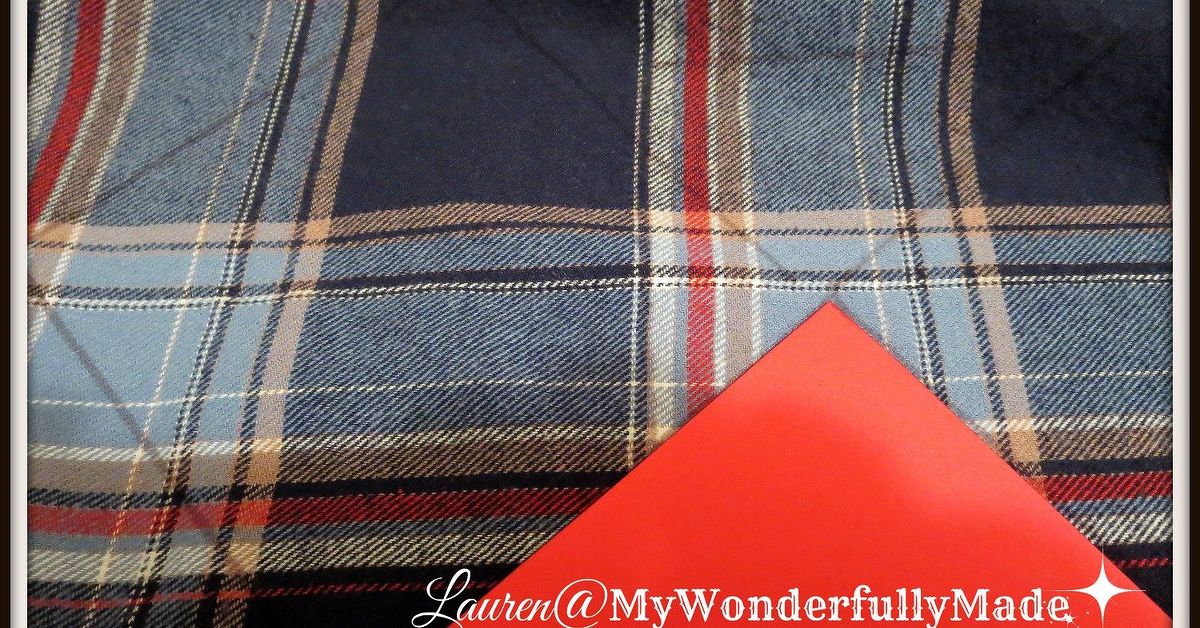
Unlike store-bought coasters that may feel too polished or generic, DIY flannel coasters have texture and personality. A red buffalo check set can make a farmhouse kitchen feel instantly seasonal. A navy-and-green plaid set feels more cabin-inspired. A tan, rust, and cream flannel looks beautiful with pumpkins, wheat bundles, wood trays, and neutral fall decor.
Why Flannel Works So Well for Fall Coasters
Flannel is popular in fall decor because it has visual warmth. Even before anyone touches it, the brushed surface looks soft. The plaid patterns often include autumn-friendly colors like burgundy, forest green, mustard, brown, cream, charcoal, and orange. In other words, flannel shows up already dressed for leaf season.
From a practical crafting standpoint, flannel is also easy to cut, fold, stitch, glue, and layer. Cotton flannel is especially beginner-friendly, though it can shrink and fray if ignored. That is why prewashing is a smart move, especially if you plan to sew washable fabric coasters. Flannel can also pill over time, so gentle washing and low-heat drying help preserve its cozy texture.
Main Styles of Flannel Shirt Fall Coasters
1. Sewn Flannel Fabric Coasters
The sewn version is soft, reversible, washable, and great for beginners. A common approach uses two squares of flannel and one inner layer of felt, cotton batting, fusible fleece, or interfacing. The inner layer adds thickness and helps the coaster feel stable instead of floppy, which is important unless your goal is a tiny plaid napkin with identity issues.
For a standard coaster, cut two 5-inch squares of flannel and one 5-inch square of felt or batting. Stack the pieces with the flannel right sides facing together and the felt or batting on the outside. Sew around the edges with a small opening, turn the coaster right side out, press it flat, then topstitch around the edge. The result is simple, clean, and useful.
2. Cork-Backed Flannel Coasters
Cork-backed flannel coasters are excellent if you want structure and a more traditional coaster feel. Cork is lightweight, easy to cut, and naturally works well under drinks because it adds grip and separation between moisture and the table. To make this version, cut cork into 4-inch squares, cut flannel slightly larger, attach the fabric with craft adhesive, fold or trim the edges, and finish with pinking shears or stitching.
This style is especially attractive when made from thrifted shirts because the cork gives the soft flannel a firm base. Add embroidery floss around the edge for a handmade detail. A simple running stitch, blanket stitch, or whipstitch can turn a plain square into something that looks boutique-shop fancy, minus the boutique-shop price tag.
3. No-Sew Tile Flannel Coasters
No sewing machine? No problem. Ceramic tile coasters are a great option for crafters who prefer glue, sealant, and a clean work surface. Cut flannel slightly larger than a square tile, adhere it smoothly to the top, fold or trim the edges, and seal the fabric with a water-resistant craft finish if desired. Add felt pads or cork to the bottom so the tile does not scratch your table.
This version is heavier than fabric or cork coasters, which can be good for coffee tables, desks, and outdoor fall gatherings. However, it is less washable, so it works best as a decorative coaster for mugs, candles, small planters, or seasonal trays.
Best Materials for Flannel Shirt Fall Coasters
The charm of this project is that it can be made with inexpensive materials. You do not need a professional sewing studio, a wall of perfectly organized thread, or a crafting room that looks like it has never met a glue stick. A clean table and a few supplies are enough.
Basic Supply List
- Old flannel shirt or cotton flannel fabric
- Felt, cotton batting, fusible fleece, cork, or ceramic tiles
- Fabric scissors, pinking shears, or rotary cutter
- Cutting mat and ruler
- Sewing machine or hand-sewing needle
- Thread or embroidery floss
- Iron and ironing board
- Fabric glue, spray adhesive, or craft sealant for no-sew versions
- Felt pads or cork backing for hard coasters
Choosing the Right Flannel Shirt
The best shirts are clean, soft, and not too thin. Thicker flannel gives the coaster more body and texture. Look for patterns that can be cut into attractive small sections. Large plaids can look bold and graphic, while smaller checks feel tidy and classic. Avoid shirts with heavy stains, weak fabric, or worn-out elbows unless you enjoy playing “find the usable square” like a very specific autumn treasure hunt.
Prewash and dry the shirt before cutting. This removes dust, softens the fabric, and helps prevent shrinkage later. Press the fabric flat before measuring. Flannel can shift while cutting because of its soft weave, so using a rotary cutter and ruler often gives cleaner results than freehand cutting.
Step-by-Step: How to Make Sewn Flannel Shirt Fall Coasters
Step 1: Prepare the Shirt
Wash, dry, and iron the flannel shirt. Cut along the seams to open the shirt into flat pieces. The back panel usually gives the largest uninterrupted fabric area, while sleeves and front panels are great for smaller coasters. Save buttons, cuffs, and pockets for other projects; flannel shirts are basically craft buffets.
Step 2: Cut the Squares
For each coaster, cut two 5-inch squares of flannel and one 5-inch square of felt or batting. If you prefer a smaller finished coaster, use 4.5-inch squares. If you drink from mugs the size of soup bowls, go bigger. No judgment. Hydration has many personalities.
Step 3: Layer the Pieces
Place one flannel square right side up. Place the second flannel square right side down on top of it. Add the felt or batting layer on top. Pin or clip the layers together. If the plaid pattern matters to you, check alignment before sewing. It is easier to fix now than after the coaster is turned, pressed, and emotionally committed.
Step 4: Sew Around the Edge
Sew around the coaster with a 1/4-inch seam allowance, leaving a 2-inch opening on one side. Backstitch at the beginning and end so the seam stays secure. Trim the corners carefully without cutting through the stitching. This reduces bulk and helps the corners look sharper after turning.
Step 5: Turn and Press
Turn the coaster right side out through the opening. Use a blunt tool, such as a chopstick or turning tool, to gently push out the corners. Press the coaster flat with an iron. Fold the raw edges of the opening inward so they line up with the sewn seam.
Step 6: Topstitch
Topstitch around the coaster about 1/8 inch from the edge. This closes the opening and gives the coaster a polished finish. You can add a second line of stitching for a quilted look or sew an X from corner to corner to keep the layers from shifting during washing.
Creative Design Ideas
Mix Plaid Patterns
Use a different flannel on each side for reversible coasters. Try red buffalo check on one side and gray plaid on the other. This lets you switch from “apple orchard weekend” to “moody cabin evening” with one flip.
Add Denim or Chambray
Old jeans or chambray shirts pair beautifully with flannel. A denim backing adds structure and gives the coaster a rugged farmhouse look. It also makes the project feel more upcycled and less like you accidentally sacrificed one shirt for no reason.
Use Shirt Details
Buttons, pockets, cuffs, and seams can become decorative elements. A pocket corner on a coaster looks playful and unexpected. A cuff edge can add a finished border. Just avoid bulky buttons directly under mugs unless you want your coffee to wobble like it has stage fright.
Try Embroidery
Add tiny embroidered leaves, initials, acorns, pumpkins, or simple lines around the edges. Embroidery floss in cream, rust, mustard, or dark green looks especially seasonal. Personalized coasters make great hostess gifts, teacher gifts, housewarming gifts, and “I made this instead of buying another candle” gifts.
How to Style Flannel Shirt Fall Coasters
Flannel coasters look best when styled with natural textures. Place them on a wooden tray with a ceramic mug, mini pumpkins, pinecones, dried orange slices, or a small vase of fall stems. They also pair well with stoneware, amber glass, brass accents, woven baskets, and chunky knit throws.
For a Thanksgiving table, make a set using coordinated but not identical plaids. Place one coaster at each setting under a water glass or mug. You can tuck a small name tag under the coaster or tie a stack of four with twine for guests to take home. Suddenly, your table has favors, decor, and function. That is called multitasking, and it deserves pie.
Gift Ideas Using Flannel Coasters
Flannel shirt fall coasters are excellent handmade gifts because they are small, useful, and easy to customize. Bundle four coasters with a bag of coffee, hot cocoa mix, tea bags, cinnamon sticks, or a small jar of honey. Wrap the set with twine and add a kraft paper tag. For a more polished gift, place the coasters in a small wooden crate or mug.
These coasters also work well for craft fairs and seasonal markets. Sets made from thrifted shirts can be affordable to produce, especially if each shirt yields multiple coasters. Offer different color families: classic red plaid, neutral farmhouse, woodland green, black-and-white buffalo check, and warm autumn tones.
Common Mistakes to Avoid
Skipping the Prewash
Flannel can shrink, especially cotton flannel. If you sew first and wash later, your coaster may pucker or twist. Prewashing helps the fabric settle before construction.
Using Fabric That Is Too Thin
Thin flannel may look cute but can feel flimsy. Add felt, batting, fusible fleece, or cork to give the coaster structure.
Forgetting Moisture Protection
Fabric coasters absorb small amounts of condensation, but they are not waterproof. For iced drinks that sweat heavily, cork-backed or tile-backed versions may protect surfaces better. You can also add a moisture-resistant layer or use the fabric coasters mainly for warm mugs.
Cutting Plaid Without a Plan
Plaid has lines, and lines love to reveal crooked cutting. Use a ruler, line up the pattern, and cut slowly. A slightly rustic look is charming; a wildly tilted plaid square may look like it survived a leaf blower.
Care and Cleaning Tips
Sewn fabric coasters can usually be washed gently, especially if made from prewashed cotton flannel and sturdy stitching. Use cold or warm water, a gentle cycle, and low heat drying. Press them afterward if needed. Avoid bleach and harsh treatments because flannel’s soft surface can pill or fade with rough care.
Cork or tile versions should be spot cleaned unless the materials and adhesives are fully washable. Wipe spills quickly and let the coaster dry completely before stacking. If a coaster begins to curl at the edges, press it under a heavy book after it dries. Choose a book you do not mind temporarily assigning to coaster therapy.
Experience Section: Real-Life Lessons from Making Flannel Shirt Fall Coasters
The first thing you learn when making flannel shirt fall coasters is that one old shirt contains more crafting potential than seems legally possible. At first, you look at the shirt and think, “Maybe I can get four coasters out of this.” Then you cut it open, flatten the back, inspect the sleeves, and realize you have entered the cozy textile economy. The back panel becomes coasters. The sleeves become mug cozies. The cuffs become napkin rings. The buttons go into a jar because apparently every crafter is required to own a button jar eventually.
The second lesson is that plaid alignment matters, but perfection does not. A perfectly centered buffalo check square looks crisp and intentional. But a slightly off-center plaid can still look warm, handmade, and charming. The trick is to make choices look deliberate. If one coaster is rustic, make the whole set rustic. If one has diagonal plaid, cut the others diagonally too. This is not a mistake; it is a design direction wearing boots.
Another experience worth sharing is that flannel behaves better after pressing. Before ironing, it can look rumpled and uncertain, like it just woke up from a nap. After pressing, the squares cut cleaner, the seams sit flatter, and the final coaster looks more professional. Pressing also helps reveal whether the fabric is too worn or stretched. If a piece refuses to lie flat, use it for a rag wreath or another project instead of forcing it into coaster duty.
When testing different inner layers, felt is the easiest for beginners. It gives softness and thickness without adding much bulk. Cotton batting creates a quilted, cushioned feel and works nicely when you add topstitching. Fusible fleece gives a smoother, slightly padded finish. Cork gives the most structure and feels more like a traditional coaster. Ceramic tile makes the coaster sturdy and giftable, but it is less cozy to the touch and needs careful finishing on the bottom.
One practical discovery is that dark flannel hides coffee marks better than light flannel. Cream and white plaids are beautiful, but they are honest. They will report every cocoa drip to the entire household. Dark red, green, navy, charcoal, and brown plaids are more forgiving for everyday use. For a decorative set, choose the pretty light fabric. For a family room where people eat snacks while pretending they are “just having tea,” choose darker colors.
Handmade coasters also make gatherings feel more personal. Place a stack near a slow cooker of cider or beside a coffee station, and people actually use them. They pick them up, ask where they came from, and suddenly you are explaining how Uncle Dave’s old flannel became table decor. That little story gives the item warmth beyond the fabric itself. It becomes a conversation piece, not just a square under a mug.
The most satisfying experience is gifting them. A set of four tied with twine looks thoughtful but not overly formal. It says, “I made something for you,” without saying, “Please display this forever or I will inspect your house during the holidays.” They are useful, seasonal, and easy to store. That makes flannel shirt fall coasters one of those rare DIY projects that are fun to make, practical to use, and charming enough to repeat every autumn.
Conclusion
Flannel shirt fall coasters are a small project with big seasonal personality. They turn old shirts and fabric scraps into cozy table decor, handmade gifts, and practical protection for coffee tables, desks, kitchen islands, and Thanksgiving place settings. Whether you sew them with felt, back them with cork, or make a no-sew tile version, the result is warm, rustic, and wonderfully useful.
The beauty of this project is that it does not demand perfection. A little fray, a slightly uneven stitch, or a quirky plaid placement can make the coaster feel more handmade and inviting. With the right fabric, a sturdy inner layer, and a few simple finishing touches, your flannel shirt fall coasters can bring autumn charm to your home one mug at a time.
Note: This article synthesizes real DIY sewing, upcycling, fabric-care, coaster-making, and fall decorating guidance from reputable U.S. craft, home, and sewing resources, rewritten in original language for web publication.