Note: Body-only HTML, ready for copying and web publishing.
Every fall, gardeners everywhere perform the same dramatic ritual: rake, bag, haul, repeat. It is basically cardio with worse scenery. But before you treat fallen leaves like yard waste, here is the plot twist: those crunchy piles are one of the cheapest, easiest, and most useful soil-building materials your garden will ever get for free.
Leaves are not garbage in disguise. When handled the right way, they become mulch, compost ingredients, soil conditioners, weed blockers, moisture savers, and even winter habitat for beneficial insects and other backyard wildlife. In other words, your trees are not making a mess. They are making a delivery.
If you want a healthier garden without spending more on bagged mulch or soil amendments, fallen leaves deserve a spot in your routine. The trick is knowing where they help, where they do not, and how to use them without accidentally smothering your lawn, stressing your plants, or building a mulch volcano around a tree trunk like it is auditioning for a disaster movie.
Here is how to put fallen leaves to good use in your garden, plus the common mistakes smart gardeners avoid.
Why Fallen Leaves Are Garden Gold
Fallen leaves are packed with organic matter. As they break down, they help improve soil structure, feed beneficial microbes, support earthworms, and make soil better at holding both air and moisture. That matters whether you are gardening in sand that drains too fast, clay that feels like a brick, or the mysterious in-between soil that somehow manages to be both sticky and dry.
They also help reduce erosion, protect bare soil, and moderate temperature swings. A layer of leaf mulch can keep roots cooler in warm weather, reduce evaporation, and make weed seeds work harder for their big moment. And when leaves are chopped and used correctly, they can even return nutrients back to lawns and garden beds over time.
There is also a sustainability bonus. Reusing leaves in your yard keeps useful organic material out of landfills, cuts down on hauling and disposal, and gives your garden a closed-loop system that works more like nature. Forests have been running this program successfully for quite a while.
Best Ways to Use Fallen Leaves in Your Garden
1. Shred Them and Use Them as Mulch
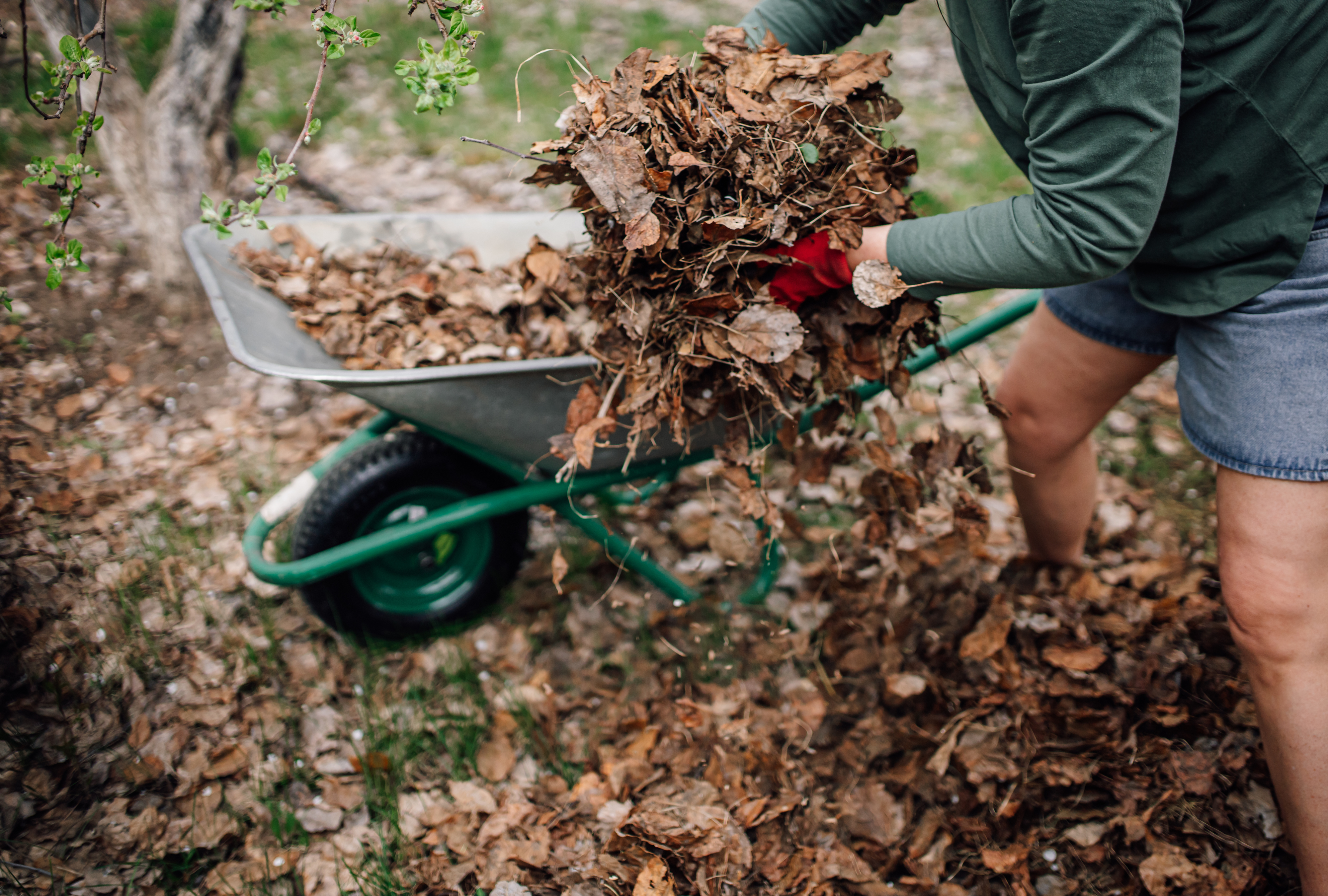
One of the easiest ways to reuse leaves is to shred them and spread them as mulch around ornamental beds, shrubs, and many vegetable plantings. Shredded leaves break down faster than whole leaves and are less likely to mat together into a soggy blanket that blocks air and water.
A light to moderate layer works best. Spread them around plants, but keep the mulch away from stems and tree trunks. That little gap matters. Piling mulch directly against a trunk can trap moisture, encourage rot, and invite pests. Trees do not need leaf turtlenecks.
Leaf mulch works especially well in flower beds, around shrubs, between garden rows, and in spaces where soil would otherwise sit bare through the cooler months. It can also help reduce splashing soil, which is useful for plants that hate having muddy leaves after rain.
2. Make Leaf Mold
If compost is the overachiever, leaf mold is the laid-back genius. Leaf mold is simply partially or fully decomposed leaves. It is created mostly by fungi rather than the faster bacterial action that drives a hot compost pile. Translation: it is slower, but very low effort.
To make it, collect leaves, shred them if possible, moisten them, and pile them in a bin, wire cage, or breathable bags with air holes. Then let time do the heavy lifting. Depending on how finely the leaves are chopped and how often you manage the pile, leaf mold may take many months to a year or more.
The payoff is worth it. Finished leaf mold is dark, crumbly, and excellent for improving soil tilth and water-holding capacity. Mix it into beds, use it as a top dressing, or blend it into planting areas that need more organic matter. It is especially handy in gardens where the soil dries out too quickly.
3. Add Leaves to Your Compost Pile
Fallen leaves are a classic “brown” ingredient in compost, which means they provide carbon. To compost efficiently, pair them with “green” materials that supply nitrogen, such as grass clippings, fruit and vegetable scraps, coffee grounds, or fresh garden trimmings.
Leaves alone will eventually break down, but a mixed pile cooks faster. Chop leaves first if you want to speed things up. Keep the pile moist like a wrung-out sponge, and turn it often enough to let oxygen in. A pile that is too dry will stall. A pile that is too wet will get smelly and sulky.
Another smart move is to save dry leaves in bags or bins so you have brown material ready to balance kitchen scraps or grass clippings later. Gardeners often run out of browns at exactly the moment their compost pile starts acting weird. Stockpiling leaves is the compost equivalent of meal prep.
4. Mulch Leaves Into the Lawn
Yes, your lawn can eat some of its fall leaves. In fact, mulching a thin layer of dry leaves directly into turf is often easier than raking and can help return organic matter and nutrients to the soil.
The key is particle size and timing. Mow leaves when they are dry, and chop them finely enough that the pieces fall between the grass blades rather than sitting on top like a blanket. If the leaf layer is thick, make more than one pass or remove some and use it elsewhere in the garden.
This method works best when you keep up with it regularly through the season. Wait too long, and the lawn disappears under a leafy comforter it did not ask for. If little or no grass is visible, that is your cue to collect and redistribute the excess rather than forcing the lawn to fight for light.
5. Blanket Empty Beds and Garden Paths
Leaves are great for covering bare soil in vegetable beds during the off-season, especially if the bed is resting before spring planting. A loose layer helps protect the soil surface, reduces erosion, and starts the slow process of feeding the soil life below. You can also use leaves in paths between garden rows to reduce mud and compaction.
This is especially helpful in beds that would otherwise sit exposed through rain, wind, and winter weather. Just remember that loose, shredded leaves are better than dense mats of whole leaves.
For perennial beds, use judgment. Some garden areas benefit from a natural leaf layer, but deep piles directly over crowns can trap moisture and cause trouble. Leaves are not the best winter mulch for every plant. Straw or other materials may be better choices for sensitive plants such as strawberries and some herbaceous perennials.
6. Build New Beds with Layering
Fallen leaves are useful in sheet mulching or lasagna gardening, where organic materials are layered to smother weeds and build soil over time. Think cardboard, compost, leaves, and other organic layers stacked like a casserole for people who love earthworms.
In this setup, leaves add carbon-rich bulk and help create a future planting bed with better texture and more organic matter. They are particularly useful when starting a new flower border, expanding a vegetable plot, or trying to improve tired soil without aggressive tilling.
7. Use Them to Insulate Soil and Support Wildlife
Not every leaf needs to be raked into submission. In some garden corners, leaving a modest amount of leaf litter in place can support overwintering insects and other wildlife. That matters because many beneficial creatures use fallen leaves as shelter during colder months.
A less manicured patch under shrubs or along the edge of the yard can serve as habitat while still looking intentional. This is a good strategy if you want a more ecological garden without letting the entire yard become a crunchy free-for-all.
Common Mistakes to Avoid
Do Not Use Diseased Leaves Everywhere
Not all fallen leaves deserve a second act. If leaves came from plants with serious disease issues, especially in vegetable gardens, fruit plantings, or problem-prone ornamentals such as roses, it is safer to remove and dispose of them rather than composting or mulching them nearby. Many home compost piles do not get hot enough to kill pathogens consistently.
In other words, healthy leaves are a resource. Diseased leaves can be a repeat customer, and not the fun kind.
Do Not Smother the Lawn
Leaves mulched into turf can help the lawn. Thick, wet layers of whole leaves can do the opposite. If the grass is buried under a solid mat, light and air are blocked, and dead patches may follow. Mow often, chop finely, and remove the excess when needed.
Do Not Pile Leaves Against Tree Trunks
Using leaves around trees is fine. Packing them tightly against the trunk is not. Keep mulch shallow and pulled back from the base. Tree roots appreciate mulch; tree bark appreciates breathing room.
Be Careful with Black Walnut Leaves
Fresh black walnut leaves are not the best choice for direct mulching around sensitive plants because of juglone concerns. However, a well-managed compost pile can break down that compound over time. If you are unsure, err on the cautious side and avoid using fresh walnut leaves right where you are growing susceptible plants.
Do Not Burn Them
Burning leaves wastes valuable organic matter and adds smoke and particle pollution to the air. From a garden perspective, it is like setting fire to a free soil amendment. From a neighborhood perspective, it is a fast way to become unforgettable for all the wrong reasons.
A Simple Fallen Leaf Plan for Busy Gardeners
If you do not want to overthink it, here is a practical approach. Mulch a thin layer into the lawn as leaves fall. Collect the rest and shred them. Use some around shrubs and ornamental beds. Add some to compost. Pile the leftovers in a bin to make leaf mold. Remove diseased leaves from problem plants, and keep all mulch away from trunks and crowns that need air circulation.
That one routine turns a seasonal cleanup chore into several useful garden upgrades. Less waste, fewer purchases, healthier soil, happier plants. Not bad for something people usually pay to get hauled away.
Real-World Gardening Experiences with Fallen Leaves
Gardeners who stop bagging every last leaf often notice the change first in the soil. Beds that used to crust over after rain begin to stay looser and easier to work. Clay soils become a little less stubborn. Sandy soils do not dry out quite so fast. The improvement is not flashy in the first week, but by the next growing season many gardeners describe the soil as softer, darker, and more alive. That is the kind of glow-up you do not get from a decorative bag of bark nuggets.
Another common experience is that mulched beds simply need less babysitting. Gardeners who spread shredded leaves around shrubs and flowers often report fewer weeds popping up, less splashing soil after storms, and slower drying during warm spells. It does not mean you can abandon the watering can and move to the beach, but it can mean fewer emergency rescue missions for droopy plants in dry weather.
Composters tend to love leaves once they realize how useful they are as a carbon source. Many beginners struggle with slimy, smelly piles because they add lots of kitchen scraps and not enough browns. Once leaves are added, the pile usually behaves better. It smells earthier, heats more evenly, and becomes easier to manage. Experienced composters often keep a stash of dry leaves specifically because they know the pile will need balance sooner or later.
Lawn care experiences are usually the most surprising. Plenty of people assume leaves must be removed completely for grass to survive, then discover that finely mulched leaves can disappear into the turf with very little drama. Gardeners who mow regularly through fall often say it saves time, reduces bagging, and leaves the lawn looking better than expected. The catch, of course, is consistency. Let leaves pile up for too long, and the lawn starts looking like it lost an argument with autumn.
There is also a noticeable shift in how the garden sounds and feels. A yard with some leaf litter left in the right places tends to feel more active and less sterile. Gardeners often start spotting more birds foraging, more insects tucked into sheltered corners, and more signs that the garden is functioning like an ecosystem rather than a showroom. That does not mean letting diseased debris linger where it can cause trouble. It means understanding that a little seasonal mess can be part of a healthier balance.
Perhaps the most relatable experience is psychological. Once gardeners realize leaves are useful, fall cleanup starts to feel less like punishment and more like harvest. Instead of seeing endless piles of work, they see future mulch, compost ingredients, and soil improvement. The leaves did not change. The mindset did. And honestly, that may be the biggest garden upgrade of all.
Final Thoughts
Fallen leaves are one of the most underused resources in home gardening. Shred them, compost them, turn them into leaf mold, mulch them into the lawn, or spread them where bare soil needs protection. Just avoid using diseased leaves where problems can overwinter, do not smother your lawn or perennial crowns, and never pile mulch against trunks.
Once you start treating leaves like a garden asset instead of a seasonal nuisance, you may never look at your rake the same way again. It is still a tool, of course, but now it is collecting next season’s soil improvement package.