Some DIY projects ask for a trip to the craft store, a cart full of supplies, and the emotional strength to pretend glitter is not going to live in your carpet until the next presidential election. A denim scraps flower pot is not that kind of project. This charming upcycled planter idea uses leftover jean fabric, an ordinary flower pot, and a little creative confidence to turn “I should probably throw this away” into “Wait, did you buy that at a boutique?”
Denim is one of the best materials for casual home and garden decor because it is sturdy, textured, familiar, and forgiving. A crooked cut? Rustic charm. A frayed edge? Design choice. A faded patch from your old favorite jeans? Congratulations, your planter now has a backstory. Whether you are decorating a sunny windowsill, styling a farmhouse porch, making a handmade gift, or trying to reduce textile waste one craft at a time, a denim-covered flower pot gives old fabric a second life without requiring advanced sewing skills.
This guide explains how to make a denim scraps flower pot, which materials work best, how to protect your project from moisture, what plants pair beautifully with denim decor, and how to style the finished piece indoors or outdoors. It is practical, budget-friendly, and just messy enough to feel satisfying.
Note: A denim scraps flower pot works best as a decorative cover around a real planter, not as the only container holding soil and water. Always use an inner pot with drainage holes so your plant does not sit in soggy soil. Plants are dramatic enough without root rot.
What Is a Denim Scraps Flower Pot?
A denim scraps flower pot is a regular planter, tin can, nursery pot, terracotta pot, jar, or plastic container that has been covered or decorated with pieces of denim fabric. The denim may come from old jeans, jackets, skirts, overalls, pockets, seams, waistbands, or tiny leftover pieces from another sewing project.
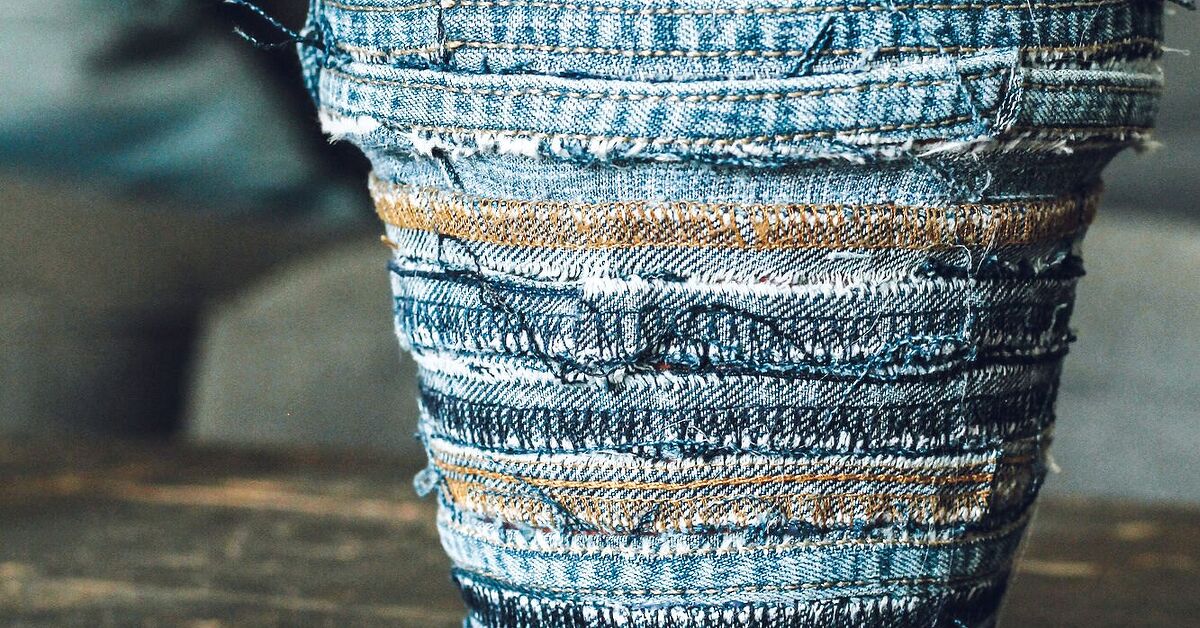
The look can be neat and tailored, like a clean wrap around a pot, or playful and patchwork-style, with different shades of blue layered together. Some crafters use jean pockets as the main design feature. Others add lace, jute twine, buttons, paint, embroidery, iron-on patches, or fabric flowers. The result is a handmade planter that feels relaxed, durable, and personal.
Because denim has a natural structure, it wraps around pots nicely and hides small imperfections. It is also a smart way to upcycle clothing that may be too worn out to donate. Instead of sending old jeans to the trash pile, you can turn them into a cheerful piece of garden decor.
Why Denim Scraps Are Perfect for Flower Pot Crafts
Denim Is Strong and Easy to Handle
Thin craft fabric can wrinkle, stretch, or show glue marks. Denim is heavier, which makes it easier to smooth around a pot. It also holds its shape well, especially when you use seams, pockets, and hems as decorative details. Even small scraps can become useful design elements.
It Has Built-In Texture
Denim already comes with color variation, stitching, fading, whiskering, frayed edges, and seams. That means you do not need to do much to make it interesting. A simple strip from an old pair of jeans can look more stylish than brand-new fabric because it has character. In design terms, this is called texture. In real life, it is called “I saved the good part of my jeans after the knee gave up.”
It Supports a More Sustainable Home
Textile waste is a major household waste problem, and clothing can be difficult to recycle through standard curbside systems. Reusing old denim at home is not a complete solution to the textile waste issue, but it is a meaningful small step. Upcycling encourages you to look at worn-out items as raw materials instead of instant garbage. A denim scraps flower pot is proof that sustainable decor does not have to look like homework.
It Works with Many Decor Styles
Denim pairs well with farmhouse, cottagecore, rustic, boho, coastal, modern casual, kids’ room decor, and porch decorating. Light-wash denim feels breezy and summery. Dark denim looks cleaner and more modern. Frayed patchwork denim feels cozy and handmade. Add white flowers and it looks fresh. Add herbs and it looks practical. Add a tiny gnome and suddenly it has a personality problem, but in a lovable way.
Materials You Need
One of the best things about this DIY flower pot project is that you probably already own most of the supplies. The basic version is simple, but you can customize it depending on your style.
Basic Supplies
- Old denim jeans, jacket, skirt, or denim fabric scraps
- A clean flower pot, nursery pot, tin can, or terracotta pot
- Fabric scissors
- Hot glue gun or strong craft glue
- Measuring tape or ruler
- Pencil or fabric marker
- Clothespins or clips to hold fabric while glue dries
- Inner plastic pot with drainage holes, if using a decorative outer container
Optional Decorations
- Jute twine or cotton rope
- Buttons from old jeans
- Lace trim
- Iron-on patches
- Embroidery thread
- Paint pens
- Small fabric flowers
- Jean pockets
- Clear water-resistant sealer for outdoor use
If you plan to place the pot outside, choose a sturdy container and consider adding a water-resistant barrier between the pot and the denim. Denim can handle normal wear, but it is still cotton fabric. If it stays wet for too long, it can mildew, stain, or weaken.
Best Pots to Use for a Denim Scraps Flower Pot
The easiest base for this project is a smooth-sided pot. Straight sides are beginner-friendly because the fabric wraps evenly. Curved pots are possible, but they require small cuts, overlapping patches, or a more relaxed patchwork approach.
Terracotta Pots
Terracotta is classic, affordable, and breathable. It looks beautiful with denim because the warm clay color contrasts with cool blue fabric. However, terracotta absorbs moisture, so use a liner or keep the denim on the outside only. If the pot sweats water every time you water the plant, your denim may not stay fresh for long.
Plastic Nursery Pots
Plastic nursery pots are lightweight and often free when you buy plants. They are excellent for denim covers because they do not absorb moisture the way terracotta does. The downside is that some plastic pots are flexible, so use enough glue or create a removable denim sleeve instead of attaching the fabric too tightly.
Tin Cans
Clean tin cans make adorable small planters for herbs, succulents, and starter plants. Be sure to smooth sharp edges and add drainage holes if the can will hold soil directly. For indoor use, it is often better to keep the plant in a small nursery pot and slide that into the decorated can.
Glass Jars
Glass jars can work as decorative plant holders, especially for faux flowers or water-rooting cuttings. For regular potted plants, avoid planting directly into glass jars unless you understand how to manage drainage carefully. Most plants prefer containers where excess water can escape.
How to Make a Denim Scraps Flower Pot
This tutorial creates a simple denim-wrapped flower pot with optional patchwork details. It is beginner-friendly and can be finished in less than an afternoon, depending on how much decorating you do and how often you stop to admire your own brilliance.
Step 1: Clean and Dry the Pot
Start with a clean, dry container. If you are using an old flower pot, wash away dirt and mineral residue. Let it dry completely before applying fabric. Glue sticks better to a clean surface, and your denim will look neater.
Step 2: Choose Your Denim Pieces
Cut open old jeans along the inner seam so the fabric lies flat. Look for areas with interesting fading, stitching, or pockets. The lower leg portions are often easiest to use because they provide long rectangular pieces. Waistbands and hems make great borders. Pockets can become cute front accents.
For a polished look, use one large piece of denim. For a casual handmade look, use several scraps in different washes. A patchwork denim flower pot is especially forgiving because uneven pieces are part of the charm.
Step 3: Measure the Pot
Wrap a measuring tape around the widest part of the pot. Add about one inch for overlap. Measure the height from the bottom edge to just below the rim. If your pot narrows at the bottom, cut the fabric slightly taller and trim it after gluing.
If you are working with a curved pot, make a paper template first. Wrap paper around the pot, trim it until it fits, then use that shape to cut your denim. This step sounds fussy, but it can save you from the classic DIY moment known as “Why is this suddenly shaped like a potato?”
Step 4: Cut the Denim
Use sharp scissors to cut the fabric. Denim can be thick, especially around seams, so do not use your best paper scissors unless you want them to file a complaint. If you want frayed edges, gently pull a few threads from the cut sides. If you want a cleaner edge, fold the fabric under and glue or stitch it before attaching.
Step 5: Attach the Main Denim Wrap
Apply glue in small sections, starting at the back of the pot. Press the denim onto the surface and smooth it as you go. Keep the fabric snug but not stretched. Overlap the ends at the back and secure them with extra glue. Use clips or clothespins to hold the seam while the glue sets.
For a removable cover, do not glue the denim directly to the pot. Instead, glue the denim only to itself at the back seam, creating a sleeve that can slide on and off. This is helpful if you want to wash the fabric or switch covers seasonally.
Step 6: Finish the Top and Bottom Edges
Fold extra denim over the top rim and glue it inside the pot if it does not interfere with the inner planter. At the bottom, trim extra fabric or fold it underneath. Do not cover drainage holes. Drainage holes are not decorative suggestions; they are plant survival equipment.
To hide rough edges, glue jute twine, rope, lace, or a denim hem around the top and bottom. A strip from the original jean seam can make the pot look professionally finished with almost no extra effort.
Step 7: Add Decorative Details
Now the fun part begins. Glue a jean pocket to the front and tuck in a plant label, seed packet, or tiny garden tool. Add buttons in a row. Tie twine around the pot. Use embroidery thread to stitch a small flower, sun, or initial onto the denim before attaching it. Paint small white daisies or stars for a cheerful spring look.
If the pot is a gift, add a small tag that says “Made from upcycled denim.” People love handmade gifts even more when they come with a good recycling story.
Step 8: Add the Plant
Place your plant in an inner pot with drainage holes, then set that inside the denim-covered container. If the outer pot has no drainage, remove the inner pot when watering, let it drain fully, and then put it back. This keeps the denim dry and helps prevent water damage.
Best Plants for Denim-Covered Pots
A denim scraps flower pot can hold many types of plants, but the best choices are compact plants that do not need constant heavy watering. Choose plants based on your light conditions, not just because they look cute on the internet. The internet has never had to apologize to a crispy fern.
Succulents
Succulents look fantastic in denim pots because their sculptural shapes contrast with the soft fabric texture. Use a well-draining cactus or succulent mix, and avoid overwatering. Small echeveria, haworthia, jade plants, and sedum are good options.
Herbs
Herbs like thyme, oregano, chives, parsley, and basil can work well in denim-decorated containers. Use a pot with drainage and place herbs where they receive enough sunlight. A denim pocket on the front can hold a handwritten plant marker, which is helpful if you are still at the stage where parsley and cilantro look like identical green confetti.
Annual Flowers
Small annuals such as pansies, violas, alyssum, marigolds, and petunias bring color to a denim flower pot. Yellow, white, pink, and purple blooms pop beautifully against blue denim. For outdoor porch decor, group several denim pots together in different heights.
Houseplants
Small pothos, spider plants, peperomia, pilea, and snake plant pups can look wonderful in denim-covered pots. Just remember that houseplants still need proper drainage. A cute pot is not a substitute for good plant care, although it does improve morale.
Creative Denim Flower Pot Design Ideas
Jean Pocket Planter Cover
Cut a back pocket from old jeans and glue it onto the front of a wrapped pot. The pocket can hold seed packets, plant tags, scissors, or a small note if the planter is a gift. This is one of the easiest ways to make the project instantly recognizable as denim upcycling.
Patchwork Denim Pot
Use small scraps in different shades of denim and overlap them around the pot. Keep the edges raw for a cozy, handmade style. This works especially well on larger pots because the patchwork gives the surface more visual interest.
Denim and Lace Flower Pot
Pair rugged denim with white lace for a cottage-inspired look. Wrap the pot in dark denim, then add a lace band near the rim. This combination works well for spring decor, bridal shower centerpieces, or Mother’s Day gifts.
Farmhouse Denim Herb Pots
Wrap small tin cans in denim and tie jute twine around the middle. Add handwritten labels for basil, mint, rosemary, or thyme. Line them up on a kitchen windowsill for a farmhouse look that says, “Yes, I cook with fresh herbs,” even if the basil is mostly there for emotional support.
Kids’ Craft Denim Planter
Let children decorate denim scraps with fabric markers, buttons, and felt shapes before attaching them to a plastic pot. This is a fun Earth Day, spring break, or summer camp project. Choose non-toxic glue and supervise scissors and hot glue use.
How to Make Your Denim Flower Pot Last Longer
Denim is tough, but it is not waterproof. If you want your upcycled flower pot to last, protect it from constant moisture and harsh weather. Indoor denim pots usually last longer because they are not exposed to rain, mud, and direct sun all day.
Use an Inner Pot
The simplest way to protect denim is to keep the plant in a separate nursery pot. Water the plant over a sink, let it drain, and then return it to the denim cover. This keeps the fabric cleaner and reduces the chance of mildew.
Avoid Covering Drainage Holes
If you attach denim directly to a pot, make sure drainage holes stay open. A plant container needs drainage because roots require both moisture and oxygen. When excess water has nowhere to go, roots can rot. That is not a cute rustic look; that is a plant funeral.
Seal Outdoor Pots Carefully
For outdoor use, a clear fabric-safe or craft sealer can help the denim resist moisture. Test it on a scrap first because some sealers darken fabric. Even with sealer, it is best to place denim pots on a covered porch, patio table, or protected shelf rather than directly in heavy rain.
Choose the Right Potting Mix
Use a quality potting mix made for containers, not heavy garden soil. Container plants need a growing medium that holds enough moisture while still draining well. Garden soil can become compacted in pots, making it harder for roots to breathe. Your plant deserves better than a tiny swamp in jeans.
Clean Gently
Dust indoor denim pots with a soft brush or lint roller. For small stains, dab gently with a damp cloth and mild soap. Avoid soaking the entire pot unless the denim cover is removable and washable.
Common Mistakes to Avoid
Using Too Much Glue at Once
Hot glue cools quickly, and liquid craft glue can bleed through fabric if applied heavily. Work in small sections. Smooth as you go. If glue shows through, cover the area with a patch, button, pocket, or decorative trim. In crafting, this is not a mistake; it is a design opportunity wearing a fake mustache.
Planting Directly into Fabric
Denim alone is not a proper planting container. It may hold soil temporarily, but it will not provide the structure, drainage, and durability most plants need. Use denim as a cover or accent, not as the entire pot.
Forgetting About Water
Water is wonderful for plants and rude to craft glue. Always consider how you will water the plant before decorating the pot. If watering will soak the fabric every time, adjust the design or use an inner pot.
Ignoring Scale
A tiny denim pocket on a giant planter may disappear. Huge bulky seams on a small pot may look awkward. Match the size of your denim details to the size of the container for the best result.
Where to Display a Denim Scraps Flower Pot
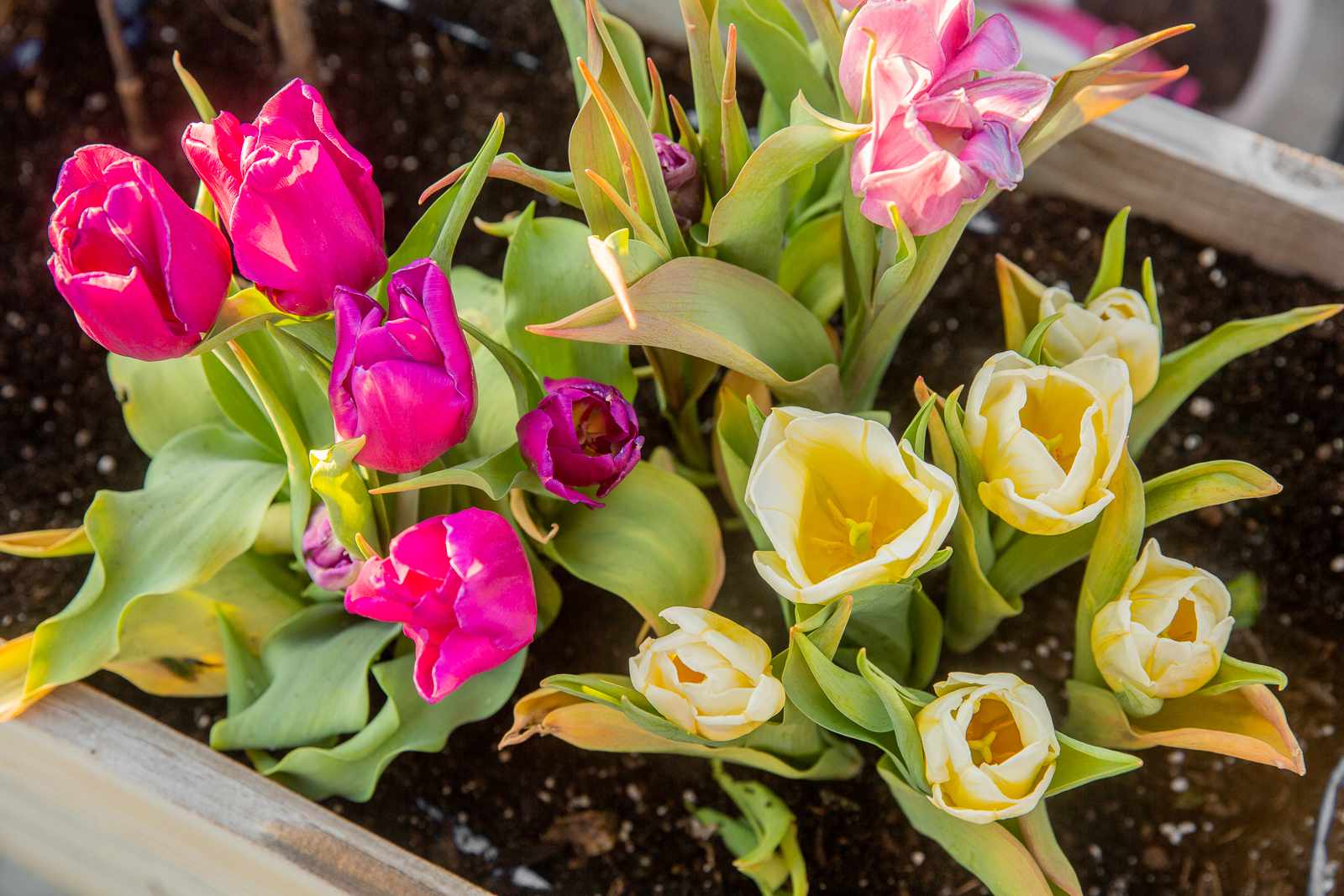
A denim scraps flower pot is versatile enough for almost any casual space. Place one on a windowsill with herbs, group three on a porch step, or use a small version as a desk plant holder. Denim also works beautifully in seasonal displays. In spring, pair it with daisies, tulips, or pansies. In summer, use it with bright annuals. In fall, add mini mums and a plaid ribbon. In winter, fill it with faux greenery, pinecones, or a small holiday cactus.
For a cohesive display, combine denim pots with natural materials like wood, terracotta, galvanized metal, baskets, and jute. The blue fabric softens hard surfaces and adds a relaxed, lived-in feeling. It is especially nice for porches because it looks friendly and informal, like your home is saying, “Come in, but please ignore the gardening gloves on the chair.”
Budget-Friendly Gift Ideas Using Denim Flower Pots
Handmade denim flower pots make thoughtful gifts because they feel personal without costing much. Create a small herb pot for a neighbor, a succulent planter for a teacher, or a flowering pot for Mother’s Day. Add a handwritten care card to make the gift more useful.
You can also create themed gift pots. For a kitchen gift, plant basil and tuck a recipe card into the denim pocket. For a gardener, add seed packets and plant markers. For a college student, use a low-maintenance snake plant or pothos. For someone who says they kill every plant, use a faux succulent and let everyone keep their dignity.
Extra Experience: What Making a Denim Scraps Flower Pot Teaches You
The first time you make a denim scraps flower pot, you may start with the noble goal of reducing waste. Then, about ten minutes later, you may find yourself sorting old jeans by shade like a denim librarian. Light wash for spring. Dark wash for modern style. Frayed hems for texture. Back pockets for drama. Suddenly, the jeans you almost tossed have become a craft supply collection with emotional depth.
One practical lesson from this project is that imperfection is part of the appeal. Unlike glossy store-bought planters, a denim pot looks better when it has signs of life. A faded knee patch can become the centerpiece. A rough seam can become a border. A tiny hole can be covered with a button or turned into a decorative feature. This makes the project relaxing for beginners because it does not demand machine-level precision.
Another experience worth noting is how quickly denim changes the mood of a plain pot. A plastic nursery container can look temporary and forgettable, but wrap it in denim and suddenly it feels intentional. It belongs on a kitchen windowsill, a porch shelf, or a coffee table. That transformation is satisfying because it proves that good decor does not always require buying something new. Sometimes it only requires looking at old materials differently.
Denim flower pots are also great conversation starters. Guests notice them because they are familiar but unexpected. People may ask, “Is that made from jeans?” and you get the pleasure of saying, “Yes, and those jeans had a better second career than most of us.” If the planter includes a pocket, the reaction is even better. A pocket on a flower pot is oddly delightful. It has no urgent purpose, yet everyone immediately wants to put something in it.
From a gardening perspective, this project also teaches the importance of separating decoration from plant health. A beautiful cover is wonderful, but the plant still needs drainage, suitable potting mix, light, and proper watering. The smartest version of this craft uses denim as a removable sleeve or outer cover. That way, you can water the plant properly, protect the fabric, and keep the whole project looking fresh longer.
If you are making several denim scraps flower pots, try creating a set with different textures but one shared design element. For example, use different denim washes but the same twine trim. Or use different pocket styles but the same plant labels. This creates a collected look rather than a random pile of jean-covered containers. The result feels handmade, not chaotic.
The best part is that this project can grow with your confidence. Start with one simple wrapped pot. Then try patchwork. Then add embroidery. Then make a hanging version, a herb garden set, or a porch display. Before long, you may look at every worn-out pair of jeans and think, “You, my friend, could be a planter.” That is when you know the upcycling spirit has officially moved in and started rearranging the furniture.
Conclusion
A denim scraps flower pot is a simple, creative, and eco-friendly way to turn old jeans into something beautiful for your home or garden. It combines the charm of handmade decor with the practicality of upcycling, giving worn denim a fresh purpose instead of letting it disappear into the waste stream. With a basic pot, a few fabric scraps, and a little glue, you can create a planter that looks cozy, stylish, and completely one of a kind.
The key is to treat denim as the decorative layer and let a proper plant container do the serious growing work. Use drainage, choose the right potting mix, protect the fabric from too much moisture, and pick plants that suit your light conditions. Once you understand those basics, the design possibilities are endless: pocket planters, patchwork pots, farmhouse herb containers, cottage-style lace accents, and handmade gifts that feel thoughtful without being expensive.
In a world full of fast decor and throwaway trends, this project is refreshingly personal. It is proof that old fabric can bloom again, even if the jeans no longer fit, the knees are worn out, or the zipper retired without notice.