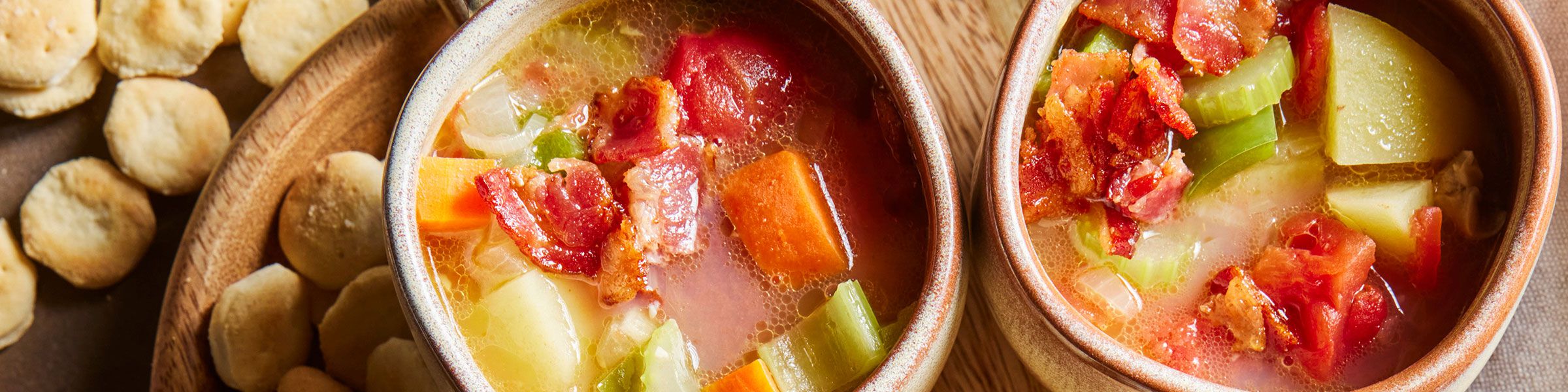
There are two kinds of people in this world: people who love chowder and stew, and people who have not yet met the right pot. A great chowder or stew does more than warm you up. It settles the house down, makes dinner smell like somebody responsible lives there, and turns a random Tuesday into something cozy enough to remember. Whether you crave a creamy seafood chowder, a sweet corn-packed bowl, or a hearty beef stew that tastes like it has life advice, these recipes deliver the kind of comfort food that earns repeat status.
This guide brings together the best ideas behind classic chowder & stew recipes and turns them into practical, flavorful bowls you can actually make at home. You will find the difference between chowder and stew, smart cooking tips that prevent bland broth and rubbery seafood, and six deeply satisfying recipes that cover creamy, brothy, chunky, and slow-simmered territory. In other words, dinner is about to get significantly less boring.
What Makes Chowder Different From Stew?
Chowder is the creamier cousin in the family. It is usually thick, often built with potatoes, and commonly finished with milk, half-and-half, or cream. Seafood chowder is the classic icon, but corn chowder, chicken chowder, and even vegetable chowder have all earned permanent spots in cold-weather cooking. Chowder should feel rich without becoming so thick that your spoon stands up and starts paying rent.
Stew, on the other hand, leans hearty and chunky. It usually has larger pieces of meat or vegetables, less dairy, and a longer cooking time. A good stew is not just soup with ambition. It is slower, deeper, and more concentrated. It tastes like patience. Browning, simmering, and giving ingredients time to mingle are what turn stew from “pretty good” into “who made this and why aren’t we eating it every week?”
The Rules That Make Any Bowl Better
Start with a real flavor base
Onion, celery, garlic, leeks, carrots, or fennel are the usual opening act for a reason: they create depth before the broth even shows up. Bacon, salt pork, pancetta, or olive oil can all work, depending on the direction you want the recipe to go. If your base smells amazing after the first 10 minutes, you are on the right track.
Use potatoes strategically
Potatoes are not just filler. In chowder, they help thicken the broth naturally and add body without making the soup feel heavy. In stew, they soak up flavor like tiny edible sponges with excellent work ethic. Yukon Golds bring creaminess, while russets break down more easily for a thicker finish.
Respect the simmer
Stew meat does not become tender because you glared at it harder. It gets there through low, steady heat. Seafood needs the opposite kind of respect: add it late, cook it gently, and stop before it turns into expensive pencil erasers.
Balance richness with brightness
Because chowders and stews are naturally rich, they almost always benefit from something sharp at the end. A squeeze of lemon, a splash of vinegar, chopped parsley, fresh chives, or cracked black pepper can wake up the whole pot. Think of it as the final button on a winter coat.
6 Chowder & Stew Recipes Worth Making on Repeat
1. Classic New England Clam Chowder
This is the bowl people imagine when the phrase clam chowder recipe shows up. It is creamy, savory, and full of potato-and-clam comfort without feeling like wallpaper paste.
- Key ingredients: bacon or salt pork, onion, celery, garlic, potatoes, clam juice, chopped clams, milk or half-and-half, thyme, bay leaf, black pepper
- Best move: cook the potatoes right in the broth so they release starch and help thicken the chowder naturally
Start by crisping the bacon, then cook the onion and celery in the rendered fat. Add garlic, potatoes, clam juice, and a bay leaf, then simmer until the potatoes are tender. Stir in the milk or half-and-half and add the clams at the very end so they stay tender. A handful of chopped parsley and a few oyster crackers on top make this feel gloriously old-school in the best way. Serve with crusty bread and prepare for the table to go suspiciously quiet.
2. Bacon Corn Chowder With Cheddar
If summer corn and sweater weather had a delicious group project, it would be this corn chowder. Sweet kernels, smoky bacon, and a little cheddar make it comforting without becoming overly rich.
- Key ingredients: bacon, onion, celery, fresh or frozen corn, Yukon Gold potatoes, chicken stock, milk, cheddar, thyme, scallions
- Best move: blend just a portion of the soup so it keeps texture but still feels creamy
Cook the bacon first, then soften the onion and celery. Add the corn, potatoes, thyme, and stock, and simmer until everything is tender. Blend a cup or two of the chowder and stir it back in, then finish with milk and shredded cheddar. Top with scallions, extra bacon, or a little hot sauce if you want sweet-and-smoky with a nudge. This is an excellent weeknight recipe because it tastes impressive while behaving like it knows you are busy.
3. Weeknight Seafood Chowder
Seafood chowder sounds fancy, but it can absolutely be a Tuesday dinner if you stop trying to make it perform like a five-star restaurant and let it be a smart one-pot meal instead.
- Key ingredients: butter, leek, onion, garlic, potatoes, fish stock or clam juice, cod or halibut, shrimp, half-and-half, parsley, lemon
- Best move: add the fish and shrimp last, then simmer gently just until cooked through
Build your base with butter, leek, onion, and garlic. Add diced potatoes and stock, then cook until the potatoes are nearly tender. Stir in half-and-half, then add chunks of firm white fish and shrimp. They only need a few minutes. Finish with parsley and a squeeze of lemon for brightness. This chowder tastes luxurious, but the method is pleasantly simple. It is also proof that “comfort food recipes” and “dinner that feels a little special” can absolutely share a spoon.
4. Old-Fashioned Beef Stew
This is the beef stew recipe you make when you want the kitchen to smell like you have everything under control, even if your laundry situation says otherwise.
- Key ingredients: beef chuck, flour, onion, carrots, celery, tomato paste, beef broth, potatoes, thyme, bay leaf, peas
- Best move: brown the beef in batches so it sears instead of steams
Toss the beef lightly with flour, salt, and pepper. Brown it well in a Dutch oven, then remove it and sauté onion, carrots, and celery in the same pot. Stir in tomato paste, add broth, herbs, and the beef, then simmer low and slow until tender. Add potatoes partway through so they do not collapse into the abyss, and finish with peas near the end. The broth should be glossy, rich, and full of those deep savory notes that make a great stew feel almost absurdly satisfying.
5. Cozy Chicken and Vegetable Stew
Chicken stew is the dependable, lovable classic that shows up on time and still manages to surprise you. It is lighter than beef stew but every bit as comforting.
- Key ingredients: chicken thighs, onion, carrots, celery, garlic, potatoes, chicken broth, thyme, peas, parsley, optional splash of cream
- Best move: use chicken thighs instead of breasts for better flavor and more forgiving texture
Brown the chicken first, then remove it while you cook the vegetables. Add broth, herbs, and potatoes, then return the chicken to the pot and simmer until tender. Shred or chunk the chicken before serving, depending on how rustic you want the final bowl to feel. A splash of cream is optional, but even without it, this stew has a comforting, homey richness. If chicken noodle soup grew up, got better shoes, and bought a Dutch oven, this would be it.
6. Tomato Fish Stew With Garlic and Herbs
Not every great stew needs cream. This fish stew leans brothy, bright, and deeply flavorful, with tomatoes, garlic, olive oil, and tender pieces of fish doing the heavy lifting.
- Key ingredients: olive oil, onion, garlic, fennel or celery, canned tomatoes, white wine, fish stock, cod, mussels or shrimp, red pepper flakes, parsley
- Best move: simmer the broth first, then add seafood in stages so everything finishes at the right time
Sauté the onion, garlic, and fennel in olive oil, then add white wine, tomatoes, stock, and herbs. Let the broth simmer long enough to build flavor, then add shellfish first and fish last. Serve it with toasted bread for dipping because leaving that broth behind would be both sad and frankly rude. This is one of the best seafood stew options for people who want something lighter but still filling.
Common Chowder and Stew Mistakes to Avoid
Making chowder too thick: A chowder should be creamy, not cementitious. If it gets too thick, loosen it with warm stock or milk a little at a time.
Boiling stew meat: Hard boiling toughens meat and muddies the broth. Gentle simmering is the difference between fork-tender and jaw workout.
Overcooking seafood: Fish and shellfish do not need a dramatic finale. Add them late and pull the pot from heat as soon as they are done.
Under-seasoning potatoes: Potatoes absorb salt like it is their hobby. Taste late in the cooking process and adjust.
Skipping the finish: Fresh herbs, vinegar, lemon, or black pepper at the end can completely change a heavy bowl into a balanced one.
Why These Recipes Work for Real Life
The beauty of chowder & stew recipes is that they are forgiving. You can swap proteins, adjust thickness, use frozen corn, reach for canned clams, or lean on pantry broth when homemade stock is just not happening today. These dishes are ideal for make-ahead meals, casual weekends, and cold nights when a salad sounds more like punishment than dinner. They also reheat beautifully when handled properly, which means tomorrow’s lunch can be the kind of leftover that inspires actual joy.
If you are building a comfort food rotation for the season, start here: one chowder, one stew, one seafood option, one beef option. That is not meal planning. That is emotional preparedness.
From the Stove: Real Chowder and Stew Experiences
One of the best things about making chowder and stew is that they teach you to pay attention in a quieter way. You stop rushing. You notice the sound of onions hitting warm fat, the way celery softens and gets sweet, the smell of thyme rising with steam, and that exact moment when a pot shifts from “ingredients in liquid” to “this is going to be dinner.” A lot of recipes ask you to chase speed. Chowder and stew ask you to notice. That is probably why they feel so satisfying even before the first bite.
I have also learned that these are the kinds of recipes that improve your instincts. The first time you make a seafood chowder, you might hover nervously over the pot, convinced the fish will either be raw or transformed into rubber before your eyes. Then you make it again, and suddenly you understand that gentle heat is the whole secret. You start trusting small signs: shrimp turning opaque, cod beginning to flake, broth thickening just enough to coat the spoon. It becomes less about memorizing rules and more about learning the rhythm of the pot.
Stew teaches a different lesson: patience pays rent. A beef stew that tastes flat after 45 minutes can taste rich, rounded, and deeply savory after another hour. It is one of those dishes that rewards restraint. You brown the meat, build the base, add the liquid, and then your main job becomes not messing with it too much. For people who love immediate results, this can feel mildly offensive at first. But eventually, that slow simmer becomes part of the pleasure. The house smells incredible, the broth gets darker and better, and dinner starts to feel like an event instead of an obligation.
There is also something wonderfully personal about these recipes. Every cook tweaks them. Somebody adds smoked paprika to corn chowder. Somebody else throws in a splash of hot sauce, a handful of dill, or a final spoonful of sour cream. One person wants oyster crackers. Another demands buttered toast. Some families swear stew needs peas. Others act like peas are a personal betrayal. Chowder and stew are generous that way. They have structure, but they leave room for personality.
And then there is the leftover factor, which deserves respect. A good stew the next day is almost smug about how much better it got overnight. Flavors settle in, the broth tastes deeper, and lunch suddenly feels like a reward for past good decisions. Chowders can be just as satisfying, especially when you reheat them gently and avoid turning the dairy into chaos. These are not flashy dishes, but that is part of their charm. They are dependable, adaptable, and quietly excellent. In a world full of overhyped dinners, a really good chowder or stew still feels like one of the smartest things you can make.
Note: This article is intentionally provided as clean HTML body content only and excludes placeholder strings such as contentReference or oaicite for web publishing.