Some shops sell things. Ferse Verse sells tiny plot twists.
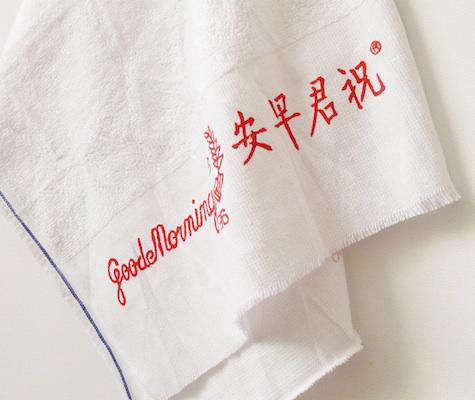
That is the magic of a place built around small, expressive objects: a spoon that feels like it belongs in a grandmother’s kitchen and an art book at the same time, a towel that says “Good Morning” with more personality than most alarm clocks, a teacup that looks as if a cloud and a potter became business partners. “Storied Finds from Ferse Verse” is not just a pretty phrase. It captures a way of seeing the home as a collection of meaningful objects rather than a warehouse for matching sets.
At its heart, Ferse Verse is associated with Hong Kong artist and graphic designer Furze Chan, whose eye for handmade and vintage goods turns everyday housewares into little cultural ambassadors. The appeal is not loud luxury. It is quieter than that, and frankly smarter. These pieces do not scream for attention from across the room. They wait. Then they win you over with shape, use, texture, memory, and wit.
In an era of fast furniture, fast décor, and fast regret, that slower kind of beauty feels refreshing. It also happens to be great for SEO-friendly home and lifestyle content, because readers are increasingly interested in curated interiors, vintage home décor, handmade housewares, collectible objects, and meaningful decorating ideas that do not look like they were assembled by a robot with a beige obsession.
What Makes Ferse Verse Different?
Ferse Verse stands out because it treats ordinary objects as if they have biographies. That sounds dramatic, but so is a brass spoon that has outlived trends, color forecasts, and at least three waves of minimalist panic. The selection associated with Ferse Verse has included traditional Chinese brass serving spoons for tofu pudding, small bamboo spoons with hand-touched details, vintage porcelain boxes, bilingual towels rooted in old Hong Kong design, and handmade ceramics by artists such as Joanna Tang. None of these objects is oversized or flashy. Their power comes from intimacy.
That intimacy matters. A home becomes memorable when it contains things that look chosen, not merely purchased. Vintage and handmade pieces bring variation in finish, evidence of labor, and a sense that someone, somewhere, actually cared while making them. The result is a room that feels collected instead of staged. That distinction is huge. A staged room says, “Please admire my styling.” A collected room says, “Come in, there is a story here.”
Ferse Verse also taps into a timeless design truth: small objects can carry enormous emotional weight. A teacup can hold a daily ritual. A towel can preserve a local graphic language. A spoon can hint at a food tradition, a family memory, or a city’s rhythm. When design lovers talk about soulful homes, this is what they mean. Soul is not a throw pillow with a slogan. Soul is use, memory, and material, all working together.
The Best Storied Finds Are the Ones That Feel Useful
One reason the Ferse Verse aesthetic works so well is that the objects are not precious in a stuffy way. They are poetic, yes, but they are also practical. A tofu spoon serves food. A towel dries hands. A corkscrew opens a bottle. A pencil writes a grocery list, a bad poem, or a very dramatic note to yourself about needing more olives.
That blend of beauty and function is what keeps handmade home décor from drifting into museum territory. The most compelling vintage finds do not need to sit behind glass. They can live on a shelf, next to a stack of cookbooks, or on a tray beside a kettle. They fit naturally into the routines of a real home, which is exactly why they feel so alive.
Even better, useful objects age gracefully. Patina on brass, soft wear on cotton, tiny marks on glazed ceramics, and the mellow finish of old wood all record time in a way mass-produced goods rarely do. Instead of looking “used up,” they look “used well.” That is a crucial difference for anyone building a collected home. Wear becomes evidence. Evidence becomes charm.
Why Tiny Objects Tell Big Stories
There is a reason museum curators, design writers, and collectors keep returning to everyday objects. Small domestic things are never just small domestic things. They reveal how people eat, clean, host, celebrate, organize, and remember. A humble object can contain clues about trade, craft traditions, local language, household rituals, and changing taste.
That idea helps explain the emotional pull of Ferse Verse. The objects are modest in scale, but they suggest larger worlds. A bilingual towel can evoke street life, practical labor, and graphic history. A ceramic cup can point toward an artist’s hand, a firing process, and a daily tea habit. A bamboo spoon can make an entire kitchen feel less generic and more human.
Readers who search for phrases like “vintage décor with meaning,” “how to decorate with collected objects,” or “handmade housewares ideas” are usually looking for more than shopping advice. They want permission to build a home around memory and character. Storied finds offer exactly that. They remind us that a house becomes personal one object at a time.
How to Bring the Ferse Verse Look Home
1. Choose objects with cultural or material specificity
Skip the vague “artisan-inspired” nonsense and look for pieces with real identity. A traditional brass serving spoon, hand-thrown cup, embroidered textile, or vintage trinket box has more presence than something designed to look vaguely old and vaguely meaningful. Specificity is what makes an object memorable.
2. Mix old and new with confidence
A storied find works best when it has room to breathe. Pair a vintage towel with a modern sink. Set a handmade cup on a clean-lined table. Place a worn wood spoon in a sleek kitchen. Contrast keeps a home from feeling theme-y and makes each object more visible.
3. Favor texture over quantity
You do not need one hundred charming objects. You need a few good ones. Brass, bamboo, cotton, glazed clay, cork, and painted porcelain all create visual depth without noise. Texture is often what makes a room feel rich even when the palette stays simple.
4. Display by function, not just category
A small ceramic cup near the kettle will always feel more authentic than a perfect row of cups styled only for Instagram. Use your pieces where they naturally belong. Let the story grow out of daily life.
5. Leave a little mystery
Not every object needs a plaque and a speech. Part of the delight of storied decorating is curiosity. Guests notice a spoon, ask about it, and suddenly dinner has an opening line.
The Emotional Value of Vintage and Handmade Goods
Vintage and handmade objects are powerful because they resist sameness. They do not arrive with the sterile confidence of algorithm-approved décor. Instead, they bring quirks: an uneven glaze line, a strange proportion, a charming graphic, a tiny repair, a shape that would never survive a corporate focus group. That is precisely why people love them.
They also encourage a healthier relationship with stuff. When you buy only what is trendy, you end up redecorating out of boredom. When you buy objects with character, you keep them longer because they continue to reveal themselves. A storied find earns its place over time.
This is also why curated interiors tend to feel more expensive even when the objects themselves are modestly priced. The value comes from individuality, craftsmanship, and composition. A four-dollar pencil can feel special in the right setting. A forty-dollar box can anchor a shelf if it has shape and history. Good taste is less about price tags than about perception.
Why “Storied Finds from Ferse Verse” Works as a Design Philosophy
As a title, “Storied Finds from Ferse Verse” sounds whimsical. As a design philosophy, it is surprisingly practical. It encourages slower shopping, closer looking, and smarter editing. It suggests that décor should not be chosen only for color coordination or trend compliance. It should be chosen for resonance.
That philosophy can be applied far beyond one shop. You can use it at flea markets, estate sales, local craft fairs, museum gift shops, and independent online retailers. Ask better questions. What is this made of? What was it used for? Does it show the hand of a maker? Does it suggest a place, a ritual, or a memory? Would I still love it if nobody on social media ever saw it?
If the answer is yes, congratulations. You may have found your own version of a Ferse Verse treasure.
How to Style Storied Finds Without Turning Your Home into a Time Capsule
The trick is balance. Storied objects thrive in homes that feel lived-in, not overworked. You do not need every shelf packed or every surface arranged like a theatrical still life. In fact, too much nostalgia at once can flatten the effect. The eye needs contrast.
Start with one surface. A kitchen corner, bedside table, bathroom shelf, or entry console is enough. Add one handmade object, one vintage object, and one everyday functional item. Maybe it is a milky ceramic cup, a small egg-shaped porcelain box, and a modern lamp. Maybe it is a bright old towel, a brass spoon, and a stack of plain white dishes. The combination should feel effortless, but not accidental.
Color also matters. Storied finds often shine in restrained palettes because form and texture do the heavy lifting. Soft whites, natural woods, brushed metals, faded reds, smoky blues, and earth tones let the objects speak. That said, a weird little pop of color can be wonderful. A dipped spoon handle, a red printed word, a hand-painted motif on porcelain: those details are like the punch line in a very tasteful joke.
Most importantly, let your home evolve. Collected interiors are not finished in a weekend. They unfold. That is the entire point.
Experiences Inspired by Storied Finds from Ferse Verse
Living with storied finds changes the mood of a home in quiet, surprising ways. At first, the difference seems visual. The room looks warmer. The shelf looks less generic. The kitchen feels more like a place where someone cooks and less like a showroom waiting for applause. But after a while, the experience becomes emotional and even a little philosophical.
You begin to notice how certain objects slow you down. A handmade teacup asks to be held properly, not grabbed while sprinting toward the next email. A brass spoon carries a little weight in the hand, which makes serving dessert feel oddly ceremonial. A towel with old lettering brings humor and memory into an ordinary morning. These are tiny shifts, but they change the rhythm of daily life.
There is also a peculiar pleasure in using something that feels both humble and special. A vintage corkscrew is still just a corkscrew, and that is exactly why it is wonderful. It does one job. Yet because it has age, shape, and a past, it turns a routine act into a small event. The same is true of little containers, spoons, pencils, and cups. Storied finds make you feel that domestic life deserves good props.
Another experience tied to this kind of collecting is curiosity. Guests ask questions. “Where did you get that?” becomes one of the most common sentences in your house. That question is never really about shopping. It is about recognition. People can sense when an object has personality. They may not know why a simple porcelain box or a bamboo spoon feels different, but they can tell that it does.
Storied finds also create a more forgiving idea of beauty. When you live with handmade and vintage goods, perfection starts to look a little boring. Slight asymmetry, worn edges, softened graphics, and imperfect glaze become part of the pleasure. You stop demanding that every object look brand-new and start appreciating signs of use and age. This can be strangely liberating, especially in homes where real life is happening every day.
There is a memory component, too. Over time, the objects absorb your own routines. The cup becomes the one you reach for on rainy afternoons. The spoon becomes tied to a favorite dessert. The towel becomes part of weekend mornings, sunlight, and coffee. Even if the object arrived with a history of its own, it begins collecting yours. That layering is what makes storied décor so satisfying. You are not just buying character; you are adding to it.
Perhaps the best experience of all is that storied finds make a home feel authored. Not expensive for the sake of expensive. Not trendy for the sake of trendy. Authored. The rooms begin to reflect judgment, affection, humor, and attention. They look like they belong to a person, not a catalog. In a culture crowded with fast images and faster purchases, that kind of atmosphere feels deeply refreshing.
So yes, “Storied Finds from Ferse Verse” may sound poetic. But in practice, it points to something wonderfully concrete: the joy of living with objects that carry meaning, earn affection, and make everyday life feel a little more observed, a little more tactile, and a lot more human.
Conclusion
Ferse Verse offers a compelling lesson for anyone interested in vintage finds, handmade home décor, and meaningful interior styling: the best objects are not always the biggest, newest, or most expensive. Often, they are the ones with the clearest point of view. A spoon, a towel, a cup, a box, a pencil, a corkscrew. Small things, yes. But small things with stories.
That is what makes storied finds so lasting. They create homes that feel layered, thoughtful, and personal. They invite use, conversation, and memory. And they prove that great design does not have to shout. Sometimes it simply sits on a shelf, waits for the light to hit it, and quietly changes the whole room.