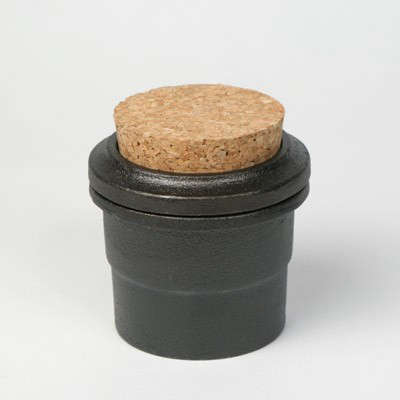
A cast iron spice grinder is the kind of kitchen tool that looks like it belongs in a chef’s workshop, a mountain cabin, and your weeknight taco station all at once. It is sturdy, simple, and wonderfully old-school. No cord. No blinking light. No suspicious plastic button that quits right when the cumin seeds get serious. Just weight, friction, and the satisfying little crunch of whole spices becoming something fragrant and useful.
For home cooks who want deeper flavor without turning dinner into a science project, a cast iron spice grinder offers a practical middle ground between an electric spice grinder and a traditional mortar and pestle. It is compact, durable, attractive on the counter, and especially useful for small batches of peppercorns, cumin, coriander, fennel, mustard seed, dried chiles, sesame, cardamom, and spice blends. It also makes you feel slightly more powerful than grinding spices probably should. That is not a flaw.
This guide explains what a cast iron spice grinder is, why it works, how to use it, how to clean it, what spices perform best, and whether it deserves a place in your kitchen. Spoiler: if you like fresh flavor, strong tools, and kitchen gear that does not require a software update, it probably does.
What Is a Cast Iron Spice Grinder?
A cast iron spice grinder is a manual grinding tool made from cast iron, usually designed with two interlocking parts. The lower section holds whole spices, while the upper section acts as a lid, handle, and grinding surface. Many models use textured or tooth-like interior surfaces. As you twist the top piece, the rough cast iron surfaces crush and shear spices into smaller particles.
Unlike a pepper mill, which is usually tall and narrow, a cast iron spice grinder is often short, wide, and weighty. Unlike an electric grinder, it does not spin blades at high speed. Instead, it relies on pressure and friction. That difference matters because manual grinding gives you more control over texture. A few turns may produce a coarse cracked spice. More turns create a finer grind. You are not just pushing a button and hoping the machine does not turn your coriander into dust confetti.
Why Freshly Ground Spices Taste Better
Spices get their aroma and flavor from volatile oils and aromatic compounds. Once spices are ground, more surface area is exposed to air, heat, light, and moisture. That means pre-ground spices can lose their punch faster than whole spices. Whole cumin seeds, peppercorns, coriander seeds, cloves, and allspice berries tend to hold their character longer because their flavor compounds are better protected until the moment you break them open.
This is why a dish made with freshly ground spices often tastes brighter, warmer, and more layered. Freshly cracked black pepper has a sharp floral heat. Toasted cumin seeds ground just before use taste earthy and nutty instead of dusty. Coriander becomes citrusy and sunny. Fennel turns sweet and aromatic. Even a simple bowl of roasted potatoes can suddenly behave as if it hired a publicist.
Whole Spices vs. Ground Spices
Ground spices are convenient, and convenience has its place. Nobody wants to hand-grind cinnamon while half-awake on a Tuesday morning unless they are auditioning for a historical cooking show. But for recipes where spice flavor is central, whole spices are worth the extra step. Think chili, curry, barbecue rubs, dukkah, za’atar-inspired blends, garam masala, pickling spice, dry rubs, and homemade taco seasoning.
A cast iron spice grinder shines when you need a tablespoon or two of freshly ground spice. It is not meant to replace every jar in your pantry. It is meant to wake those jars up.
How a Cast Iron Spice Grinder Works
The secret is texture. Cast iron has mass, grip, and strength. When the interior grinding surfaces are ridged, toothed, or roughened, they create friction against hard spices. The weight of the top piece helps press ingredients downward while your twisting motion crushes them. This combination makes cast iron especially good for cracking seeds and peppercorns.
Most cast iron grinders work best with dry ingredients. Add a small amount of whole spice to the bottom cup, set the top piece in place, and rotate it. For a coarse grind, stop after a few turns. For a finer texture, keep going, shake the grinder gently to redistribute the pieces, and grind again. If you want powder-fine results, an electric blade grinder may still win. But for everyday cooking, the texture from a cast iron grinder is usually more interesting and more controllable.
Best Spices to Grind in a Cast Iron Spice Grinder
Some spices are perfect candidates for cast iron grinding. Others are better handled with a microplane, mortar and pestle, or electric grinder. Here are the top performers:
Black Peppercorns
Black pepper is the obvious champion. A cast iron grinder can crack peppercorns into coarse pieces for steak, soups, salads, and roasted vegetables. The flavor is bolder than most pre-ground pepper, and the texture feels intentional rather than accidental.
Cumin Seeds
Cumin is one of the best reasons to own a manual spice grinder. Toast the seeds briefly in a dry skillet until fragrant, let them cool, then grind. The result is smoky, earthy, and far more lively than the forgotten jar of ground cumin hiding behind the oregano.
Coriander Seeds
Coriander seeds are round, brittle, and easy to crush. Freshly ground coriander brings lemony, floral notes to curries, roasted carrots, lentils, chicken marinades, and spice rubs.
Fennel Seeds
Fennel seeds can be lightly cracked for Italian sausage-style seasoning, tomato sauces, pork rubs, and roasted fish. Coarse fennel gives little bursts of sweetness without overwhelming the dish.
Mustard Seeds
Yellow and brown mustard seeds can be cracked for pickles, vinaigrettes, dry rubs, and braised dishes. A rough grind gives texture and heat.
Cardamom Seeds
Remove the tiny seeds from green cardamom pods and grind them fresh for coffee, baked goods, rice pudding, curries, or chai. Cardamom is aromatic but delicate, so grinding it fresh makes a big difference.
Dried Chiles
Small dried chile flakes or chopped dried chiles can be crushed in a cast iron grinder, though very leathery chiles may need to be toasted and broken into pieces first. Avoid grinding wet or sticky chile pastes in cast iron unless the manufacturer specifically says it is safe.
Cast Iron Spice Grinder vs. Mortar and Pestle
A mortar and pestle is one of the most versatile grinding tools in the kitchen. It can crush garlic, herbs, nuts, spices, sauces, pastes, pesto, curry paste, guacamole, and more. It is excellent when you want to pound, smear, and blend ingredients together. A cast iron spice grinder is narrower in purpose but more compact and often less messy for dry spices.
If a mortar and pestle is a tiny flavor gym, a cast iron spice grinder is a focused strength-training machine. It does one job very well: crushing dry spices quickly in small amounts. For wet pastes, choose a mortar and pestle. For dry spice blends, especially peppercorns and seeds, the cast iron grinder is beautifully efficient.
Cast Iron Spice Grinder vs. Electric Spice Grinder
Electric spice grinders are fast. They are ideal when you need a fine powder, a larger batch, or a smooth spice blend. They are especially helpful for tough spices such as cinnamon, star anise, or large dried chiles. But electric grinders can over-process spices quickly. One extra second and your coarse rub becomes powder. They can also retain aromas, which is charming until your coffee smells like cumin.
A cast iron spice grinder is slower but more controlled. It is quiet, durable, and easy to use for small batches. It does not heat spices with fast-moving blades, and it lets you stop exactly when the texture looks right. For cooks who care about grind size, that control is a major benefit.
How to Use a Cast Iron Spice Grinder
Using a cast iron spice grinder is simple, but a few small habits will improve the result.
Step 1: Start With Dry Whole Spices
Make sure spices are dry and free from moisture. Moisture can encourage clumping and may increase the chance of rust if the grinder is not cleaned and dried properly.
Step 2: Toast When Helpful
For cumin, coriander, fennel, mustard, and peppercorns, toasting can deepen flavor. Heat the spices in a dry skillet over medium-low heat until fragrant, then cool before grinding. Do not grind hot spices in a closed grinder because steam is not a friend to cast iron.
Step 3: Do Not Overfill
Small batches grind better. Fill only the lower grinding area, leaving room for the spices to move. Overfilling makes the tool harder to turn and creates uneven results.
Step 4: Twist, Shake, Repeat
Turn the top piece several times, then gently shake the grinder to redistribute larger pieces. Continue until you reach your preferred texture.
Step 5: Empty Immediately
Transfer ground spices to your recipe or to a small airtight jar. Freshly ground spices are best used soon, ideally right away.
How to Clean a Cast Iron Spice Grinder
Cast iron is tough, but it does not like being treated like a soup bowl. Do not soak it. Do not leave it wet. Do not run it through the dishwasher unless you enjoy kitchen tragedy with orange rust highlights.
For everyday cleaning, brush out leftover spice dust with a dry pastry brush, stiff kitchen brush, or clean cloth. If aromas linger, grind a small amount of dry rice or coarse salt, then discard it. This can help absorb oils and loosen particles. For stronger residue, wipe with a barely damp cloth, dry immediately, and apply a whisper-thin layer of neutral cooking oil if the surface looks dry.
If rust appears, it is usually fixable. Scrub the rusty spot, wash and dry thoroughly, then lightly oil and re-season according to the manufacturer’s guidance. The key lesson is simple: moisture causes problems; dryness prevents drama.
Seasoning and Maintenance
Many cast iron spice grinders arrive pre-seasoned with oil. Seasoning is a protective layer formed when oil bonds to the iron surface through heat. On cookware, seasoning builds naturally with use. On a spice grinder, maintenance is gentler because you are not frying eggs in it every morning.
Keep the grinder dry, avoid acidic wet ingredients, and oil lightly only when needed. Too much oil can turn sticky and collect spice dust. A thin, nearly invisible layer is enough. Store the grinder in a dry cabinet or on the counter away from steam. The shelf above the stove may look convenient, but heat and moisture can shorten the life of both your spices and your grinder.
What to Look for When Buying a Cast Iron Spice Grinder
Not all cast iron spice grinders are equal. A good one should feel heavy for its size, turn smoothly, and have a practical interior texture. Look for matching grinding surfaces that actually grip spices instead of merely polishing them. A lid is useful if you want to store a small amount of spice inside, though freshly ground spices are still best used quickly.
Consider the size. A compact grinder is easy to store and perfect for small batches, but it may not handle large spice blends efficiently. A wider grinder gives you more room but takes up more space. Also check whether the product has wood components. Wood lids and handles look beautiful, but they should be kept dry and cleaned carefully.
Important Buying Features
- Weight: Heavier tools usually grind more easily and stay stable.
- Interior texture: Teeth, ridges, or rough surfaces improve grinding performance.
- Comfort: The top should be easy to grip and turn.
- Capacity: Choose small for daily pinches, larger for spice blends.
- Care instructions: Follow the maker’s cleaning and seasoning guidance.
- Storage design: A tight lid can help keep dust out, but dry storage still matters.
Recipe Ideas for a Cast Iron Spice Grinder
A cast iron spice grinder becomes more useful when you keep easy spice ideas nearby. Here are a few simple blends to try.
Fresh Taco Seasoning
Grind toasted cumin seeds, coriander seeds, black peppercorns, and a pinch of dried oregano. Mix with chili powder, smoked paprika, garlic powder, onion powder, and salt. Use it for beef, chicken, beans, or roasted cauliflower tacos.
Cracked Pepper Steak Rub
Coarsely grind black peppercorns, mustard seeds, coriander seeds, and a little fennel. Mix with kosher salt and rub onto steak before searing. The coarse texture creates a flavorful crust.
Warm Baking Blend
Grind cardamom seeds, allspice berries, cloves, and a small piece of cinnamon if your grinder can handle it. Use the blend in banana bread, oatmeal, coffee, apple crisp, or cookies.
Roasted Vegetable Booster
Crush cumin, coriander, fennel, and black pepper. Toss with olive oil, carrots, sweet potatoes, cauliflower, or chickpeas before roasting. Add lemon juice after cooking for brightness.
Common Mistakes to Avoid
The biggest mistake is treating a cast iron spice grinder like stainless steel. It is not designed for soaking, dishwashers, or long contact with water. Another mistake is grinding oily, sticky, or wet ingredients that cling to the metal and become difficult to clean. Use a mortar and pestle or food processor for wet pastes.
Overfilling is another common issue. A grinder needs space to move spices around. When packed too tightly, it may skip, jam, or grind unevenly. Finally, avoid storing ground spices inside the grinder for long periods. Cast iron is durable, but spices stay fresher in airtight glass jars away from heat, light, and moisture.
Is a Cast Iron Spice Grinder Worth It?
A cast iron spice grinder is worth it if you cook with whole spices, enjoy manual tools, and prefer small-batch freshness. It is not the fastest option for large quantities, and it will not replace an electric grinder for ultra-fine powders. But for everyday flavor, it is excellent. It is durable, handsome, quiet, and refreshingly simple.
It also encourages better cooking habits. When a grinder is sitting nearby, you are more likely to toast cumin, crack pepper fresh, or make a quick spice blend instead of reaching for tired powder. Small improvements like that add up. Dinner tastes better, your kitchen smells amazing, and you get to say, “I ground the spices myself,” which is a very respectable level of culinary bragging.
Conclusion
A cast iron spice grinder is more than a pretty countertop object. It is a practical tool for unlocking fresher, bolder, more expressive flavor from whole spices. Its strength comes from simple mechanics: weight, friction, and control. With proper care, it can last for years and become one of those kitchen items you reach for without thinking.
For cooks who love pepper, cumin, coriander, fennel, mustard seed, cardamom, or homemade spice blends, this tool offers a satisfying way to improve everyday meals. Keep it dry, clean it gently, grind in small batches, and use freshly ground spices while their aroma is at its peak. Your soups, roasted vegetables, steaks, beans, curries, and sauces will all benefit. Your spice cabinet may become slightly jealous, but that is between the jars.
Hands-On Experience With a Cast Iron Spice Grinder
The first thing you notice about using a cast iron spice grinder is the weight. It does not feel like a gadget. It feels like a small kitchen artifact with a job to do. The top sits heavily in the hand, the bottom feels stable, and the whole process is pleasantly physical. Add a spoonful of toasted cumin seeds, twist the lid, and the room changes. The scent comes up fast: warm, nutty, smoky, and much more alive than the pre-ground version. It is the kind of aroma that makes people wander into the kitchen and ask what is cooking, even if you have not technically started cooking yet.
In real daily use, the best part is control. For steak, a coarse grind of black pepper and mustard seed creates a rugged crust. For lentil soup, a medium grind of cumin and coriander disappears more smoothly into the broth. For roasted carrots, cracked fennel gives little sweet pops of flavor. With an electric grinder, it is easy to go too far. With cast iron, you can stop, peek, shake, and continue. That makes the process feel less like operating a machine and more like adjusting seasoning by instinct.
There is also a rhythm to it. Toast the spices. Let them cool. Grind a small batch. Tap the grinder lightly. Add the spice to hot oil or directly to food. The difference is especially obvious in simple recipes. Scrambled eggs with freshly cracked pepper taste sharper. Tomato sauce with crushed fennel tastes more fragrant. Chili made with freshly ground cumin has a deeper backbone. Even popcorn benefits from finely crushed salt and spices, though cleaning afterward may require a dry brush and a little patience.
The learning curve is small but real. At first, many people add too much spice at once. The grinder resists, the pieces bounce around, and the result is uneven. Smaller batches work better. Another lesson is that not every spice belongs in a cast iron grinder. Large cinnamon sticks, very oily seeds, and sticky dried fruit-based blends can be annoying. The tool rewards dry, hard, seed-like spices. When used for those, it performs beautifully.
Cleaning becomes part of the routine. After grinding pepper or cumin, a dry brush usually handles the leftovers. After stronger spices, a quick grind of coarse salt or dry rice can reduce lingering aroma. The grinder should be stored completely dry, especially in humid kitchens. A tiny bit of care keeps it looking good and prevents rust. That care does not feel burdensome; it feels similar to maintaining a cast iron skillet, only easier because there is no baked-on cheese involved.
The real experience is this: a cast iron spice grinder makes seasoning feel intentional. It slows you down for thirty seconds, but gives back flavor that tastes bigger than the effort. It is not necessary for every cook, but for anyone who enjoys the smell of toasted spices and the pleasure of sturdy tools, it becomes quietly addictive. One day you buy it for peppercorns. A month later, you are making your own coriander-cumin blend and acting like the spice aisle personally reports to you.
SEO Tags