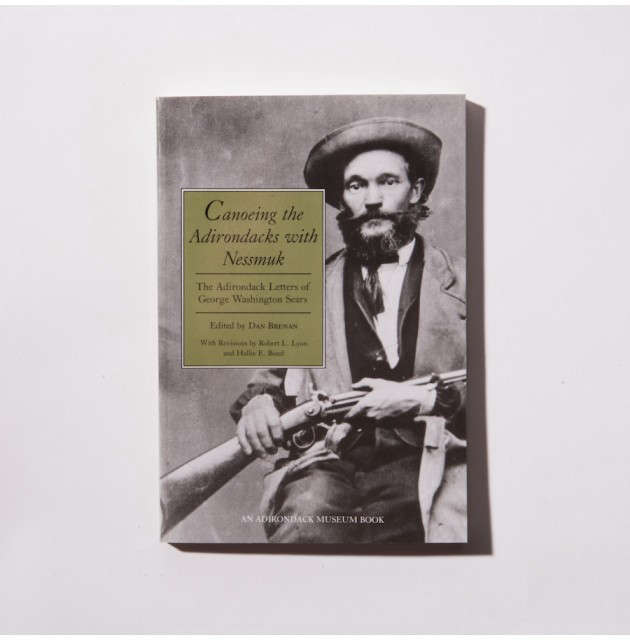
Canoeing with Nessmuk is not just a charming phrase for people who own wool blankets, wooden paddles, and a suspiciously strong opinion about camp coffee. It is an invitation to revisit one of America’s most influential outdoor voices: George Washington Sears, the 19th-century writer better known by his pen name, Nessmuk. Long before “ultralight camping” became a gear-store aisle and a social media personality trait, Nessmuk was already asking a wonderfully practical question: Why carry half a furniture store into the woods when a light canoe, a smart kit, and a calm mind will do?
His answer helped shape the way Americans think about canoe camping, solo paddling, backcountry travel, and the quiet pleasure of moving through wild country under your own power. Nessmuk’s famous little canoe, the Sairy Gamp, built by J. H. Rushton in Canton, New York, became a floating symbol of intelligent simplicity. It was small, light, and perfectly matched to its paddler. In other words, it was not trying to be a yacht. It had self-esteem.
This article explores who Nessmuk was, why his canoeing philosophy still matters, and how modern paddlers can borrow his best ideas without pretending it is still 1883. Spoiler: you may keep your dry bag.
Who Was Nessmuk?
Nessmuk was the pen name of George Washington Sears, an American outdoor writer born in the early 19th century. He wrote for popular sporting publications and became widely known for his essays on camping, canoeing, fishing, and woodcraft. His writing was practical, lyrical, opinionated, and occasionally funny in that old-fashioned way where a sentence wears a waistcoat.
What made Nessmuk special was not that he was the biggest, strongest, or loudest outdoorsman in the room. In fact, he was physically small and often described as frail. That detail matters because his outdoor philosophy was built around efficiency rather than brute force. He did not believe wilderness travel required suffering under a ridiculous load. He believed in “smoothing it,” a phrase often associated with his approach to making camp life easier, cleaner, lighter, and more enjoyable.
That idea feels surprisingly modern. Today’s backpackers debate base weight. Canoe campers compare hull materials. Weekend adventurers try to reduce clutter without sacrificing safety. Nessmuk was already there, quietly judging everyone’s overpacked duffel bag from the 1880s.
The Sairy Gamp: A Tiny Canoe with a Big Reputation
No discussion of canoeing with Nessmuk is complete without the Sairy Gamp. Built by J. H. Rushton, the little canoe became one of the most famous small craft in American outdoor history. It was designed for a paddler who needed something light enough to carry across Adirondack portages but capable enough to handle quiet lakes, ponds, and connecting waterways.
The genius of the Sairy Gamp was not raw size or toughness. It was fit. Nessmuk needed a canoe that matched his body, his route, and his method of travel. That is the lesson modern paddlers should steal immediately. The best canoe is not always the longest, widest, most expensive, or most aggressively described in a product catalog. The best canoe is the one that fits the trip.
Why Lightweight Canoes Changed the Game
In Nessmuk’s time, many wilderness trips depended on guides, heavy boats, and large amounts of equipment. That approach worked, but it also made backcountry travel feel complicated and exclusive. A lighter canoe gave independent travelers a different option. Suddenly, a skilled paddler could move across lakes, carry between waters, and camp with a compact kit.
That shift helped popularize self-guided canoe camping. Nessmuk’s writing made the idea feel possible. He showed readers that the outdoors did not have to be approached like a military campaign with soup kettles. It could be light, graceful, observant, and personal.
Canoeing the Adirondacks: Nessmuk’s Natural Classroom
The Adirondacks were central to Nessmuk’s canoeing legacy. The region’s lakes, ponds, streams, carries, forests, and changing weather created the perfect classroom for his ideas. A paddler in the Adirondacks quickly learns that every extra pound becomes a personal insult during a portage. A cast-iron pan may look romantic at breakfast, but by mile three of a carry it begins to feel like a family curse.
Nessmuk’s Adirondack travels were not about conquering the landscape. They were about moving through it attentively. He watched water, weather, trees, birds, fish, campsites, and the small details that modern travelers often miss while trying to get enough signal to upload a dramatic lake photo.
His canoeing style encouraged intimacy with place. A canoe sits close to the water. It moves quietly. It lets the paddler notice reflections, shoreline plants, rising fish, and the way afternoon wind wrinkles a lake before it becomes a problem. In that sense, canoeing with Nessmuk means learning to travel at the speed of attention.
The Nessmuk Philosophy: Go Light, Think Clearly
Nessmuk’s outdoor philosophy can be summarized in a simple sentence: carry less, know more. He valued practical skill over unnecessary equipment. That does not mean modern paddlers should imitate every historical habit. We have better safety gear, better weather forecasts, better maps, and better waterproof storage. Using them is not betrayal. It is common sense wearing a life jacket.
But Nessmuk’s central insight remains powerful. Gear should solve problems, not create them. A canoe camping kit should help you travel safely, sleep warmly, cook simply, stay dry, and leave the campsite as clean as you found it. Everything else should be questioned politely, then possibly left at home.
What Modern Paddlers Can Learn from Nessmuk
First, choose equipment based on the route. A calm pond, a chain of lakes, a river with current, and a windy open crossing are different situations. The canoe, paddle, clothing, food, shelter, and emergency kit should match the actual trip rather than an imaginary expedition starring you as a wilderness celebrity.
Second, respect weight. Even if your canoe is not as tiny as the Sairy Gamp, every item still matters. Portages expose packing mistakes with brutal honesty. If you have ever carried a canoe on your shoulders while a badly packed bag swings into your knee, you understand that comedy and tragedy are sometimes the same genre.
Third, develop skill. Lightweight travel is not about being careless. It is about replacing bulk with judgment. Learn paddle strokes, basic navigation, weather awareness, campsite selection, and safe loading. A smart paddler with modest gear is better prepared than an overloaded paddler who packed as though moving apartments by canoe.
Canoe Camping the Nessmuk Way Today
A modern Nessmuk-inspired canoe trip does not require antique equipment. It requires a thoughtful attitude. Start with a manageable route: a quiet lake, an established water trail, or a beginner-friendly canoe camping area. Study maps before departure. Check weather. Know access points, portages, campsite rules, and emergency exits. Tell someone your plan. Wear a properly fitted personal flotation device. Nessmuk may have traveled in another century, but there is no historical romance in ignoring safety.
For packing, think in systems. Shelter should be compact and weather-appropriate. Sleep gear should match expected temperatures. Food should be simple, nourishing, and easy to store. Clothing should handle wet conditions because canoeing is basically hiking with more water and fewer excuses. Navigation tools should be reliable, and a first-aid kit should be easy to reach.
Keep the canoe balanced. Heavy items belong low and centered. Dry bags should be secured but accessible. Avoid piling gear above the gunwales like a floating yard sale. A clean canoe trim makes paddling easier, safer, and much less embarrassing when a breeze arrives with opinions.
Nature, Ethics, and the Light Footprint
Nessmuk’s love of wild places connects naturally with modern outdoor ethics. Today, responsible canoe camping means more than traveling light for personal comfort. It means reducing impact. Camp on durable surfaces where permitted. Keep campsites small. Pack out trash. Respect wildlife. Avoid damaging shoreline vegetation. Use fires only where allowed and safe, and consider a stove when fire risk is high.
The best canoe camper leaves little evidence behind. That idea fits beautifully with Nessmuk’s preference for simplicity. A smaller, smarter camp is usually quieter, cleaner, and easier to restore before departure. The goal is not to make the woods look as if you had a very rustic birthday party. The goal is to pass through with gratitude.
Why Nessmuk Still Matters
Nessmuk matters because he anticipated a major outdoor truth: freedom often comes from carrying less. His canoeing legacy is not only about one man, one boat, or one region. It is about a way of thinking. He helped make wilderness travel feel accessible to ordinary people with curiosity, patience, and practical sense.
In an age when outdoor recreation can become tangled in expensive gear and performative adventure, Nessmuk offers a refreshing correction. He reminds us that a good trip does not require theatrical suffering. It requires preparation, humility, observation, and the willingness to let the landscape set the pace.
Practical Examples of Canoeing with a Nessmuk Mindset
Example 1: The One-Night Lake Trip
Imagine a beginner-friendly overnight trip on a quiet lake with established campsites. A Nessmuk-inspired approach would keep the route short, the packing list lean, and the schedule flexible. Instead of racing across the water, the paddler might explore coves, practice quiet strokes, cook a simple meal, and watch evening settle over the shoreline. The point is not mileage. The point is presence.
Example 2: The Portage Lesson
On a route with a half-mile carry, the value of lightweight packing becomes obvious. A paddler who brings only necessary gear can complete the portage calmly. A paddler who brings three chairs, two coolers, and a cast-iron skillet large enough to signal aircraft may have a spiritual experience, but not necessarily a pleasant one.
Example 3: The Weather Decision
A Nessmuk-style canoeist respects conditions. If wind rises across open water, the wise choice may be to wait, hug the shoreline, or change plans. Outdoor skill is not proven by forcing a bad decision. It is proven by recognizing one before it becomes a story your friends retell with uncomfortable laughter.
The Experience: Canoeing with Nessmuk in Spirit
To imagine canoeing with Nessmuk is to imagine a slower and sharper kind of travel. You push off from shore in the early morning, when the lake is still holding its breath. The canoe slides forward with that soft wooden whisper every paddler secretly loves. Mist hangs over the water. Somewhere in the trees, a bird makes a comment that sounds important but refuses to translate.
Your kit is simple. Not primitive, not reckless, just simple. The dry bag is packed with intention. The food is easy. The shelter is light. The map is where you can reach it. Nothing in the canoe feels like it was added because of panic, fantasy, or a late-night shopping decision titled “essential survival mega bundle.” Already, the boat feels better. You feel better. The trip has room to breathe.
As the paddle dips, you begin to understand why Nessmuk’s tiny canoe captured imaginations. Small craft create a particular kind of honesty. They do not let you bring everything. They ask you to choose. That choosing changes the journey before the first mile is finished. You become more aware of weight, balance, weather, and movement. You stop thinking like a passenger and start thinking like a traveler.
At midday, you reach a carry. It is not heroic. It is just long enough to reveal the truth. The canoe comes up, the pack settles, and the trail begins. Roots cross the path like nature’s handwriting. A mosquito arrives with the confidence of a tax collector. You move steadily, grateful that your load is manageable. This is where Nessmuk’s philosophy becomes less poetic and more muscular. Lightweight travel is not an aesthetic. It is a kindness you do for your future self.
Back on the water, the afternoon wind rises. The lake darkens in patches. You angle the canoe carefully, staying near shore and letting judgment outrank ambition. This, too, feels like canoeing with Nessmuk. The old outdoor writers loved adventure, but the best of them respected limits. A safe decision may not sound dramatic, but it has the excellent advantage of letting you enjoy dinner.
Camp is small and tidy. You choose a durable site, keep gear organized, and avoid turning the shoreline into a temporary kingdom. Supper is simple, and somehow it tastes better than anything requiring a reservation. The canoe rests nearby, pulled safely above the waterline. Evening arrives in layers: cooler air, quieter birds, darker trees, one star, then many.
This is the real reward. Not bragging rights. Not a heroic photo. Not the number of miles recorded by a device that will never understand the smell of wet cedar. The reward is the feeling of being properly placed in the world for a little while. Canoeing with Nessmuk means accepting that the journey is richer when it is lighter, quieter, and more attentive.
By morning, you pack quickly because there is not much to pack. The campsite looks as though it has exhaled. You take one last look at the water, step into the canoe, and push away. The paddle catches. The boat answers. Somewhere between the shoreline and the open lake, you realize Nessmuk’s best lesson is not old at all. Travel lightly enough to notice where you are.
Conclusion
Canoeing with Nessmuk is more than a nostalgic glance at a 19th-century paddler and his famous little canoe. It is a practical philosophy for anyone who wants to travel better on water: choose wisely, pack lightly, move respectfully, and pay attention. George Washington Sears helped popularize a style of canoe camping that made wilderness travel feel personal and possible. His influence still floats quietly through modern ultralight canoeing, pack boats, backcountry ethics, and the simple joy of paddling into a quiet morning.
You do not need to copy Nessmuk’s exact equipment to learn from him. You only need to borrow his discipline. Bring what matters. Leave what does not. Respect the water, the weather, and the land. A canoe does not reward clutter or arrogance. It rewards balance. Nessmuk understood that beautifully, and every paddler who has ever carried a boat over a muddy trail understands it eventuallyusually right around the moment they regret packing the second frying pan.
Note: This article synthesizes historical and outdoor information from reputable public sources about George Washington Sears, J. H. Rushton, the Sairy Gamp, Adirondack canoe camping, lightweight travel, and modern low-impact paddling ethics. It is written as original web content in standard American English.