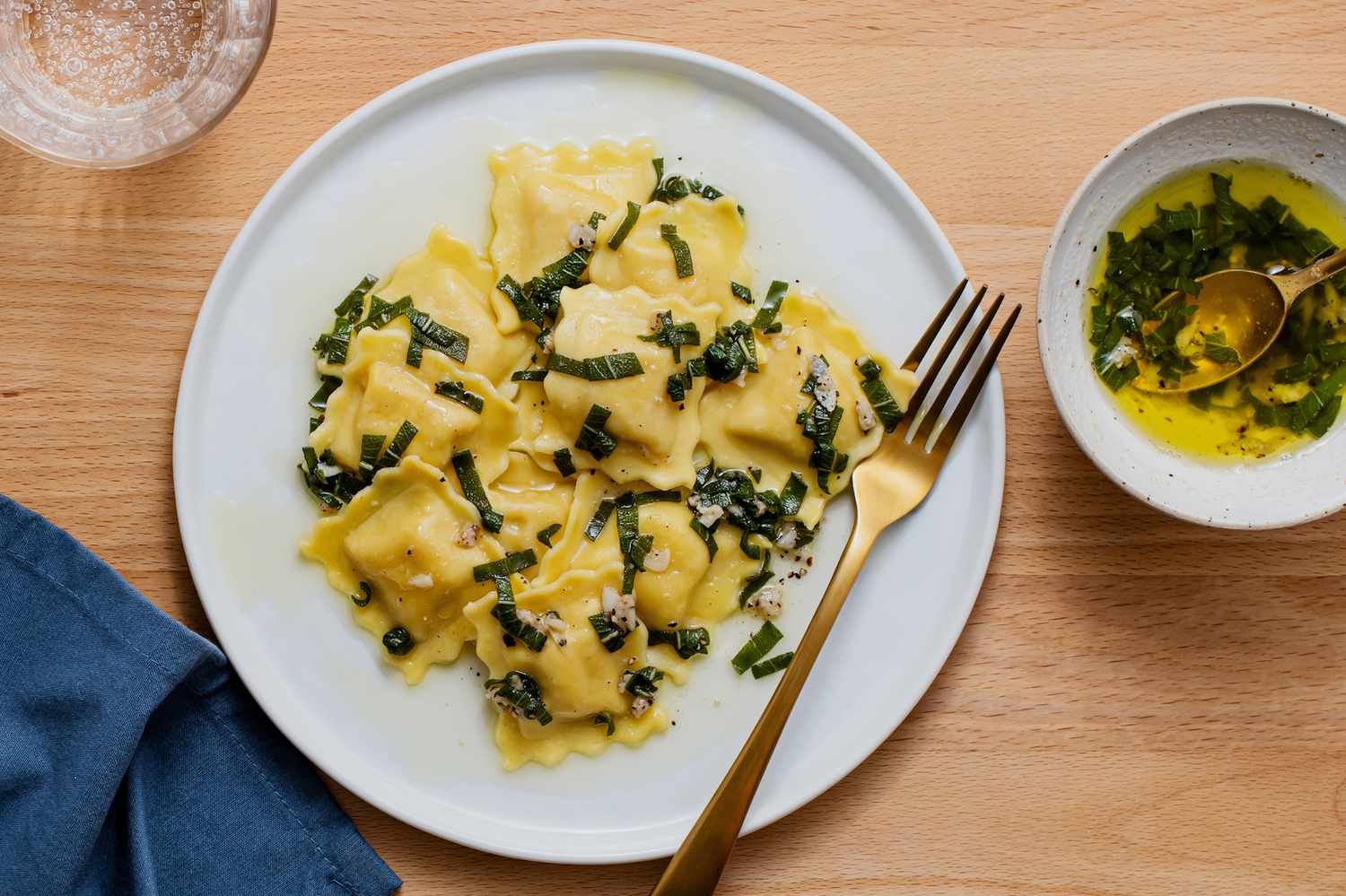
Brown butter sage sauce with garlic and fresh sage is one of those recipes that sounds like it walked out of a white-tablecloth restaurant, adjusted its tiny chef hat, and whispered, “I’m actually very easy.” It is rich, nutty, aromatic, savory, and elegant enough to make store-bought ravioli taste like you hired an Italian grandmother for the evening.
At its heart, this sauce is beautifully simple: butter is cooked until its milk solids turn golden brown, fresh sage is added for an earthy herbal perfume, and garlic brings a savory backbone. The result is a fast, deeply flavorful sauce that works with pasta, gnocchi, roasted vegetables, chicken, fish, squash, potatoes, and anything else that politely asks to be covered in butter.
The magic is in timing. Brown the butter too little and it tastes like melted butter. Brown it too much and it tastes like regret. Add the garlic too early and it can burn. Add the sage at the right moment and it crisps gently while releasing its woodsy, peppery aroma. This guide walks you through exactly how to make brown butter sage sauce with garlic and fresh sage so it tastes balanced, luxurious, and not like you got distracted by your phone for 14 seconds too long.
What Is Brown Butter Sage Sauce?
Brown butter sage sauce is a warm butter-based sauce made by cooking butter until the milk solids toast and develop a nutty aroma. Fresh sage leaves are added to infuse the butter with a deep herbal flavor, while garlic gives the sauce a savory edge. It is especially popular with stuffed pasta such as ravioli, tortellini, and agnolotti, but it is just as delicious over gnocchi, fettuccine, roasted butternut squash, sweet potatoes, green beans, or pan-seared chicken.
In Italian cooking, a version of this sauce is often associated with butter and sage, or burro e salvia. The brown butter version adds more depth because the butter is cooked past simple melting. Instead of being merely creamy and rich, it becomes nutty, toasted, and almost caramel-like. Add garlic and fresh sage, and suddenly four simple ingredients start acting like they studied abroad.
Why This Sauce Works So Well
Brown Butter Adds Nutty Depth
Butter contains butterfat, water, and milk solids. When butter melts and continues cooking, the water evaporates and the milk solids begin to brown. Those tiny golden specks are flavor treasure. They create a nutty, toasted aroma that makes the sauce taste more complex than its ingredient list suggests.
Fresh Sage Balances the Richness
Sage has a strong, earthy, slightly peppery flavor. It is bold enough to stand up to butter without disappearing. When fried briefly in hot brown butter, the leaves become crisp and fragrant. They also make the dish look fancy, which is helpful when dinner was secretly assembled in less time than it takes to find matching socks.
Garlic Adds Savory Warmth
Garlic gives brown butter sage sauce a deeper, rounder flavor. The key is not to scorch it. Garlic browns faster than butter and can turn bitter if cooked aggressively. For the best result, use sliced or lightly crushed garlic for gentle infusion, or add minced garlic near the end so it becomes fragrant without burning.
Ingredients You Need
Unsalted Butter
Use unsalted butter so you can control the seasoning. Since the sauce reduces slightly as water cooks out of the butter, salted butter can become too salty, especially if you finish the dish with Parmesan or Pecorino Romano.
Fresh Sage
Fresh sage leaves are the star herb. Choose leaves that look vibrant, soft, and fragrant. Avoid leaves that are wilted, blackened, or dry around the edges. Whole leaves fry beautifully, while chopped sage gives a stronger herbal flavor throughout the sauce.
Garlic
One to three cloves is usually enough. For a mild sauce, use one smashed clove and remove it before serving. For a stronger garlic flavor, use thin slices. For the boldest version, add finely minced garlic after the butter has browned and cook it briefly off the heat.
Salt and Black Pepper
Salt sharpens the flavors, and black pepper gives the sauce a gentle bite. Add salt at the end, especially if you plan to serve the sauce with cheese.
Optional Lemon Juice
A small squeeze of lemon juice is optional but highly recommended. Brown butter is rich, and lemon adds brightness. It keeps the sauce from feeling too heavy and makes the sage and garlic taste more alive.
Easy Brown Butter Sage Sauce Recipe
Ingredients
- 8 tablespoons unsalted butter, cut into pieces
- 12 to 16 fresh sage leaves
- 2 garlic cloves, thinly sliced or lightly smashed
- 1/4 teaspoon kosher salt, plus more to taste
- Freshly ground black pepper, to taste
- 1 to 2 teaspoons fresh lemon juice, optional
- Freshly grated Parmesan cheese, optional for serving
Instructions
- Choose the right pan. Use a light-colored skillet or saucepan if possible. It helps you see when the butter turns golden brown.
- Melt the butter. Add the butter to the pan over medium heat. Let it melt completely, stirring or swirling occasionally.
- Watch the foam. The butter will bubble and foam as the water cooks off. Keep swirling the pan so the milk solids brown evenly.
- Add garlic carefully. If using sliced or smashed garlic, add it once the butter is melted and foaming. Cook until fragrant, but do not let it turn dark brown.
- Brown the butter. Continue cooking until the foam begins to subside and golden-brown specks appear on the bottom of the pan. The butter should smell nutty and toasted.
- Add fresh sage. Add the sage leaves and swirl the pan. Let them crisp for 30 to 60 seconds. If the butter is browning quickly, remove the pan from the heat before adding the sage.
- Season and finish. Stir in salt, black pepper, and lemon juice if using. Taste and adjust seasoning.
- Serve immediately. Spoon over pasta, gnocchi, ravioli, vegetables, or protein while warm.
Best Ways to Serve Brown Butter Sage Sauce
With Ravioli
Brown butter sage sauce is perfect with butternut squash ravioli, pumpkin ravioli, mushroom ravioli, cheese ravioli, and sweet potato ravioli. The richness of the butter plays beautifully with creamy or slightly sweet fillings. Add toasted walnuts or hazelnuts for crunch.
With Gnocchi
Soft potato gnocchi and brown butter sage sauce are a dream team. For extra texture, pan-sear the gnocchi after boiling until the edges become golden and crisp. Then toss with the sauce and finish with Parmesan.
With Long Pasta
Fettuccine, tagliatelle, spaghetti, and pappardelle all work well. Reserve a little pasta water and stir it into the sauce before tossing. The starchy water helps the butter coat the noodles instead of sliding off like a dramatic movie villain.
With Roasted Vegetables
Try this sauce over roasted butternut squash, carrots, Brussels sprouts, cauliflower, sweet potatoes, or green beans. The sauce adds richness while the sage brings a cozy fall flavor.
With Chicken or Fish
Brown butter sage sauce is excellent spooned over pan-seared chicken breast, roasted chicken thighs, pork chops, salmon, or cod. Keep the portion modest because the sauce is flavorful and rich.
Tips for Perfect Brown Butter Sage Sauce
Use Medium Heat
Medium heat gives you control. High heat may brown the butter faster, but it also gives you less time to react. Brown butter can go from golden to burned quickly, and no one wants sauce that tastes like a campfire made a mistake.
Do Not Walk Away
This is a short recipe, but it needs attention. Stay near the pan, swirl often, and watch the color. The smell will change from buttery to nutty when it is ready.
Trust Your Nose
Color matters, but aroma is just as important. Proper brown butter smells toasted, nutty, and warm. Burned butter smells sharp and bitter. If your kitchen suddenly smells like sadness, start over.
Add Lemon at the End
Lemon juice can splatter if added to very hot butter, so add it carefully off the heat. A little goes a long way. The goal is brightness, not lemonade pasta.
Finish With Cheese Wisely
Parmesan, Pecorino Romano, and Parmigiano-Reggiano all work beautifully. Add cheese after tossing the sauce with pasta or vegetables. Too much cheese can make the sauce salty, so taste first.
Common Mistakes to Avoid
Burning the Garlic
Garlic burns faster than butter browns. If you want a gentle garlic flavor, use a smashed clove and remove it when golden. If you want minced garlic, add it after the butter has browned and let the residual heat cook it.
Using Dried Sage as a Direct Substitute
Dried sage can work in a pinch, but it will not crisp like fresh sage. It is also more concentrated. Use a small amount, about 1/2 to 1 teaspoon, and add it near the end.
Making the Sauce Too Early
This sauce is best served immediately. Brown butter can be made ahead, but sage is at its most fragrant and crisp right after cooking. If preparing in advance, brown the butter first, then rewarm and add fresh sage just before serving.
Skipping the Pasta Water
If serving with pasta, a splash of starchy pasta water can help the sauce cling to the noodles. Without it, the butter may pool at the bottom of the bowl. Delicious pool, yes. Ideal dinner structure, no.
Flavor Variations
Brown Butter Sage Sauce with Walnuts
Add chopped toasted walnuts for crunch and a deeper nutty flavor. This version is excellent with pumpkin ravioli or roasted squash.
Brown Butter Sage Sauce with Balsamic
A tiny splash of balsamic vinegar adds sweetness and acidity. Use it sparingly so it does not overpower the butter and sage.
Spicy Garlic Sage Brown Butter
Add a pinch of crushed red pepper flakes with the garlic. The heat cuts through the richness and works especially well with cheese tortellini.
Lemon Sage Brown Butter
Add lemon zest and a small squeeze of lemon juice at the end. This version is brighter and especially good with fish, green beans, or ricotta-filled pasta.
How to Store and Reheat
Brown butter sage sauce is best fresh, but leftovers can be stored in an airtight container in the refrigerator for up to 3 days. Reheat gently in a skillet over low heat. If the butter separates, whisk in a teaspoon of warm water or pasta water to bring it back together.
Freezing is possible, but fresh sage loses its crisp texture after thawing. If you want to prepare ahead, freeze plain brown butter and add fresh sage and garlic when reheating.
Experience Notes: Cooking Brown Butter Sage Sauce at Home
The first time you make brown butter sage sauce with garlic and fresh sage, it may feel slightly dramatic. The butter melts quietly, then foams like it has just remembered an urgent appointment. The pan starts crackling. The color changes slowly, then suddenly. This is normal. In fact, that little moment of kitchen suspense is part of the fun.
One of the best practical experiences with this sauce is making it on a weeknight when dinner needs to feel special but your energy level says, “Please do not ask me to dice an onion.” A package of refrigerated ravioli, a handful of sage, a few cloves of garlic, and half a stick of butter can become dinner in about 15 minutes. The sauce gives the dish a restaurant-style finish without requiring a reservation, a blazer, or the emotional strength to read a wine list.
Fresh sage is especially rewarding because it changes texture in the pan. At first, the leaves look soft and velvety. Once they hit the hot butter, they darken slightly, curl at the edges, and become crisp. Those little leaves are not just garnish. They add a delicate crunch and concentrated herbal flavor. When spooned over gnocchi or ravioli, they make the whole plate feel intentional.
Garlic brings another layer of experience. Thin slices become lightly golden and sweet if handled gently. Minced garlic gives a stronger punch, but it requires more caution. A useful home-cooking trick is to brown the butter first, remove the pan from the heat, and then stir in minced garlic. The residual heat is usually enough to mellow the garlic without burning it. This approach is forgiving, especially if you are still learning the timing.
Another memorable way to use this sauce is over roasted vegetables. Roasted butternut squash with brown butter sage sauce tastes cozy, sweet, savory, and slightly nutty all at once. It is the kind of side dish that makes people ask what you did, even though what you did was mostly melt butter and pay attention. Brussels sprouts also work beautifully because their browned edges echo the toasted flavor of the butter.
When serving the sauce with pasta, the biggest lesson is not to drown the noodles. Brown butter is powerful. A modest amount can coat pasta beautifully, especially with a spoonful of starchy pasta water. Toss the pasta in the skillet rather than pouring sauce on top after plating. This helps every noodle get a glossy coating and prevents the butter from sitting at the bottom of the bowl like a delicious but poorly organized puddle.
Finally, this sauce teaches one of the most valuable cooking skills: sensory awareness. You learn to watch color, smell aroma, listen for bubbling, and feel the pace of the pan. That skill carries into other recipes, from sautéed vegetables to pan sauces and baking. Brown butter sage sauce is more than a recipe. It is a tiny master class in heat, timing, and flavor, disguised as something you can pour over ravioli on a Tuesday night.
Conclusion
Brown butter sage sauce with garlic and fresh sage is proof that a few simple ingredients can create big flavor when handled with care. The butter turns nutty and golden, the sage becomes crisp and aromatic, and the garlic adds savory depth. Whether you spoon it over ravioli, toss it with gnocchi, drizzle it on roasted vegetables, or serve it with chicken or fish, this sauce brings comfort and elegance to the table.
The secret is not complicated: use fresh sage, watch the butter closely, protect the garlic from burning, and finish with salt, pepper, and a touch of lemon if you want brightness. Once you learn the rhythm, this recipe becomes a reliable kitchen trickfast enough for weeknights, impressive enough for guests, and delicious enough to make plain pasta feel like it just got promoted.