Medical note: This article is for educational purposes and does not replace individualized medical care. Cabenuva is a treatment for certain people already living with HIV. It is not an HIV cure, a vaccine, or a medication for emergency use after possible exposure.
For decades, successful HIV treatment was closely associated with one familiar instruction: take your pills every day. Modern antiretroviral therapy transformed HIV from a frequently fatal infection into a manageable chronic condition, but the daily routine remained. Then, in January 2021, the U.S. Food and Drug Administration approved Cabenuva, the first complete, extended-release injectable drug regimen for treating HIV-1.
The approval did not eliminate antiretroviral therapy, nor did it make HIV disappear with two heroic pokes of a syringe. What it did was change how treatment could be delivered. Instead of swallowing medicine every morning or evening, eligible patients could receive two intramuscular injections from a healthcare professional once a month. Later approvals added an every-two-month option and expanded eligibility to certain adolescents.
For people who feel chained to a pill bottle, worry about privacy, or simply prefer fewer medication days, that shift can be significant. Treatment moves from a daily household ritualoften performed somewhere between brushing one’s teeth and looking for missing car keysto a scheduled clinic visit.
Approval and current indication:
What Is Cabenuva?
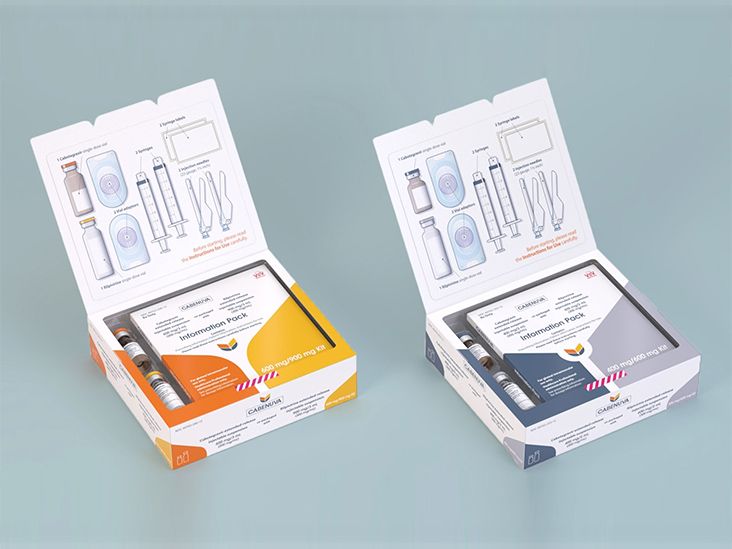
Cabenuva is a complete two-drug HIV treatment regimen containing long-acting forms of cabotegravir and rilpivirine. The medicines are packaged separately and administered as two injections into the gluteal muscles during the same appointment.
Cabotegravir belongs to a class called integrase strand transfer inhibitors. It interferes with integrase, an enzyme HIV needs to insert its genetic material into human immune cells. Rilpivirine is a non-nucleoside reverse transcriptase inhibitor. It blocks another viral enzyme involved in converting HIV’s genetic instructions into a form the virus can use to reproduce.
In less laboratory-coated language, the two medicines interrupt HIV at different points in its replication process. Their extended-release formulations remain active in the body for weeks, allowing treatment to continue between appointments without a daily tablet.
Cabenuva does not remove HIV from the body. Its job is to maintain viral suppression, protect immune function, reduce the risk of HIV-related illness, and help a person remain healthy. When treatment maintains an undetectable viral load, HIV is not sexually transmitteda principle known as Undetectable Equals Untransmittable, or U=U.
Mechanism and treatment goals:
Who Can Receive the Long-Acting Injections?
Cabenuva is not automatically appropriate for everyone diagnosed with HIV. Under its current U.S. indication, it may replace an existing antiretroviral regimen in adults and adolescents who:
- Are at least 12 years old
- Weigh at least 77 pounds, or 35 kilograms
- Have an HIV-1 viral load below 50 copies per milliliter
- Are stable on their current antiretroviral treatment
- Have no history of treatment failure
- Have no known or suspected resistance to cabotegravir or rilpivirine
These requirements matter because Cabenuva contains only two active drugs. A clinician must review previous treatments, resistance-test results, viral-load history, other medical conditions, and possible drug interactions before recommending a switch.
People with hepatitis B also need special consideration. Unlike several commonly used oral HIV regimens, Cabenuva does not treat hepatitis B. Anyone switching away from medicines that control both infections may need separate hepatitis B therapy.
Certain anticonvulsants, tuberculosis medicines, and other drugs can substantially lower cabotegravir or rilpivirine levels. That could weaken treatment and encourage resistance. An accurate medication listincluding prescriptions, supplements, and occasional medicinesis therefore more useful than the classic statement, “I take a few things, but I cannot remember their names.”
Eligibility and clinical selection:
How the Cabenuva Injection Schedule Works
Optional oral lead-in
Before the injections begin, a healthcare provider may recommend approximately one month of oral cabotegravir and rilpivirine. This is called an oral lead-in and allows the patient and clinician to assess how well the medicines are tolerated before administering formulations that remain in the body for a long time.
The oral lead-in is now optional for many patients. Some can proceed directly to injections after discussing the advantages and risks with their healthcare provider.
Monthly or every-two-month treatment
Cabenuva is administered by a trained healthcare professional as two injections during each treatment visit. Depending on the selected regimen and initiation schedule, maintenance appointments occur either monthly or every two months.
The injection calendar deserves serious attention. A daily pill can often be taken a few hours late without creating a crisis. An injectable regimen involves appointment windows, clinic availability, transportation, work schedules, and occasionally the universal healthcare obstacle known as “the only available appointment is Tuesday at 10:40 a.m.”
If someone expects to miss an injection by more than seven days, the healthcare team should be contacted promptly. Temporary oral treatment may be used in some circumstances. The correct plan depends on the dosing schedule, how late the appointment will be, and when the previous injections were administered.
Administration and missed appointments:
Why the FDA Approval Was a Major HIV Milestone
It reduced dependence on daily pills
Daily oral HIV therapy is highly effective, and many people prefer it. However, taking medicine every day can be difficult for someone with an unpredictable schedule, unstable housing, medication fatigue, privacy concerns, or fear that others will discover the pill bottle.
Long-acting treatment does not magically erase every adherence challenge. It changes the challenge from remembering 30 or 60 doses to attending one clinic appointment. For some patients, that is a dramatic improvement. For others, especially those who live far from a clinic or cannot reliably take time away from work, appointments may be harder than pills.
It offered greater privacy
An HIV medication bottle can raise questions from roommates, relatives, partners, or coworkers. Some people live in supportive environments; others do not. Receiving treatment privately at a clinic can reduce the chance of accidental disclosure and the anxiety surrounding it.
It expanded patient choice
The importance of Cabenuva is not that injections are universally better. It is that patients gained another credible option. Healthcare is rarely improved by declaring that every human should use the same routine. Some people love one daily tablet. Some prefer appointments. Some dislike pills. Others would rather swallow a canoe than receive two injections in the backside.
A choice between effective approaches allows treatment to fit the person instead of requiring the person to reorganize life around one delivery method.
What Clinical Trials Found
The FDA approval was supported by large phase 3 studies, including the ATLAS and FLAIR trials. These studies evaluated whether long-acting cabotegravir plus rilpivirine could maintain viral suppression as effectively as standard daily oral therapy.
In ATLAS, adults who were already virologically suppressed were assigned either to continue oral treatment or switch to monthly injections. In FLAIR, participants first achieved viral suppression with oral therapy before switching to the injectable regimen or continuing pills. At the primary 48-week analysis, monthly injections were noninferior to oral therapy for maintaining viral suppression.
Noninferior does not mean “almost good enough.” In a carefully designed clinical trial, it means the new strategy performed within a prespecified acceptable range compared with established treatment. Later research found that dosing every two months could also maintain suppression in appropriately selected patients.
Patient-reported outcomes frequently showed strong treatment satisfaction and preference for the injectable regimen, even though injection-site discomfort was common. Real-world studies have also reported high satisfaction and durable viral control among many patients who remain engaged in care.
Clinical evidence:
Possible Side Effects and Important Risks
Injection-site reactions
The most common side effects occur where the injections are given. Pain, tenderness, swelling, redness, warmth, bruising, itching, or a small hardened area may develop. Reactions are usually temporary and often become less troublesome over time, but experiences vary.
Other reported effects include fever, fatigue, headache, muscle or bone pain, nausea, sleep problems, dizziness, and rash. Serious allergic reactions, liver problems, and mood-related effects are less common but require medical attention.
The long pharmacologic tail
Long-acting medicine has an unusual tradeoff: once injected, it cannot simply be removed. Cabotegravir and rilpivirine may remain at measurable levels for many months after treatment ends.
If injections are stopped without promptly starting another fully effective regimen, declining drug concentrations may expose HIV to inadequate treatment. That creates an opportunity for the virus to develop resistance. Anyone discontinuing Cabenuva needs a carefully timed transition to another suppressive HIV regimen.
Appointment adherence still matters
The treatment may eliminate daily pills, but it does not eliminate adherence. The calendar becomes the medicine cabinet. Patients and clinics may use reminder calls, text messages, transportation services, flexible scheduling, or oral bridging therapy to prevent missed doses.
Safety and treatment interruption:
Cabenuva Is Treatment, Not PrEP
The growing number of injectable HIV medicines can make headlines confusing. Cabenuva is used to treat HIV in eligible people who already have the virus and are virally suppressed.
Apretude, another medicine containing long-acting cabotegravir, was approved in December 2021 for pre-exposure prophylaxis, or PrEP. It helps prevent sexually acquired HIV in people who do not have HIV and is administered every two months after initiation.
In June 2025, the FDA approved Yeztugo, the brand name for lenacapavir used as PrEP. It became the first U.S. HIV-prevention option administered every six months. These medicines may all be long-acting, but they have different ingredients, schedules, purposes, and eligibility rules. They are not interchangeable.
Treatment versus prevention:
Experiences With Long-Acting Injectable HIV Treatment
The following examples are illustrative composites based on themes reported in clinical trials and real-world treatment research. They are not quotations from specific individuals.
Freedom from the daily reminder
For one type of patient, the biggest benefit is psychological. The daily tablet may be physically small but emotionally enormous. Each dose can feel like a private announcement: “You have HIV. Please revisit this fact tomorrow.” Switching to injections can reduce that repetitive reminder.
A patient in this situation might describe the first month without daily pills as strangely quiet. There is no bottle on the bathroom counter, no phone alarm during dinner, and no moment of panic after wondering whether the dose was taken. HIV has not vanished, and treatment is still essential, but it occupies fewer minutes of ordinary life.
The clinic visit may become a predictable maintenance eventsimilar to a dental cleaning, except with less discussion about flossing and two strategically placed injections.
More privacy, but less flexibility
Another patient may value discretion. Perhaps they share a home with relatives who do not know their status or travel with coworkers who ask too many questions about every bottle in a suitcase. Injectable treatment can remove visible medication from the home and luggage.
However, the same person may discover that appointments require planning. A business trip, holiday, family emergency, or clinic closure can complicate the injection window. Pills travel easily; healthcare professionals generally do not fit into carry-on baggage. For this patient, Cabenuva offers more privacy but demands better calendar management.
Needle anxiety is real
Some patients love the concept right up to the moment a nurse prepares two syringes. Needle anxiety does not evaporate because the pharmacology is impressive. The injections are intramuscular, and soreness can make sitting, exercising, climbing stairs, or sleeping uncomfortable for a short period.
Patients may find the experience easier when clinicians explain each step, allow time for the medicine to reach the recommended temperature, use careful injection technique, and discuss ways to manage temporary discomfort. A person who dreads the first appointment may feel calmer after learning what to expect. Another may decide that a daily pill is simply more comfortableand that is a legitimate treatment preference.
The transportation problem
Long-acting injections may be convenient for someone who lives ten minutes from an HIV clinic and has flexible work hours. The equation changes for a rural patient who drives two hours, pays for parking, arranges childcare, or risks losing wages for every appointment.
For that person, “only six visits a year” may still represent six logistical expeditions. Successful use can depend on appointment reminders, transportation assistance, nearby injection sites, insurance authorization, and a clinic capable of managing inventory and rescheduling quickly.
A different relationship with adherence
Some people who struggled with pills may become remarkably consistent with injections because appointments provide structure and human contact. A scheduled visit creates accountability, offers an opportunity to review laboratory results, and keeps the patient connected with the care team.
Others may experience the opposite. Someone who occasionally forgets a pill may also miss appointments, particularly when housing, transportation, mental health, substance use, or employment is unstable. Long-acting therapy works best when the regimen is paired with practical support rather than presented as a technological cure for every social barrier.
Satisfaction can coexist with soreness
Patient-experience studies reveal an important point: people can prefer injections even when they report injection-site pain. Medical satisfaction is not determined by whether a treatment is completely annoyance-free. It reflects the overall balance of convenience, privacy, confidence, side effects, and personal priorities.
A patient may leave the clinic feeling tender for two days yet still prefer that experience to remembering medicine every day for eight weeks. Another may experience minimal soreness but dislike surrendering control over the schedule. Neither response is wrong. Long-acting HIV treatment is valuable precisely because it creates another choice rather than a new commandment.
Patient experiences and satisfaction:
What the Approval Means for the Future of HIV Care
Cabenuva demonstrated that a complete HIV regimen could remain effective without daily oral dosing. That success accelerated interest in longer-lasting injections, implants, broadly neutralizing antibodies, and other approaches designed to make prevention and treatment easier to sustain.
The next challenge is not merely developing impressive medicines. It is ensuring that patients can obtain them. Insurance approvals, clinic staffing, medication storage, transportation, appointment availability, and equitable access all influence whether a scientific breakthrough becomes an everyday healthcare option.
Cabenuva will not replace oral therapy for everyone, and it should not. Daily single-tablet regimens remain convenient, highly effective, and preferable for many people. The achievement is choice: treatment can now be tailored not only to viral resistance and medical history, but also to privacy, lifestyle, comfort, and personal preference.
Conclusion
The FDA’s approval of Cabenuva marked a turning point in HIV care. For the first time, eligible people with a suppressed viral load could replace daily antiretroviral pills with a complete long-acting injectable regimen administered monthly and, later, every two months.
The treatment offers meaningful advantages, including fewer medication days, greater privacy, high patient satisfaction, and relief from daily pill fatigue. It also introduces new responsibilities: attending appointments, managing injection discomfort, checking drug interactions, and maintaining continuous antiviral coverage if injections are delayed or discontinued.
Cabenuva is not a cure, and it is not the best choice for every person living with HIV. It is something equally important in modern medicine: another effective option. When patients and clinicians can choose a regimen that fits real life, excellent HIV care becomes more sustainableand considerably less dependent on never forgetting what happened to the pill bottle.