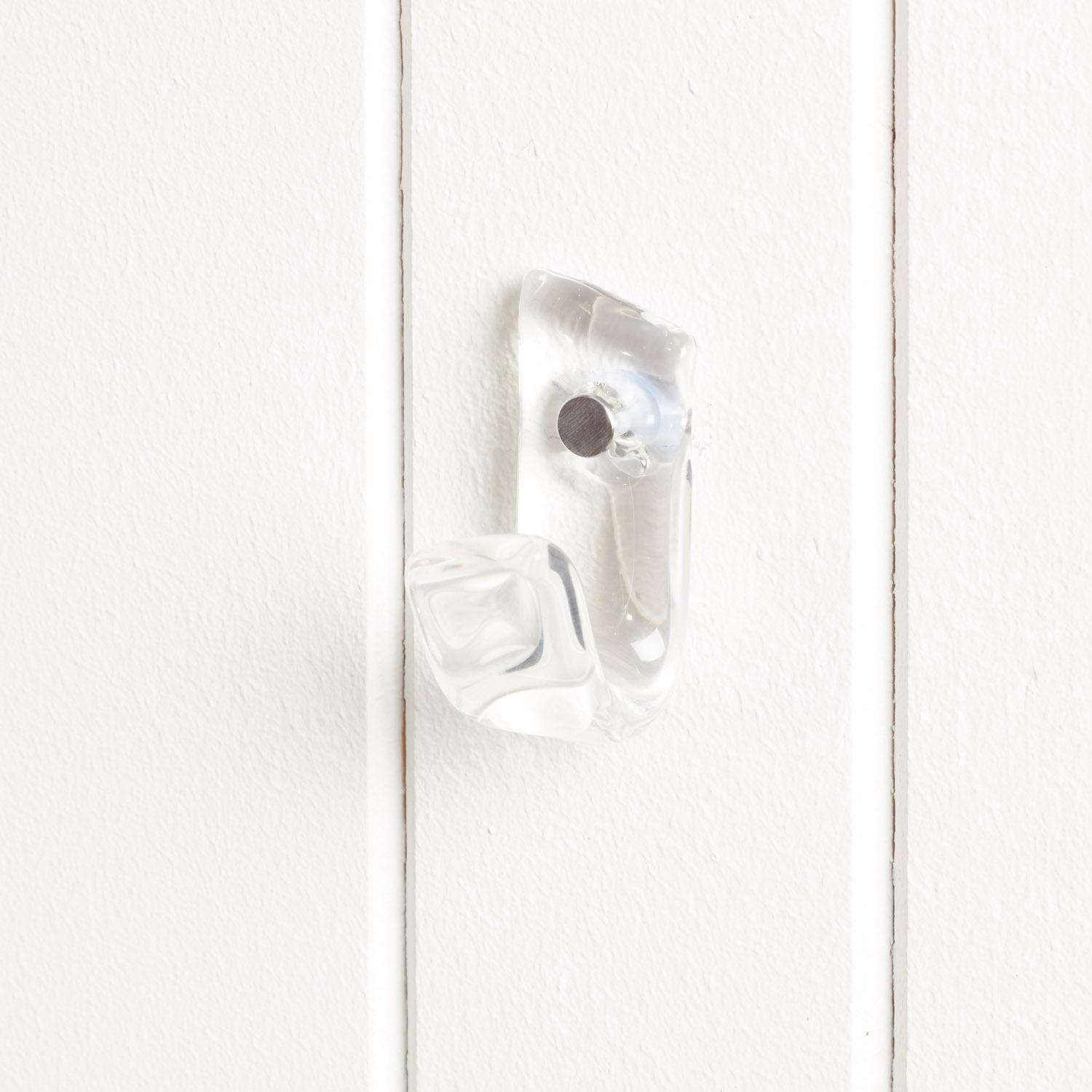
A borosilicate glass hook sounds like something a scientist might hang a lab coat on while dramatically saying, “Behold, thermal shock resistance!” But in the real world, this small design object sits comfortably between function, beauty, and clever material engineering. It is a hook made from borosilicate glass, a type of glass known for its low thermal expansion, high heat tolerance, chemical stability, and clean transparent appearance.
In plain English: it is glass that behaves better under stress than ordinary glass. That does not mean it is indestructible. It is still glass, not a superhero with a cape. But compared with standard soda-lime glass, borosilicate glass is more resistant to sudden temperature changes, more stable in demanding environments, and often chosen for laboratory equipment, coffee makers, cookware, lighting components, and modern home accessories.
When shaped into a hook, borosilicate glass becomes more than a place to hang a towel, robe, scarf, necklace, key ring, or lightweight bag. It becomes a small architectural detail. It can disappear into a minimalist wall, catch light like a tiny sculpture, or add a quiet luxury touch without shouting, “I cost more than your entire junk drawer.”
What Is a Borosilicate Glass Hook?
A borosilicate glass hook is a wall-mounted or surface-mounted hook made primarily from borosilicate glass. Depending on the design, it may be fully glass or combined with metal hardware, screws, anchors, or hidden mounting plates. The visible part is usually smooth, rounded, transparent, tinted, or softly colored.
Unlike ordinary plastic hooks or basic metal pegs, a glass hook is often chosen for both practical and decorative reasons. It works well in bathrooms, kitchens, entryways, dressing areas, boutiques, studios, and design-forward interiors where small details matter. Think of it as the difference between drinking coffee from a paper cup and drinking coffee from a handblown glass mug. Both get the job done, but one makes the morning feel slightly more civilized.
Why Borosilicate Glass Matters
Borosilicate glass is made by combining silica with boron trioxide and other ingredients. The addition of boron changes the internal glass structure, helping reduce expansion and contraction when temperatures shift. That is why borosilicate glass is widely used in lab glassware, quality coffee carafes, certain cookware, lighting, medical packaging, and technical glass products.
For a hook, heat resistance may not be the first thing most people think about. After all, your towel is probably not arriving at 450 degrees Fahrenheit unless your laundry situation has gone wildly off-script. Still, material stability matters. Bathrooms get steamy. Kitchens experience heat and humidity. Sunlit walls warm up during the day and cool at night. Borosilicate glass handles these changes better than many ordinary glass materials.
Borosilicate Glass Hook vs. Regular Glass Hook
Thermal Stability
Standard soda-lime glass is the most common type of glass used in windows, bottles, and many household items. It is affordable and useful, but it can be more vulnerable to thermal shock. Borosilicate glass has a lower coefficient of thermal expansion, meaning it expands and contracts less when temperature changes.
Chemical Resistance
Borosilicate glass is also valued for chemical resistance. In daily home use, that means it generally stands up well to moisture, mild cleaners, soaps, and bathroom conditions. Of course, harsh abrasives and aggressive chemicals are still a bad idea. A beautiful glass hook deserves better than being scrubbed like a rusty grill grate.
Appearance
Borosilicate glass can be exceptionally clear, clean, and refined. Designers like it because it can look light and almost invisible while still having physical presence. A transparent hook can blend into tile, painted walls, stone, or wood. A colored borosilicate hook can act like a tiny accent piece.
Durability
Borosilicate glass is durable for glass, but it is not unbreakable. It can resist heat and chemical stress well, yet it may still chip, crack, or break if dropped, overloaded, hit with a hard object, or installed incorrectly. The hook’s real-world strength depends not only on the glass but also on its shape, thickness, mounting hardware, wall material, and weight rating.
Common Uses for a Borosilicate Glass Hook
Bathroom Towel Hook
A borosilicate glass hook works beautifully in bathrooms because it pairs well with tile, mirrors, chrome, brushed nickel, brass, marble, concrete, and painted walls. It can hold a hand towel, robe, loofah, or lightweight toiletry bag. Since bathrooms are humid, the non-porous surface of glass is a practical advantage.
Kitchen Hook
In the kitchen, a borosilicate glass hook can hold dish towels, aprons, oven mitts, or small utensils. Its smooth surface is easy to wipe clean, and the glass appearance works especially well in modern, Scandinavian, Japanese-inspired, and minimalist kitchens.
Entryway Hook
In an entryway, it can hold keys, a lightweight hat, a scarf, or a small decorative item. For heavy backpacks or winter coats, check the load rating carefully. If the hook looks like a delicate museum object, do not ask it to carry your entire Monday.
Bedroom or Closet Hook
Glass hooks are excellent for jewelry, necklaces, silk scarves, belts, light bags, and clothing planned for the next day. A row of borosilicate glass hooks can turn a closet wall into a boutique-style display without making the room feel crowded.
Retail Display
Shops and studios sometimes use glass hooks because they make products appear cleaner and more elevated. Transparent hooks can visually disappear, allowing jewelry, accessories, textiles, or handmade goods to take center stage.
Design Benefits of Borosilicate Glass Hooks
A borosilicate glass hook is small, but small objects can change the mood of a space. Hardware is like punctuation in interior design. A cheap hook can feel like a random comma. A well-made glass hook feels like a semicolon: elegant, intentional, and slightly fancy without being obnoxious.
One major benefit is visual lightness. Metal hooks can look strong and industrial, which is great in the right room. Wood hooks feel warm and natural. Plastic hooks are practical but rarely poetic. Glass hooks bring clarity, reflection, and subtle shine. They are especially useful when you want storage without visual clutter.
Another benefit is versatility. Clear borosilicate glass can work with almost any color palette. Amber, smoke, blue, green, or pink glass can add personality. Rounded glass hooks soften sharp spaces, while straight or geometric designs support a more architectural look.
What to Look for Before Buying a Borosilicate Glass Hook
1. Confirm the Material
Look for products that specifically state “borosilicate glass,” not just “glass.” The term matters because it describes a particular glass family with performance advantages. If a listing only says “glass hook,” the material may be ordinary soda-lime glass.
2. Check the Weight Rating
A hook is only useful if it can safely hold what you plan to hang. Check the manufacturer’s recommended load capacity. Use glass hooks for light to moderate items unless the product clearly states otherwise. Never use a decorative glass hook for climbing, suspension, safety equipment, exercise gear, or anything where failure could cause injury.
3. Inspect the Mounting Hardware
The glass may be beautiful, but the hardware does the heavy lifting. Look for sturdy screws, suitable wall anchors, and a mounting system that fits your wall type. Drywall, tile, masonry, wood, and plaster all need different installation approaches.
4. Study the Shape
A deeper curve holds towels and robes better. A short peg is better for keys or jewelry. A rounded end helps prevent fabric snags. A narrow point may look sleek but can leave marks on delicate textiles.
5. Consider Placement
Avoid placing glass hooks where doors can slam into them, where children might pull on them, or where heavy bags are likely to swing. Good placement protects both the hook and the wall. It also prevents the dramatic sound of glass meeting bad decisions.
How to Install a Borosilicate Glass Hook Safely
Installation depends on the product, but the general process is simple. First, choose the location and confirm what is behind the wall. A stud offers strong support for heavier use. For drywall, use proper anchors. For tile, use tile-safe drill bits and avoid rushing. For masonry, use masonry anchors.
Mark the position carefully before drilling. Use a level if installing multiple hooks in a row. Nobody wants a row of hooks that looks like it was installed during an earthquake rehearsal. Drill pilot holes if needed, insert anchors, attach the mounting plate or screw system, and secure the hook according to the manufacturer’s instructions.
Do not overtighten hardware against glass. Too much pressure can create stress points. If the hook includes a gasket, washer, or cushion, use it. These small parts help separate hard materials and reduce the chance of cracking.
Care and Cleaning Tips
One of the best things about borosilicate glass is that it is easy to clean. Use a soft cloth with mild soap and warm water. For fingerprints or water spots, a microfiber cloth usually works well. A diluted vinegar solution may help with mineral deposits, but always test around metal hardware first.
Avoid abrasive pads, gritty cleaners, and hard scraping tools. Glass can scratch, and once it does, the scratch may catch light in an annoying way. Also avoid hitting the hook with metal objects. Borosilicate glass is tough, not invincible.
Periodically check the mounting hardware. If the hook wiggles, remove the load and tighten or reinstall it properly. A loose hook can damage the wall, stress the glass, and turn your stylish storage solution into a tiny household betrayal.
Best Interior Styles for Borosilicate Glass Hooks
Minimalist Interiors
Clear glass hooks are ideal for minimalist homes because they provide function without visual heaviness. They work well with white walls, pale wood, concrete, and simple tile.
Modern Bathrooms
In bathrooms, glass hooks pair beautifully with mirrors, shower screens, polished fixtures, and stone surfaces. They keep the room feeling open and clean.
Vintage-Inspired Spaces
Colored borosilicate glass hooks can feel playful and retro. Amber, green, and smoke tones can complement vintage tile, warm wood, and brass hardware.
Creative Studios
Artists, designers, and makers often appreciate materials with character. A glass hook can hold tools, sample fabrics, headphones, or inspiration pieces while adding a touch of craft.
Pros and Cons of a Borosilicate Glass Hook
Pros
- Elegant and modern appearance
- Excellent thermal stability compared with ordinary glass
- Good resistance to moisture and many mild household cleaners
- Non-porous and easy to wipe clean
- Works with many interior styles
- Available in clear, tinted, or sculptural designs
Cons
- Can break or chip under impact
- Usually not suitable for very heavy items
- May cost more than plastic or basic metal hooks
- Requires careful installation
- Fingerprints and water spots may show on clear glass
Is a Borosilicate Glass Hook Worth It?
A borosilicate glass hook is worth considering if you want a functional object that also contributes to the design of a room. It is not the cheapest option, and it is not the strongest option for heavy-duty storage. But it offers something many hooks do not: quiet beauty.
For a guest bathroom, powder room, dressing area, modern kitchen, or boutique-style closet, it can be an excellent choice. It turns a basic storage need into a design detail. Instead of hiding hardware, you let the hook become part of the room’s personality.
The key is to use it wisely. Match the hook to the right load, install it correctly, clean it gently, and place it where it will not be abused. Treat it like premium hardware, not a garage utility hook that has seen things no hook should have to discuss.
Experience-Based Insights: Living With a Borosilicate Glass Hook
The first thing people usually notice about a borosilicate glass hook is not the chemistry. Nobody walks into a bathroom and says, “Ah yes, excellent low thermal expansion.” At least, not unless they are a materials engineer at a dinner party. What people notice is the way the hook catches light. It can look almost invisible from one angle and jewel-like from another. That is part of the charm.
In daily use, a glass hook feels different from metal or wood. A towel slides over it smoothly. Jewelry hangs neatly without the roughness that can come from unfinished wood or cheap coated metal. In a bathroom, it does not visually crowd the wall. This matters more than you might expect, especially in small spaces where every object seems to announce itself.
One practical lesson is that placement makes or breaks the experience. A borosilicate glass hook near a sink can be perfect for a hand towel, but if it is too close to a door swing, it becomes risky. A hook near a shower is convenient, but if the towel stays constantly damp, water spots may appear on the glass and nearby hardware. The hook still works, but you may find yourself wiping it more often.
Another real-world point: clear glass looks cleanest when the wall behind it is clean. On a crisp white wall or smooth tile, it can look elegant. On a busy patterned wall, it may disappear too much or look visually confusing. Tinted glass solves that problem nicely. Amber, smoky gray, or pale green glass gives enough contrast to be seen while still feeling refined.
For renters, installation deserves extra thought. Adhesive mounting may be tempting, but glass hooks can be heavier than plastic hooks, and adhesive strength depends on the surface, humidity, temperature, and load. A screw-mounted design is usually more dependable, but it may not be renter-friendly. If drilling is not allowed, choose a lightweight item and follow the manufacturer’s surface preparation instructions exactly.
Over time, the best use cases become obvious. A borosilicate glass hook is wonderful for hand towels, robes, scarves, necklaces, hats, and decorative storage. It is less ideal for overloaded tote bags, heavy coats, backpacks, or anything that gets yanked down aggressively. The hook may be strong enough, but the wall anchor or mounting point might not be. In other words, the whole system matters.
Cleaning is pleasantly simple. A quick wipe with a microfiber cloth usually restores the shine. If fingerprints appear, they are easy to remove. If hard water spots build up, gentle cleaning helps. The main habit to develop is avoiding impact. Do not knock it with a hair dryer, metal hanger, pan, or toolbox. Glass has dignity, but it also has limits.
From a design perspective, a row of borosilicate glass hooks can look especially good. Three hooks in a bathroom, five in an entryway, or a staggered arrangement in a closet can feel intentional and custom. Spacing is important. Leave enough room for items to hang naturally without overlapping too much. Crowding beautiful hooks with too many objects is like buying a sports car and using it as a laundry basket.
The most satisfying thing about using a borosilicate glass hook is that it makes an ordinary action feel slightly elevated. Hanging a towel becomes less like “put this somewhere” and more like “this room was actually thought through.” That is the power of good hardware. It does not need to dominate the space. It simply needs to do its job well and look good while doing it.
Final Thoughts
A borosilicate glass hook is a smart choice for anyone who appreciates functional design, durable materials, and subtle visual impact. It brings together the technical advantages of borosilicate glass with the everyday usefulness of a wall hook. While it should not be treated as heavy-duty industrial hardware, it shines in bathrooms, kitchens, bedrooms, closets, studios, and retail displays.
Choose a well-made hook, install it with proper hardware, respect the weight rating, and clean it gently. Do that, and this small piece of glass can become one of those details people notice without quite knowing why the room feels better. That is good design: useful, quiet, and just fancy enough to make your towel feel like it has upgraded its life.
Note: This article is written for web publishing and synthesizes real material knowledge from reputable technical, design, laboratory, and consumer information sources. It does not include source links inside the article body for a cleaner publishing format.