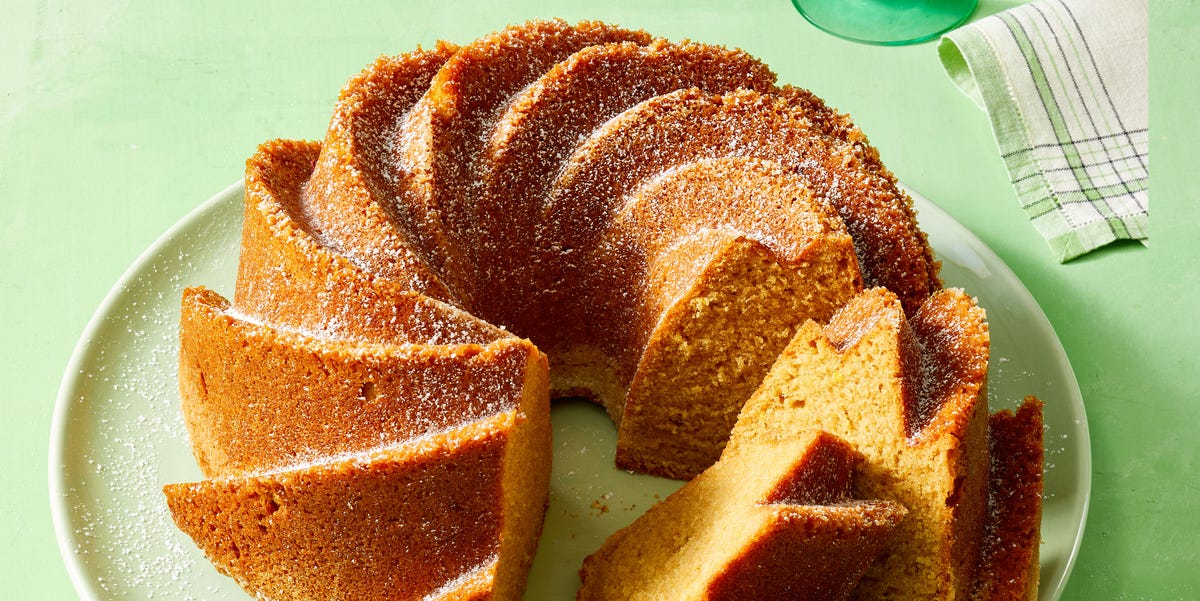
If a cup of tea and a slice of cake had a very elegant baby, it would be this Earl Grey Bundt cake. It is soft, buttery, fragrant, lightly citrusy, and dressed in a simple lemon glaze that makes the whole thing look like it arrived at brunch wearing pearls. The best part? It tastes fancy without requiring you to whisper “pâtisserie” into a copper mixing bowl.
This Earl Grey Bundt cake recipe is built for home bakers who want a moist crumb, bold tea flavor, and a clean release from the pan. Because let’s be honest: the only drama we want from a Bundt cake is the dramatic swirl pattern, not half the cake clinging to the pan like it signed a lease.
The secret is layering the Earl Grey flavor in two ways: steeping tea in warm milk and adding finely ground tea leaves directly to the batter. The milk brings soft fragrance, while the tea leaves add a deeper bergamot aroma. Add sour cream for tenderness, butter for richness, and lemon glaze for sparkle, and you have a cake that works for afternoon tea, birthdays, showers, holidays, or Tuesday, which is a perfectly valid cake occasion.
What Makes This the Best Earl Grey Bundt Cake?
A great Earl Grey cake should taste like tea, not like someone waved a tea bag near the oven and hoped for the best. This recipe uses a balanced formula that produces a moist Bundt cake with enough structure to hold its shape, enough fat to stay tender, and enough bergamot flavor to make tea lovers nod approvingly.
Key reasons this recipe works
- Tea-infused milk: Warm milk pulls flavor from the Earl Grey tea before it goes into the batter.
- Ground tea leaves: A small amount of finely ground tea intensifies the flavor without making the cake gritty.
- Sour cream: It adds moisture, gentle tang, and a soft crumb.
- Butter and oil: Butter brings flavor; oil helps the cake stay moist for days.
- Lemon glaze: The citrus highlights the bergamot notes in Earl Grey.
The result is a cake that feels classic but not boring, elegant but not fussy, and homemade in the best possible way. It is the kind of dessert that makes people say, “Wait, you made this?” while quietly reaching for another slice.
Ingredients for Earl Grey Bundt Cake
This recipe makes one 10- to 12-cup Bundt cake, serving about 12 generous slices or 16 polite slices. You know your crowd.
For the cake
- 1 cup whole milk
- 5 Earl Grey tea bags, or 5 teaspoons loose-leaf Earl Grey tea
- 2 3/4 cups all-purpose flour
- 2 teaspoons baking powder
- 1/2 teaspoon baking soda
- 1/2 teaspoon fine salt
- 1 cup unsalted butter, softened to room temperature
- 1 3/4 cups granulated sugar
- 1/4 cup neutral oil, such as canola or vegetable oil
- 4 large eggs, at room temperature
- 1 tablespoon finely grated lemon zest
- 2 teaspoons vanilla extract
- 1/2 teaspoon almond extract, optional
- 3/4 cup full-fat sour cream, at room temperature
- 1 tablespoon finely ground Earl Grey tea leaves
For the lemon Earl Grey glaze
- 1 1/2 cups powdered sugar, sifted
- 2 to 3 tablespoons fresh lemon juice
- 1 tablespoon strongly brewed Earl Grey tea, cooled
- 1/2 teaspoon vanilla extract
- Pinch of salt
How To Make Earl Grey Bundt Cake
Step 1: Infuse the milk
Warm the milk in a small saucepan until steaming but not boiling. Remove it from the heat, add the Earl Grey tea bags or loose tea, cover, and steep for 10 to 15 minutes. The milk should smell floral, citrusy, and slightly mysterious, like a library in a very expensive hotel.
Remove the tea bags and squeeze them gently, or strain out loose tea. Let the milk cool to room temperature. Measure out 3/4 cup of infused milk for the batter. If some evaporated or was absorbed by the tea, top it up with a splash of plain milk.
Step 2: Prepare the Bundt pan
Preheat the oven to 350°F. Grease a 10- to 12-cup Bundt pan thoroughly, getting into every curve, ridge, and dramatic little corner. Use baking spray with flour, or brush the pan with softened shortening and dust it with flour. Tap out the excess flour.
Do this right before adding the batter. If the greased pan sits too long, the coating can slide down and pool at the bottom, which is rude behavior from a pan but unfortunately common.
Step 3: Mix the dry ingredients
In a medium bowl, whisk together the flour, baking powder, baking soda, salt, and finely ground Earl Grey tea leaves. Whisking helps distribute the leavening evenly, so your cake rises like a responsible citizen instead of forming random hills and valleys.
Step 4: Cream the butter and sugar
In a large mixing bowl, beat the softened butter and granulated sugar together for 3 to 4 minutes, until pale, fluffy, and lighter in texture. Do not rush this step. Creaming butter and sugar creates tiny air pockets that help the cake rise and gives the crumb a softer structure.
Add the oil and beat until combined. The batter may look slightly glossy, which is exactly what we want. Butter gives flavor; oil quietly does the moisture work behind the scenes.
Step 5: Add eggs and flavorings
Add the eggs one at a time, beating well after each addition. Scrape down the sides and bottom of the bowl as needed. Add the lemon zest, vanilla extract, and almond extract if using. The almond extract is optional, but just a tiny amount gives the cake a bakery-style depth without making it taste like marzipan took over the meeting.
Step 6: Alternate dry ingredients, tea milk, and sour cream
Add one-third of the flour mixture to the butter mixture and mix on low speed just until combined. Add half of the infused milk, then another third of the flour mixture, then the sour cream, and finish with the remaining flour mixture. Mix only until the batter is smooth and no dry streaks remain.
Overmixing can make the cake dense or tough. Once the flour goes in, the goal is gentle confidence, not a full gym workout.
Step 7: Fill the pan and bake
Spoon the batter into the prepared Bundt pan and smooth the top. Tap the pan firmly on the counter a few times to release large air bubbles. You can also run a butter knife gently through the batter to help it settle into the pan’s ridges.
Bake for 45 to 55 minutes, or until the cake is golden, springs back lightly when touched, and a long skewer inserted into the center comes out clean or with a few moist crumbs. If the top is browning too quickly, tent it loosely with foil during the last 10 to 15 minutes.
Step 8: Cool and unmold
Let the cake cool in the pan for 12 to 15 minutes. This is the Bundt cake sweet spot: long enough for the structure to firm up, but not so long that the sugars glue themselves to the pan like they are protesting eviction.
Gently loosen the edges and center tube with a thin spatula if needed. Place a wire rack over the pan, invert carefully, and lift the pan away. If the cake releases cleanly, congratulations. If it does not, take a deep breath. Glaze is basically edible concealer.
Step 9: Make the glaze
Whisk together powdered sugar, lemon juice, cooled brewed Earl Grey tea, vanilla, and salt until smooth. For a thicker glaze, use less liquid. For a thinner drizzle, add a few extra drops of lemon juice or tea.
Let the cake cool completely before glazing. Pouring glaze on a warm cake may sound romantic, but it usually turns into a disappearing act.
Flavor Tips for a Stronger Earl Grey Cake
Earl Grey flavor can be delicate, especially after baking. To make sure the cake tastes like Earl Grey and not “vague beige dessert,” use good-quality tea with a noticeable bergamot aroma. Loose-leaf tea often has a fresher fragrance, but tea bags work well if they smell bright and citrusy.
For even stronger flavor, steep the milk with one extra tea bag or add 1/4 teaspoon of pure bergamot extract if you can find it. Use caution, though. Bergamot is powerful. Too much can push the cake from “beautiful tea dessert” into “perfume department accident.”
Lemon zest is also important. Earl Grey already has citrus notes from bergamot, and lemon makes those notes pop. Orange zest is another excellent option if you want a warmer, sweeter citrus flavor.
Best Glaze Options
The lemon Earl Grey glaze is bright, simple, and beautiful, but this Bundt cake is flexible. Try one of these variations when you want to change the mood:
Vanilla bean glaze
Use milk instead of lemon juice and add vanilla bean paste. This makes the cake softer and creamier in flavor, like a London Fog latte in dessert form.
Orange glaze
Replace lemon juice with fresh orange juice and add orange zest. This gives the cake a gentle winter-holiday personality without needing a sweater.
Honey glaze
Add 1 tablespoon of honey to the powdered sugar glaze. Honey pairs beautifully with tea and gives the cake a glossy, slightly floral finish.
Common Mistakes To Avoid
Using cold ingredients
Cold butter, eggs, sour cream, or milk can make the batter curdle or mix unevenly. Room-temperature ingredients blend more smoothly and create a better crumb.
Overbaking the cake
Bundt cakes are thick, so they need time in the oven, but overbaking dries them out. Start checking at 45 minutes. A few moist crumbs on the skewer are better than a bone-dry cake.
Skipping the pan prep
A Bundt pan has more curves than a mountain road. Grease every detail. If you miss a spot, the cake will find it. Cake is delicious, but it is also petty.
Glazing too early
If the cake is warm, the glaze will melt and run off. Cool the cake completely for a defined drizzle that clings beautifully to the ridges.
How To Store Earl Grey Bundt Cake
Store the cooled, glazed cake covered at room temperature for up to 3 days. For longer storage, refrigerate it for up to 5 days, but bring slices to room temperature before serving for the best texture.
You can also freeze the cake without glaze. Wrap it tightly in plastic wrap, then foil, and freeze for up to 2 months. Thaw overnight in the refrigerator, bring to room temperature, and glaze before serving.
What To Serve With Earl Grey Bundt Cake
This cake is lovely with hot tea, coffee, iced lattes, sparkling lemonade, or a glass of cold milk. For a more dressed-up dessert plate, serve slices with whipped cream, fresh berries, lemon curd, or a spoonful of lightly sweetened Greek yogurt.
It also makes a wonderful brunch cake. Pair it with fruit salad, quiche, smoked salmon toast, or tiny sandwiches if you want the full “afternoon tea but make it American kitchen table” experience.
Recipe Variations
Earl Grey lavender Bundt cake
Add 1 teaspoon culinary lavender to the milk while steeping the tea, then strain it out. Keep it subtle. Lavender should whisper, not shout from a balcony.
Earl Grey blueberry Bundt cake
Fold 1 cup of fresh blueberries into the batter after tossing them with 1 tablespoon of flour. Blueberry and bergamot make a beautiful, slightly jammy combination.
Chocolate Earl Grey Bundt cake
Add 1/2 cup mini chocolate chips to the batter. Dark chocolate works especially well because it balances the floral tea flavor.
London Fog Bundt cake
Use the vanilla bean glaze variation and add an extra teaspoon of vanilla extract to the batter. The flavor is cozy, creamy, and café-inspired.
Personal Baking Experience: What I Learned Making Earl Grey Bundt Cake
The first time I made an Earl Grey Bundt cake, I was far too confident. I had tea, butter, flour, and optimism. Unfortunately, optimism does not grease a Bundt pan. The cake tasted wonderful, but it came out in three pieces, which I briefly considered calling “rustic.” That is baker code for “something happened and we are moving forward emotionally.”
Since then, I have learned that Earl Grey Bundt cake rewards patience. The tea needs time to infuse. The butter needs time to soften. The cake needs time to cool before glazing. None of these steps are hard, but they matter. Baking is often less about dramatic skill and more about not rushing the quiet details.
One of the biggest lessons is that Earl Grey flavor needs backup. A single weak tea bag tossed into batter will not survive the oven with much personality. Heat softens delicate aromas, so the best approach is to infuse the milk and add finely ground tea leaves. That double method gives the finished cake a clear tea flavor without bitterness.
I also learned not to fear sour cream in cake. It may not sound glamorous, but it is a moisture superhero wearing a very plain cape. It makes the crumb tender and helps the cake stay soft after the first day. That matters because Bundt cakes are often made ahead for gatherings, and nobody wants to serve a cake that feels like it has been training for masonry work.
Another useful experience: always check your Bundt pan size. A 10- to 12-cup pan is ideal for this recipe. If your pan is smaller, do not fill it to the top. Leave at least 1 1/4 inches of space for the batter to rise. Extra batter can become cupcakes or a mini loaf. This is not a problem; this is a snack dividend.
The glaze is where you can personalize the cake most easily. Lemon makes the cake bright and classic. Vanilla makes it soft and cozy. Orange makes it feel festive. Honey makes it taste like something you would eat while reading a novel near a window. All are good choices, but lemon remains my favorite because it sharpens the bergamot flavor and keeps the cake from feeling too heavy.
Serving this cake is also part of the joy. It looks impressive with very little decoration. A drizzle of glaze, a little lemon zest, maybe a few edible flowers if you are feeling extra, and suddenly your kitchen looks like it has a pastry department. But even plain, this cake has charm. The tea aroma appears as soon as you slice it, and the crumb is tender enough to enjoy without frosting.
My best advice is simple: treat the pan seriously, treat the tea generously, and do not overbake. If you follow those three rules, this Earl Grey Bundt cake will come out moist, fragrant, and beautiful enough to bring to a party, serve at brunch, or keep quietly on the counter while you “just even out the slices” for two days.
Conclusion
This Earl Grey Bundt cake recipe is the perfect dessert for tea lovers, citrus fans, and anyone who appreciates a cake that looks fancy but does not demand a culinary degree. With tea-infused milk, finely ground Earl Grey leaves, sour cream, butter, and a glossy lemon glaze, every slice is moist, fragrant, and balanced.
The key is using enough tea to make the flavor noticeable, preparing the Bundt pan carefully, and baking just until the cake is done. Serve it with tea, coffee, berries, or nothing at all. It does not need much help. This cake has main-character energy already.