Some bathrooms arrive in the world wearing chrome, glass, and a suspicious amount of “builder-grade beige.” Others seem to have stories tucked behind the mirror, a little patina under the faucet, and a tub that looks as if it once overheard secrets in a Victorian townhouse. This vintage-inspired bath in London belongs firmly to the second group.
Inspired by an East London bathroom renovated with salvaged materials, this design proves that a small room can feel deeply personal when it is built with old things, rescued parts, and a bit of fearless imagination. Instead of chasing that squeaky-clean showroom look, the room leans into texture, history, and the pleasant imperfection that makes a home feel human. The result is a bathroom with soul, not just plumbing.
At its heart, this project is a master class in sustainable bathroom design. Salvaged fixtures, beadboard paneling, reclaimed wood, vintage taps, an enamel bucket sink, and a secondhand tub come together with surprising elegance. It is practical, yes, but it also has the romantic confidence of a room that knows exactly who it is.
Why a Vintage-Inspired Bathroom Still Feels Fresh
The phrase “vintage bathroom” can go wrong quickly. Done poorly, it becomes a theme restaurant with soap. Done well, it creates warmth, character, and a visual rhythm that modern bathrooms often miss. The London bath works because it does not imitate the past like a stage set. Instead, it borrows useful pieces from the past and gives them a new job.
That is the secret. A claw-foot tub, a wall-mounted sink, an old brass faucet, or a simple beadboard ledge should not look like decoration for decoration’s sake. These elements need to function. They need to hold towels, handle steam, survive splashes, and make the morning routine easier. When vintage bathroom ideas are grounded in real use, the charm feels natural rather than forced.
This is also why salvaged materials are so appealing. They come pre-loaded with texture. A new vanity can look flat and anonymous, but a cabinet made from reclaimed wood instantly has depth. A reconditioned brass tap has a glow that polished chrome may spend decades trying to fake. A weathered mirror can make even a toothbrush look more poetic, which is no small achievement before coffee.
The London Inspiration: Out with the New, In with the Old
The bathroom that inspired this article began as a less-than-lovely 1990s renovation. The dated fixtures and tiny blue mosaic tiles were removed, making way for a much softer and more characterful room. Instead of replacing everything with new products, the owner-designer rebuilt the bath using mostly salvaged pieces and traditional finishes.
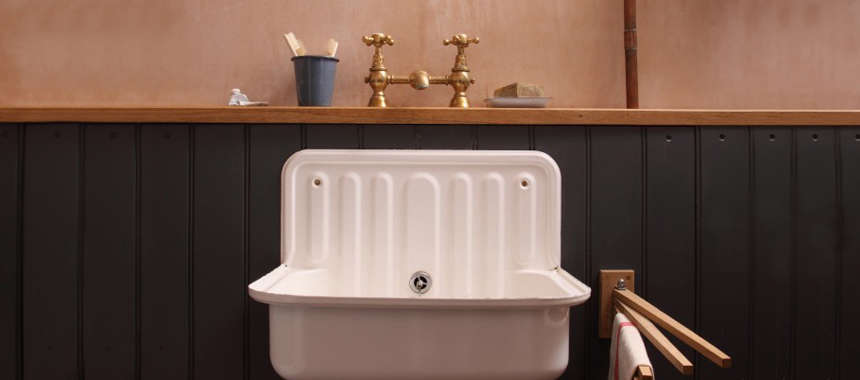
The walls were replastered and sealed to withstand bathroom moisture. The lower half of the room received beadboard paneling, while a narrow ledge made from repurposed wood added both detail and usefulness. A vintage oversized tub became the star, paired with reconditioned Victorian taps. Nearby, an enamel bucket sink brought a practical, utilitarian note that feels both humble and chic.
Nothing about the room screams for attention. That is exactly why it works. The materials speak quietly: brass, enamel, wood, plaster, and painted paneling. Together, they create a bathroom that looks collected rather than purchased in a single Saturday panic at a home center.
Salvaged Materials: The Beauty of the Second Life
Using salvaged materials in bathroom remodeling is not only a style choice; it is also a smarter way to think about resources. Construction and demolition debris is a major waste stream, and many items removed during renovations still have years of life left in them. Doors, hardware, fixtures, wood, bricks, stone, and plumbing components can often be reused, repaired, or adapted.
In a bathroom, salvage can be especially effective because the room is relatively small. You do not need a warehouse full of reclaimed marble to make an impact. A single antique mirror, a rescued wall cabinet, a vintage stool, or a reclaimed wood shelf can shift the entire mood. Small spaces reward strong details.
There is also a cost argument, though it comes with a friendly warning label. Salvage can save money, but it can also demand time. Finding the right tub, faucet, or cabinet may require patience, measurements, and a willingness to walk away from a piece that looks beautiful but refuses to cooperate with modern plumbing. Salvage shopping is part treasure hunt, part detective work, and part emotional negotiation with a very heavy bathtub.
Key Design Elements That Make This Bathroom Work
1. The Enamel Bucket Sink
An enamel bucket sink gives the room a utility-room honesty. It is simple, durable, and visually light. In a small vintage-inspired bath, that matters. A bulky vanity might overpower the space, while a wall-mounted or compact sink keeps the floor open and allows the surrounding materials to breathe.
The sink also introduces a subtle workaday charm. It feels less like a glossy hotel bathroom and more like a room in a thoughtful old house where everything has been chosen because it is useful and handsome. That combination is difficult to beat.
2. Reconditioned Brass Fixtures
Brass is one of the great allies of vintage bathroom design. Unlike finishes that try to remain forever flawless, unlacquered or aged brass develops a patina. It changes with use. It remembers hands. In this kind of bathroom, that is a feature, not a defect.
Reconditioned Victorian-style taps also add authenticity. They provide a bridge between the reclaimed tub and the more humble sink. The room feels unified because the fixtures share a similar age, tone, and attitude.
3. Beadboard and a Practical Ledge
Beadboard wainscoting is a classic move for vintage bathrooms because it brings texture without clutter. It protects the lower wall, adds architectural interest, and softens hard bathroom surfaces. The ledge above the paneling is even better. It creates a spot for soap, candles, a small picture, or the mysterious collection of objects every bathroom somehow acquires.
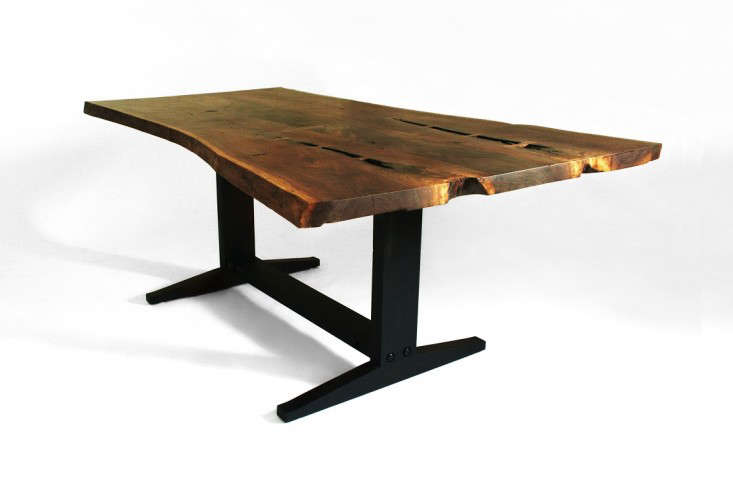
Using repurposed wood for the ledge makes the detail feel less manufactured. It is an example of circular design in miniature: old material, new purpose, better room.
4. The Vintage Tub as Centerpiece
A vintage tub has a presence that modern built-in baths often lack. Whether it is a claw-foot, slipper, or deep freestanding style, it becomes furniture as much as fixture. In a London bath where space is precious, a beautiful tub can anchor the entire room.
The trick is proportion. A tub should feel generous without making the room impossible to navigate. If it fits two people “almost,” as the original inspiration suggests, congratulations: you have reached peak romantic optimism.
How to Use Reclaimed Wood in a Bathroom Without Regret
Reclaimed wood brings warmth to a bathroom, but moisture is not a casual acquaintance. Steam, splashes, and poor ventilation can damage wood if it is used carelessly. The safest approach is to keep reclaimed wood away from constant direct water exposure and seal it properly.
Use reclaimed wood for paneling, shelving, mirror frames, vanity fronts, or accent walls rather than shower interiors unless a professional confirms the material and installation method are suitable. Hardwoods tend to perform better than softwoods, and rot-resistant species such as teak or old-growth cypress are stronger candidates for damp environments.
Ventilation is nonnegotiable. A vintage bathroom should feel charmingly old, not smell like an antique trunk that lost a fight with a humidifier. Install a strong exhaust fan, open windows when possible, and wipe up standing water quickly.
Color Palette: Warm, Muted, and Human
A vintage-inspired London bath does not need loud color to make a statement. Muted plaster tones, soft whites, warm creams, dusty pinks, sage greens, deep blues, and earthy neutrals all work beautifully with reclaimed materials. These colors allow enamel, brass, wood, and old ceramic surfaces to stand out.
The goal is not perfection. In fact, a little unevenness can help. Limewash, plaster, hand-painted finishes, and matte walls often feel more sympathetic to salvaged pieces than shiny modern paint. They create depth and let shadows do some of the decorating. Shadows are free, which is considerate of them.
Storage in a Vintage Bathroom
Vintage style does not excuse clutter. A bathroom can have antique charm and still need a place for extra toilet paper. The best storage choices look like they belong in the room: a narrow wall cabinet, a reclaimed medicine cabinet, an old cupboard, a small stool with towels stacked underneath, or a built-in ledge above paneling.
Skirted sinks can also work beautifully in vintage bathrooms. A simple fabric curtain hides plumbing and cleaning supplies while adding softness. Choose linen, cotton, or a washable textile in a small pattern. The effect is practical, inexpensive, and pleasantly old-fashioned.
Modern Comforts That Do Not Spoil the Mood
A salvaged bathroom should not mean giving up comfort. Modern waterproofing, proper drainage, safe electrical work, efficient ventilation, and water-saving fixtures are essential. You can keep the antique taps as a visual feature, but make sure the plumbing behind the wall is up to code and professionally installed.
Water-efficient showerheads, faucet aerators, and toilets can reduce household water use without ruining the vintage look. Many efficient fixtures now come in traditional shapes and finishes, so sustainability no longer requires a bathroom that looks like it was designed by a spaceship committee.
Heated floors can also be worth considering, especially in older homes. They add comfort while allowing the visible design to remain simple. Good lighting matters too. Wall sconces, shaded fixtures, and warm bulbs flatter vintage materials far better than harsh overhead lighting.
How to Recreate the Look at Home
Start with one hero piece. It might be a reclaimed tub, a brass faucet, an antique mirror, a salvaged cabinet, or a beautiful old sink. Let that piece establish the tone, then build around it with quieter supporting materials.
Next, choose a limited palette. Too many finishes can make a small bathroom feel chaotic. Try enamel, brass, painted wood, plaster, and one tile or stone surface. That is enough. More than that and the room may begin auditioning for a flea market documentary.
Measure everything twice. Then measure again while holding the actual faucet, because vintage plumbing has a talent for surprising people. Confirm drain locations, wall depth, water pressure, and local code requirements before falling in love with any fixture.
Finally, mix old and new honestly. Use old materials where they add beauty and meaning. Use new materials where safety, performance, and waterproofing matter. The best vintage-inspired bathrooms are not museums; they are living rooms with better drainage.
Common Mistakes to Avoid
Buying Salvage Before Planning the Layout
A tub that looks perfect in a warehouse may become a logistical opera once you try to carry it upstairs. Always plan the layout before buying large pieces. Check doorways, stairs, joists, and floor strength.
Ignoring Moisture Protection
Wood, plaster, and vintage furniture can work in bathrooms, but they need protection. Seal surfaces, ventilate properly, and avoid placing delicate materials directly in splash zones.
Making Everything Old
A room filled only with antique pieces can feel heavy. Balance vintage fixtures with clean walls, simple textiles, and modern behind-the-scenes systems. The goal is character, not cobweb cosplay.
Forgetting Maintenance
Patina is beautiful. Leaks are not. Reclaimed fixtures should be checked, repaired, and installed by qualified professionals. A vintage faucet should drip with charm, not actual water.
Experience Notes: What This Bathroom Teaches in Real Life
Living with a vintage-inspired bathroom changes the way you see materials. In a new, glossy bathroom, you notice cleanliness first. In a salvaged bathroom, you notice touch. The cool curve of enamel, the weight of a brass tap, the grain of an old ledge, the tiny unevenness of plasterthese details make everyday routines feel slower and more intentional.
The biggest lesson is patience. A salvaged bathroom is rarely assembled in one trip. You might find the mirror months before the sink, or the perfect faucet after you have already convinced yourself that “fine” is good enough. Waiting can be annoying, but it usually leads to a better room. Vintage design rewards people who can delay gratification and occasionally browse architectural salvage yards with the focus of a detective solving a polite crime.
Another lesson is that imperfection is easier to live with than perfection. A brand-new bathroom can make every scratch feel like a tragedy. A vintage bathroom absorbs life more gracefully. A faint mark on reclaimed wood becomes part of the surface. A brass handle grows warmer with use. The room does not collapse emotionally when someone drops a hairbrush.
There is also a practical confidence that comes from reusing materials. Instead of treating renovation as a process of ripping out and replacing, you begin to ask better questions: Can this be repaired? Can that cabinet become a vanity? Could an old table become a shelf? Is this mirror weird, or is it secretly fantastic? Many times, the answer is yes, especially to the mirror question.
For homeowners, the most useful experience is learning where to compromise. Salvaged materials are wonderful for visible character: tubs, taps, mirrors, paneling, doors, shelves, and cabinets. Modern materials are better for invisible performance: waterproof membranes, drainage, electrical wiring, ventilation, and structural support. The smartest vintage bathrooms put romance on the surface and reliability underneath.
Finally, a bathroom like this teaches that sustainability does not have to look austere. It can be warm, witty, elegant, and a little eccentric. A rescued tub can feel luxurious. A reconditioned faucet can feel refined. A repurposed ledge can be more charming than a new shelf with a complicated product name. The point is not to reject modern comfort; it is to stop assuming that everything beautiful must be newly manufactured.
That is why this vintage-inspired London bath continues to resonate. It is not simply a pretty room. It is a persuasive argument for slower design, better materials, and the kind of home improvement that respects the past while making daily life more enjoyable. Also, it gives old plumbing a second act, and frankly, who among us does not appreciate a comeback story?
Conclusion
A vintage-inspired bath made with salvaged materials is more than a design trend. It is a smarter, richer way to remodel. By combining reclaimed wood, reconditioned brass, enamel fixtures, beadboard paneling, a vintage tub, and modern performance upgrades, a bathroom can feel timeless without becoming impractical.
The London bathroom that inspired this piece proves that small spaces can carry big personality. It also shows that sustainable bathroom design does not need to be cold, expensive, or painfully serious. With the right salvage, careful planning, and a healthy respect for moisture, a bathroom can become the most memorable room in the house. Not bad for a place that also stores dental floss.
Note: This original article was rewritten and synthesized from real design, remodeling, sustainability, and water-efficiency information; no source links or citation placeholders were inserted into the publishable HTML body.