Awkward is one of those words that somehow describes a thousand tiny human disasters: waving back at someone who was waving at the person behind you, saying “You too” when the movie theater cashier says, “Enjoy the show,” or walking in the same direction as a stranger after both of you have already said goodbye. Awkward moments are uncomfortable, yes, but they are also wonderfully human. They prove we are paying attention, trying to connect, and occasionally operating with the social grace of a shopping cart with one bad wheel.
In everyday language, “awkward” can mean clumsy, uncomfortable, difficult to manage, or socially uneasy. In real life, it usually means one thing: the situation has drifted away from the script we expected. A conversation pauses too long. A joke lands like a wet sock. A hug becomes a handshake becomes a strange elbow tap that nobody requested. Suddenly, your brain turns on every spotlight it owns and announces, “Everyone noticed. Everyone will remember. You may now mentally replay this for the next seven years.”
The good news? Most awkwardness is survivable, fixable, and even useful. Social awkwardness can teach us empathy, humor, self-awareness, and better communication. It can also make us more relatable. Perfect people are intimidating. Slightly awkward people are invited to brunch.
What Does “Awkward” Really Mean?
At its simplest, awkwardness is a mismatch between intention and outcome. You meant to be charming, but you interrupted someone. You meant to be helpful, but you explained something they already knew. You meant to exit gracefully, but you said goodbye, then both walked toward the same parking lot in complete silence.
Awkward moments often happen because humans rely on social rules that are mostly invisible. We know when to laugh, how long to hold eye contact, when to stop talking, how to join a group conversation, and when a text message needs a reply. But those rules change depending on culture, personality, relationship, age, workplace, setting, and whether everyone has had coffee. No wonder things get weird.
Awkwardness vs. Embarrassment vs. Shame
Awkwardness is usually situational: “That interaction felt uncomfortable.” Embarrassment is emotional: “I feel exposed because something went wrong.” Shame goes deeper: “Something is wrong with me.” That difference matters. An awkward moment does not define your character. It is not a permanent tattoo on your personality. It is a social hiccup, not a legal verdict.
Embarrassment can even serve a social purpose. When people blush, apologize, laugh at themselves, or correct a mistake, they signal that they understand the social norm and care about the people around them. In other words, embarrassment can quietly say, “I know that was odd, and I am not a villain. I am just a person who briefly forgot how doors work.”
Why Awkward Moments Feel So Big
Awkward moments feel huge because we experience them from inside our own nervous system. We notice our racing thoughts, warm cheeks, shaky voice, or desperate need to become a houseplant. Other people usually notice far less. Most are busy thinking about themselves, their errands, their own awkward moments, or whether they left laundry in the washer.
This is closely related to the “spotlight effect,” the tendency to overestimate how much other people notice our appearance, behavior, or mistakes. When you spill water during a meeting, your brain may file it under “Historic Public Humiliation.” Everyone else may file it under “Water existed.”
Your Brain Wants Safety, Not Smoothness
Humans are social creatures. Long before office meetings and group chats, belonging to a group helped people survive. So the brain takes social mistakes seriously. Rejection, judgment, and exclusion can feel threatening because connection matters. This does not mean every awkward silence is dangerous. It means your brain is sometimes a little dramatic, like a smoke alarm that goes off because you made toast.
Awkwardness also grows when we try too hard to control how others see us. The more we monitor every word, gesture, smile, and eyebrow movement, the less natural we become. Then we may appear tense, which makes us feel even more awkward. It is a tiny social washing machine: worry, self-monitoring, stiffness, more worry.
Common Types of Awkward Situations
1. The Awkward Silence
Awkward silence is the grand champion of uncomfortable moments. It shows up on first dates, video calls, family dinners, networking events, and elevators. But silence is not always bad. Sometimes people are thinking, resting, or simply not performing conversation like a Broadway musical. A pause becomes awkward mainly when everyone decides it is awkward at the same time.
2. The Failed Joke
A joke that does not land can feel like tossing a paper airplane and watching it immediately catch fire. The best recovery is usually simple: smile, move on, or lightly own it. “That joke has officially retired” works better than explaining the joke in forensic detail. If a joke hurt someone, skip the comedy rescue mission and apologize directly.
3. The Name Forget
Forgetting a name is awkward because names are personal. Still, it happens constantly. A clean recovery sounds like: “I’m sorry, I remember our conversation, but your name just slipped my mind.” This is much better than calling everyone “buddy” until retirement.
4. The Over-Share
Sometimes a casual “How are you?” accidentally opens a 14-chapter emotional documentary. Oversharing can happen when we are nervous, lonely, excited, or unsure of the relationship level. A graceful reset is possible: “Wow, I gave you the director’s cut. Short version: it’s been a week.” Humor plus awareness can bring the conversation back to balance.
5. Digital Awkwardness
Modern awkwardness has Wi-Fi. Accidentally liking an old photo, sending a message to the wrong chat, using the wrong emoji, leaving someone on read, or typing “Thanks!” with a period that feels legally hostile can all create confusion. Digital communication lacks tone, facial expression, and timing, so tiny choices can feel bigger than intended.
Is Being Awkward a Bad Thing?
No. Being awkward is not automatically a flaw. In many cases, it means you are thoughtful, sensitive to social cues, or trying hard in a situation that has unclear rules. Some people who feel socially awkward are actually deeply observant. They notice details others miss. They may be careful, sincere, analytical, creative, or refreshingly honest.
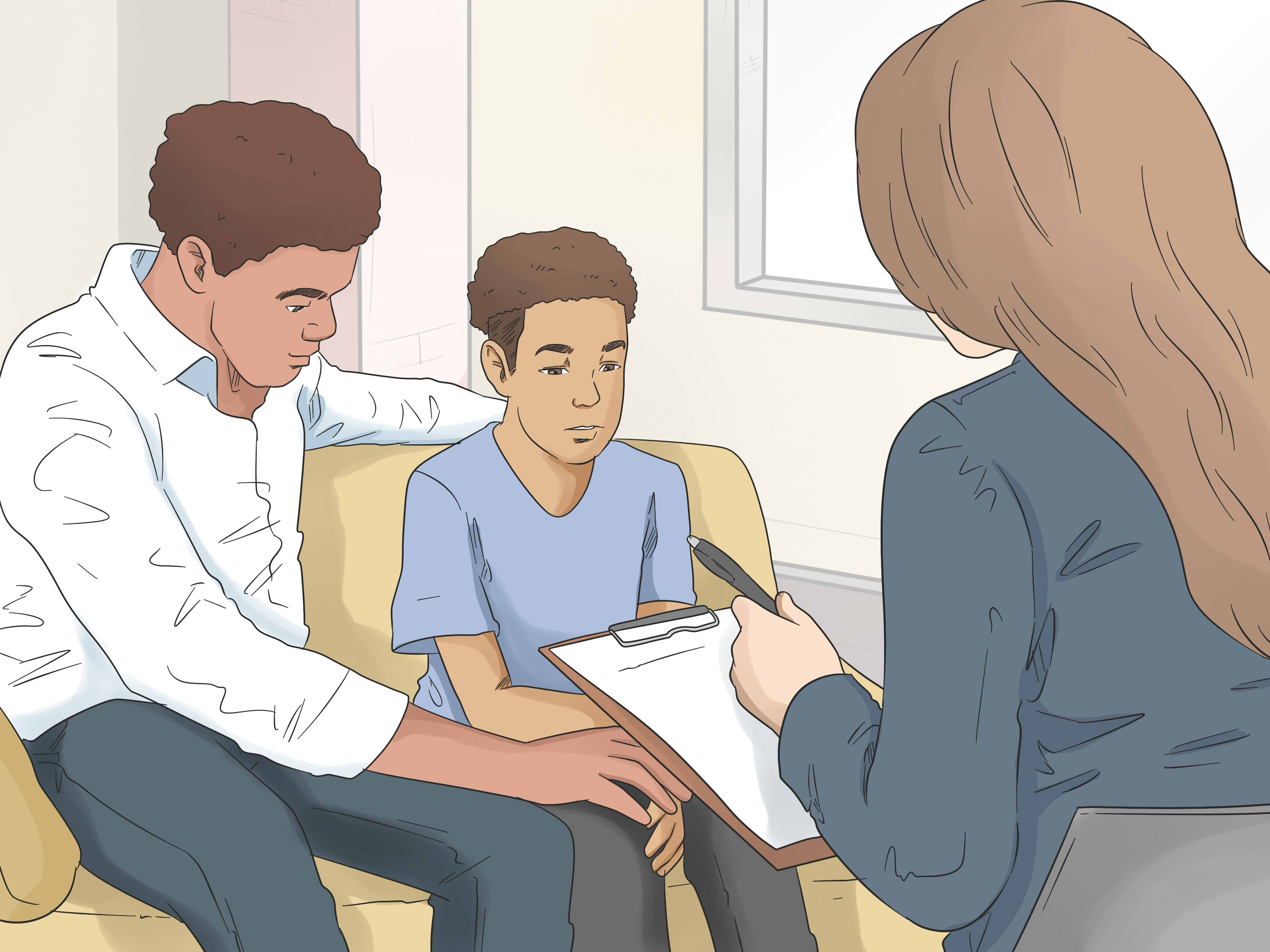
Awkwardness becomes a problem when it leads to constant avoidance, intense distress, or major interference with daily life. For example, if fear of embarrassment keeps someone from going to school, working, dating, speaking up, making friends, or handling basic tasks, it may be connected to social anxiety or another mental health concern. In that case, support from a qualified mental health professional can help. There is no trophy for suffering silently through every party, presentation, or phone call.
How to Handle Awkward Moments Gracefully
Pause Before You Panic
The first step is to resist the urge to mentally sprint away. Take a breath. Most awkward moments last only a few seconds unless we feed them with panic. A calm pause tells your body, “We are not being chased by wolves. We are just in a weird conversation about printer toner.”
Name It Lightly
Sometimes the easiest way through awkwardness is to acknowledge it without making it a national emergency. You might say, “That came out strangely,” or “Well, that was an awkward pause, but I survived.” A little honesty can release tension. People often relax when someone gives them permission to stop pretending everything is perfectly smooth.
Use Warm Humor, Not Self-Attack
Humor can help, but there is a difference between laughing with yourself and insulting yourself. “My brain buffered for a second” is charming. “I’m such an idiot” makes people uncomfortable and teaches your mind to be cruel. Keep the humor gentle. You are recovering from a moment, not writing a roast of your own soul.
Ask a Simple Question
When a conversation gets stiff, curiosity is a rescue rope. Ask about the other person’s opinion, experience, plans, or preferences. Good conversation is not a flawless performance; it is shared attention. Questions like “How did you get into that?” or “What has that been like for you?” can turn a clunky exchange into a real connection.
Repair When Needed
Some awkward moments need more than a joke. If you interrupt, offend, exclude, or misunderstand someone, repair the moment clearly. Try: “I’m sorry, I interrupted you. Please finish.” Or: “That sounded different than I meant it. What I meant was…” Repair is powerful because it shows respect. Smooth people avoid responsibility. Mature people clean up the spill.
How to Be Less Socially Awkward Over Time
Practice Small, Low-Stakes Interactions
Social comfort grows through repetition. You do not need to become the mayor of every room. Start small: greet the barista, ask a coworker about their weekend, compliment someone’s dog, or make brief small talk while waiting in line. These tiny reps build confidence without requiring a dramatic personality transplant.
Shift Attention Outward
Awkwardness intensifies when all attention points inward: “How do I look? Did that sound weird? What are my hands doing?” Try shifting attention outward. Notice the other person’s words, tone, interests, or emotions. Listening well makes you less trapped in self-consciousness and more present in the actual conversation.
Prepare Conversation Lifelines
Having a few simple topics ready can reduce pressure. Ask about food, travel, pets, current projects, weekend plans, books, movies, music, or how someone knows the host. Avoid turning the conversation into a police interview. The goal is not to fire questions like tennis balls; it is to find a thread and gently follow it.
Accept That Not Every Interaction Will Sparkle
Some conversations will be average. Some will be boring. Some will make you wonder whether both of you briefly forgot all known nouns. That is normal. A healthy social life does not require every interaction to become a legendary meeting of minds. Sometimes success is simply being polite, kind, and not accidentally calling your boss “Mom.”
Why Awkward People Can Be Surprisingly Charming
Awkwardness can make people more approachable because it breaks the illusion of perfection. When someone handles a clumsy moment with honesty, warmth, or humor, they often seem more trustworthy. Their humanity shows. And humanity, unlike fake coolness, ages well.
Think about the people you enjoy most. Are they flawless? Probably not. They tell stories that wander. They laugh too loudly. They forget where they parked. They sometimes say odd things and then make an even odder face trying to recover. Their quirks are part of their charm. Awkwardness, when paired with kindness, can become personality seasoning.
Awkward at Work: Professional Without Being Robotic
Workplace awkwardness deserves special attention because professional settings come with status, expectations, and the terrifying phrase “quick meeting.” You may feel awkward when giving feedback, asking for a raise, joining a new team, presenting ideas, or correcting a mistake. The key is to be clear, respectful, and human.
If you need to address a mistake, use plain language: “I caught an error in the report and I’m correcting it now.” If a meeting goes silent, try: “I’ll pause here. What questions or concerns are coming up?” If you disagree, say: “I see it differently, and here’s why.” Professional communication does not require removing personality. It requires reducing confusion.
Awkward in Relationships: The Secret Door to Honesty
Dating, friendship, and family life are basically advanced courses in awkwardness. Someone likes someone more. Someone misreads a text. Someone says “I love you” at a surprising time. Someone’s parent makes a comment at dinner that causes every fork in the room to freeze midair.
But awkward relationship moments can open the door to honesty. A difficult conversation may feel awkward because it matters. Apologizing, setting boundaries, asking for reassurance, or admitting feelings can be uncomfortable, but these moments often deepen trust. The goal is not to avoid awkwardness forever. The goal is to become brave enough to move through it with care.
Real-Life Awkward Experiences and What They Teach Us
One of the most universal awkward experiences is the greeting disaster. Two people approach each other with different plans: one goes for a handshake, the other goes for a hug, and suddenly both are performing a confused folk dance. A cheek kiss may appear from nowhere. A fist bump may arrive too late. Someone pats the air. Everyone laughs too loudly. The lesson is simple: social coordination is harder than it looks. A quick smile and “Let’s try that again” can save the whole moment.
Another classic experience is the accidental wrong response. A server says, “Enjoy your meal,” and you answer, “You too.” A gate agent says, “Have a safe flight,” and you respond, “Thanks, you too,” even though they are clearly not joining you in seat 23B. These moments feel embarrassing because they reveal our automatic scripts. We are not carefully composing every sentence; we are running social software in real time. Sometimes the software updates in the middle of the sentence and crashes. The recovery? Smile and keep moving. Nobody is building a museum exhibit about it.
Then there is the awkward silence that grows legs and sits down between people. Maybe you are on a date. Maybe you are speaking to a new coworker. Maybe you are stuck with a distant cousin who has already explained his lawn care routine twice. The silence feels like failure, but it may simply mean both people are searching for the next bridge. A useful trick is to comment on the shared situation: “This place is busier than I expected,” or “I’m still waking up today.” Shared reality often restarts connection.
Digital awkwardness brings its own flavor. Sending “Love you” to a work group chat instead of your partner can produce a full-body emergency. So can responding to an email with the wrong tone, using sarcasm that does not translate, or watching three dots appear and disappear while your imagination writes a courtroom drama. The lesson is to slow down. Read before sending. Use clear language when tone matters. And when something goes wrong, send a simple correction: “Wrong chat, but I support everyone professionally.”
Public mistakes may feel the worst. Tripping in front of strangers, dropping a tray, mispronouncing a word during a presentation, or forgetting what you were saying can make time slow down. Yet these moments often teach the most freeing lesson: people are kinder and more distracted than we fear. Many will sympathize because they have been there. A calm recovery can even earn respect. “Let me restart that sentence” is not weakness. It is composure wearing sensible shoes.
Awkward experiences also teach humility. They remind us not to judge others too harshly. Once you have waved at someone who was not waving at you, you become a gentler witness to someone else’s social misfire. You understand that people are improvising. Everyone is trying to read the room while carrying invisible worries, memories, hopes, and maybe a stomach making whale noises during a quiet meeting.
Most importantly, awkwardness teaches resilience. You can survive discomfort. You can repair a mistake. You can be imperfect and still belong. The awkward moment that feels enormous today may become tomorrow’s funny story, next month’s lesson, or next year’s proof that you kept showing up. Life is not a polished speech. It is a live performance with microphone feedback, forgotten lines, and occasional applause from people who appreciate the honesty.
Conclusion: Awkward Is Not the Enemy
Awkwardness is not a sign that you are failing at life. It is a sign that you are participating in it. Every person who speaks, dates, works, learns, apologizes, introduces themselves, attends family events, joins video calls, or tries to look normal while walking past a mirror has experienced awkward moments.
The next time awkwardness appears, do not treat it like a disaster. Treat it like a strange little visitor. Breathe. Smile. Repair what needs repair. Laugh gently if you can. Then keep going. The most socially confident people are not the ones who never feel awkward. They are the ones who know awkwardness is temporary, survivable, and sometimes the beginning of a better story.
Note: This article is original, rewritten in a natural style, and informed by reputable U.S.-based psychology, health, communication, and social behavior resources. It is intended for general educational reading and is not a substitute for professional mental health advice.