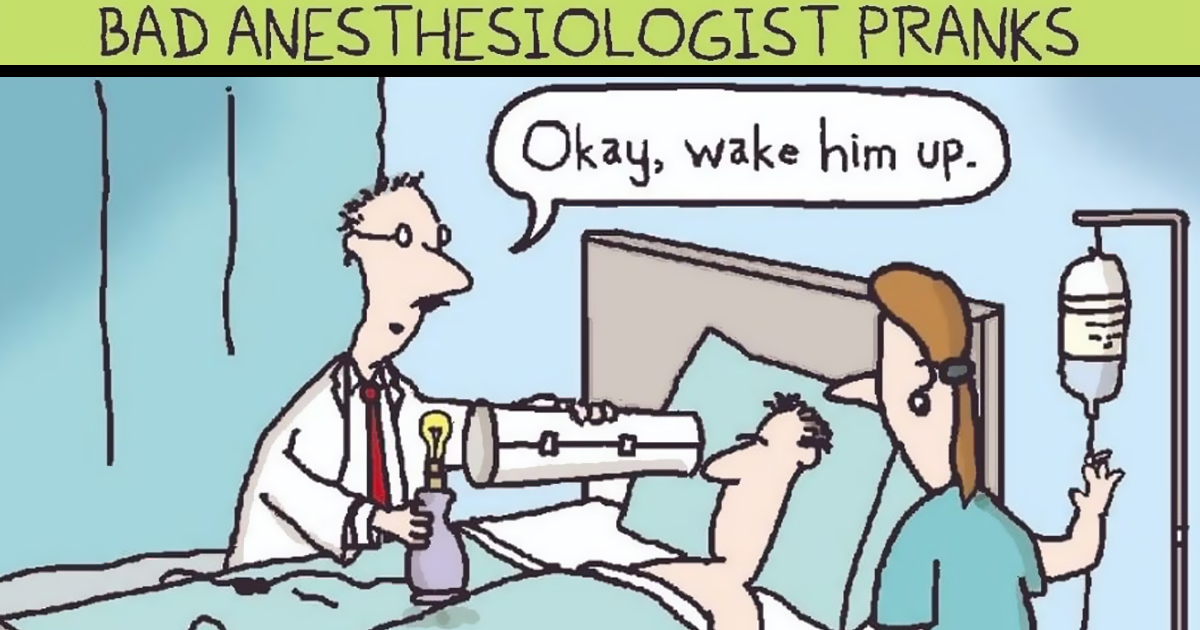
Dark humor comics are the internet’s tiny haunted houses: you enter expecting a harmless chuckle, turn one corner, and suddenly the punchline is standing behind you holding a rubber chicken and a questionable life lesson. That is exactly why readers love them. Funny and humorous comics built for people who enjoy dark humor do not simply chase laughs; they sneak up on the ordinary, poke it with a pencil, and reveal the absurd little monster hiding underneath.
The appeal of a 40-pic comic collection is simple. Each strip is short enough to read while your coffee is still hot, but sharp enough to live rent-free in your brain for the rest of the afternoon. A good dark humor artist can turn a vampire’s bad day, a talking animal’s complaint, a grim reaper misunderstanding, or a painfully awkward social situation into a punchline that feels both ridiculous and oddly accurate. It is comedy with a raised eyebrow.
This article explores why dark humor comics work, what makes them so shareable, how artists craft those wicked little twists, and why readers keep returning for panels that are cute, strange, sarcastic, and just a little bit doomedin the most entertaining way possible.
What Makes Dark Humor Comics So Addictive?
Dark humor is not just “sad things plus jokes.” That would be like calling pizza “bread with opinions.” The best dark humor comics use contrast. They place cheerful drawings beside grim ideas, innocent characters beside chaotic situations, and everyday problems beside dramatic consequences. The comedy happens in the collision.
Many webcomic artists use a deceptively simple format: three or four panels, clean illustrations, and a final beat that flips the reader’s expectations. A harmless setup becomes a weird confession. A cute animal reveals a terrifying thought. A monster behaves like an office coworker. A human acts less rational than the monster, which, frankly, feels increasingly believable.
The Power of the Unexpected Twist
The dark humor comic depends on surprise. Readers think they understand the joke by panel two, then the final panel kicks the ladder away. This is why so many of these comics feel instantly shareable. The punchline is not always loud; sometimes it is a tiny, elegant disaster.
For example, imagine a skeleton walking into a gym because it wants to “get shredded.” The joke is obvious, but the right artist can push it further: the trainer says, “Great, let’s start with bulking,” and the skeleton quietly leaves. The darkness is mild, the wordplay is clean, and the image does half the work. That is the sweet spot: macabre, but not cruel.
Why People Love Funny Comics With a Dark Edge
People who like dark humor are not necessarily gloomy. In fact, they are often the ones laughing first when life gets awkward. Dark humor allows readers to face uncomfortable topics from a safer distance. It turns fear, failure, death, embarrassment, loneliness, and social absurdity into something small enough to fit inside a comic panel.
That tiny format matters. A dark joke in a long essay can feel heavy. A dark joke in a comic strip can feel quick, visual, and strangely comforting. The reader gets the emotional release without needing to sit through a 90-minute tragic opera starring their own anxieties.
Comedy as a Pressure Valve
Life is full of moments that do not come with a neat reaction. Bills arrive. Plants die. Pets judge us. Work emails multiply in the dark like mushrooms. Dark humor comics give those little stresses a shape. They say, “Yes, this is absurd. Yes, we noticed. No, you are not the only one laughing nervously at it.”
This is one reason online comics thrive on social media. A single panel can capture a mood faster than a paragraph. When readers share a darkly funny comic, they are often sharing more than the joke. They are sharing recognition: “This is me,” “This is us,” or “This is the exact expression my soul made on Monday morning.”
The Art Style: Cute Drawings, Wicked Punchlines
One of the funniest things about dark humor comics is how often they look adorable. Rounded characters, bright colors, simple expressions, and soft visual styles can make the punchline hit even harder. The visual sweetness lowers your defenses. Then the joke taps you on the shoulder wearing a tiny villain mustache.
This contrast is everywhere in modern webcomics. Artists may draw bunnies, ghosts, aliens, skeletons, bears, office workers, or fantasy creatures in a friendly style, then give them thoughts that sound like they came from a raccoon with student debt. The result feels playful rather than bleak.
Simple Panels Make the Joke Faster
Dark humor comics often avoid overcomplicated artwork because the timing needs to be sharp. A cluttered panel can slow down the laugh. Clean composition lets readers move quickly from setup to payoff. The fewer distractions, the more precisely the punchline lands.
That does not mean the art is easy. Simplicity is difficult. A character’s blank stare, tiny eyebrow shift, or defeated posture can be the difference between “kind of funny” and “I just snorted into my tea.” Great comic artists understand visual timing the way musicians understand rhythm.
Common Themes in Dark Humor Webcomics
Although every artist has a distinct voice, funny dark comics often return to several beloved themes. These topics keep working because they combine universal feelings with exaggerated outcomes.
1. Death, But Make It Awkward
The Grim Reaper is one of the unofficial mascots of dark humor comics. In many strips, death is not terrifying; it is overworked, confused, bored, or stuck in customer service. This works because it turns the ultimate fear into an oddly relatable character. Death with a clipboard is still death, but now it has scheduling problems.
2. Animals With Human Problems
Animals are perfect comic actors because they can be innocent and savage at the same time. A cat can discuss existential dread while knocking a glass off a table. A rabbit can complain about lawn care. A bear can offer emotional advice that is technically helpful but morally suspicious. The sillier the animal, the funnier the dark confession becomes.
3. Monsters Acting Normal
Vampires, ghosts, zombies, demons, and werewolves are hilarious when they deal with ordinary routines. A vampire choosing foundation shades, a ghost attending therapy, or a zombie trying online dating turns horror into workplace comedy. The monster is no longer the threat; the real villain is inconvenience.
4. Modern Life as a Tiny Disaster
Dark humor thrives on everyday frustration. Dead phone batteries, unread emails, awkward small talk, algorithmic chaos, dating apps, and the pressure to be “productive” are all perfect comic fuel. These strips do not need dragons. They have group chats.
Why the “40 Pics” Format Works So Well
A collection of 40 funny comics feels like a snack tray for the emotionally complicated. Readers can scroll, laugh, pause, send one to a friend, and keep going. The format is ideal for web audiences because it balances variety with momentum. If one joke is not your flavor, the next one arrives in two seconds wearing a suspicious grin.
For artists, a gallery format also shows range. One comic might be absurd, another sarcastic, another almost sweet until the ending opens a trapdoor. By the time readers reach the end, they understand the artist’s rhythm and personality. The collection becomes more than a pile of jokes; it becomes a tour through a specific comic mind.
Dark Humor vs. Mean Humor: The Important Difference
Good dark humor is not the same as punching down. The strongest dark comics usually aim at fear, hypocrisy, awkwardness, fate, bad habits, social expectations, or the strange machinery of life itself. They make readers laugh because the joke reveals something true, not because it targets someone vulnerable.
This distinction matters. Dark humor works best when it has intelligence and restraint. A comic can be morbid without being hateful. It can be sharp without being lazy. It can joke about grim ideas while still respecting the reader’s humanity. The best artists know where the line is, then dance near it with surprisingly good balance.
How Artists Keep Dark Jokes Playful
They use absurdity. They use fictional characters. They use exaggerated situations. They soften the blow with charming visuals. They let the punchline surprise the reader without making the reader feel attacked. In other words, they remember that humor is a bridge, not a brick.
What Aspiring Comic Artists Can Learn From This Style
If you want to create funny and humorous comics for people who like dark humor, start with ordinary situations. Dark comedy becomes stronger when it grows from something familiar. A haunted refrigerator is funnier than a random explosion because everyone understands the emotional stakes of suspicious leftovers.
Next, write the ending first. Many great comics are built backward from the punchline. Once you know the twist, you can design the setup to guide readers toward one expectation before revealing another. It is a tiny magic trick, except the rabbit may have unresolved issues.
Finally, keep the characters emotionally clear. Readers should instantly understand who is confused, confident, scared, annoyed, or doomed. Strong expressions make short comics readable, especially on mobile screens where every detail has to earn its rent.
Why These Comics Feel So Relatable
The funniest dark comics often say what people are thinking but rarely say out loud. They exaggerate private fears until they become public jokes. They turn burnout into a character. They turn anxiety into a monster that also needs snacks. They turn failure into a punchline with surprisingly good posture.
Relatability does not mean every reader has experienced the exact situation. It means the emotional logic feels true. A comic about a ghost being ignored at a party is not really about ghosts. It is about social invisibility. A comic about a skeleton trying to look alive is not really about bones. It is about pretending to be fine during a meeting.
Experiences Related to Dark Humor Comics
Reading dark humor comics can feel like finding a secret club where everyone has the same slightly broken sense of timing. The first experience is usually surprise. You scroll past a cute drawing, expect a simple joke, and then the final panel takes a left turn into a graveyard wearing roller skates. You laugh because the joke caught you off guard, but you keep thinking about it because it touched something real.
One of the most enjoyable experiences is sharing these comics with the right person. Not everyone enjoys dark humor, and that is completely fair. But when you send a twisted little comic to a friend who understands your taste, the response is often immediate: “Why is this so accurate?” or “I feel personally attacked by this cartoon skeleton.” That shared reaction is part of the fun. The comic becomes a small social signal, a way of saying, “Our brains have the same weird wallpaper.”
Another experience is noticing how dark comics can make uncomfortable subjects easier to discuss. A joke about burnout may lead to a real conversation about work stress. A comic about anxiety may make someone feel less alone. A strip about death, failure, or loneliness can create a moment of honesty because the humor lowers the emotional temperature. It is not therapy, and it should not replace support when someone needs it, but it can open a window in a room that felt too stuffy.
There is also a creative experience in studying how these comics work. After reading enough of them, you start seeing setups everywhere. A cracked phone screen becomes a metaphor. A houseplant becomes a dramatic character. A spam email becomes a villain with excellent persistence. Dark humor trains the mind to look at ordinary life from an odd angle, and that odd angle can be surprisingly refreshing.
For artists, making dark humor comics can be both freeing and challenging. The freedom comes from being allowed to explore strange ideas without needing a long explanation. The challenge comes from tone. A joke that is too soft may not land; a joke that is too harsh may lose the reader. The best creators learn to balance darkness with wit, timing, and charm. They know when to end a comic quickly and let the silence after the punchline do the rest.
As a reader, the best way to enjoy these comics is to treat them like spicy food. Some are mild, some are extra hot, and some make you question your life choices while reaching for more. Start with artists whose tone feels playful rather than cruel. Pay attention to the jokes that make you laugh and the ones that do not. Your sense of humor is allowed to have boundaries. In fact, boundaries make dark humor better because they help separate clever comedy from cheap shock.
Ultimately, the experience of dark humor comics is not about being edgy for the sake of it. It is about laughing at the strange pressure of being human. We are all walking around with fears, deadlines, memories, and browser tabs we should have closed weeks ago. A good dark comic turns that chaos into a neat little rectangle and says, “Look, it’s ridiculous.” And sometimes, ridiculous is exactly what we need.
Conclusion
Funny and humorous comics for people who like dark humor succeed because they understand a beautiful contradiction: the world can be heavy, but jokes can make it wobble. These comics do not erase uncomfortable thoughts; they put them in costume, give them a deadpan expression, and let readers laugh from a safe distance.
The best dark humor artists combine clever writing, expressive simplicity, relatable tension, and unexpected endings. Their work proves that a comic does not need dozens of panels to make an impact. Sometimes, four small boxes are enough to reveal the absurdity of modern life, the comedy of fear, and the weird comfort of knowing someone else is laughing at the same strange things.
Whether the comic features a gloomy ghost, a sarcastic bear, a confused vampire, or a human being losing a staring contest with Monday, the magic is the same. Dark humor comics help readers grin at the shadows without pretending the shadows are not there. And honestly, if the shadows are going to follow us around, they might as well learn a decent punchline.