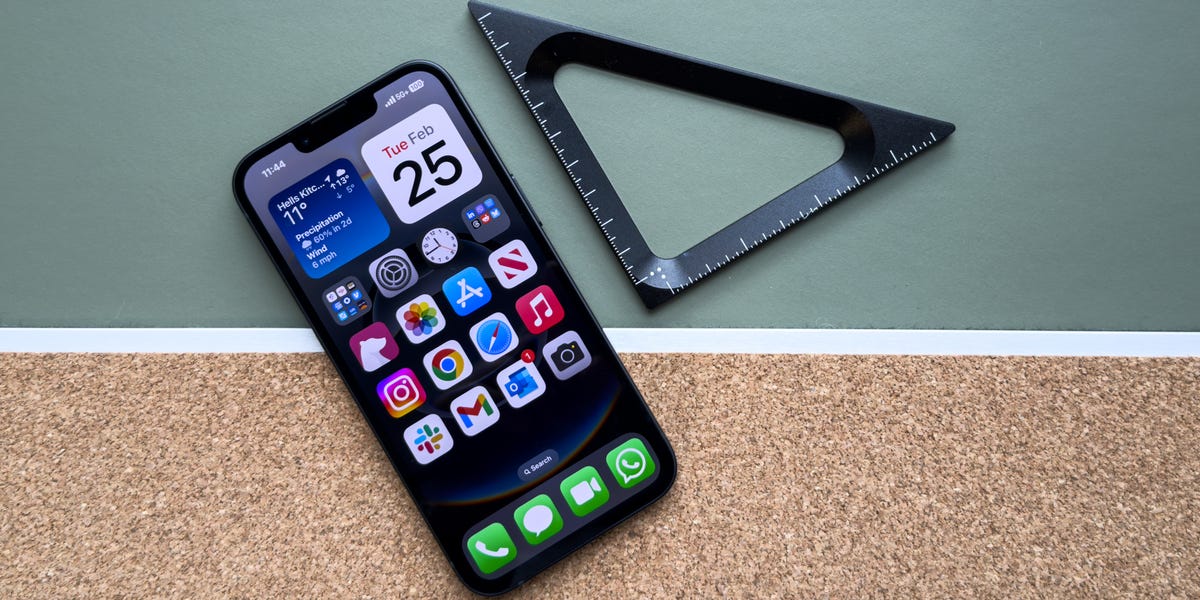
The Apple iPhone 16e arrived with a very Apple-style promise: give people the core iPhone experience, sprinkle in modern performance, keep the design familiar, and somehow call it “budget-friendly” with a straight face. At launch, the iPhone 16e started at $599, which made longtime iPhone SE fans blink twice, check the receipt, and quietly whisper, “Budget for whom?”
Still, the iPhone 16e is not a lazy phone. It brings the A18 chip, Apple Intelligence support, Face ID, USB-C, a 48MP rear camera, excellent battery life, and a 6.1-inch OLED display into Apple’s most affordable modern iPhone package. It replaces the old-school home button era with a design that feels much closer to the mainstream iPhone lineup. In other words, this is not the tiny iPhone SE with a gym membership. It is a more mature, more capable, and more expensive entry-level iPhone.
So, is the iPhone 16e the budget-friendly iPhone to get? The honest answer is: yes, if you find it at a good discount, through a carrier deal, or refurbished in excellent condition. At full original price, especially now that newer entry-level iPhones have improved the formula, the value story becomes trickier. But judged as a practical phone for everyday users who want long battery life, strong performance, and access to Apple’s ecosystem without paying Pro-level money, the iPhone 16e still makes a surprisingly persuasive case.
iPhone 16e Review: Quick Verdict
The iPhone 16e is best understood as Apple’s “sensible shoes” phone. It is not flashy. It does not have the Dynamic Island. It does not have MagSafe. It does not have an ultrawide camera, a telephoto lens, a 120Hz display, or the kind of spec sheet that makes tech enthusiasts dramatically drop their espresso.
What it does have is more important for many buyers: fast performance, dependable software, strong battery life, a good main camera, a comfortable size, and long-term iOS support. For people upgrading from an iPhone SE, iPhone 11, iPhone 12, or even an aging Android phone, the iPhone 16e feels like a clean, modern, no-drama upgrade.
Best for:
Students, parents, casual users, Apple ecosystem fans, older iPhone owners, and anyone who wants a reliable iPhone without buying a Pro model.
Not ideal for:
Photography lovers, MagSafe accessory collectors, gamers who care about high refresh rates, and bargain hunters expecting a true sub-$500 iPhone.
Design: Familiar, Clean, and a Little Too Safe
The iPhone 16e looks like Apple raided the “still perfectly fine” drawer. It has flat aluminum sides, a glass back, a matte finish, and a 6.1-inch body that feels comfortable for most hands. It is available in simple colors, including black and white, which is classic Apple minimalism. Translation: your phone will either look professional or like it is dressed for a very tasteful funeral.
The biggest visual throwback is the notch. While newer iPhones moved to the Dynamic Island, the iPhone 16e sticks with the older notch design for Face ID. Is that a deal-breaker? For most people, no. After a day or two, the notch becomes background furniture. It is there, but you stop emotionally negotiating with it.
The phone also includes the Action button, which is genuinely useful. You can set it to launch the camera, turn on the flashlight, activate Focus mode, record a voice memo, or run a shortcut. It is one of those small upgrades that feels unnecessary until you use it daily. Then suddenly you wonder why every phone button is not doing more useful work.
However, Apple left out the Camera Control button found on the regular iPhone 16 series. That omission is not tragic. Camera Control is clever, but not essential. Most users will be perfectly happy opening the camera the old-fashioned way: with a tap, a swipe, or the mild panic of trying to photograph a dog before it moves.
Display: OLED Finally Makes the Budget iPhone Feel Modern
The iPhone 16e uses a 6.1-inch Super Retina XDR OLED display with sharp resolution, HDR support, True Tone, wide color, and strong contrast. Compared with the older iPhone SE’s small LCD screen, this is a major upgrade. Text looks crisp, photos have more depth, and streaming video is much more enjoyable.
The screen is bright enough for daily use, including outdoor viewing in most conditions. It is not Apple’s brightest or smoothest display, but it does the job well. The main limitation is the 60Hz refresh rate. If you have used a 120Hz ProMotion display, the iPhone 16e will feel less fluid when scrolling. If you have not, you may not care at all. Ignorance, in this one specific case, may save you money.
For reading, messaging, browsing, banking, Maps, YouTube, Netflix, FaceTime, and social media, the display is more than good enough. It gives the iPhone 16e a modern feel and helps it avoid the “cheap phone” vibe that older entry-level iPhones sometimes carried.
Performance: A18 Power Without the Pro Price
The A18 chip is one of the strongest arguments for buying the iPhone 16e. It gives the phone flagship-level responsiveness in everyday tasks. Apps open quickly, animations feel smooth, multitasking is easy, and mobile games run well. The iPhone 16e may have one fewer GPU core than the standard iPhone 16, but most users will never notice.
This performance matters for more than speed. A modern chip also improves longevity. A phone with the A18 processor should remain useful for years, especially with Apple’s track record of long software support. That makes the iPhone 16e a smarter buy than an older used iPhone if you care about future updates, security patches, and newer iOS features.
The A18 also enables Apple Intelligence, Apple’s suite of AI-powered features. Depending on region, language, and software version, these tools can include writing assistance, notification summaries, image cleanup, smarter Siri functions, and productivity features. Not everyone will use them daily, and Apple Intelligence is not magic dust that turns your grocery list into a Pulitzer Prize. But having support for it gives the iPhone 16e better future-proofing than older models like the iPhone 14 or iPhone 15.
Apple C1 Modem and Connectivity
The iPhone 16e was also notable for using Apple’s C1 modem, the company’s first in-house cellular modem. Apple positioned it as a key reason behind the phone’s strong battery life. In everyday use, the main takeaway is simple: the iPhone 16e handles common 5G tasks well, including streaming, browsing, messaging, maps, social apps, and video calls.
There is one important caveat: the iPhone 16e does not support mmWave 5G. In the United States, mmWave can deliver very fast speeds in limited high-density areas, but many users rarely connect to it anyway. For typical low-band and mid-band 5G coverage, the iPhone 16e is perfectly practical. Unless your idea of fun is running speed tests on street corners, you probably will not lose sleep over it.
Camera: One Lens, Better Than Expected
The iPhone 16e has a single 48MP rear camera. On paper, that sounds limited because many phones at this price offer two or three rear cameras. In practice, Apple’s image processing helps the iPhone 16e produce attractive, balanced photos with natural colors, good contrast, and reliable exposure.
The main camera also supports a 2x optical-quality crop, which gives users a practical zoom option without a dedicated telephoto lens. For portraits, food photos, pets, street scenes, documents, and casual travel shots, the camera performs well. It is the kind of camera that quietly gets the photo right most of the time, which is exactly what many people want.
Low-light performance is respectable, though not equal to higher-end iPhones. Photos can look good on the phone’s screen but may show softer details when viewed on a larger monitor. Video is strong for the price, with support for up to 4K recording at 60 frames per second. Apple’s video quality remains one of the iPhone’s biggest advantages, even on less expensive models.
The missing ultrawide camera is the biggest creative limitation. You cannot easily capture dramatic landscapes, tight indoor group shots, or huge buildings without stepping backward until you meet a wall, a curb, or a confused stranger. The iPhone 16e is a good camera phone for everyday use, but not a versatile camera phone for enthusiasts.
Battery Life: The iPhone 16e’s Secret Weapon
Battery life is where the iPhone 16e shines. Thanks to the efficiency of the A18 chip, Apple’s C1 modem, the 60Hz display, and iOS power management, this phone can comfortably last a full day for most users. For moderate users, it may stretch even further.
This is a big deal because battery life affects the phone experience more than almost any single spec. A faster chip is nice. A brighter display is nice. But not having to hunt for a charger at 4:17 p.m. like a raccoon searching for snacks? That is luxury.
The iPhone 16e charges through USB-C, which is convenient if you already own modern chargers and cables. The frustrating part is wireless charging. The phone supports standard Qi wireless charging, but not MagSafe. That means slower wireless charging and no built-in magnetic alignment for Apple’s large MagSafe accessory ecosystem.
This omission remains one of the strangest compromises. MagSafe is not just a luxury feature anymore; it is part of how many iPhone users mount their phones in cars, attach wallets, use battery packs, and charge at night. You can buy magnetic cases that imitate some of the convenience, but charging speeds remain limited compared with true MagSafe.
Software: iOS, Apple Intelligence, and Long-Term Value
The iPhone 16e runs iOS and supports Apple Intelligence, giving it a major advantage over older entry-level iPhones. For many buyers, software is the real reason to choose an iPhone. iMessage, FaceTime, AirDrop, iCloud Photos, Apple Watch compatibility, Find My, shared albums, family controls, and privacy-focused features make the iPhone experience sticky in the best and most financially dangerous way.
If your family uses iPhones, buying the iPhone 16e means everything works together smoothly. Messages stay blue, AirTags connect, photos sync, and grandparents can FaceTime without needing a family tech-support summit. For users already inside Apple’s ecosystem, the iPhone 16e delivers the essentials at a lower price than the flagship models.
What the iPhone 16e Gets Right
The strongest part of the iPhone 16e is balance. It does not win every spec battle, but it focuses on the things that matter most to mainstream users. The phone is fast, dependable, comfortable, secure, and capable. It has a good OLED display, a strong main camera, excellent battery life, USB-C, Face ID, and Apple Intelligence support.
For someone upgrading from an iPhone SE, the difference is huge. The display is larger and sharper, the camera is much better, Face ID replaces Touch ID, battery life improves dramatically, and performance feels far more modern. For someone coming from an iPhone 11 or iPhone 12, the iPhone 16e also feels like a meaningful upgrade, especially in speed, battery life, and long-term software support.
What the iPhone 16e Gets Wrong
The biggest issue is value at full price. At $599, the iPhone 16e sits in an awkward position. It is cheaper than the standard iPhone, but not cheap enough to feel like a spiritual successor to the old iPhone SE. The lack of MagSafe, ultrawide camera, Dynamic Island, Ultra Wideband chip, and 120Hz display makes the price harder to swallow.
The single rear camera is acceptable, but limiting. The 60Hz display is fine, but not exciting. The notch is usable, but dated. The missing MagSafe support is the kind of decision that makes Apple fans stare into the middle distance. None of these compromises ruin the phone, but together they make the iPhone 16e feel carefully restricted.
iPhone 16e vs. iPhone 16: Which Should You Buy?
The regular iPhone 16 is the better phone. It offers a more modern design, Dynamic Island, Camera Control, MagSafe, an ultrawide camera, and a more complete feature set. If the price difference is small because of a sale, trade-in, or carrier promotion, the iPhone 16 is usually the smarter purchase.
However, if the iPhone 16e is significantly cheaper, it becomes easier to recommend. The A18 performance is still excellent, battery life is strong, and the main camera is reliable. The iPhone 16e is the better value only when the savings are real enough to justify the missing features.
Should You Buy the iPhone 16e in 2026?
As a brand-new full-price purchase in 2026, the iPhone 16e is harder to recommend because newer entry-level iPhones have improved the formula. Apple’s later iPhone 17e added features such as MagSafe and more base storage at the same starting price, which makes the 16e look less competitive at original MSRP.
But the iPhone 16e can still be a smart buy if you find it discounted. At a lower price, especially refurbished or through a carrier deal, it becomes a practical, modern iPhone with years of life left. The key is simple: do not overpay. If the price is close to a newer model, choose the newer model. If the discount is meaningful, the iPhone 16e is absolutely worth considering.
Extended Real-World Experience: Living With the iPhone 16e
The best way to understand the iPhone 16e is not by staring at a spec sheet. Spec sheets are useful, but they also make normal people feel like they accidentally enrolled in engineering school. The iPhone 16e makes more sense when imagined as a daily companion: the phone you grab in the morning, use for directions, answer messages on, photograph lunch with, ignore calls from unknown numbers on, and plug in before bed.
In everyday use, the first thing most people would notice is how normal the phone feels. That sounds boring, but boring can be excellent. The iPhone 16e does not demand attention. It does not feel experimental. It does not ask users to adapt to a folding screen, a giant body, or a camera bump large enough to have its own zip code. It feels like an iPhone, and for many buyers, that is the whole point.
Messaging is fast and smooth. Face ID works reliably. Apps open quickly. The display is easy to read indoors, and the OLED panel makes photos, videos, and dark mode look much richer than on older LCD iPhones. Social media scrolling is pleasant, although users coming from a 120Hz screen may notice that motion is not as silky. For everyone else, it simply feels like a good iPhone screen.
The battery experience is one of the biggest daily wins. A phone that can survive a full day without babysitting changes behavior. You stop closing apps out of superstition. You stop lowering brightness like you are rationing electricity during a storm. You stop carrying a power bank everywhere unless you are traveling. That confidence makes the iPhone 16e feel more premium than its missing features suggest.
The camera experience is similarly practical. For quick photos, it is reliable and easy. Pictures of pets, kids, food, receipts, outfits, coffee, sunsets, and “look where I parked” moments come out well. The 2x crop is genuinely useful for tighter framing. But the lack of an ultrawide camera becomes obvious during travel, family gatherings, real estate photos, concerts, and indoor scenes where backing up is not possible. The camera is good; it is just not flexible.
The missing MagSafe is the annoyance that grows over time. On day one, you may shrug. By week three, you may wish your phone snapped neatly onto a car mount or magnetic battery pack. A magnetic case helps, but it is not the same as native MagSafe. For users already invested in MagSafe accessories, this is the iPhone 16e’s most irritating compromise.
Still, the overall experience is positive because the iPhone 16e focuses on reliability. It is the kind of phone that works well for people who do not want to think about their phone all day. It is not the most exciting iPhone, but it is stable, quick, comfortable, and efficient. In a world where some phones try to be pocket computers, cinema cameras, gaming consoles, and personal AI assistants all at once, the iPhone 16e succeeds by being a very good phone first.
Final Verdict: A Great Budget iPhone When the Price Is Right
The Apple iPhone 16e is not perfect, and it is not the bargain many iPhone SE fans hoped for. But it is a strong, practical, budget-friendly iPhone when purchased at the right price. Its A18 chip, Apple Intelligence support, excellent battery life, OLED display, USB-C charging, and reliable 48MP camera make it a smart upgrade for users with older iPhones.
The biggest warning is price. At full launch price, the missing MagSafe, ultrawide camera, Dynamic Island, and high-refresh-rate display are hard to ignore. At a discount, those complaints become easier to forgive. If you want the cheapest modern iPhone experience that still feels fast, current, and built to last, the iPhone 16e deserves a serious look. Just make sure the deal is good enough that the phone feels budget-friendly, not “Apple budget-friendly,” which is a very special financial dialect.