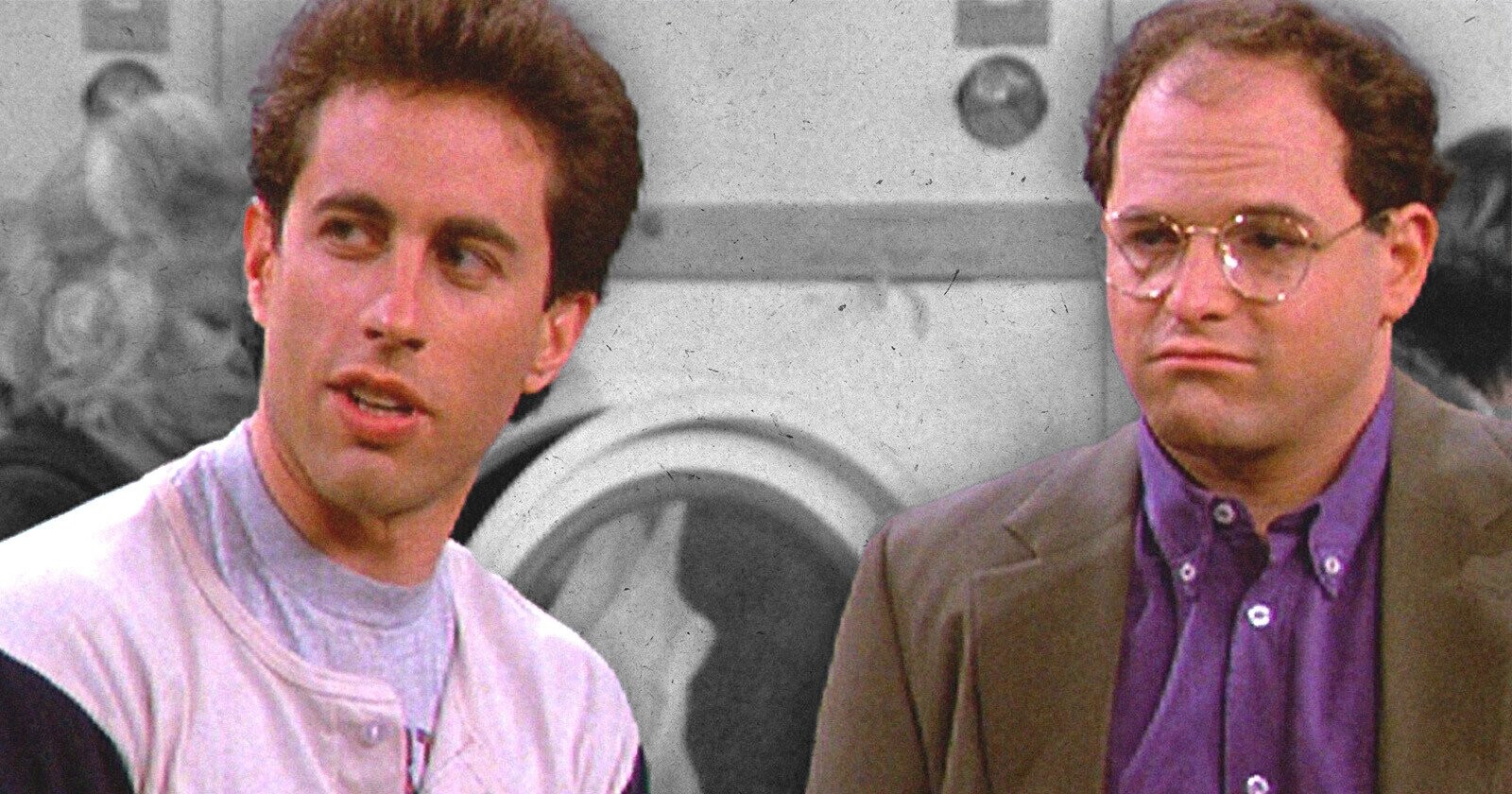
Before it became the defining sitcom about nothing, Seinfeld was a tiny, strange, slightly undercooked NBC experiment about awkward dates, irritating friends, apartment politics, and the heroic human effort required to avoid one uncomfortable conversation.
Why Ranking Seinfeld Season 1 Is Trickier Than It Looks
The first season of Seinfeld is not really a season in the modern streaming sense. It is more like a comedy fossil: small, fascinating, uneven, and clearly carrying the DNA of something that would later become enormous. There are only five episodes, beginning with the pilot, originally known as The Seinfeld Chronicles, and continuing through four additional NBC episodes aired in 1990.
That short run makes the season easy to watch in one sitting, but surprisingly hard to rank. None of these episodes has the full machine-gun rhythm of later classics like “The Contest,” “The Marine Biologist,” or “The Chinese Restaurant.” The characters are still finding their edges. Kramer is not yet the human firework display he would become. Elaine is absent from the pilot. George is recognizable, but his anxiety has not fully evolved into Olympic-level panic. Jerry, meanwhile, is still half sitcom lead, half observational comedian testing whether a conversation about laundry can hold up a television episode.
And yet, season 1 matters. It introduces the anti-sentimental tone that made Seinfeld famous: no hugs, no big speeches, no tidy life lessons. It also gives us the first hints of the show’s genius for turning microscopic social discomfort into full-scale emotional warfare. Ranking these five episodes means asking a simple question: which one feels most like the Seinfeld that conquered American comedy?
Ranking Criteria: What Makes a Great Early Seinfeld Episode?
For this ranking, the episodes were judged by five factors: character chemistry, originality of the central conflict, joke density, historical importance, and rewatch value. A season 1 episode gets bonus points if it introduces a running idea, sharpens the Jerry-George-Elaine-Kramer dynamic, or turns a tiny inconvenience into a social disaster. In other words, the more an episode makes you say, “Yes, this is exactly the kind of nonsense adults ruin their day over,” the higher it ranks.
#5: “Male Unbonding”
The awkward friend breakup before friend breakups had a name
“Male Unbonding” has one of the most unmistakably Seinfeld-style premises in the entire first season: Jerry wants to stop being friends with an annoying old buddy named Joel, but there is no socially accepted procedure for ending a male friendship. There are breakups for romance, resignations for jobs, and refunds for defective blenders. But what do you do with a friend who keeps calling and laughing too loudly at his own jokes? Apparently, you suffer.
Conceptually, this episode is ahead of its time. Today, we have terms like “ghosting,” “soft launching,” and “quiet quitting.” Jerry was trying to quiet quit a friendship in 1990, wearing dad sneakers and a tucked-in shirt. That is visionary behavior.
The problem is execution. Joel is intentionally irritating, but he is so irritating that the episode sometimes becomes work to watch. The comedy leans heavily on Jerry’s inability to be direct, but the rhythm is not yet as sharp as later Seinfeld stories about unwanted obligations. Elaine has some good moments helping Jerry brainstorm excuses, and George provides useful side commentary, but the episode does not build into the elegant social trap that the best Seinfeld plots deliver.
Still, “Male Unbonding” deserves credit for identifying one of the show’s great territories: the unwritten rules of modern relationships. It is not about friendship in a warm, greeting-card sense. It is about the maintenance cost of knowing people. That theme would become central to the series. Here, it is funny, but still a little stiff around the edges.
Best reason to watch: The premise is pure Larry David logic: simple, uncomfortable, and painfully accurate.
Why it ranks fifth: The idea is stronger than the episode, and the pacing does not quite match the brilliance of the concept.
#4: “The Stock Tip”
Money anxiety, bad timing, and a weekend trip that refuses to sparkle
“The Stock Tip” closes the first season with a story that feels more ambitious than some of the earlier episodes. George convinces Jerry to buy stock based on a tip, and because this is Seinfeld, the investment immediately becomes less about finance and more about panic, control, and whether George might somehow be right for once. That last possibility is terrifying for everyone involved.
The episode also follows Jerry’s attempt to spend a romantic weekend in Vermont with Vanessa, the woman he met in “The Stake Out.” On paper, that should be charming. In practice, it is wonderfully uncomfortable. The trip turns rainy, dull, and emotionally flat. Jerry wants the idea of a getaway more than the actual experience of being away. This is very Seinfeld: romance is not magical; it is a logistical error with hotel towels.
George’s stock-market storyline is the stronger half. Jason Alexander already understands how to make George’s confidence feel like a folding chair: technically upright, but doomed under pressure. The funniest element is the reversal of expectations. George, usually the human embodiment of a bounced check, may have made the correct financial decision, while Jerry’s cautious instincts betray him.
What keeps “The Stock Tip” from ranking higher is its uneven energy. The episode has clever pieces, but they do not snap together with the later series’ mechanical precision. The Vermont material drifts, and the stock plot could use a sharper comic escalation. It is interesting, sometimes very funny, but not essential in the same way as the top episodes on this list.
Best reason to watch: George’s financial panic is a preview of the magnificent Costanza disasters to come.
Why it ranks fourth: It has strong ideas, but the episode feels split between two stories that never fully ignite together.
#3: “The Seinfeld Chronicles” / “Good News, Bad News”
The pilot that looks like Seinfeld in a slightly wrong mirror
The pilot is the strangest episode of season 1 because it is both obviously Seinfeld and not quite Seinfeld. Elaine is not there. Kramer is called Kessler. The coffee-shop setting is Pete’s Luncheonette rather than Monk’s Café. The show’s pace is slower, and the characters feel softer, as if they have not yet discovered that being petty can be an art form.
The plot is tiny even by Seinfeld standards: Jerry wonders whether a woman he met on the road is romantically interested in him when she comes to visit New York. George helps him analyze every word, gesture, and sleeping arrangement with the seriousness of a military intelligence briefing. This is where the show’s central engine first appears: adults treating minor ambiguity as a national emergency.
What makes the pilot fascinating is how much of the later formula is already present. Jerry and George’s conversation has the observational rhythm that would define the series. Kramer, even in prototype form, enters as the neighbor who treats Jerry’s apartment like a community center with better cereal. The stand-up segments connect the sitcom plot to Jerry’s comic worldview. The episode is not yet fast or fearless, but it knows that comedy can come from overthinking everyday life.
It also has historical charm. Watching the pilot now is like seeing a famous restaurant before the renovation: the chairs are different, the lighting is weird, and the menu is shorter, but you can tell someone in the kitchen has an idea.
Best reason to watch: It is the blueprint, complete with rough pencil marks.
Why it ranks third: It is not the funniest episode of the season, but it is the most historically fascinating.
#2: “The Stake Out”
Elaine arrives, Art Vandelay is born, and the show finally starts clicking
“The Stake Out” is the moment season 1 begins to feel like real Seinfeld. Elaine enters the broadcast version of the series, and the show instantly improves. Julia Louis-Dreyfus gives the group a necessary counterweight: smart, amused, annoyed, and fully capable of puncturing Jerry’s self-satisfaction with one look. Without Elaine, the pilot feels like two guys analyzing dating signals in a vacuum. With Elaine, the social ecosystem gets sharper, funnier, and more dangerous.
The episode’s premise is excellent. Jerry meets a woman at a party but cannot openly flirt because Elaine is present. Instead of asking Elaine for help like a normal adult, he gathers scraps of information and stages a “stake out” at the woman’s workplace. This is ridiculous, but it is also exactly the kind of ridiculous that makes the series work. The characters are not criminals; they are cowards with vocabulary.
“The Stake Out” also introduces one of the great running identities in the Seinfeld universe: Art Vandelay. George’s fantasy of being an architect begins here, and the fake import-export cover story becomes a tiny masterpiece of panic improvisation. It is one of the first signs that George is not merely Jerry’s neurotic friend. He is a man who treats lying as jazz.
The Jerry-and-Elaine dynamic is especially important. Their past relationship gives the episode emotional texture without turning it sentimental. They are exes, friends, rivals, and occasional emotional saboteurs. The show does not ask whether they should get back together. It asks something much funnier: how honest do you have to be with an ex before dating becomes a paperwork problem?
Best reason to watch: Elaine’s arrival changes the show’s chemistry immediately.
Why it ranks second: It is historically crucial, very funny, and packed with future Seinfeld DNA.
#1: “The Robbery”
The first season’s best example of nothing becoming everything
“The Robbery” takes the top spot because it is the season 1 episode that most clearly understands what Seinfeld would become. The plot begins with a simple problem: Jerry’s apartment is robbed after Kramer fails to close the door properly. From there, the episode grows into a beautifully petty battle over blame, opportunity, real estate, friendship, and selfishness.
This is the first season’s best ensemble story. Jerry considers moving into a better apartment. George finds the place but secretly wants it for himself. Elaine realizes that if Jerry moves, she might be able to take his old apartment. Kramer feels guilty about the robbery, but because he is Kramer, his guilt does not necessarily become useful. Everyone has a motive. Everyone is technically understandable. Everyone is also being a little awful. That is the sweet spot.
The apartment plot is perfect early Seinfeld because it turns a practical decision into a moral crisis. Who deserves the new place? Does George get priority because he found it? Does Jerry get it because he was robbed? Should Elaine benefit from the chaos? The stakes are small, but the emotions are enormous. Nobody is saving the world. They are trying to win an apartment argument, which, in New York sitcom terms, is basically saving the world.
What makes “The Robbery” especially strong is its structure. The characters’ desires collide cleanly, and the ending has the classic Seinfeld flavor of mutual dissatisfaction. No one grows. No one learns. No one gets the perfect apartment. The universe resets, but everyone is slightly more irritated than before. Beautiful.
The episode also gives Elaine more to do within the group dynamic. She is not just Jerry’s ex or a sounding board; she is a participant in the scheming. George, meanwhile, becomes more recognizably George: insecure, opportunistic, self-pitying, and somehow still lovable in the way a raccoon trapped in a vending machine is lovable.
Best reason to watch: It is the first season’s cleanest example of the show’s social-comedy engine.
Why it ranks first: The ensemble clicks, the premise escalates naturally, and the ending feels unmistakably Seinfeld.
Complete Ranking of Seinfeld Season 1 Episodes
- “The Robbery” Best overall ensemble structure and the strongest early version of the show’s “nothing becomes everything” formula.
- “The Stake Out” Essential for Elaine, Art Vandelay, and the Jerry-Elaine social dynamic.
- “The Seinfeld Chronicles” / “Good News, Bad News” A rough but fascinating pilot with the show’s DNA already visible.
- “The Stock Tip” Funny and ambitious, especially for George, but uneven in its romantic subplot.
- “Male Unbonding” A brilliant premise that feels more like a draft of a classic than the classic itself.
What Season 1 Reveals About Why Seinfeld Worked
The first season proves that Seinfeld did not become great by chasing huge stories. It became great by trusting tiny ones. A missed signal at a party, a bad stock tip, an unwanted friend, a robbery caused by an unlocked doorthese are not traditional sitcom engines. They are everyday irritations. But the show treats them as if they deserve cross-examination, and that is the joke.
The season also shows how important the ensemble would become. Jerry is the center, but he is rarely the funniest moving part by himself. George brings panic. Elaine brings precision. Kramer brings physical chaos. Once the show learns how to bounce those energies off one another, it becomes something special. Season 1 is not perfect, but it is the laboratory where the formula starts bubbling.
Extra Viewing Experience: Rewatching Season 1 Today
Rewatching the first season of Seinfeld today is a little like looking at old photos of someone before they became famous. You recognize the face, but the haircut is doing something suspicious. The show is slower, quieter, and more conventional than the monster hit it later became. At times, the laugh track feels louder than the jokes. The apartment looks familiar but not yet sacred. Kramer’s entrances are not yet seismic events. George has not fully become the world champion of grievance. Elaine, once she appears, is instantly valuable, but even she is still settling into the group’s rhythm.
That roughness is part of the fun. Modern viewers often meet Seinfeld through highlight episodes, viral quotes, or the later seasons where every scene seems engineered for maximum comic combustion. Season 1 asks for a different kind of attention. It rewards viewers who enjoy watching a creative voice discover itself in real time. You can see the writers testing what counts as a story. Can an episode revolve around not wanting to see a friend? Can a romantic pursuit be funny if it is mostly about awkward logistics? Can an apartment decision become a four-person ethical crisis? The answer, eventually, is yes. In season 1, the answer is more like: yes, probably, give us a few more episodes.
The best way to watch these five episodes is not to compare every minute to peak Seinfeld. That is unfair, like judging a garage band rehearsal against a sold-out arena tour. Instead, watch for the sparks. In “The Stake Out,” the invention of Art Vandelay feels like a door opening. In “The Robbery,” the characters’ selfish motives interlock with surprising elegance. In the pilot, Jerry and George’s obsessive decoding of social behavior already feels like the show’s thesis statement. Even “Male Unbonding,” the weakest episode here, has a premise so durable that it could be rewritten today as a modern comedy about texts, muted notifications, and the horror of seeing “Can we talk?” on your phone.
Another pleasure of season 1 is noticing how anti-comforting the show is from the beginning. Many sitcoms of the era moved toward warmth. Problems were solved, friendships were reaffirmed, and someone usually learned something by the closing credits. Seinfeld looked at that tradition and said, “What if everyone remained exactly as petty as before?” That refusal to moralize still feels fresh. The characters are not role models. They are social weather systems. You do not watch them to become better. You watch them because they make bad instincts legible, hilarious, and strangely comforting.
For new viewers, season 1 may not be the perfect entry point if the goal is immediate, nonstop laughter. Starting later can make sense. But for anyone interested in television comedy, these five episodes are essential context. They show how a sitcom can begin as a modest experiment and slowly build a language of its own. The first season is not the best season of Seinfeld. It may not even be close. But it is the season where the nothingness begins, and that nothingness turned out to be one of the richest comic territories in TV history.
Conclusion
Ranking all five episodes of the first season of Seinfeld is really a way of ranking early experiments. “The Robbery” wins because it feels the most complete: the ensemble is active, the conflict is petty but meaningful, and the ending lands with that unmistakable Seinfeld shrug. “The Stake Out” comes close because it introduces crucial ingredients, especially Elaine and Art Vandelay. The pilot remains a must-watch curiosity, while “The Stock Tip” and “Male Unbonding” show promising ideas still waiting for sharper execution.
Season 1 is small, but it is not minor. It is the beginning of a sitcom language built around awkwardness, selfishness, social loopholes, and the terrifying possibility that the smallest inconvenience can consume your entire day. In other words, it is not quite classic Seinfeld yetbut it is already close enough to make you nervous about your own apartment door.