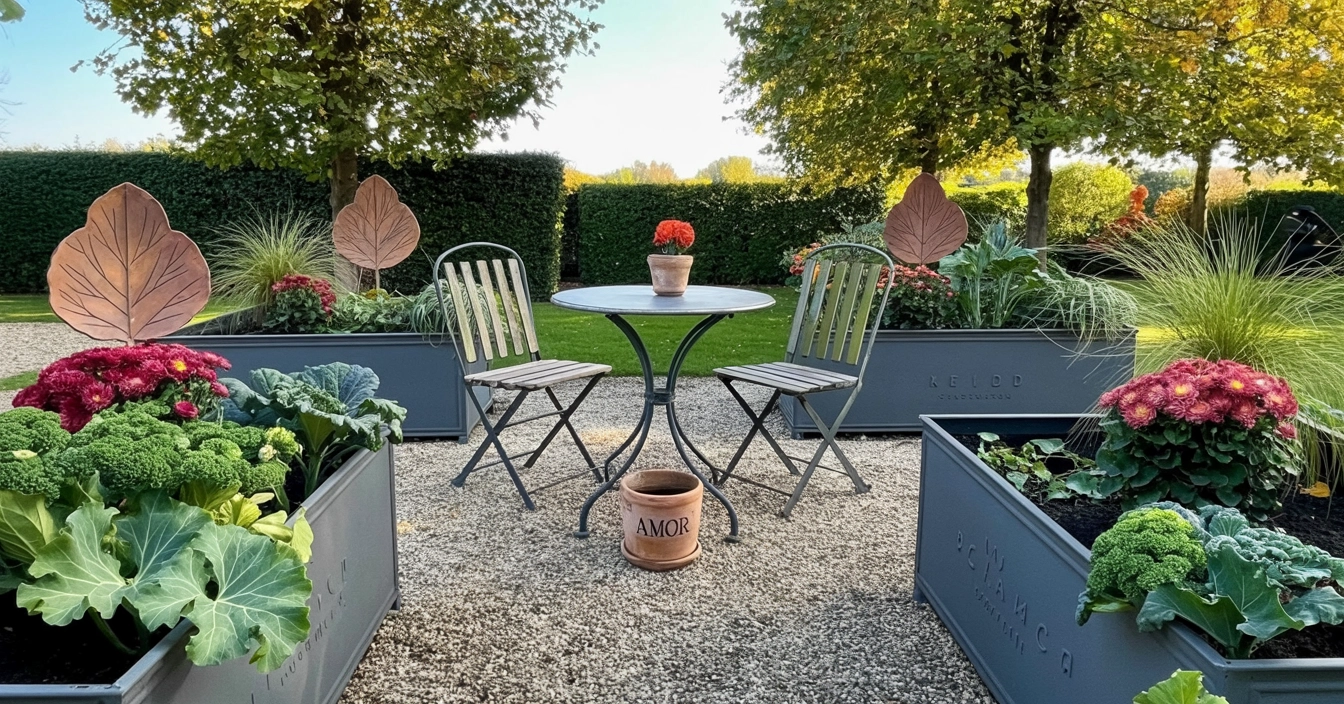
When summer tomatoes start looking exhausted and zucchini production finally drops below “feed the entire neighborhood” levels, your vegetable garden does not have to close for the year. Fall offers a second growing season filled with crisp leaves, sweet roots, fewer heat-related problems, and vegetables that genuinely enjoy sweater weather.
The best plants for a fall vegetable garden are cool-season crops that grow well as temperatures decline. Many tolerate light frost, while especially hardy vegetables can remain productive after colder nights. The trick is to plant early enough for crops to mature before daylight becomes limited and severe freezes arrive. This guide synthesizes recommendations from U.S. university extension programs in Minnesota, Pennsylvania, Georgia, South Carolina, Illinois, and Maryland. It also draws on practical planting and harvesting guidance from Iowa State, Michigan State, Utah State, Oregon State, Colorado State, and the University of Wisconsin.
Why Grow a Fall Vegetable Garden?
Fall gardening has several advantages. Cooler temperatures reduce heat stress, many weeds grow more slowly, and moisture does not evaporate as quickly as it does during midsummer. Some vegetables also develop better flavor after exposure to chilly weather. Carrots, turnips, kale, and several other cold-tolerant crops may taste sweeter because plants convert stored starches into sugars as part of their response to cold.
Fall crops can also make productive use of spaces left behind by harvested beans, cucumbers, potatoes, or summer squash. Instead of allowing bare soil to host a weed convention, you can sow another round of food.
How to Time Your Fall Planting
Start with your area’s average first frost date. Then check the seed packet for the crop’s days to maturity. Count backward from the frost date and add approximately one or two extra weeks because shortening days and cooler conditions may slow growth. For example, if a carrot variety needs 65 days to mature, planting 75 to 80 days before the expected frost provides a safer window.
Climate matters enormously. A gardener in Minnesota may plant fall broccoli in early or midsummer, while a gardener in Georgia can establish cool-season crops considerably later. Local extension planting calendars are more useful than a single national date.
10 Best Plants for Your Fall Vegetable Garden
1. Kale
Kale is the unofficial bodyguard of the fall garden. It tolerates cold, continues producing leaves after light frosts, and does not collapse dramatically the first time the thermometer looks unfriendly. Depending on the variety, kale generally reaches harvestable size in about 40 to 65 days.
Direct-sow kale seeds or transplant seedlings into fertile, well-drained soil. Give full-size plants roughly 12 to 18 inches of space, although baby-leaf kale can be planted more densely. Harvest the older outside leaves first and leave the center growing point intact. The plant will keep producing new leaves rather than filing for immediate retirement.
Kale grows best in full sun but can tolerate some afternoon shade, especially when planted while summer temperatures are still high. Common fall varieties include ‘Lacinato,’ ‘Red Russian,’ ‘Winterbor,’ and ‘Dwarf Blue Curled.’ University extension guidance consistently ranks kale among the hardiest fall vegetables, with established plants surviving temperatures well below a light frost.
2. Spinach
Spinach prefers cool weather so strongly that hot soil can make its seeds reluctant to germinate. Once temperatures moderate, however, it becomes one of the fastest and most rewarding fall vegetables. Many varieties mature in approximately 35 to 55 days, and baby leaves can be harvested earlier.
Sow spinach directly because it does not particularly enjoy being transplanted. Plant seeds about half an inch deep in loose, moist soil. Thin seedlings to several inches apart, using the removed baby plants in salads rather than tossing them away. For a longer harvest, make two or three small sowings approximately 10 to 14 days apart.
Spinach appreciates consistent moisture and nutrient-rich soil. In areas with mild winters, it may survive beneath mulch, row cover, or a low tunnel and resume growth when temperatures rise. The University of Minnesota recommends sowing a fall crop roughly two months before the average first frost date.
3. Leaf Lettuce
Leaf lettuce is ideal for gardeners who want quick results without waiting for a perfect grocery-store-style head. Loose-leaf varieties often begin providing usable leaves in 30 to 45 days. Butterhead, romaine, and compact mini lettuces also perform well during cool fall weather.
Lettuce seeds are small, so sow them shallowly and keep the soil surface consistently damp during germination. When late-summer soil remains warm, plant in afternoon shade, use shade cloth, or start seeds indoors before transplanting them outside. High soil temperatures may delay or reduce germination.
Harvest individual outer leaves for a cut-and-come-again crop, or cut the entire plant slightly above soil level. Plant a short row every one or two weeks to avoid harvesting 14 lettuces on Tuesday and none for the rest of the month. Cold-tolerant varieties such as ‘Winter Density,’ ‘Arctic King,’ and ‘Winter Marvel’ are useful where fall temperatures drop quickly.
4. Carrots
Carrots are excellent fall root vegetables because cool weather encourages crisp texture and sweet flavor. Most varieties need approximately 55 to 80 days to mature, so carrots should be planted earlier than speedy crops such as radishes.
Direct-sow seeds in loose soil free of rocks and hard clods. Heavy or compacted ground can produce forked roots that look as though they made several questionable life choices. Raised beds work well, and shorter varieties such as ‘Nantes,’ ‘Chantenay,’ or ‘Paris Market’ are suitable for shallow or heavier soils.
Keep the seedbed evenly moist until germination, which may take two weeks or longer. Thin seedlings so roots have room to expand. Mature carrots can tolerate frost and may remain in the soil under a thick mulch until the ground begins to freeze. Iowa State and Illinois extension guidance notes that established root crops can often be harvested after the first frost.
5. Radishes
Radishes are the sprinters of the fall vegetable garden. Many small round varieties are ready in 25 to 35 days, making them valuable when the first frost is approaching and your garden plan has developed a minor scheduling crisis.
Sow seeds directly about half an inch deep and thin seedlings to prevent crowded, undersized roots. Radishes grow best in consistently moist soil. Dry conditions can make roots woody or excessively spicy, while leaving mature radishes in the ground too long may cause splitting or pithiness.
Plant small batches every seven to ten days for a continuous harvest. ‘Cherry Belle,’ ‘French Breakfast,’ and ‘Rover’ are reliable quick varieties. Gardeners with a longer season can try daikon or winter radishes, which need more time and produce considerably larger roots. Radishes tolerate frost and are widely recommended for late-summer and early-fall succession planting.
6. Beets
Beets offer two crops in one tidy package: edible roots and nutritious greens. Baby leaves can be added to salads, while larger greens can be cooked like chard. Most beet varieties mature in approximately 50 to 70 days.
Each rough beet “seed” is actually a cluster that may produce multiple seedlings, so thinning is usually necessary. Plant directly in loose, fertile soil and maintain steady moisture. Irregular watering can reduce root quality and contribute to cracking.
Harvest baby beets when they are about the size of a golf ball or allow them to grow larger, depending on the variety. ‘Detroit Dark Red,’ ‘Early Wonder,’ ‘Golden,’ and ‘Chioggia’ provide different colors and flavors. Beets withstand chilly conditions and can be grown successfully in raised beds and containers at least eight to ten inches deep.
7. Broccoli
Broccoli requires more planning than radishes or lettuce, but a firm homegrown head is worth the calendar work. Because broccoli often needs 55 to 85 days after transplanting, many northern gardeners start seeds indoors during early or midsummer. In warmer regions, transplants may go into the garden later.
Plant broccoli in full sun and fertile soil enriched with compost. Space plants approximately 18 inches apart and water regularly. Stress from drought, excessive heat, or nutrient shortages can result in small or poorly formed heads.
Harvest the central head while the flower buds remain tight. After the main head is removed, many varieties produce smaller side shoots, extending the harvest. Watch for imported cabbageworms and other caterpillars. Fine insect netting or floating row cover applied immediately after transplanting can prevent egg-laying, provided no pests are trapped underneath enjoying their private buffet. Broccoli is considered a frost-tolerant cool-season crop.
8. Cabbage
Cabbage is another fall-garden heavyweight that prefers cool, steady growing conditions. Depending on the cultivar, it may require 60 to more than 100 days, so choose early-maturing varieties when your autumn season is short.
Use healthy transplants and space them according to their expected head size. Compact cabbages may need about 12 inches, while larger varieties require 18 to 24 inches. Cabbage needs consistent moisture; sudden heavy watering after a dry period can contribute to split heads.
Harvest when the head feels firm when gently squeezed. Small varieties such as ‘Caraflex,’ ‘Golden Acre,’ and ‘Farao’ fit raised beds more comfortably than enormous storage cabbages that appear determined to occupy an entire ZIP code. Cabbage tolerates frost, but plants should be established before severe cold arrives.
9. Swiss Chard
Swiss chard is a dependable option for gardeners who want colorful stems, edible leaves, and repeated harvests. Although it grows during summer, chard performs especially well as temperatures cool and commonly tolerates light frost.
Sow seeds directly or transplant young plants. Space full-size chard approximately 8 to 12 inches apart. Harvest outer leaves when they reach a usable size, leaving the central leaves to continue growing. Smaller leaves are tender enough for salads, while mature stems and leaves work well in sautés, soups, pasta dishes, and casseroles.
Varieties such as ‘Bright Lights,’ ‘Fordhook Giant,’ and ‘Ruby Red’ can make an edible bed look almost ornamental. Chard is also a strong candidate for containers, provided the pot has good drainage and enough depth for its roots.
10. Turnips
Turnips complete the list because they are fast, cold-tolerant, and entirely edible. Gardeners can harvest the peppery greens, the roots, or both. Many varieties mature in roughly 35 to 60 days.
Direct-sow seeds in loose soil and thin plants according to whether you want greens or large roots. Closely spaced plants produce plenty of tops, while wider spacing gives roots room to swell. Keep the soil moist to encourage tender growth and milder flavor.
Harvest small salad turnips when they are one to three inches across. Larger storage varieties can remain in the soil longer but may become woody if forgotten indefinitely. ‘Hakurei’ is prized for smooth, mild roots that can be eaten raw, while ‘Purple Top White Globe’ remains a traditional choice. Turnips are among the hardy vegetables commonly planted for fall harvest and often develop better flavor after cold weather.
Essential Fall Vegetable Garden Care
Prepare the Soil Before Planting
Remove finished summer crops, weeds, and diseased debris. Loosen the upper soil and mix in finished compost. Avoid adding large amounts of high-nitrogen fertilizer without a soil test; excessive nitrogen can produce impressive foliage but disappointing roots or heads.
Keep New Seeds Consistently Moist
Late-summer planting often begins while days are still hot. A shallow seedbed can dry rapidly, so check it at least once daily. A thin layer of straw, lightweight row cover, or burlap can help retain moisture until seeds germinate. Remove heavy coverings as soon as seedlings emerge.
Use Mulch and Row Covers
Mulch moderates soil temperature, conserves moisture, and reduces weed competition. Later in the season, floating row cover can provide limited frost protection and shield brassicas from insect pests. Low tunnels can extend the harvest of spinach, lettuce, kale, carrots, beets, broccoli, and other cool-season vegetables.
Choose Fast-Maturing Varieties
Two cultivars of the same vegetable may differ by several weeks in days to maturity. That difference is crucial in a fall garden. Look for descriptions such as “early,” “baby,” “compact,” “cold hardy,” or “short season.” Remember that the printed maturity period is an estimate, not a legally binding appointment with your salad bowl.
Practical Experiences and Lessons From Real Fall Gardens
The following experiences are representative lessons drawn from common home-gardening practices rather than claims about one individual garden.
Planting Earlier Usually Beats Planting More
One of the most common fall-gardening lessons is that a late start cannot always be repaired by sowing extra seeds. Gardeners may look at a broccoli packet labeled “60 days” and assume a planting made exactly 60 days before frost will be perfect. In reality, the plant may germinate slowly during hot weather, pause after transplanting, or mature more slowly as daylight decreases. A broccoli plant that needed two additional weeks may survive the cold yet never form a full head.
A practical approach is to build a buffer into the schedule. Long-season crops such as cabbage, broccoli, carrots, and beets should go in first. Quick vegetables such as radishes, spinach, baby kale, and leaf lettuce can fill remaining spaces later. This order prevents the classic autumn scene in which the radishes are thriving while the cabbage is still thinking about becoming cabbage.
Summer Heat Is Often the First Challenge
Although these vegetables are grown for fall, many must be planted during warm or hot weather. Gardeners frequently discover that keeping new seedbeds moist is harder in August than protecting mature crops from October frost. Lettuce may germinate poorly in hot soil, and tiny carrot seedlings can disappear if the surface dries for even a short period.
Successful gardeners often water the bed before planting, sow in the evening, and shade the soil temporarily with lightweight fabric or a board raised above the surface. The covering is removed as soon as seedlings emerge. Starting lettuce, broccoli, cabbage, and kale in containers can also make moisture management easier, while carrots, radishes, beets, spinach, and turnips are generally better direct-sown.
Thinning Feels Wasteful but Improves the Harvest
Another recurring experience is the temptation to leave every seedling in place. A dense green row looks productive, but crowded carrots, beets, radishes, and turnips compete for light, moisture, and root space. The result may be a magnificent crop of leaves attached to roots the width of pencils.
Thinning early produces better vegetables. Carrot seedlings can be snipped at soil level to avoid disturbing neighboring roots. Beet and turnip thinnings can be eaten as greens. Lettuce seedlings can be transplanted carefully or used as baby salad leaves. Once gardeners realize that thinning is an early harvest rather than a tiny agricultural tragedy, the task becomes considerably easier.
Frost Protection Works Best When Installed Before Dark
Waiting until late evening to locate row cover usually results in a flashlight, several missing garden clips, and language that frightens the kale. Experienced fall gardeners watch forecasts and install protection during daylight. Fabric should be supported so it does not crush tender plants, and its edges should be secured against wind.
Protection is most valuable for young seedlings, lettuce, chard, and crops nearing harvest. Hardy kale, mature carrots, radishes, turnips, broccoli, and cabbage can often tolerate light frost, although tolerance varies by variety and plant condition. Covers should be ventilated or removed when sunny weather returns.
Small Successions Create a Better Kitchen Harvest
A final practical lesson is to avoid planting an entire seed packet at once. Twenty mature radishes are delightful; 200 mature radishes arriving during the same weekend can turn meal planning into a root-vegetable emergency. Small sowings of lettuce, spinach, radishes, turnips, and baby greens every one or two weeks provide a steadier harvest and reduce waste.
Record planting dates, varieties, frost events, and harvest results. After one season, those notes become more valuable than generic calendars because they reveal how crops behave in your exact garden. Fall gardening improves dramatically when each year’s successes and failures become next year’s planting plan.
Conclusion
A productive fall vegetable garden begins before autumn fully arrives. Kale, spinach, lettuce, carrots, radishes, beets, broccoli, cabbage, Swiss chard, and turnips all take advantage of cooler conditions, but they mature at different speeds. Start slow-growing crops first, follow with quick greens and roots, maintain steady moisture, and keep frost protection nearby.
The reward is a garden that remains useful long after warm-season plants have faded. Instead of ending the year with empty beds, you can harvest crisp salads, colorful roots, sturdy greens, and homegrown vegetables that may taste even better after a chilly night.
Note: Planting dates and winter survival vary by climate, elevation, variety, and local weather. Consult your county or state Cooperative Extension planting calendar and calculate sowing dates from your average first frost.