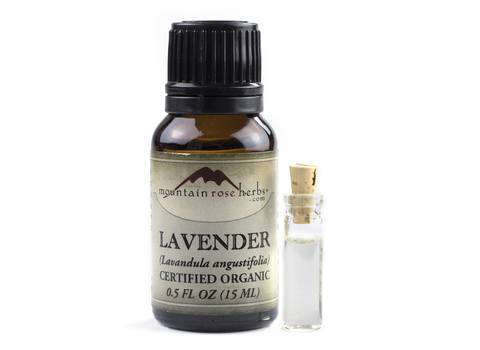
Lavender essential oil has the rare distinction of smelling like a peaceful afternoon while being marketed for nearly everything from bedtime relaxation to skin care. It appears in pillow sprays, massage oils, soaps, bath products, candles, and enough “calming” gift baskets to fill a small warehouse.
Yet a pleasant aroma and a purple flower do not automatically make every health claim true. Research suggests that lavender may be useful as a complementary tool for relaxation, anxiety, sleep, and certain types of discomfort, but the evidence varies considerably by product, dose, delivery method, and study quality. It is best viewed as a supporting actornot the entire medical cast.
This guide explains what lavender essential oil is, what science says about its possible benefits, how to use it safely, and what to look for when buying a bottle.
What Is Lavender Essential Oil?
Lavender essential oil is a concentrated aromatic extract obtained from the flowers and flowering tops of plants in the Lavandula genus. The variety most commonly associated with aromatherapy is Lavandula angustifolia, often called English lavender or true lavender.
The oil is usually produced through steam distillation. Steam passes through the plant material, carrying volatile aromatic compounds into a cooling system where the vapor condenses. The essential oil is then separated from the water-based portion of the distillate.
Essential oils are far more concentrated than the original plants. According to the National Cancer Institute, roughly 220 pounds of lavender flowers may be needed to produce about one pound of essential oil. That concentration explains both lavender oil’s strong aroma and the need to handle it carefully.
What Gives Lavender Its Familiar Scent?
Lavender oil contains dozens of naturally occurring compounds. Two of the most prominent are linalool and linalyl acetate, although their proportions vary depending on the lavender species, growing conditions, harvest timing, storage, and distillation process.
These volatile compounds contribute to lavender’s floral, herbal, and slightly woody scent. They are also among the substances studied for possible effects on the nervous system. However, a laboratory mechanism is not the same as a proven medical benefit in people. Human studies remain the deciding factor, and those results are often mixed.
Potential Benefits of Lavender Essential Oil
1. It May Promote Relaxation
Lavender is best known for its association with calmness. Smell signals travel through olfactory pathways connected with brain regions involved in emotion, memory, and autonomic responses. This may help explain why a familiar scent can change the atmosphere of a roomor instantly remind someone of a grandmother’s linen closet.
Some clinical studies have found that lavender aromatherapy reduces short-term anxiety in medical, dental, surgical, or stressful settings. Other trials have found little or no meaningful difference. The National Center for Complementary and Integrative Health therefore considers the evidence for inhaled lavender and anxiety unclear rather than conclusive.
A systematic review of lavender research found stronger evidence for certain standardized oral lavender preparations than for inhalation. This distinction matters: a tested, manufactured oral product is not equivalent to swallowing drops from an aromatherapy bottle. Never use ordinary lavender essential oil internally simply because a study involved an oral lavender preparation.
2. It May Support Better Sleep
Lavender does not work like a prescription sleeping pill, and it will not negotiate with a neighbor’s barking dog. Still, its aroma may help some people create a calmer transition into sleep.
Small trials and research reviews have reported improvements in perceived sleep quality, particularly when lavender aromatherapy is added to an existing bedtime routine. Some studies have also found reductions in nighttime anxiety or restlessness. However, many trials are small, use different delivery methods, or rely on self-reported sleep scores rather than objective measurements.
Lavender is most useful when treated as a sleep-hygiene cue. Dimming lights, reducing screen use, keeping a regular bedtime, and maintaining a comfortable bedroom remain more important than any essential oil. The aroma can become part of the ritual, but it should not be expected to repair severe insomnia on its own.
3. It May Ease Certain Types of Discomfort
Lavender aromatherapy and diluted lavender massage oil have been studied for headaches, menstrual discomfort, postoperative pain, arthritis symptoms, and pain during medical procedures. Some studies report modest short-term relief, while others show little difference.
There is also a built-in research puzzle: when someone receives a gentle massage in a quiet room, is the benefit coming from lavender, the massage, the restful environment, personal expectations, or all four working together? Researchers have not always been able to separate those effects.
Lavender may therefore be reasonable as a complementary comfort measure, but persistent, unexplained, or severe pain requires medical evaluation. A nice-smelling shoulder rub should not be asked to diagnose a torn tendon.
4. It Has Laboratory Antimicrobial Properties
Lavender compounds have demonstrated antimicrobial and anti-inflammatory activity in laboratory and animal studies. These findings have encouraged research into wound care, skin inflammation, and infection control.
That does not mean undiluted lavender oil should be poured onto cuts, burns, acne, or surgical wounds. Laboratory antimicrobial activity does not prove that a home preparation will safely treat an infection. Essential oil can irritate damaged skin, trigger contact dermatitis, or delay appropriate care.
Use standard first-aid practices for minor wounds and seek medical help for spreading redness, warmth, swelling, drainage, fever, deep injuries, or wounds that fail to heal.
5. It Can Strengthen a Relaxation Routine
One of lavender’s most practical benefits may be behavioral rather than pharmaceutical. Repeating the same mild scent during meditation, stretching, reading, or bedtime can help signal that the busy portion of the day is ending.
This conditioning effect is not imaginary or worthless. Rituals influence behavior. The key is to understand that lavender is supporting the routine rather than single-handedly producing every result.
How to Use Lavender Essential Oil Safely
Personal Inhalation
Personal inhalation limits exposure to other people in the room. Place one or two drops on a tissue, cotton pad, or aromatherapy inhaler and hold it several inches from your face. Take a few normal breaths rather than inhaling as forcefully as if you were trying to vacuum the scent into your lungs.
Stop if you experience coughing, wheezing, nausea, dizziness, headache, or irritation. Aromatherapy can trigger symptoms in people who are sensitive to fragrances, prone to migraines, or living with respiratory conditions.
Using a Diffuser
Follow the diffuser manufacturer’s instructions and begin with fewer drops than the maximum recommendation. Run the device for a limited period in a ventilated room instead of filling the house with a permanent lavender cloud.
Shared diffusion affects everyone nearby. Johns Hopkins Medicine cautions that people may respond differently to diffused oils, especially in homes with children or individuals with medical sensitivities. Personal inhalers or scent strips offer more control.
Topical Application
Lavender essential oil should generally be diluted in a carrier oil before it touches the skin. Common carriers include jojoba, coconut, sunflower, grapeseed, olive, and sweet almond oil.
A conservative adult dilution for occasional use is approximately 1%, or about six drops of essential oil in one fluid ounce of carrier oil. Drop sizes differ between bottles, so this remains an estimate rather than laboratory-level precision. A higher concentration is not automatically more effective; sometimes it is simply more irritating.
Apply a small amount of the diluted mixture to a limited area first. The American Academy of Dermatology recommends testing new skin products before broader use because ingredients and fragrances can cause redness, itching, swelling, or allergic contact dermatitis.
Adding Lavender to a Bath
Essential oil does not dissolve evenly in water. Drops added directly to a bathtub may float on the surface and contact the skin in concentrated patches.
Mix a very small amount into an appropriate bath base or fragrance-free cleansing product designed to disperse oils. Stop using it if the bath causes burning, itching, breathing discomfort, or a rash. Keep in mind that oils can also make the tub slippery, turning relaxation night into an unscheduled balance test.
How to Choose a Quality Lavender Essential Oil
The United States does not have an official government grading system that certifies essential oils as “therapeutic grade.” That phrase is generally a marketing term, not a recognized medical or regulatory standard. Product purity and labeling can vary significantly.
Look for Specific Label Information
- The botanical name, such as Lavandula angustifolia
- The plant part used, typically flowers or flowering tops
- The extraction method, commonly steam distillation
- The country or region of origin
- A batch or lot number
- Clear safety and storage instructions
- A complete ingredient list
Prefer Protective Packaging
Choose oil sold in a tightly sealed dark glass bottle. Light, oxygen, and heat can alter aromatic compounds over time. Store the bottle upright in a cool, dark place and replace the cap promptly after each use.
Old oil is not necessarily improved oil. Oxidation can change its aroma and may increase the chance of skin sensitivity. Discard a product that smells dramatically different, appears contaminated, or has been stored improperly.
Be Skeptical of Medical Miracles
A reputable company should not promise that lavender oil cures infections, eliminates depression, treats cancer, replaces anxiety medication, or corrects hormonal disorders. The FDA has taken action against companies marketing essential oil products with unapproved disease-treatment claims.
Lavender Essential Oil Risks and Precautions
Do Not Swallow Aromatherapy Oil
Lavender essential oil can be toxic when swallowed. Ingestion may cause stomach pain, vomiting, diarrhea, throat irritation, confusion, reduced alertness, breathing problems, or other serious symptoms. Keep bottles away from children and never transfer oil into an unlabeled food or beverage container.
In the United States, contact Poison Help at 1-800-222-1222 after a suspected ingestion or significant exposure. Call 911 for severe breathing difficulty, collapse, seizures, or loss of consciousness.
Watch for Skin Reactions
Even diluted lavender can cause irritation, hives, or allergic contact dermatitis. Stop using it if the skin becomes red, swollen, blistered, painful, or intensely itchy. Wash the area gently and seek medical advice when symptoms are severe or continue to worsen. Rare abnormal skin reactions involving sunlight have also been reported.
Use Extra Caution Around Children
Children are not miniature adults, and essential oil exposure should not be calculated by simply using “a little less.” Avoid applying concentrated oil to a child, placing it near the nose or mouth, or leaving a diffuser where it can be knocked over.
A small number of reports have linked repeated exposure to lavender-containing topical products with temporary breast-tissue enlargement in prepubertal children. Whether lavender caused these cases remains uncertain, but NCCIH recommends recognizing the unresolved concern.
Pregnancy, Breastfeeding, Medications, and Surgery
Reliable safety information during pregnancy and breastfeeding is limited. Ask an obstetric clinician before using concentrated lavender products regularly.
Lavender may theoretically increase drowsiness when combined with sedative medications or other calming herbs. Discuss oral lavender preparations and frequent essential oil use with a healthcare professional, particularly before surgery or when taking prescription medication.
Protect Pets
Do not apply lavender essential oil directly to a dog, cat, bird, or other pet unless a veterinarian specifically recommends a formulated product. Concentrated oils can be harmful when swallowed, absorbed through the skin, spilled onto fur, or inhaled in poorly ventilated spaces.
The ASPCA advises keeping essential oils out of reach and avoiding diffusion around birds because their respiratory systems are especially sensitive. Pets with breathing problems may also be poor candidates for a home diffuser.
A Realistic Lavender Essential Oil Experience
The following is a composite, experience-based illustration rather than a clinical case or claim that everyone will have the same results.
Week One: Learning That More Is Not Better
A practical trial often begins with enthusiasm and too many drops. The user fills a diffuser, adds the maximum amount listed in the manual, closes the bedroom door, and creates an atmosphere somewhere between “peaceful lavender field” and “floral department emergency.”
The aroma initially feels cozy, but after 20 minutes it becomes heavy. A mild headache appears, so the diffuser is turned off and the windows are opened. The first lesson is immediate: essential oils are concentrated, and pleasant scents can become unpleasant when overused.
On the next evening, the user switches to a personal methodone drop on a cotton pad placed on a nightstand several feet from the bed. The scent is softer and easier to control. It does not cause instant sleep, but it makes reading before bedtime feel more deliberate and relaxing.
Week Two: Building a Repeatable Routine
The lavender pad becomes one part of a larger routine. At 10:00 p.m., overhead lights are dimmed, the phone goes onto a charger across the room, and a paper book replaces late-night scrolling. Lavender is introduced at the same time each evening.
After several days, the scent begins to function as a cue: work is over, messages can wait, and the brain is no longer expected to solve every problem ever invented. Sleep does not become perfect, but bedtime feels less chaotic.
The important observation is that lavender is not working alone. The reduced screen exposure, consistent schedule, quieter room, and expectation of rest are doing much of the heavy lifting. The oil is more like the doorbell announcing that bedtime has arrived.
Week Three: Trying a Diluted Massage Oil
The user then prepares a simple 1% blend by adding approximately six drops of lavender essential oil to one fluid ounce of jojoba oil. A patch test is performed on a small area of the inner arm. No redness or itching appears over the following day.
A small amount is massaged into the shoulders after long computer sessions. The massage feels soothing and the lavender scent is enjoyable. It is impossible to determine whether the physical relief comes from lavender, the massage, taking a break, or finally moving away from a desk posture shaped like a question mark.
The blend is used only occasionally. It is not applied near the eyes, on irritated skin, or immediately before vigorous exercise. When mild itching appears after one application, the area is washed and the blend is paused rather than applying more in the heroic belief that a second layer will somehow fix the first.
Week Four: Deciding Whether Lavender Is Worth Keeping
At the end of the month, the user reviews the experience honestly. Lavender did not cure anxiety, erase every sleepless night, or transform the bedroom into a luxury spa staffed by invisible massage therapists.
What it did provide was a pleasant sensory cue, a reason to slow down, and a simple addition to a healthier evening routine. The personal inhalation method proved more comfortable than continuous diffusion, and the diluted massage blend was useful only when the skin tolerated it.
The final routine is modest: one drop on a cotton pad during evening reading, used several nights per week. The oil remains stored in a dark cabinet, safely away from children and pets. On nights when the scent feels irritating or unappealing, it is skipped without guilt.
That is perhaps the most realistic lavender experience. It may add comfort and structure, but it does not need to become a lifestyle religion. A small bottle can remain a small bottle.
Conclusion
Lavender essential oil is a concentrated aromatic product with promisingbut not universalapplications for relaxation, sleep routines, short-term anxiety, and comfort. Research results remain mixed, and many benefits may depend on personal scent preferences, context, massage, and other behavioral factors.
The safest approach is simple: use small amounts, favor personal inhalation, dilute before topical application, patch-test new blends, and never swallow aromatherapy oil. Keep it away from children and pets, and consult a healthcare professional when pregnancy, medication use, surgery, chronic illness, or persistent symptoms are involved.
Lavender may help make a healthy routine more pleasant. It should complement good medical care and sensible habitsnot attempt a fragrant takeover of both.