Found a pigeon on your porch, sidewalk, balcony, or suspiciously judging your life choices from a flowerpot? Good news: you do not need to become a full-time bird butler. Most lost pigeons need three things quickly: safety, calm, and the right human decision. This guide explains how to take care of a lost pigeon for the short time between “I found a bird” and “the bird gets home or reaches a professional.”
Pigeons are tougher than they look, but they are still living creatures with fragile wings, fast stress responses, and a talent for making humans panic-search “what do pigeons eat” at 11:47 p.m. Whether the bird is a racing pigeon, homing pigeon, injured city pigeon, or exhausted youngster, the safest approach is simple: observe first, handle gently, provide temporary shelter, avoid DIY medical heroics, and contact the right person.
How to Take Care of a Lost Pigeon: The Big Picture
A “lost pigeon” can mean several things. It may be a healthy racing pigeon resting after a long flight, a pet pigeon that escaped, a city pigeon with an injured foot, a window-strike victim, a fledgling learning to fly, or a sick bird that needs professional care. The correct response depends on the bird’s condition.
Before you do anything dramatic, remember this rule: rescue is not ownership. Your job is to stabilize the situation, not start a surprise pigeon adoption agency in your laundry room. Many banded pigeons have owners. Many injured pigeons need a wildlife rehabilitator. Some young birds are not lost at all; they are fledglings, and their parents may still be feeding them nearby.
Step 1: Observe Before You Touch
Start by watching the pigeon from a short distance. Is it standing upright? Walking normally? Flying short distances? Hiding with fluffed feathers? Bleeding? Dragging a wing? Being harassed by cats, dogs, traffic, or curious children with snack-sticky fingers?
A healthy but tired pigeon may sit quietly, bob its head, and move away when approached. An injured or sick pigeon may allow you to come very close, keep its eyes half-closed, breathe with effort, droop one wing, limp, shiver, or remain motionless. If the bird was caught by a cat or dog, treat that as urgent even if you do not see blood. Puncture wounds can be tiny, and infection can become serious fast.
Quick condition check
- Likely lost or exhausted: alert eyes, balanced posture, no obvious wounds, may be banded.
- Likely injured: bleeding, wing held unevenly, limping, string around feet, unable to fly, attacked by a pet.
- Likely sick: very weak, puffed up, discharge around eyes or beak, head twisting, labored breathing.
Step 2: Protect Yourself and the Pigeon
Pigeons are not tiny airborne villains. They are generally not dangerous, and a lost pigeon is usually more scared than scary. Still, basic hygiene matters. Wear disposable gloves if you have them. If not, use a clean towel to avoid direct contact. Wash your hands thoroughly afterward and keep pets away from the bird, its droppings, and any bedding.
If the pigeon appears severely sick, dead, or part of a group of sick or dead birds, do not handle it casually. Call your local wildlife agency, animal control, or a wildlife rehabilitator for instructions. Bird flu risk to the general public is usually low, but public health guidance is clear: avoid direct contact with sick or dead wild birds whenever possible.
Step 3: Prepare a Safe Temporary Box
A cardboard box is often the best short-term pigeon hotel. Choose a box large enough for the bird to stand and turn around, but not so large that it can flap wildly and injure itself. Punch small air holes in the sides, line the bottom with paper towels or newspaper, and close the top securely. A laundry basket with a towel over it can work in a pinch, but a box is calmer.
Place the box in a warm, quiet, dim room away from pets, children, loud televisions, ceiling fans, and enthusiastic relatives who want to “just peek one more time.” Stress can make a weak bird worse. Quiet darkness helps the pigeon settle down.
What not to use
- Do not use a wire cage with wide spacing; wings and feet can get caught.
- Do not leave the pigeon loose in your bathroom, garage, or car.
- Do not place the box in direct sun, beside a heater, or outdoors overnight.
Step 4: Gently Capture the Pigeon
Approach slowly and calmly. Tossing a towel over the pigeon is often the easiest method. Once covered, gently scoop the bird with both hands, keeping the wings folded against its body. Do not squeeze the chest. Birds need chest movement to breathe, so your grip should be secure but light.
If the pigeon is mobile, have one person guide it away from danger while another captures from behind. Avoid chasing it around the yard like a low-budget nature documentary. Chasing increases stress and can push the bird into traffic or under furniture.
Once the bird is in the box, close the lid. Resist the urge to keep checking. A pigeon does not need inspirational speeches. It needs quiet.
Step 5: Decide Whether to Offer Water
This is where pigeon care gets a little more specific. Many found pigeons are dehydrated, especially racing or homing pigeons that have flown far off course. If the bird is alert, standing, and not obviously injured, you may offer plain water in a stable dish. Pigeons drink by suction, so the water should be deep enough for the beak, about an inch or more, rather than just a shallow lid.
Do not force the pigeon’s beak into water. Do not drip water into its mouth. Birds can aspirate liquid, which means it goes into the airway instead of the digestive tract. That can be fatal. Simply place the water in the box or near the bird and allow it to drink on its own.
If the pigeon is unconscious, very weak, cold, bleeding, or unable to hold its head up, skip the water and contact a rehabilitator or avian vet immediately. In serious cases, well-meant feeding or watering can do more harm than good.
Step 6: Offer the Right Food Only If the Bird Is Stable
If the pigeon is alert, upright, and has had a chance to rest, you can offer simple pigeon-safe foods. Good short-term options include dried peas, corn, small grains, birdseed, millet, wheat, barley, or a commercial pigeon/dove seed mix. A small amount is enough. Think “emergency snack,” not “buffet at a bird wedding.”
Do not feed bread as the main food. Pigeons may eat bread, just as humans may eat frosting from a spoon at midnight, but that does not make it a nutritious plan. Also avoid milk, salty snacks, chips, chocolate, avocado, alcohol, meat, and anything seasoned. Pigeons are granivorous birds; seeds and grains are much closer to their natural diet than leftover pizza crust.
When not to feed
Do not feed an injured, dazed, or severely weak pigeon unless a rehabilitator tells you to. Birds with head trauma, internal injuries, or severe dehydration may need professional stabilization before food. If the bird hit a window, was attacked by a pet, or cannot stand, focus on warmth, darkness, containment, and professional help.
Step 7: Look for a Band and Record the Details
Many lost pigeons, especially racing pigeons and homing pigeons, wear a leg band. The band may include letters, numbers, a year, and a club code. Do not remove the band. Instead, write down the full code exactly as it appears. Take a clear photo if possible.
A typical band may include an organization code, year, club letters, and a unique bird number. This information can help you contact the owner through a pigeon club or racing pigeon association. If the bird has multiple bands, record all of them. If it has no band, it may be a wild or feral pigeon, a young bird, or an escaped pet without identification.
Helpful details to record
- Date and time found
- Exact location, including city and nearby cross streets
- Band numbers and colors
- Photos of the bird and band
- Visible injuries or unusual behavior
Step 8: Contact the Right Help
Once the pigeon is safe, start making calls. If the bird is banded and seems stable, contact the relevant pigeon organization, local pigeon club, or racing pigeon group. A healthy racing pigeon may simply need rest, water, food, and help reconnecting with its owner.
If the pigeon is injured, sick, tangled in string, unable to fly, or was caught by a cat or dog, contact a licensed wildlife rehabilitator, avian veterinarian, animal control, or local wildlife hotline. In the United States, many state wildlife agencies list licensed rehabilitators. Animal Help Now can also help locate wildlife emergency assistance by location.
Call before showing up unless the rescue center clearly says walk-ins are accepted. Many rehabilitators are volunteers or small clinics with limited hours. They may ask you to bring the bird, hold it overnight in a quiet box, or follow specific safety instructions.
Step 9: Keep the Pigeon Calm While You Wait
While waiting for instructions, keep the box indoors in a quiet place. Check only occasionally. If paper towels become soaked, replace them gently, but avoid unnecessary handling. Keep the room temperature comfortable, especially if the bird is weak or young. A cold bird has a harder time recovering.
If warmth is needed, place a wrapped warm water bottle near one side of the box, not directly under the bird. This lets the pigeon move away if it gets too warm. Never use an uncovered heating pad, hot water, hair dryer, or heat lamp without professional guidance. “Toasty” can become “dangerous” quickly.
Also, do not bathe the pigeon. Even if it looks dusty, greasy, or generally like it has made poor lifestyle choices, bathing can chill or stress it. Cleaning wounds, removing string, trimming feathers, or applying ointment should be left to trained hands unless a professional talks you through a very specific step.
Step 10: Release, Reunite, or Transfer Responsibly
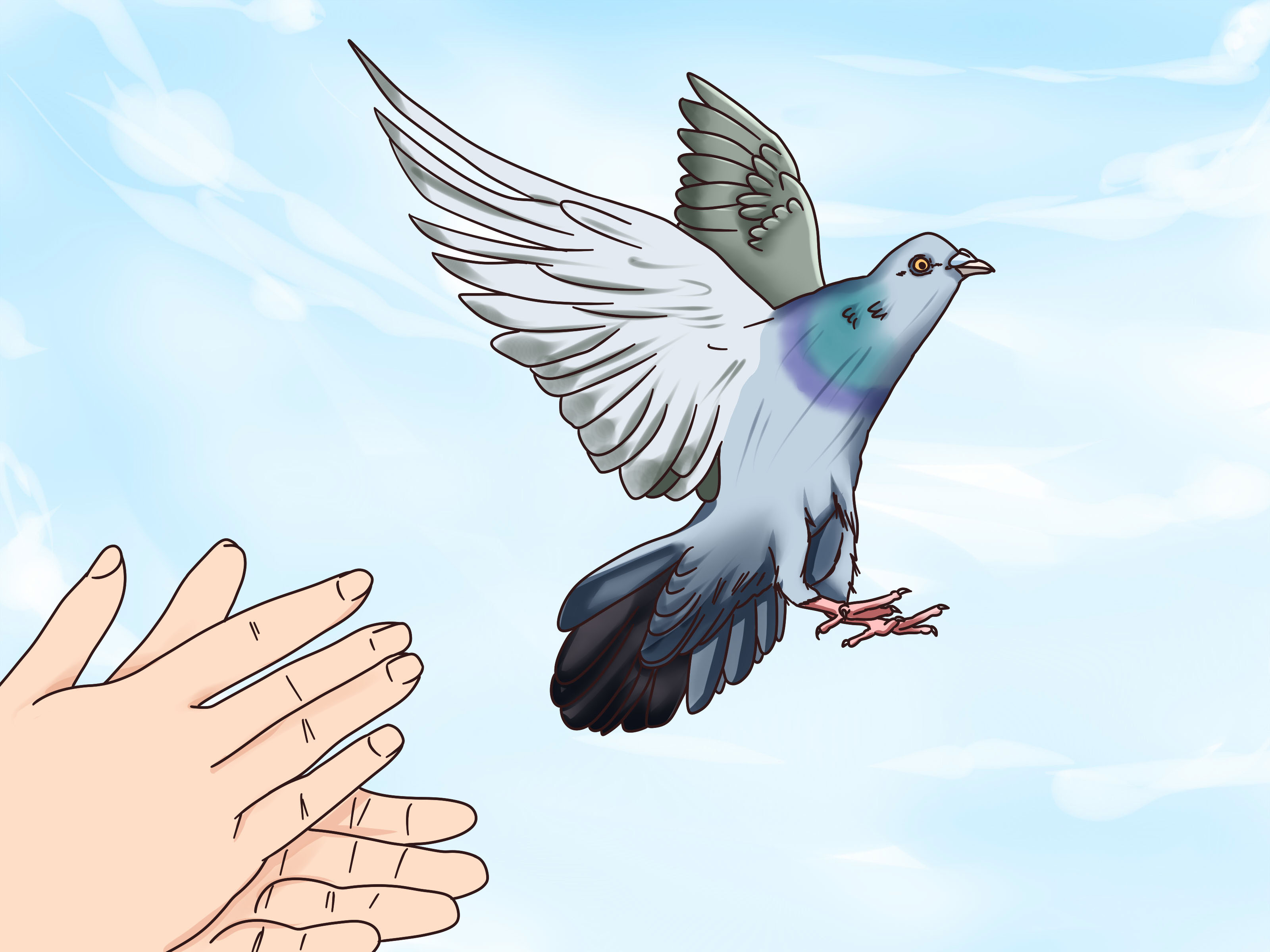
If a rehabilitator or pigeon owner advises release, choose a safe open area away from traffic, cats, dogs, and windows. Open the box outdoors and let the pigeon leave on its own. Do not toss it into the air. A healthy bird does not need a dramatic movie launch; it needs the option to fly when ready.
If the owner is coming to pick up a banded pigeon, keep the bird contained until they arrive. Ask for basic identifying confirmation, such as the band number. If you are transferring the pigeon to a wildlife rehabilitator, keep it in the closed box during transport. Keep the car quiet, avoid loud music, and do not put the box in the trunk.
If the bird does not fly after rest, seems weaker, or develops new symptoms, do not release it. Contact a rehabilitator again. A pigeon that cannot escape predators should not be placed outside just because you need your guest room back.
Common Mistakes When Caring for a Lost Pigeon
Mistake 1: Keeping the pigeon too long
Temporary care should be temporary. If the pigeon is a wild bird, long-term care may be illegal without proper permits, and even experienced animal lovers can accidentally provide the wrong diet, housing, or medical care.
Mistake 2: Feeding before assessing
Food feels helpful, but it is not always the first priority. For sick, injured, or stunned birds, warmth and quiet are often safer until a professional gives advice.
Mistake 3: Giving medications
Never give human pain relievers, antibiotics, antiseptics, or supplements unless an avian veterinarian or licensed rehabilitator instructs you. Some common household medications are toxic to birds.
Mistake 4: Letting pets investigate
Your cat may call it “supervision.” The pigeon calls it “a horror movie.” Keep all pets away, even friendly ones.
Mistake 5: Assuming every young pigeon is abandoned
Young birds can look awkward and underqualified for life. That does not always mean they need rescue. If a feathered young pigeon is walking around and not injured, observe from a distance before intervening.
What Do Lost Pigeons Eat and Drink?
For a stable adult pigeon, plain water is the most important first offering. After that, seeds and grains are appropriate short-term foods. Commercial pigeon or dove mix is ideal if you have it. If not, try dried peas, corn, millet, wheat, barley, or unsalted birdseed.
Urban pigeons are famous for eating crumbs and human leftovers, but survival snacking is not the same as good nutrition. Bread fills the crop without offering balanced nutrients. Salty, greasy, or sugary foods can make matters worse. Keep it boring. In pigeon care, boring is beautiful.
How Long Should You Keep a Lost Pigeon?
Keep a lost pigeon only as long as necessary to get instructions, locate an owner, arrange transport, or allow a healthy exhausted bird to rest briefly. A stable banded pigeon may recover after rest and hydration, but an injured or sick bird should reach professional care as soon as possible.
Overnight holding may be reasonable if a rescue center is closed and the bird is safe in a ventilated box. In that case, keep the bird indoors, quiet, and away from pets. Contact help again as soon as offices or hotlines open.
Experience Notes: What Helping a Lost Pigeon Is Really Like
The first thing many people notice when they help a lost pigeon is how surprisingly calm the bird may seem. That calmness can be misleading. Sometimes it means the pigeon is tame or exhausted. Sometimes it means it is too weak to resist. A pigeon sitting quietly in your hands is not necessarily “friendly”; it may be conserving energy. That is why the best rescuers move slowly, minimize handling, and avoid turning the moment into a photo session.
A common real-life scenario goes like this: someone finds a pigeon on a balcony in the late afternoon. The bird has a colored band, looks alert, but does not fly away. The finder places water nearby, offers a few grains, and gives the bird space. After an hour, the pigeon drinks, eats, and tucks one foot up to rest. That is often a good sign. The finder photographs the band, contacts a pigeon organization, and discovers the bird may be a racing pigeon that took a wrong turn, met bad weather, or simply decided the balcony had excellent vibes.
Another scenario is less cheerful but more urgent. A pigeon is found under a window, sitting puffed up and blinking slowly. There is no visible blood, but it does not try to escape. In that case, putting the bird in a dark ventilated box and calling a rehabilitator is the right move. Window collisions can cause head trauma even when the bird looks “mostly fine.” A quiet box is not just storage; it reduces stimulation and prevents the bird from injuring itself further.
Then there is the classic string-foot pigeon. City pigeons often get thread, hair, fishing line, or plastic fibers wrapped around their toes. The bird may limp, hold one foot up, or have swollen toes. It is tempting to grab tiny scissors and perform sidewalk surgery. Sometimes trained rescuers can remove string safely, but deeply embedded material can cut circulation or hide infected wounds. If you are not trained, contact a pigeon rescue, wildlife rehabilitator, or experienced urban bird rescue volunteer. A few hours of professional help can save toes, and yes, pigeons need their toes. They are not decorative.
People also learn quickly that pigeons have personalities. Some sit politely in a box like disappointed professors. Others flap, stomp, spill water, and redecorate the newspaper with impressive commitment. Do not take it personally. A messy pigeon is not ungrateful; it is frightened, uncomfortable, or recovering. Keep the setup simple so cleanup is easy and the bird cannot damage itself.
The emotional part is real, too. Once you help a pigeon, you may start noticing them everywhere: limping near train stations, nesting on ledges, pecking at crumbs with the focus of tiny accountants. Helping one bird often changes how you see the whole species. Pigeons are not trash birds. They are adaptable, intelligent, social animals that live beside us because our buildings, bridges, and sidewalks accidentally created a pigeon-friendly world. When one gets lost or hurt, a calm human response can be the difference between recovery and disaster.
The best experience ends quietly. The owner arrives. The rehabilitator takes over. The pigeon flies away after rest. There may be no trumpet music, no medal, and no thank-you card written in bird handwriting. But you did something useful. You noticed a small life in trouble and chose not to ignore it. That is the heart of lost pigeon care: not overreacting, not underreacting, just helping wisely.
Final Thoughts: Be Kind, Be Calm, Be Practical
Learning how to take care of a lost pigeon is mostly about making good decisions in the right order. Observe first. Protect the bird from danger. Use a ventilated box. Offer water only when the bird is stable. Feed only safe foods when appropriate. Record band information. Contact the owner, a pigeon organization, or a licensed wildlife rehabilitator. Keep the bird calm until it can be released, reunited, or transferred.
You do not need to be an expert to help. You just need patience, clean hands, a cardboard box, and the humility to call someone who knows more than you do. The pigeon may never understand your effort, but that is fine. Pigeons have busy schedules: flying, cooing, judging statues, and occasionally causing humans to become better people for an afternoon.