Note: This article is for general educational purposes only. It is not medical advice, diagnosis, or treatment. If you have diabetes, neuropathy, circulation problems, open wounds, skin infections, kidney disease, liver disease, or unexplained symptoms, talk with a qualified healthcare professional before trying any foot soak, patch, or wellness device.
Introduction: The Big Promise Sitting in a Tiny Foot Tub
Foot detox products have a wonderfully dramatic sales pitch. You place your feet in a bubbling basin, stick mysterious pads to your soles, or soak in a blend of salts and herbs, and supposedly your body releases toxins like a haunted house finally giving up its ghosts. The water changes color. The pads turn dark. The marketing copy whispers words like “heavy metals,” “metabolic waste,” “cleanse,” and “rejuvenation.” It sounds scientific enough to impress your aunt, your algorithm, and possibly your cat.
But does a foot detox work? The honest answer is: not in the way most products claim. There is no strong scientific evidence that detox foot pads, ionic foot baths, or similar foot detox systems pull toxins, heavy metals, chemicals, or “waste” out of your body through your feet. The color change that looks so convincing is usually explained by moisture, sweat, salts, minerals in the water, or corrosion from metal components in the device. In other words, the “toxin show” may be less medical breakthrough and more kitchen-sink chemistry wearing spa music.
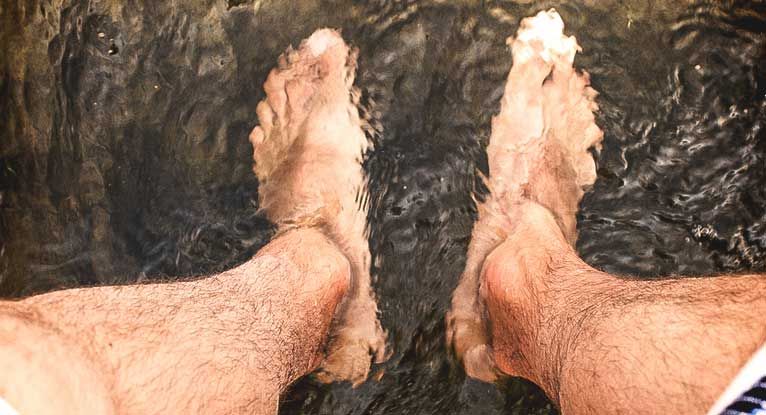
That does not mean every foot soak is useless. A warm foot bath can feel relaxing, soften dry skin, ease tired feet temporarily, and give you a quiet moment at the end of a long day. That is real. Relaxation matters. But relaxation is not the same thing as detoxification. If a product claims it can cure disease, remove heavy metals, fix fatigue, melt fat, treat high blood pressure, or reset your entire body through the soles of your feet, your skepticism should put on sneakers and start jogging.
What Is a Foot Detox?
A foot detox is a broad term used for products and treatments that claim to remove toxins through the feet. The three most common types are ionic foot baths, detox foot pads, and herbal or salt foot soaks. They are often sold in spas, wellness centers, online shops, and home-use kits.
Ionic Foot Baths
An ionic foot bath usually involves placing your feet in warm water with salt while a device sends a low electrical current through the water. Manufacturers may claim this process creates positive and negative ions that draw toxins out through the skin. After several minutes, the water often turns brown, orange, gray, or even black. Some charts claim each color represents a different organ or toxin, which sounds wonderfully organized until you remember that the human body is not a mood ring.
The problem is that the water can change color even when no feet are in it. The discoloration may come from rust, electrode corrosion, minerals in tap water, salt reactions, or debris. The visual effect is convincing, but a dramatic color change is not proof of detoxification.
Detox Foot Pads
Detox foot pads are adhesive patches placed on the soles of the feet overnight. In the morning, the pads often appear dark, sticky, or damp. Sellers may claim the pad has absorbed toxins, heavy metals, parasites, or metabolic waste. However, the darkening can happen because the ingredients react with sweat and moisture. Wood vinegar, bamboo vinegar, herbs, and powders can change color when wet. Your feet sweat at night. The pad turns dark. A product brochure declares victory. Science politely clears its throat.
Herbal, Salt, and Epsom Salt Foot Soaks
Herbal and salt foot soaks are the least dramatic of the group and often the most reasonable when used safely. They may include Epsom salt, essential oils, dried herbs, baking soda, or bath salts. These soaks do not detox your body, but warm water can help you unwind, soften rough skin, and make foot care feel less like a chore. The key is to understand them as comfort care, not as a medical cleanse.
Does A Foot Detox Work? The Evidence-Based Answer
There is no reliable evidence that foot detox products remove toxins from the body. Research on ionic foot baths is limited, and the available evidence does not support claims that they eliminate toxic elements. Major medical and consumer-health sources also warn that detox foot pads have not been proven effective or safe for their advertised purpose.
Foot detox marketing often uses vague language. “Toxins” sounds serious, but the term is rarely defined. Which toxin? How much was in the body before treatment? How much was removed? Was it measured in blood, urine, hair, water, or the pad? Was there a control test? Were results independently verified? Without answers, the claim is not evidence. It is a fog machine with a price tag.
The body already has detoxification systems. Your liver processes many substances and helps prepare waste products for elimination. Your kidneys filter blood, regulate fluid and mineral balance, and remove waste through urine. Your lungs, digestive system, lymphatic system, and skin also play roles in normal elimination and protection. If these organs are not working properly, a foot bath will not solve the problem. That situation calls for medical care, not a tub that looks like it is brewing weak coffee.
Why Does the Water Change Color?
The color change in an ionic foot bath is probably the biggest reason people believe the treatment works. After all, clear water plus feet plus machine equals brown water. The brain loves a before-and-after story. But the more likely explanation is chemistry, not toxins fleeing your ankles in panic.
Many ionic foot baths use metal electrodes. When electricity passes through salt water, the metal can corrode. Rust and other particles can discolor the water. Tap water also contains minerals that can react during the process. Add salt, heat, skin oils, and normal foot debris, and you have a recipe for murky water without needing to blame your liver.
A simple test often reveals the trick: run the device without feet. If the water still changes color, the color is not proof that anything left your body. This does not mean everyone selling foot detox treatments is intentionally deceptive. Some people truly believe in them. But belief does not turn rust into medical evidence.
Why Do Foot Pads Turn Dark?
Foot pads can also create a convincing visual performance. They go on clean and come off dark. That looks like extraction. But moisture alone can darken many pad ingredients. Sweat, humidity, body heat, and the natural dampness of feet can trigger a change in color and texture.
Some pads contain vinegar-based ingredients, herbs, tourmaline, plant powders, or minerals. These may become sticky or dark when wet. That does not prove they pulled heavy metals from your bloodstream. To prove that, a company would need careful testing: before-and-after measurements, independent lab analysis, a placebo comparison, and evidence that the substances came from the body rather than the pad itself. Most foot pad marketing does not provide that level of proof.
The Problem With “Toxin” Marketing
The word “toxin” is powerful because it sounds both scientific and scary. Real toxins exist, of course. Lead, mercury, certain pesticides, some industrial chemicals, and harmful substances from infections or metabolic disorders can damage health. But real toxic exposure is a medical issue. It is diagnosed through proper testing and treated with evidence-based care.
Wellness marketing often uses “toxins” as a catchall explanation for fatigue, bloating, headaches, poor sleep, skin concerns, weight gain, low mood, and general blah feelings. The problem is that these symptoms can have many causes: stress, lack of sleep, dehydration, diet changes, hormonal shifts, medication effects, anemia, thyroid disease, depression, anxiety, infections, and more. Blaming vague toxins may delay the real solution.
If a foot detox makes you feel relaxed, that is pleasant. If it claims to treat disease, remove poisons, or replace medical care, that is a red flag wearing spa slippers.
Can a Foot Detox Have Any Benefits?
Yes, but the benefits are likely related to comfort, not detoxification. A warm foot soak can feel soothing after standing all day. It may help soften calluses before gentle exfoliation. It can encourage you to inspect your feet, trim nails carefully, moisturize dry skin, and notice cuts or irritation. It can also become a calming evening ritual, which may support relaxation and better sleep routines.
However, these benefits come from warmth, water, rest, and attention to self-care. You do not need an expensive ionic machine or dramatic detox claims to get them. A basin of warm water, a towel, a fragrance-free moisturizer, and ten quiet minutes can do a respectable job without pretending to be a laboratory.
Potential Risks and Who Should Be Careful
Foot detox products are often marketed as natural and harmless, but “natural” does not automatically mean safe. Skin can react to adhesives, herbs, essential oils, fragrances, salts, and other ingredients. People with sensitive skin may develop redness, itching, burning, or irritation. Using pads or soaks on broken skin, rashes, infections, or open wounds can make problems worse.
People with diabetes should be especially cautious. Diabetes can affect circulation and nerve sensation in the feet, making it harder to feel heat, pain, or injury. Hot water can burn skin without being noticed right away. Prolonged soaking can dry the skin or increase the chance of cracking. Cracks can become entry points for infection. For people with diabetes, daily foot checks, warmnot hotwater, careful drying, proper shoes, and professional foot care are far more important than detox gadgets.
You should avoid foot detox treatments if you have open sores, foot ulcers, active infections, severe eczema, unexplained swelling, poor circulation, neuropathy, or recent foot surgery unless a healthcare professional says it is safe. Pregnant people, children, and people with chronic medical conditions should also be cautious with products that make health claims or contain strong herbal ingredients.
How to Spot Questionable Foot Detox Claims
Good health products do not need to sound like late-night infomercials trapped in a yoga studio. Be cautious if a product claims it can remove heavy metals without testing, cure multiple unrelated conditions, guarantee weight loss, balance every organ, boost immunity instantly, or show proof only through pad color or water color. Be extra cautious if the website relies heavily on testimonials but offers no controlled research.
A trustworthy claim should be specific, measurable, and supported by quality evidence. “This warm soak may help tired feet feel more comfortable” is reasonable. “This machine pulls liver toxins through your soles and changes your life by Tuesday” deserves a raised eyebrow, possibly both eyebrows.
What Actually Supports Your Body’s Natural Detox Systems?
You do not need to punish your body into detoxing. You need to support the systems already doing the work. That means drinking enough fluids, eating a balanced diet with fiber-rich foods, sleeping consistently, moving your body, limiting alcohol, avoiding smoking, managing stress, and following medical advice for chronic conditions. These habits are less glamorous than a bubbling foot machine, but they have one major advantage: they are real.
For liver health, moderation with alcohol, maintaining a healthy weight, vaccination when appropriate, and medical screening for risk factors matter. For kidney health, blood pressure control, blood sugar management, hydration, and regular checkups are important. For skin and foot health, gentle cleansing, moisturizing dry areas, wearing supportive shoes, and addressing wounds early are practical steps.
Wellness does not always need a dramatic ritual. Sometimes it looks like going to bed on time, eating vegetables that did not arrive through a drive-thru window, and wearing shoes that do not treat your toes like luggage in an overhead bin.
Safe Foot Care Alternatives That Actually Make Sense
Try a Simple Warm Foot Soak
If you enjoy foot soaks, keep them simple. Use warm water, not hot water. Soak for a short time, such as 10 to 15 minutes, then dry your feet thoroughly, especially between the toes. Apply a gentle moisturizer to dry areas, but avoid putting heavy cream between the toes because trapped moisture can encourage irritation or infection.
Moisturize Dry Heels
For dry, cracked heels, a cream containing urea may help soften thickened skin. A layer of petroleum jelly over moisturizer and clean cotton socks overnight can help lock in moisture. If cracks are deep, painful, bleeding, or not healing, get professional care.
Be Gentle With Calluses
Do not attack calluses like you are sanding a deck. Use gentle exfoliation, avoid sharp blades, and see a podiatrist if you have diabetes, circulation problems, or painful thick skin. Removing too much skin can cause wounds.
Make It Relaxing Without Making It Magical
There is nothing wrong with lighting a candle, playing soft music, and giving your feet a break. The problem begins when relaxation is sold as detoxification. Call it what it is: a soothing foot soak. That is enough. Your feet work hard. They do not need a fake resume.
When Should You See a Doctor Instead?
Do not rely on a foot detox if you have persistent fatigue, unexplained weight loss, swelling, numbness, tingling, burning pain, wounds that do not heal, yellowing skin or eyes, dark urine, severe itching, chest pain, shortness of breath, or signs of infection. These symptoms deserve medical evaluation. A foot pad cannot diagnose or treat serious health issues.
You should also seek care if you believe you have been exposed to heavy metals or poisonous chemicals. Real toxic exposure requires proper testing and evidence-based treatment. Guessing based on the color of foot bath water is not enough.
Real-Life Experiences: What People Often Notice After Trying Foot Detox
Many people who try a foot detox describe a similar first experience. They start with curiosity, a little hope, and maybe a small voice saying, “Surely the internet would not exaggerate.” Then the water changes color or the pads turn dark, and it feels like proof. The moment is satisfying because it creates a visual story: something bad was inside, and now it is outside. Humans love visible results. That is why before-and-after photos sell everything from closet organizers to eyebrow pencils.
One common experience is feeling lighter or calmer afterward. That feeling may be real, but it does not necessarily come from toxin removal. Sitting still for 30 minutes with warm water around your feet can lower tension simply because you stopped running around. You are not answering emails, cleaning the kitchen, or pretending your laundry pile is “decor.” You are resting. Rest can feel surprisingly powerful when your day has been powered by caffeine and mild chaos.
Another common experience is disappointment after repeated use. Some people buy home ionic foot baths expecting better sleep, clearer skin, less pain, or more energy. After a few sessions, they may notice that the water changes color every time but their actual health concerns remain. That gap between the show and the result is important. A product can create a dramatic visual effect without creating a meaningful health change.
People who use detox foot pads often report that the pads smell strong and look unpleasant in the morning. The dark, sticky residue can feel convincing. But when someone tests the idea by adding a little water to an unused pad, it may darken in a similar way. That can be a funny and slightly annoying discovery, especially if the box promised ancient wisdom and modern science but delivered “sweaty sticker chemistry.”
Some people still enjoy foot detox rituals even after learning the science. That is perfectly understandable. A relaxing routine does not need to be medically powerful to be valuable. The key is honest labeling. If you use a warm foot soak because it helps you unwind, wonderful. If you buy detox pads because the lavender scent reminds you to go to bed earlier, fine. But if you are spending money because you believe the product is removing heavy metals, curing symptoms, or replacing healthcare, it is time to reconsider.
A practical experience-based approach is to ask, “What problem am I trying to solve?” If the answer is tired feet, dry heels, stress, or wanting a calming bedtime ritual, a simple soak and moisturizer may help. If the answer is chronic fatigue, pain, swelling, numbness, digestive problems, or fear of toxic exposure, the better next step is a healthcare appointment. Your feet are excellent for walking, balancing, dancing badly at weddings, and finding furniture in the dark. They are not a substitute for your liver, kidneys, or medical testing.
Conclusion: Relax Your Feet, But Do Not Outsource Detox to Them
So, does a foot detox work? For removing toxins, heavy metals, or mysterious waste through your feet, the answer is no based on current evidence. Ionic foot bath water can change color because of chemical reactions, minerals, salts, and electrode corrosion. Detox foot pads can darken because of sweat and moisture. These changes may look impressive, but they do not prove that toxins left your body.
For relaxation, however, a simple foot soak can be lovely. It can help you slow down, care for dry skin, and give your hardworking feet a little appreciation. Just keep the expectations realistic. The best “detox” plan is not a pad, patch, or pricey machine. It is supporting your body with healthy habits, getting medical care when symptoms appear, and treating wellness claims with the same caution you would use when reading a menu item called “life-changing salad.” It might be good. It is probably not life-changing.