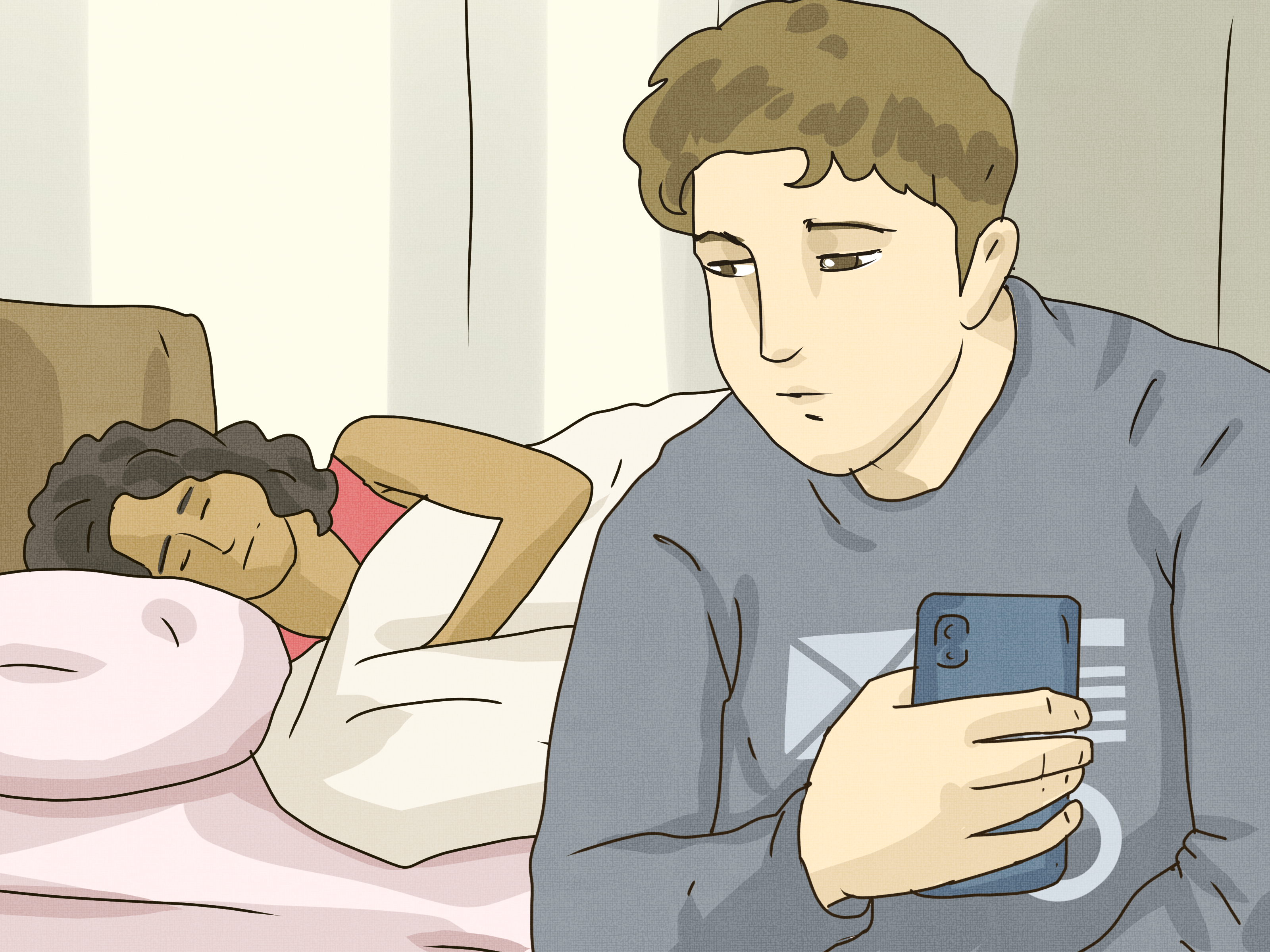
“Once a cheater, always a cheater” is one of those relationship phrases people say with the confidence of a judge banging a tiny emotional gavel. It sounds neat. It feels protective. It fits perfectly in a group chat after someone’s boyfriend suddenly develops a “work emergency” every Friday night. But is it actually true?
The honest answer is: sometimes, but not always. Research suggests that people who have cheated before are more likely to cheat again compared with people who have not. That matters. Past behavior is not a meaningless little cloud floating across the dating sky. At the same time, “always” is a dangerous word. People can change, but change requires more than a dramatic apology, a sad playlist, and three paragraphs beginning with “I never meant to hurt you.”
This article explores what science, therapists, and real-world relationship patterns suggest about serial cheating, emotional affairs, trust, accountability, and whether a relationship can survive infidelity without turning into a full-time detective agency.
What Does “Once a Cheater, Always a Cheater” Really Mean?
The phrase usually means that someone who has betrayed a partner once has revealed a permanent character flaw. In other words, cheating is treated not as a decision, but as an identity. A person does not simply cheat; they become “a cheater,” stamped forever like a bad restaurant review.
That belief is emotionally understandable. Infidelity does not just hurt because of sex, secrecy, flirting, or hidden messages. It hurts because it rearranges reality. The betrayed partner often looks back at old memories and wonders, “Was that dinner real? Was that compliment real? Was I the only person in this relationship who had read the terms and conditions?”
But the phrase also oversimplifies human behavior. Cheating can happen for different reasons: poor boundaries, low commitment, emotional avoidance, alcohol or impulse problems, resentment, unmet needs, opportunity, insecurity, entitlement, fear of intimacy, or a long-standing pattern of dishonesty. These causes do not excuse betrayal, but they do help explain why not every case carries the same risk of repeating.
What Research Says About Repeat Cheating
The strongest argument behind the cliché is that past behavior can predict future behavior. A widely discussed longitudinal study followed adults across two romantic relationships and found that people who reported sexual infidelity in one relationship had significantly higher odds of reporting infidelity again in a later relationship.
That does not mean every former cheater will cheat again. It means the risk is higher. Think of it like seeing a “check engine” light on a car. It does not guarantee the car will explode on the highway, but ignoring it because the radio still works is not a brilliant strategy.
Research on infidelity also shows that cheating is not predicted by one simple trait like gender, income, or attractiveness. Relationship factors often matter more. Lower relationship satisfaction, lower sexual satisfaction, less love, higher sexual desire, weak commitment, and permissive attitudes toward infidelity can all increase the risk. In plain English: cheating often grows in the messy soil of secrecy, disconnection, opportunity, and personal permission.
Why Some People Cheat Again
Serial cheating is usually not random. Repeated infidelity often follows a pattern, even if the person insists each situation was “complicated.” To be fair, relationships are complicated. So are taxes. That does not mean we get to hide an extra spouse in the deduction column.
1. They Never Took Real Accountability
A person who says, “I cheated because you were too busy,” is not taking accountability. They are outsourcing responsibility like a poorly managed customer service department. Real accountability sounds more like: “I made choices that violated our agreement. I need to understand why I gave myself permission to do that, and I need to change the behavior that made it possible.”
Without accountability, the person may treat cheating as something that happened to them rather than something they chose. That mindset leaves the door wide open for a repeat performance.
2. They Confuse Regret With Change
Regret often appears immediately after discovery. Change appears over time. Regret says, “I hate that this blew up.” Change says, “I have ended the affair, become transparent, entered therapy, changed my boundaries, accepted hard conversations, and stopped demanding instant trust.”
A person can cry, apologize, buy flowers, and still repeat the behavior if they have not addressed the underlying pattern. Flowers are lovely. They are not a treatment plan.
3. They Keep Weak Boundaries
Many affairs do not begin with a dramatic movie scene. They begin with private jokes, hidden texts, “harmless” venting, deleted messages, emotional comparison, and a slow shift of intimacy away from the primary relationship. Emotional cheating can become especially slippery because the person tells themselves, “Nothing physical happened.”
But secrecy is often the alarm bell. If someone would be uncomfortable showing their partner the conversation, the relationship may already be crossing a line. Healthy friendships can exist outside a relationship. Secret emotional dependence with romantic tension is a different animal, and that animal usually has teeth.
4. They Need Validation Like Oxygen
Some people cheat because external attention gives them a quick hit of confidence. They may feel attractive, powerful, desired, or temporarily free from ordinary life. The problem is that validation from an affair is not stable self-worth. It is emotional fast food: exciting, salty, and likely to leave everyone feeling terrible later.
If someone relies on outside romantic attention to regulate insecurity, boredom, or low self-esteem, they may repeat the pattern unless they develop healthier ways to manage those feelings.
5. They Avoid Conflict Instead of Repairing Problems
Some cheaters are not thrill-seeking villains. Some are conflict avoiders. Instead of saying, “I feel lonely,” “I am unhappy,” or “We need help,” they escape into another connection. The affair becomes a fake solution to a real problem.
Unfortunately, avoidance is not peace. It is conflict wearing a fake mustache. Problems that are not discussed often come out sideways through secrecy, resentment, emotional distance, or betrayal.
Why Some People Do Not Cheat Again
Now for the other side: people can change. Not everyone who cheats once becomes a serial cheater. Some people are shocked by the damage they caused, face themselves honestly, and do the slow work of becoming safer partners.
The difference is not whether they promise to change. It is whether their behavior becomes consistently different when no one is clapping for them.
Signs a Former Cheater May Be Truly Changing
A former cheater is more likely to rebuild trust if they voluntarily disclose the truth, end contact with the affair partner, stop minimizing the betrayal, answer reasonable questions, accept boundaries, seek therapy or counseling, and show patience with the betrayed partner’s healing process.
They also need to understand why the cheating happened without turning that explanation into an excuse. “I felt lonely” may be a useful insight. “I felt lonely, so technically this is your fault” is not insight. That is emotional gymnastics, and nobody awarded it a medal.
Can a Relationship Survive Cheating?
Yes, some relationships survive infidelity. Some even become more honest afterward. But survival is not automatic, and it should not be romanticized. Rebuilding after cheating is difficult because the betrayed partner is not just recovering from one act; they are recovering from a broken sense of emotional safety.
Repair usually requires three major ingredients: truth, accountability, and time. The unfaithful partner must accept that trust cannot be rebuilt on their preferred schedule. The betrayed partner may need reassurance, space, direct answers, and support. Couples therapy can help because infidelity conversations easily become circular, explosive, or so painful that both people avoid them completely.
Importantly, forgiveness and reconciliation are not the same thing. Someone can forgive and still leave. Someone can stay and still not be ready to forgive. Healing is not a straight hallway. It is more like a house renovation where every wall somehow contains another wall.
When the Cliché Is Probably True
“Once a cheater, always a cheater” becomes more accurate when cheating is part of a repeated lifestyle rather than a single terrible decision. Warning signs include multiple past affairs, chronic lying, blaming every ex, refusing transparency, hiding devices, flirting for validation, keeping backup romantic options, and reacting with anger when asked for accountability.
If someone has cheated on several partners and every story ends with them as the misunderstood hero, be careful. One villain in their past may be bad luck. A full parade of “crazy exes” may indicate the parade organizer is the problem.
Another red flag is impatience. A person who says, “Why aren’t you over it yet?” shortly after betrayal is showing that their comfort matters more than repair. Trust is not restored because the cheater is tired of discussing the consequences. It is restored when their actions become safe enough to believe again.
When the Cliché May Be Unfair
The cliché may be unfair when someone cheated once, fully owned it, did meaningful personal work, and developed healthier boundaries. People are not frozen forever at their worst decision. A past betrayal is serious information, but it is not the only information.
Context matters. Was the person young and emotionally immature? Did they confess without being caught? Did they spend time understanding the behavior? Have they maintained years of honest relationships since? Do they speak about the past with humility rather than defensiveness?
A changed person does not demand that you ignore their history. They understand why it matters. They are willing to be known fully, including the parts of their past that make them look less charming on the brochure.
How to Talk to a Partner Who Has Cheated Before
If you are dating someone who has cheated in the past, you do not need to interrogate them under a swinging lamp. But you should have a direct conversation before you build a future on hope and vibes alone.
Ask what happened, what they learned, what they changed, and how they define boundaries now. Listen less to the drama of the story and more to the ownership. Do they blame the ex entirely? Do they laugh it off? Do they describe the affair as something that “just happened”? Or do they show self-awareness and responsibility?
You can also discuss what both of you consider cheating. In modern relationships, infidelity can include physical sex, emotional affairs, dating apps, secret DMs, online sexual behavior, hidden flirtation, or repeated boundary violations. Couples often get into trouble because one person thinks they are “networking” while the other person sees a digital audition for betrayal.
What the Betrayed Partner Should Remember
If you have been cheated on, the betrayal is not a reflection of your worth. People often ask, “What did I lack?” But cheating is not a beauty contest, a cooking exam, or a performance review. Even in relationships with real problems, the choice to deceive belongs to the person who deceived.
That said, your next steps matter. Avoid becoming a full-time surveillance system. Constant phone-checking, location tracking, and social media investigation may feel protective, but they can also keep your nervous system trapped in panic mode. If safety cannot exist without constant monitoring, the relationship may not be repaired; it may simply be under observation.
Support from a therapist, trusted friend, or counselor can help you decide whether rebuilding is realistic or whether leaving is the healthier choice. Either decision can be valid. Staying is not weakness. Leaving is not failure. The goal is not to win a moral debate; it is to build a life where your peace is not permanently held hostage.
Practical Examples: Same Mistake or New Pattern?
Example 1: The One-Time Confessor
Alex cheated once during a chaotic period, confessed without being caught, ended contact, entered therapy, and accepted that trust would take time. Alex does not pressure the partner to “move on” and has changed daily habits around communication and boundaries. This situation does not guarantee success, but it shows meaningful repair behavior.
Example 2: The Charming Repeater
Jordan has cheated in three relationships, says every ex was “too jealous,” hides the phone face down, deletes messages, and gets angry when asked basic questions. Jordan also says, “I just need someone who trusts me.” This is not a trust issue. This is a red flag wearing cologne.
Example 3: The Emotional Escape Artist
Taylor never had physical sex outside the relationship but regularly forms secret emotional bonds, vents about the relationship to attractive friends, hides messages, and compares the partner unfavorably. Taylor insists, “We’re just friends.” Maybe. But if the friendship requires secrecy to survive, it is probably not as innocent as advertised.
So, Is “Once a Cheater, Always a Cheater” True?
The best answer is: once a cheater, higher risk of cheating again. Not always. Not never. Higher risk.
The cliché is useful as a warning, not as a universal law. It reminds us to take patterns seriously. It becomes harmful when it denies the possibility of growth, accountability, and repair. The real question is not simply, “Did they cheat before?” The better question is, “What have they done since?”
Words can start the healing process, but behavior carries the evidence. A person who has changed will not be offended by reasonable boundaries. They will not rush your trust. They will not treat transparency as punishment. They will understand that love after betrayal requires more than chemistry; it requires consistency.
Real-Life Experiences and Reflections on the Cliché
In real life, the phrase “once a cheater, always a cheater” often shows up after someone has ignored the tiny alarm bells for too long. Maybe their partner was always “too private” with their phone. Maybe every ex was described as jealous, dramatic, or impossible. Maybe the person had a magical ability to disappear during emotional conversations and reappear when things became fun again. At first, these signs can look like quirks. Later, they look like the opening credits.
One common experience is the partner who forgives too quickly because they are afraid of losing the relationship. They accept the apology, skip the hard questions, and try to act normal. For a few weeks, everything seems better. The cheater becomes affectionate, attentive, and unusually interested in grocery shopping together. Then the old habits quietly return: guarded messages, vague explanations, emotional distance. The betrayed partner realizes that forgiveness without repair is like repainting a cracked wall. It looks fine until the weather changes.
Another experience is very different. Some couples describe infidelity as the worst event in their relationship, but also the moment that forced long-avoided honesty. The cheating partner did not simply apologize; they became accountable. They answered painful questions, accepted consequences, changed social habits, went to therapy, and stopped treating privacy as a shield for secrecy. The betrayed partner, meanwhile, had space to feel anger, grief, confusion, and doubt without being told they were “ruining the progress.” Over time, the relationship did not return to normal. It became something new, with clearer boundaries and fewer illusions.
There are also people who leave and later say it was the healthiest decision they ever made. They did not leave because they were unforgiving or cold. They left because the relationship had become a place where they could not relax. Every notification felt like a threat. Every late arrival became a courtroom. Love was still present, but peace had packed its suitcase. For them, the lesson was not “all cheaters are monsters.” The lesson was, “I cannot heal in the same pattern that keeps hurting me.”
And then there are former cheaters who genuinely grow up. They look back on their behavior with embarrassment, not nostalgia. They stop telling the story in a way that makes them the victim of temptation. They learn to communicate dissatisfaction before it turns into betrayal. They build boundaries around flirtation, alcohol, work intimacy, exes, and private digital spaces. They understand that trust is not a prize they are owed for being sorry. It is a structure they help rebuild one honest action at a time.
These experiences show why the cliché remains popular but incomplete. It protects people from naivety, but it can also flatten complicated human stories. Some people repeat betrayal because they never confront the pattern. Some people change because they finally do. The difference is not charm, chemistry, or the elegance of the apology. The difference is sustained accountability when the emotional spotlight fades.
Conclusion
“Once a cheater, always a cheater” contains a grain of truth, but it is not the whole loaf. Research supports the idea that past infidelity raises the risk of future infidelity. However, risk is not destiny. People who cheat again usually repeat patterns of avoidance, entitlement, secrecy, weak boundaries, or emotional immaturity. People who change usually show accountability, transparency, patience, and a willingness to do uncomfortable personal work.
If you are deciding whether to trust someone with a history of cheating, do not rely on clichés alone. Look at patterns. Look at ownership. Look at behavior over time. Most importantly, look at how you feel in the relationship. Love should not require you to become a private investigator with better lighting.
Note: This article is for educational and relationship-awareness purposes. It is not a substitute for professional therapy, legal advice, or support in unsafe relationships. If betrayal has caused severe distress, anxiety, depression, or fear for your safety, consider reaching out to a licensed mental health professional or a trusted support organization.