Note: This article is written for general educational purposes and should not replace medical advice. If sneezing is severe, new, linked with eye pain, fainting, breathing trouble, or happens during driving or work with machinery, speak with a qualified healthcare professional.
What Is the Photic Sneeze Reflex?
The photic sneeze reflex is the oddly dramatic body reaction that makes some people sneeze when they suddenly move into bright light. One minute you are leaving a movie theater, the next minute the sun hits your eyes, and your nose decides to perform a tiny explosive solo. It is also called sun sneezing, light-induced sneezing, or, with suspiciously perfect comic timing, ACHOO syndrome.
ACHOO stands for autosomal dominant compelling helio-ophthalmic outburst. In normal human language, that means a sneezing reflex that can run in families and is triggered by bright light, especially sunlight. The name sounds like a medical committee lost a bet, but the phenomenon is real.
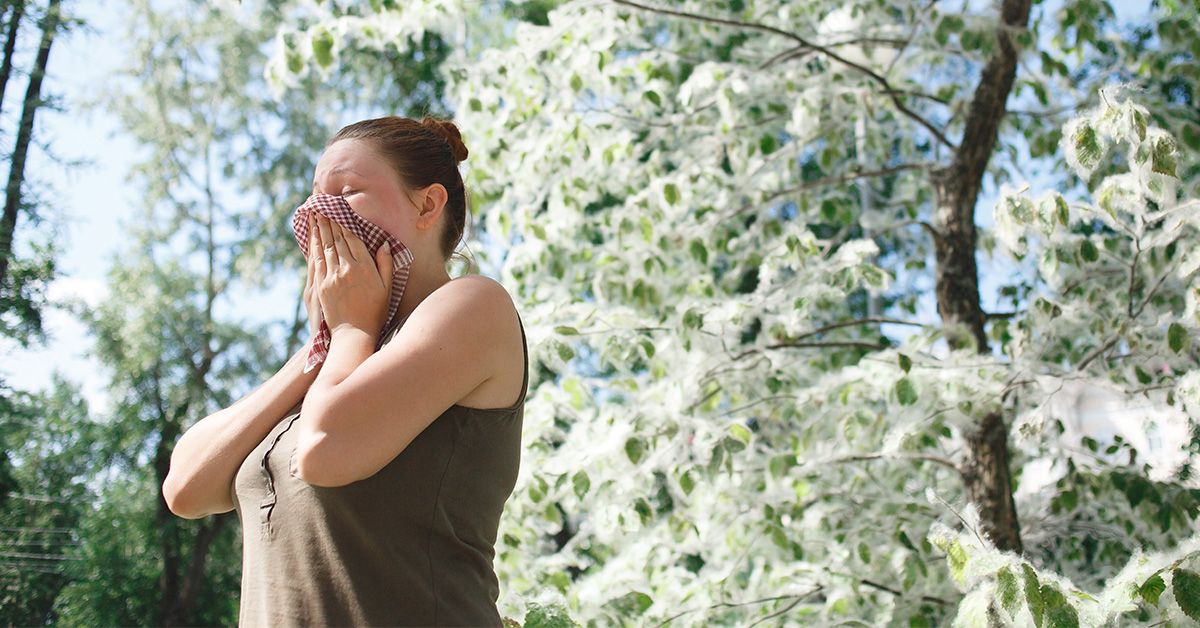
Unlike allergy sneezing, photic sneezing is not caused by pollen, dust, pet dander, perfume, pepper, or your neighbor’s mysterious garage project. It is usually triggered by a sudden change in light intensity. The classic example is stepping from a dim indoor space into bright outdoor sunlight. Some people sneeze once. Others sneeze two, three, or several times in a row, as if their nose has just received urgent breaking news.
How Common Is Sun Sneezing?
Scientists have not settled on one perfect number, partly because many people never report it and partly because sneezing is not exactly the easiest thing to study in a lab without everyone looking mildly embarrassed. Research estimates vary, but many sources place the photic sneeze reflex somewhere around 10% to 35% of the population. In other words, it is unusual enough to feel weird, but common enough that you are not a medical unicorn.
Some studies suggest it may be more common in certain groups, and older reports have found differences by sex and ancestry. However, those findings are not the final word. Modern genetics research suggests the trait is more complicated than a simple “one gene equals one sneeze” situation.
What Causes the Photic Sneeze Reflex?
The short answer: bright light appears to confuse or overexcite nerve pathways involved in vision and sneezing. The longer answer is more interesting and slightly more chaotic, like the nervous system misrouting a text message.
The Optic Nerve and Trigeminal Nerve Theory
The most popular explanation involves the optic nerve, which carries light signals from the eye to the brain, and the trigeminal nerve, which helps control facial sensation and participates in the sneeze reflex. These nerves are close neighbors in the nervous system. When a person suddenly sees bright light, the optic nerve sends a strong signal. In people with photic sneeze reflex, that signal may accidentally stimulate pathways linked to the trigeminal nerve.
A normal sneeze usually begins when something irritates the nose. The trigeminal nerve helps detect that irritation and triggers the sneeze reflex to clear the nasal passages. With sun sneezing, the nose may not be irritated at all. Instead, the body seems to treat a sudden burst of light as if it were a nasal invader. Your eyes say, “Wow, that is bright,” and your nose replies, “I’ll handle this.” It is not efficient, but it is memorable.
Parasympathetic Nervous System Cross-Talk
Another theory involves the parasympathetic nervous system, which manages many automatic body functions. Bright light causes pupils to constrict. That reaction is normal. In some people, the signals involved in pupil constriction may spill over into nearby reflex circuits, including those involved in nasal secretions and sneezing.
This does not mean anything is “wrong” with the person. It simply means the reflex wiring may be unusually sensitive. Think of it as living in an apartment building where one doorbell makes three neighbors answer.
Visual Cortex Sensitivity
Brain studies have also explored whether people with photic sneezing have a stronger response to visual stimulation. Some research suggests that the visual processing areas of the brain may be more reactive in people who sneeze from bright light. This could help explain why the trigger is not just light itself, but sudden, intense light after a darker environment.
Is the Photic Sneeze Reflex Genetic?
Yes, genetics appears to play a meaningful role. The photic sneeze reflex often runs in families and has historically been described as an autosomal dominant trait. That means a person may inherit the tendency if one parent has it. However, newer genetic research suggests the story is more complex than a single switch being flipped.
Genome-wide association research has identified multiple genetic markers linked with photic sneezing. Consumer genetics companies and academic researchers have also reported that many DNA regions may contribute to the trait. So while family history matters, it is probably not as simple as “Dad sneezes in the sun, therefore you absolutely will.” Biology prefers plot twists.
If your parent, sibling, or child sneezes after stepping into sunlight, your own sun sneezing may not be a coincidence. Families pass down eye color, hair texture, dimples, and occasionally the ability to sneeze at a cloudless sky like it personally offended them.
Common Triggers of Photic Sneezing
Although sunlight is the most famous trigger, the photic sneeze reflex can happen with other sudden bright-light exposures. Common triggers include:
- Stepping outdoors from a dark room into bright sunlight
- Opening curtains first thing in the morning
- Looking toward a bright sky after being indoors
- Camera flashes or strong photography lighting
- Bright examination lights at an eye doctor or dentist
- Reflective glare from snow, water, glass, or car windshields
- Sudden exposure to surgical or clinical lights
The key word is sudden. Gradual exposure to light may be less likely to trigger sneezing than a fast transition from dim to bright conditions.
Symptoms: What Does Photic Sneeze Reflex Feel Like?
The main symptom is sneezing after sudden bright light exposure. Some people also notice a prickling, tickling, or building sensation in the nose just before the sneeze. The sneeze may happen within seconds, although timing varies from person to person.
Typical signs include:
- One or more sneezes shortly after seeing bright light
- A nasal tickle without obvious allergy or infection
- Repeating episodes in similar light conditions
- No fever, congestion, sore throat, or illness symptoms
- No clear irritant such as smoke, dust, or pollen
Some people sneeze only once and move on with their day. Others experience a short burst of repeated sneezes. Either pattern can fit photic sneeze reflex if the trigger is sudden bright light.
Is Photic Sneeze Reflex Dangerous?
For most people, the photic sneeze reflex is harmless. It is not considered a disease, and it usually does not require medical treatment. It is more of a quirky reflex than a health emergency. That said, timing matters.
Sneezing can briefly close the eyes, jerk the head, interrupt breathing, and distract attention. That can be risky in certain situations, including driving, cycling, skiing, climbing, operating machinery, flying, or performing surgery. A sneeze while walking to the mailbox is annoying. A sneeze while merging onto a highway into bright afternoon glare is a different little opera.
People who know they have this reflex should take it seriously in safety-sensitive settings. The goal is not to panic. The goal is to reduce surprise.
Diagnosis: How Do Doctors Identify It?
There is no standard blood test, scan, or sneeze-o-meter for photic sneeze reflex. Diagnosis is usually based on a person’s history. A clinician may ask when the sneezing happens, whether bright light is the trigger, whether symptoms occur during colds or allergy seasons, and whether family members have the same reaction.
A simple pattern is often enough: if you repeatedly sneeze after sudden bright light exposure, especially after moving from darkness into sunlight, photic sneeze reflex is likely. However, if sneezing is new, severe, constant, one-sided, associated with nasal bleeding, linked with headaches, or accompanied by other symptoms, it is worth checking for other causes.
Photic Sneeze Reflex vs. Allergies
Photic sneeze reflex and allergies can look similar because both involve sneezing, but the triggers and patterns are different.
Allergy Sneezing
Allergy sneezing is usually caused by the immune system reacting to allergens. Common clues include itchy eyes, runny nose, congestion, postnasal drip, and symptoms that appear around pollen, pets, mold, or dust. Allergy symptoms may last hours, days, or entire seasons.
Photic Sneezing
Photic sneezing is usually quick, predictable, and tied to sudden bright light. It does not require nasal inflammation or an allergen. It may happen even when your nose is perfectly clear and your immune system is minding its own business.
Of course, a person can have both. You can be allergic to pollen and also sneeze at sunlight, because apparently the body enjoys multitasking.
Treatment: Can You Cure the Photic Sneeze Reflex?
There is no proven cure for photic sneeze reflex. There is also no routine medication that reliably stops it. Because it is a reflex rather than an infection or allergy, antibiotics, cold medicine, and antihistamines usually do not address the root cause unless another condition is also present.
The good news is that many people manage it well with simple light-control strategies. Treatment is really about prevention, awareness, and reducing sudden exposure.
Wear Sunglasses Before Going Outside
Sunglasses are one of the easiest tools. Put them on before stepping into bright light, not after the first sneeze has already launched. Dark, UV-protective lenses can reduce the intensity of sudden light stimulation. Polarized sunglasses may also help with glare from roads, snow, water, and glass.
Use Hats, Visors, and Shade
A wide-brimmed hat or baseball cap can soften the transition into sunlight. Car sun visors can reduce direct glare while driving. When possible, pause in a shaded doorway for a few seconds before walking into full sunlight. This gives your eyes and nervous system a more polite introduction to the day.
Avoid Looking Directly Toward Bright Light
No one should stare at the sun, with or without photic sneeze reflex. But people with this reflex may benefit from looking slightly downward or away while leaving a dark space. Let your eyes adjust before glancing toward the sky, reflective pavement, or a bright horizon.
Plan for Driving Glare
If sun sneezing happens while driving, take it seriously. Keep sunglasses accessible, clean the windshield to reduce glare, use the visor, and be extra careful during sunrise and sunset when light hits at sharp angles. If you know a sneeze is coming, maintain distance from other vehicles and avoid sudden maneuvers.
Tell Your Eye Doctor, Dentist, or Surgeon
Bright clinical lights can trigger sneezing in sensitive people. This matters during eye exams, dental procedures, and surgeries. Tell your clinician if you have photic sneeze reflex. They may adjust lighting, warn you before exposure, allow pauses, or take precautions during procedures where sudden movement could be a problem.
When Should You See a Doctor?
Most people do not need medical care for ordinary sun sneezing. Still, make an appointment if sneezing is frequent without a clear light trigger, disrupts daily life, or comes with other symptoms. See a clinician sooner if you have facial pain, fever, thick nasal discharge, nosebleeds, severe headaches, vision changes, fainting, wheezing, or trouble breathing.
New sneezing patterns deserve attention. A lifelong “I sneeze when I step into sunlight” pattern is usually benign. A sudden change in sneezing combined with neurological, respiratory, or eye symptoms should not be dismissed as just a funny reflex.
Why Scientists Still Care About This Weird Reflex
The photic sneeze reflex is funny, but it is also scientifically useful. It gives researchers a window into how sensory systems interact. Vision, facial sensation, nasal reflexes, autonomic responses, and brainstem circuits may all be involved. Studying why bright light can trigger sneezing may help scientists understand broader questions about nerve communication and reflex control.
It is also a reminder that the human body is not a perfectly organized machine. It is more like an old house with excellent bones, strange wiring, and one light switch that somehow turns on the blender. Most of the time, it works beautifully. Occasionally, sunlight makes you sneeze.
Everyday Examples of Photic Sneeze Reflex
Imagine leaving a dark conference room after a long meeting. You step outside, the afternoon sun hits your face, and you sneeze twice before your coworker finishes saying, “Nice weather.” That is a classic photic sneeze moment.
Or picture someone opening the front door on a snowy morning. The air is cold, the ground is bright, and the reflected light is intense. A sneeze follows almost instantly. It may feel like the cold caused it, but the sudden brightness could be the true trigger.
Another common scene happens in the car. A driver exits a shaded parking garage into bright traffic glare. If that driver has photic sneeze reflex, sneezing could happen at the worst possible time. This is why prevention matters, even for a condition that is usually harmless.
Experience-Based Tips for Living With Photic Sneeze Reflex
People who live with photic sneeze reflex often become very good at predicting when it will happen. They learn that the sneeze is not random. It has a schedule, a mood, and a flair for dramatic entrances. The most common experience is the “dark-to-bright ambush”: leaving a movie theater, parking garage, office building, bedroom, or airplane cabin and immediately meeting a wall of sunlight.
One practical habit is to treat bright light transitions the way you would treat hot coffee: give them a second before full contact. Instead of stepping outside and looking straight ahead into sunlight, pause near the doorway, put on sunglasses, lower your gaze, and let your pupils adjust. This tiny pause can reduce the sudden sensory shock that often starts the sneeze. It may feel overly careful at first, but after the third public sneeze attack outside a grocery store, dignity becomes a powerful teacher.
Drivers often develop their own routines. Some keep sunglasses in the same easy-to-reach spot, never buried under receipts, gum wrappers, or the mysterious cable that fits no known device. Others lower the visor before leaving a tunnel or shaded garage. The goal is to prevent the bright-light surprise. When a sneeze does happen while driving, the safest response is to avoid panic, keep both hands steady, maintain lane position, and create extra following distance whenever possible. People who sneeze in bright light should be especially cautious during sunrise, sunset, snowy days, and after rain, when roads and windshields can create intense glare.
Outdoor workers, runners, hikers, and cyclists may notice that sun sneezing is worse when they start activity from a shaded area. A runner leaving a tree-covered trail into an open field may sneeze. A cyclist turning from a shaded street onto a bright road may sneeze. A hiker emerging above the tree line may sneeze. These are not character flaws. They are lighting design issues created by nature, which, admittedly, has never attended a workplace safety seminar.
Some people use the reflex intentionally when they feel a sneeze “stuck.” They look toward a bright area, not directly at the sun, and the sneeze finally happens. This may be satisfying, but it should be done carefully. Looking directly at the sun can harm the eyes, and there are safer ways to encourage a sneeze, such as moving into brighter ambient light or glancing toward a bright wall or sky away from the sun’s disk.
In family life, the photic sneeze reflex often becomes a running joke. A parent sneezes every time the curtains open, then one day a child does the same thing, and suddenly genetics has entered the breakfast table conversation. These shared patterns can be funny, but they can also be useful. If several family members have the reflex, everyone can normalize simple precautions: sunglasses by the door, hats for bright outings, and extra care when light conditions change quickly.
The biggest lesson from everyday experience is that photic sneeze reflex is usually manageable once you know your triggers. You do not need to fear sunlight, live in a cave, or introduce yourself at parties as “a person with ACHOO syndrome,” unless you enjoy watching people process acronyms in real time. You simply need awareness. Bright light is the cue. Sunglasses, shade, slower transitions, and situational caution are the tools. With those habits, most people can keep the reflex in the category where it belongs: strange, mildly inconvenient, and scientifically fascinating.
Final Thoughts
The photic sneeze reflex is a real, inherited, light-triggered sneezing response that scientists are still working to fully explain. It is probably caused by cross-talk among visual pathways, trigeminal nerve circuits, autonomic responses, and brain processing. It is usually harmless, but it can matter in high-risk moments such as driving, clinical procedures, or work around machinery.
There is no established cure, but most people can reduce episodes by managing sudden bright-light exposure. Sunglasses, hats, visors, shade, and simple awareness can make a big difference. If your nose treats sunlight like a personal challenge, you are not alone. You may simply be part of the sun-sneezing club: surprising membership, no dues, occasional public sound effects.