Some people discover Japanese bath towels the way others discover espresso machines: one innocent purchase, and suddenly every ordinary towel in the house looks like it has given up on life. Japanese bath towels are not usually the loudest towels in the linen closet. They do not always arrive as giant fluffy clouds. They are often slimmer, smarter, faster-drying, and suspiciously good at making a bathroom feel calmer without hiring an interior designer named Luca.
The appeal comes from a very Japanese balance of function, texture, and restraint. A good Japanese bath towel is designed to absorb quickly, dry efficiently, feel gentle on the skin, and avoid taking over your bathroom like a damp cotton mattress. Many of the best-known examples come from Imabari, a historic towel-making region in Ehime Prefecture, Japan, where towel quality is treated with the seriousness most of us reserve for passwords and coffee orders.
This guide explores five favorite types of Japanese bath towels worth knowing: Imabari terry towels, lightweight gauze towels, waffle-weave towels, cotton-linen blends, and compact everyday bath towels. Instead of simply chasing the fluffiest option, we will look at what each style does best, who it suits, and how to choose a towel that makes your post-shower routine feel less like laundry management and more like a small domestic upgrade.
Why Japanese Bath Towels Have a Cult Following
Japanese bath towels are popular because they solve a problem many Western towels accidentally create: they feel luxurious in the store, then become heavy, slow-drying, musty, and mildly dramatic after a few months. Oversized towels can be cozy, yes, but they also demand more washer space, more dryer time, and more patience than a group project.
Japanese towels often take a different approach. They tend to prioritize performance over bulk. That means careful cotton selection, thoughtful weaving, quick water absorption, and a texture that improves with regular use. Many are made from long-staple cotton, organic cotton, or finely spun yarns that create softness without unnecessary weight. Some use gauze layers for breathability. Others use waffle pockets to increase surface area and speed up drying.
The result is a towel that works beautifully in real life. It dries your skin without feeling scratchy. It hangs neatly. It dries faster between uses. It looks good without screaming, “I was purchased during a hotel spa phase.” And in a humid bathroom, that quick-dry behavior is not just a luxury; it is a survival skill.
What Makes Imabari Towels Special?
Imabari towels are often considered the gold standard of Japanese bath towels. The region has a long history of towel production, supported by soft water and a deep culture of textile craftsmanship. But the real magic is not just geography. It is quality control.
Authentic Imabari-branded towels must pass strict standards before they can carry the official mark. One famous benchmark is the five-second absorbency test, where a piece of towel must sink quickly after being placed on water. In normal human language, this means the towel should start absorbing water almost immediately instead of pushing it around your body like a tiny mop with commitment issues.
That focus on absorbency explains why Imabari towels can feel lighter than a thick hotel towel yet still perform extremely well. They do not need to be oversized or overly dense to feel premium. Many are soft, balanced, breathable, and elegant, making them ideal for people who want comfort without the bulk.
5 Favorites: Japanese Bath Towels Worth Knowing
1. Imabari Terry Bath Towels: The Classic Favorite
If you are new to Japanese bath towels, an Imabari terry towel is the safest place to start. Terry cloth is the looped fabric most people associate with bath towels, but Japanese terry often feels more refined than the thick, fluffy towels commonly found in big-box stores. It absorbs quickly, feels soft against the skin, and usually dries faster than its chunkier Western cousins.
The best Imabari terry towels are excellent for daily showers, guest bathrooms, and anyone who wants a familiar towel experience with better engineering. They are especially good for people who dislike ultra-thin towels but do not want something so heavy it could double as a weighted blanket.
Look for towels made with long-staple cotton or extra-long-staple cotton, because longer fibers generally create smoother, stronger yarn. A well-made terry towel should feel plush but not limp, absorbent but not soggy, and substantial without becoming a laundry-room diva.
Best for: everyday comfort, first-time buyers, guest bathrooms, and anyone who wants soft absorbency with a classic feel.
2. Japanese Gauze Bath Towels: The Lightweight Genius
Japanese gauze towels are the quiet overachievers of the towel world. They may look almost too light at first, especially if you are used to towels thick enough to survive a snowstorm. But once you use one, the logic becomes obvious. Gauze towels are breathable, quick-drying, easy to fold, and surprisingly absorbent.
Many gauze towels use multiple thin layers of cotton gauze. The layered structure gives them softness and absorbency while keeping the towel airy. They are especially useful in warm climates, small apartments, dorm bathrooms, gym bags, travel kits, and homes where towels need to dry quickly between uses.
Another reason people love gauze towels is that they often become softer after washing. Instead of getting stiff and grumpy, the fabric relaxes. It develops a lived-in texture that feels personal, almost like your towel has learned your schedule and decided to be supportive.
Gauze towels are not for everyone. If your dream towel is thick, plush, and spa-like, gauze may feel too minimal. But if you value fast drying, easy storage, and a clean Japanese aesthetic, this style is a practical favorite.
Best for: humid bathrooms, travel, hot weather, kids, gym use, and minimal linen closets.
3. Japanese Waffle Towels: The Quick-Dry Favorite
Waffle towels have a textured grid pattern that looks crisp, modern, and slightly edible. Please do not eat the towel. The waffle weave creates little pockets that increase surface area, helping the towel absorb moisture while drying faster than many traditional terry towels.
Japanese waffle bath towels, especially those inspired by Imabari weaving traditions, are popular with people who want a towel that feels refined but not bulky. They often have a spa-like appearance, hang beautifully, and take up less shelf space than dense terry. They also pair well with minimalist bathrooms, natural wood accents, stone sinks, and the kind of bathroom tray that makes you feel like you have your life together.
The texture can feel gently exfoliating without being rough. That makes waffle towels a good middle ground between smooth gauze and plush terry. They are particularly useful in apartments or bathrooms where ventilation is less than perfect. A towel that dries faster is less likely to develop that mysterious damp smell that makes everyone blame the washing machine.
One thing to remember: waffle towels can shrink or tighten slightly after washing, depending on the weave and care instructions. That is not always bad. In many cases, washing enhances the waffle texture. Still, it is smart to follow the care label and avoid high heat when possible.
Best for: quick drying, modern bathrooms, humid spaces, small shelves, and people who dislike bulky towels.
4. Kontex-Style Cotton and Cotton-Linen Towels: The Design Lover’s Favorite
Kontex is one of the best-known Japanese towel names among design-focused shoppers. The brand is associated with Imabari towel-making and is loved for soft textures, restrained colors, and fabrics that feel thoughtful rather than flashy. Many Kontex towels use fine cotton yarns, gauze layers, terry textures, or cotton-linen blends to create towels that look as good as they feel.
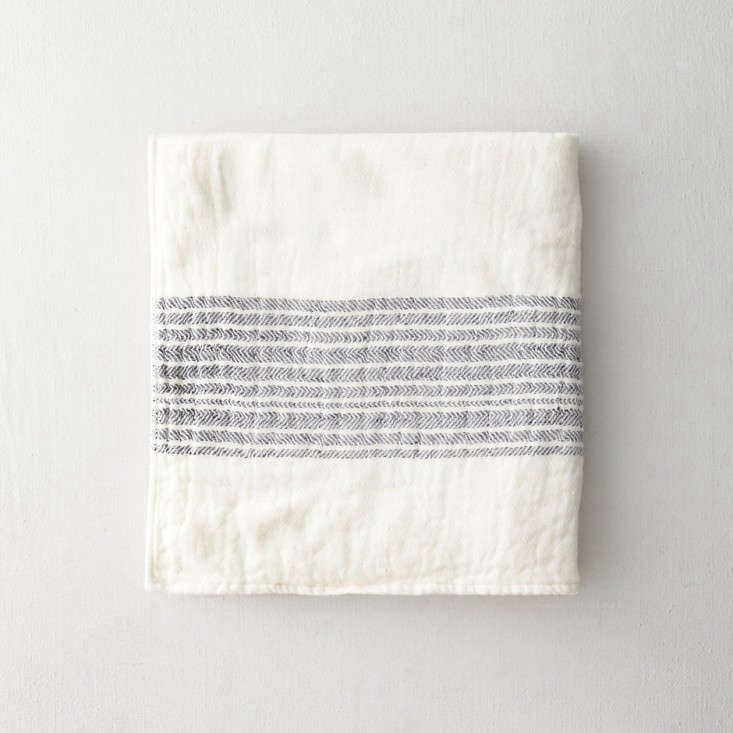
A cotton-linen Japanese towel is especially interesting because linen adds a subtle dry hand and a natural texture. The towel may not feel as plush as full terry, but it can feel elegant, breathable, and wonderfully unfussy. Think of it as the towel equivalent of a perfectly wrinkled linen shirt: relaxed, refined, and somehow better when it is not trying too hard.
These towels are ideal for people who care about bathroom design as much as towel performance. Colors often lean neutral or earthy: gray, ivory, almond, navy, charcoal, muted blue, or soft brown. They fit easily into modern, rustic, Scandinavian, Japandi, and minimalist interiors.
If you want your towel to feel like part of the room rather than just something hanging from a hook, this is the category to explore. It is also a smart option for gifting because the towels feel special without being too personal. Unlike perfume, nobody has to pretend politely.
Best for: design lovers, gifting, neutral bathrooms, natural textures, and elevated everyday use.
5. Small Japanese Bath Towels: The Practical Favorite
One surprise for many American shoppers is that Japanese bath towels are sometimes smaller than standard U.S. bath towels. At first, this can feel like a downgrade. Then you use one for a week and realize the smaller size has a point. It is easier to wash, faster to dry, lighter to hang, and less likely to dominate your laundry basket like a cotton sea creature.
Small bath towels are common in Japan because bathrooms, laundry spaces, and storage areas are often more compact. But the idea translates beautifully anywhere. A slightly smaller towel can still dry the body effectively if the fabric is absorbent. For many people, it is more practical than a huge towel that stays damp for half the day.
This category is perfect for people who shower daily, do frequent laundry, live in apartments, use shared bathrooms, or want towels for kids and teens. It is also helpful for anyone trying to reduce dryer time or avoid overstuffed linen closets.
If you love wrapping yourself like a burrito after a shower, you may still want a larger bath sheet. But for daily drying, a smaller Japanese towel can be refreshingly efficient. It says, “I am here to do the job,” not “I require my own shelf and emotional support.”
Best for: apartments, kids, frequent laundry, compact storage, gym bags, and everyday practicality.
How to Choose the Best Japanese Bath Towel
Start with Your Bathroom Climate
If your bathroom stays humid, choose gauze or waffle. These styles dry faster and are easier to keep fresh. If your bathroom has strong ventilation and you love softness, terry or premium cotton styles may be more satisfying.
Think About Texture
Texture is personal. Terry feels familiar and plush. Gauze feels soft, light, and breathable. Waffle feels textured and modern. Cotton-linen feels natural and slightly crisp. There is no universal “best” towel, only the best towel for your skin, your space, and your tolerance for laundry drama.
Check the Cotton Quality
Long-staple and extra-long-staple cotton are usually good signs. These fibers help create smoother yarns, better durability, and a softer feel. Organic cotton can also be appealing if you prefer natural materials and simpler fabric choices.
Look at Size Before Buying
Japanese bath towels may be smaller than American bath sheets. Always check measurements. A towel around 24 by 47 inches may work well for efficient daily drying, while larger towels closer to American bath towel sizing may be better if you like more coverage.
Avoid Judging by Fluff Alone
Fluff is fun, but it is not everything. A towel can be thick and still perform poorly if it does not absorb quickly or dry well. Japanese towels often prove that smart construction beats brute-force puffiness.
Care Tips for Japanese Bath Towels
A high-quality Japanese bath towel does not need complicated care, but it does appreciate basic manners. Wash before first use to remove finishing residue and help the fibers open up. Use a mild detergent and avoid using too much. Excess detergent can build up in fibers and make towels feel stiff or less absorbent.
Fabric softener sounds helpful, but it can reduce absorbency by coating the fibers. For many towels, especially gauze and waffle styles, skipping softener is the better move. If the towel starts feeling stiff, try washing it with less detergent and giving it a thorough rinse.
Drying matters too. High heat can stress fibers and increase shrinkage. Air drying is gentle, while low tumble drying can help restore softness. Shake towels before hanging them so loops and textures open up. And do not leave wet towels in a heap unless you are intentionally auditioning for a mildew documentary.
Japanese Bath Towels vs. Turkish Towels vs. Standard Cotton Towels
Turkish towels are often known for long-staple cotton, smooth textures, and a balance of softness and absorbency. Standard American cotton towels often emphasize plushness and size. Japanese bath towels, by contrast, frequently focus on efficiency, quick absorption, and thoughtful weaving.
That does not mean one country wins the towel Olympics. Turkish towels can be wonderful. A thick American hotel towel can feel amazing after a winter shower. But Japanese towels are especially appealing if you value fast drying, compact storage, and a refined texture that does not rely on bulk.
For a small bathroom, choose Japanese gauze or waffle. For a spa-like master bath, choose Imabari terry. For travel, choose gauze. For design impact, choose Kontex-style cotton-linen or muted waffle. For kids, choose smaller bath towels that wash easily and dry quickly.
Best Uses for Japanese Bath Towels Around the Home
Japanese bath towels are not limited to post-shower duty. A gauze towel can become a beach bag essential because it is light and dries quickly. A waffle towel can work beautifully as a guest towel because it looks polished without feeling formal. A cotton-linen towel can double as a small throw in a pinch. A compact bath towel can be used after workouts, swimming, or hair washing.
They are also excellent for people trying to simplify. Instead of owning a mountain of bulky towels, you can own fewer towels that wash and dry efficiently. This is especially useful in apartments, shared homes, college dorms, and households where the laundry basket seems to reproduce overnight.
of Real-Life Experience: Living with Japanese Bath Towels
The first thing you notice when switching to Japanese bath towels is that they do not behave like the giant fluffy towels many of us grew up with. At first, that can be confusing. You pick up a gauze or waffle towel and think, “Is this enough towel?” Then you use it after a shower and realize the answer is yes, absolutely, and it would like an apology.
In daily life, the biggest benefit is drying speed. A thick towel may feel wonderful for two minutes, but if it is still damp the next morning, the romance fades quickly. Japanese towels, especially gauze and waffle styles, tend to dry faster on a hook or bar. That means the bathroom smells fresher, the towel feels cleaner between washes, and you do not have to play the unpleasant game called “Is this towel dry or just cold?”
Another experience worth mentioning is storage. A set of bulky bath sheets can fill an entire shelf. Japanese towels are often slimmer, so they fold neatly and leave room for other things, such as skincare, extra toilet paper, or the mysterious collection of hotel soaps nobody admits to keeping. In a small bathroom or apartment, that difference matters.
The feel is also different. An Imabari terry towel gives you softness and absorbency without excessive heaviness. A gauze towel feels airy and casual, almost like a favorite cotton shirt. A waffle towel has a textured grip that feels clean and refreshing. Cotton-linen towels can feel slightly crisp at first, then soften with use. These are not one-note towels. They each have a personality, but thankfully none of them want to discuss politics at dinner.
Japanese towels also change how you think about towel size. Many people assume bigger is better until they live with a smaller towel that dries quickly, washes easily, and still does the job. For everyday showers, a compact towel can be more convenient than a giant one. It is lighter on the body, lighter in the laundry, and easier to hang properly.
Guests tend to notice them too. A muted waffle towel or soft Imabari towel makes a bathroom feel more intentional. It is a small detail, but small details are often what make a home feel cared for. You do not need marble floors or a rainfall shower. Sometimes you just need a towel that does not smell like yesterday’s bad decisions.
The only adjustment is care. These towels reward gentle washing. Skip heavy fabric softener, avoid overloading the machine, and give them room to dry. Treat them well and they become better over time. The best Japanese bath towels are not just pretty bathroom accessories. They are everyday tools designed with intelligence, restraint, and comfort in mind. After a few weeks, the old heavy towels may start looking less like luxury and more like laundry with ambition.
Final Thoughts on Japanese Bath Towels
Japanese bath towels prove that luxury does not always mean bigger, thicker, or louder. Sometimes it means a towel that absorbs quickly, dries before it turns moody, folds neatly, and feels good every single day. Whether you choose classic Imabari terry, breathable gauze, modern waffle weave, design-forward cotton-linen, or a compact everyday towel, the best choice is the one that fits your routine.
For most people, the ideal starting point is one Imabari-style terry towel and one gauze or waffle towel. Use both for a week. Notice which one you reach for first. Your bathroom will tell you the truth. So will your laundry basket, which may finally stop looking personally offended.
Note: Product names, sizes, colors, and availability can change. Before publishing product-specific recommendations, verify current details from the retailer or manufacturer.