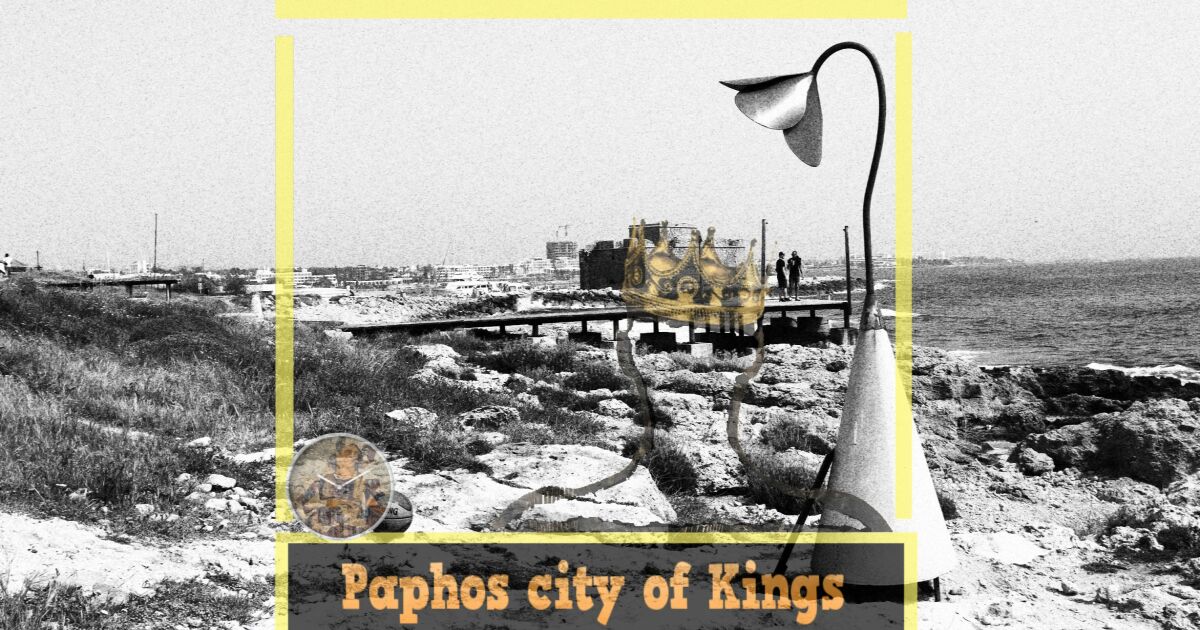
There are cities that introduce themselves with traffic, towers, and espresso machines working overtime. Then there is Paphos, Cyprus, which greets you with sun-bleached stone, sea foam, ancient tombs, Roman mosaics, and the kind of Mediterranean light that makes even your water bottle look mythological. Welcome to Paphos City Of Kings: The White Edition a travel story wrapped in limestone, salt air, history, and that bright Cypriot glow that seems to polish every wall, column, and wave.
Paphos is not called a city of kings because a parade of crowned monarchs took afternoon naps there. In fact, the famous Tombs of the Kings were mostly built for aristocrats and high officials, not actual kings. History, as usual, enjoys a dramatic title. But once you step inside the rock-cut courtyards, Doric-style columns, and underground chambers, the name suddenly feels right. The place has royal confidence. It does not need a throne; it has the whole Mediterranean as a backdrop.
This “White Edition” is not about turning Paphos into a minimalist furniture catalog. It is about seeing the city through its brightest elements: pale stone, whitewashed lanes, marble-like sunlight, foamy waves near Aphrodite’s Rock, and the chalky glow of ruins that have survived empires, earthquakes, tourists in sandals, and probably at least one historically confused selfie stick.
Why Paphos Feels Like a City Built From Sunlight
Paphos sits on the southwest coast of Cyprus, where the eastern Mediterranean seems to have signed a long-term lease with sunshine. The city blends beach-town ease with archaeological weight. One minute you are walking beside a harbor lined with restaurants; the next, you are looking at ruins that connect to ancient Greek religion, Roman luxury, Byzantine defense, and medieval trade.
The white mood begins with the landscape. Limestone, pale dust, bleached paths, sunlit columns, and bright stone walls give Paphos a visual identity that feels clean without being sterile. It is not polished like a showroom. It is textured, weathered, salty, and human. The city wears white the way an old sailor wears linen: casually, confidently, and with excellent stories.
For travelers searching for things to do in Paphos, the city offers an unusually rich mix: UNESCO-listed archaeology, beaches, coastal walks, mythological sites, Old Town cafés, castle views, local wine, and easy day trips into wilder western Cyprus. It is a destination for people who want both ruins and room service, both mythology and meze, both a history lesson and a sunset that makes everyone suddenly philosophical.
The Tombs of the Kings: Paphos’ Grand White Theater of Silence
The Tombs of the Kings in Paphos are among the most unforgettable ancient sites in Cyprus. Carved into solid rock, many of these underground tombs date to the Hellenistic and Roman periods. Their scale is the first surprise. From the road, you may expect a few holes in the ground and a plaque doing its best. Instead, you find an open, sun-washed necropolis where stairways lead into courtyards, chambers, pillars, and shadowed spaces designed to imitate houses for the dead.
The second surprise is the name. No confirmed kings were buried here. The “royal” label comes from the dignity and size of the tombs. High-ranking officials and wealthy residents were likely laid to rest in these monumental structures. In a way, that makes the place even more interesting. It shows how power, identity, and memory were staged in ancient Paphos. Death was not hidden away; it was given architecture.
Visit early in the morning or later in the afternoon, when the white stone softens under angled light. At midday, the site can feel like the sun has accepted a dare. Bring water, a hat, and comfortable shoes. The Tombs of the Kings are not a museum you stroll through politely while whispering. They are a landscape you explore, step by step, with dust on your shoes and awe slowly sneaking up on you.
What Makes the Tombs So Photogenic?
The “White Edition” reaches full strength here. Pale columns rise from open courtyards. Cut-stone walls glow against deep blue sky. Shadows collect inside chambers like ink. Every angle feels cinematic, but not fake. The beauty is archaeological, not decorative. These spaces were built with purpose, ritual, and status in mind; today, they offer one of the most atmospheric photography experiences in Paphos.
Kato Paphos Archaeological Park: Where Mosaics Refuse to Age
If the Tombs of the Kings are Paphos in stone, Kato Paphos Archaeological Park is Paphos in color. This UNESCO-listed area contains remains of villas, theatres, fortresses, tombs, and public spaces that reveal the city’s importance across centuries. The biggest stars are the Roman mosaics, especially those in the Houses of Dionysos, Theseus, Aion, and Orpheus.
The mosaics are astonishing because they are both delicate and durable. Tiny pieces of stone form scenes from Greek mythology: gods, heroes, animals, hunting scenes, seasonal symbols, and dramatic episodes that look like ancient graphic novels with better flooring. The House of Dionysos alone contains hundreds of square meters of mosaic decoration. Imagine inviting friends over and saying, “Please wipe your sandals before stepping on my mythological masterpiece.”
For SEO travelers searching Paphos archaeological sites, this park is essential. It provides context for the whole city. Paphos was not simply a pretty coastal stop; it was a major cultural and religious center. The archaeological park shows how wealth, art, religion, and Roman lifestyle came together in a place that still feels alive under the Mediterranean sky.
Paphos Castle: Small Fortress, Big Attitude
At the edge of the harbor stands Paphos Castle, compact but memorable. Originally linked to Byzantine harbor defense, later rebuilt by the Lusignans, dismantled by the Venetians, and restored by the Ottomans, the castle is basically a stone résumé of Cyprus’ layered history. It is not enormous, but it has excellent posture.
The castle’s pale walls and simple mass look especially striking at sunset, when the harbor glows and the sea turns reflective. It anchors the waterfront visually and historically. Around it, visitors stroll, boats rock gently, restaurants prepare seafood, and cats perform their ancient duty of supervising civilization.
Paphos Castle is a useful reminder that this city is not one story. It is Greek, Roman, Byzantine, Lusignan, Venetian, Ottoman, British-influenced, Cypriot, Mediterranean, and modern all at once. That complexity is part of its charm. Paphos does not flatten history into a brochure. It layers it, like a very old, very photogenic cake.
Aphrodite’s Rock: White Foam, Blue Sea, and One Very Famous Birth Story
No article about Paphos should ignore Petra tou Romiou, widely known as Aphrodite’s Rock. According to legend, Aphrodite, goddess of love and beauty, rose from the sea foam near this dramatic coastal formation. Whether you take mythology literally or simply enjoy a good origin story with waves, the place is powerful.
The “White Edition” theme finds its mythological symbol here: sea foam against dark rock, pale pebbles underfoot, and light flashing across the water. The beach is not a soft-sand lounging zone in the typical resort sense. It is more elemental. Waves, stones, wind, legend. It feels less like a beach club and more like a stage where the sea still remembers its lines.
Travelers often stop at Aphrodite’s Rock on the route between Paphos and Limassol. Go near golden hour if possible. The light becomes gentler, the rocks look sculptural, and the sea performs its usual magic trick: making everyone suddenly quiet.
Old Town Paphos: White Walls, Markets, Cafés, and Local Rhythm
Beyond the archaeological zone and waterfront, Old Town Paphos, also known as Ktima, gives the city a more lived-in personality. Here, narrow streets, restored buildings, shops, galleries, cafés, and public squares create a slower urban rhythm. It is the kind of place where you plan to “just walk around for twenty minutes” and then somehow emerge two hours later holding handmade soap, a pastry, and opinions about balcony railings.
The white theme appears in sunlit façades, shaded lanes, pale stone steps, and the crisp contrast between old architecture and bright bougainvillea. This is where Paphos feels less like a site and more like a city. People work, shop, drink coffee, talk loudly in the best Mediterranean tradition, and continue the daily business of making history feel ordinary.
Beaches and Coastal Walks: The Softer Side of the City of Kings
Paphos is not only for archaeology lovers who whisper respectfully at ruins. It is also a coastal destination with beaches, promenades, swimming spots, and nearby natural escapes. Coral Bay, north of the city, is one of the area’s best-known beach zones, while the Paphos coastal path offers an easy way to enjoy sea views without committing to a full expedition.
The coastline is where the city relaxes. The white stone gives way to bright surf, beach towels, fishing boats, and sunlight bouncing off the water. After a morning at the Tombs of the Kings, a slow seaside lunch feels not just pleasant but historically necessary. Ancient aristocrats may have had underground courtyards, but did they have grilled halloumi by the sea? We must not judge, but we may wonder.
Food, Wine, and the Delicious Logic of Cyprus
A Paphos travel guide would be incomplete without food. Cypriot cuisine brings together Greek, Levantine, Turkish, and local island influences. Expect grilled meats, fresh fish, olives, dips, village bread, salads, herbs, citrus, honey, and cheese that has clearly chosen joy as a lifestyle. Halloumi is the celebrity, but do not ignore souvlaki, sheftalia, kleftiko, loukoumades, and proper meze.
The Paphos region is also close to wine villages and inland landscapes where Cyprus’ long winemaking tradition continues. A day trip from the coast into the hills can add another layer to the journey: cooler air, stone villages, vineyards, and tavernas where the food arrives in waves. Meze is not a meal; it is a negotiation between appetite and optimism.
How to Experience Paphos “The White Edition”
To experience Paphos City Of Kings: The White Edition, think in contrasts. Start with pale morning ruins at the Tombs of the Kings. Move to the vivid mosaics of Kato Paphos Archaeological Park. Walk the harbor near Paphos Castle. Take a slow lunch in the Old Town. End the day at Aphrodite’s Rock or along the waterfront as the light turns creamy and the sea begins its evening performance.
Wear breathable clothes, bring sun protection, and keep your schedule flexible. Paphos rewards slow attention. The best moments are often between attractions: a cat sleeping on a warm wall, white steps leading to a blue door, a waiter explaining the menu with heroic seriousness, or the sudden realization that a city can be both ancient and easygoing.
Best Time to Visit Paphos
Spring and autumn are especially appealing for travelers who want warm weather without peak-summer intensity. Flowers, clear skies, and comfortable walking temperatures make archaeological exploration more enjoyable. Summer brings strong sun, beach energy, and long evenings, but visitors should plan outdoor ruins for early or late in the day. Winter is quieter, softer, and excellent for travelers who prefer fewer crowds and a more local pace.
No matter the season, the city’s white-stone beauty depends on light. Morning makes it crisp. Afternoon makes it bold. Sunset makes it romantic enough to make even practical people say things like “the horizon is speaking,” which is how you know Cyprus has won.
500-Word Experience: Walking Through Paphos in White Light
The first thing I noticed in Paphos was not a monument. It was the brightness. Not just sunlight, but a clean, white brilliance rising from stone, walls, paths, and sea spray. It felt as if the whole city had been rinsed in salt water and left to dry under a generous Mediterranean sun. I started near the Tombs of the Kings in the morning, when the air was still polite and the rocks had not yet turned into frying pans. From above, the tombs looked mysterious but quiet. Then I descended into one of the courtyards, and the mood changed completely.
Below ground level, the world became cooler and more solemn. Columns stood around open spaces like patient witnesses. The sky appeared in sharp rectangles above the stone. The whiteness was not smooth or perfect; it was chipped, dusty, ancient, and honest. I imagined the people who had built these tombs, not for kings but for powerful citizens who wanted memory to have architecture. There was something moving about that. We all want to be remembered. Most of us settle for cloud storage and birthday photos. The ancient Paphian elite chose carved rock.
Later, at Kato Paphos Archaeological Park, the city changed from white to color. The mosaics felt almost impossible: tiny stones arranged into gods, animals, vines, hunters, and mythological drama. I stood above one floor and thought about the hands that placed each piece. Someone had built beauty for a household, and centuries later strangers were still leaning over it in admiration. That is a pretty strong return on interior design.
By afternoon, I walked toward the harbor. Paphos Castle appeared at the end like a quiet guard who had seen too much history to be impressed by tourists. Around it, life was wonderfully ordinary. Boats moved. People ordered coffee. Children negotiated ice cream. The sea glittered as if trying to win an award. I liked that contrast most: ancient stone and everyday pleasure, the serious and the casual sharing the same waterfront.
In Old Town, the white edition became softer. Pale façades, shaded corners, small shops, art spaces, and cafés made the city feel personal. I drank coffee slowly and watched the street move at its own pace. Nobody seemed in a hurry to turn Paphos into a checklist. That may be the secret. The city has major attractions, but it is best experienced as a sequence of textures: stone underfoot, sun on walls, wind from the sea, mosaic colors, grilled halloumi, cold water, warm bread, and the lazy confidence of a place that has nothing left to prove.
At sunset, I thought about Aphrodite’s Rock, the myth of foam and beauty, and how Paphos keeps blending the ordinary with the legendary. A wave breaks, and suddenly mythology feels reasonable. A white wall catches the light, and a side street becomes a postcard. A tomb without kings still feels royal. That is Paphos: a city where history does not sit behind glass. It walks beside you, glowing in white light, occasionally wearing sunglasses.
Conclusion: Why Paphos Deserves Its Crown
Paphos City Of Kings: The White Edition is more than a stylish title. It captures the city’s rare combination of royal atmosphere, pale Mediterranean beauty, and deep historical substance. Paphos is a place where tombs imitate houses, mosaics preserve myths, castles guard harbors, and sea foam still carries the legend of Aphrodite. It is beautiful, but not shallow. Ancient, but not frozen. Relaxed, but never boring.
For travelers looking for a destination that combines Paphos history, Cyprus beaches, UNESCO sites, Mediterranean food, and unforgettable light, Paphos is an easy yes. Come for the Tombs of the Kings. Stay for the mosaics, the harbor, the Old Town, the coastline, the food, and the feeling that every white stone has a story waiting patiently in the sun.