Stainless steel tile is the design world’s cool-headed overachiever. It looks polished without begging for attention, handles heat like a restaurant kitchen veteran, and cleans up faster than a countertop after guests cancel dinner plans. In kitchens and bathrooms, stainless steel tile offers a sleek, modern surface that can feel industrial, minimalist, glamorous, or surprisingly warm depending on how it is used.
Most homeowners first think of stainless steel as an appliance finish, but stainless steel backsplash tile, metal mosaic tile, and stainless steel wall accents can completely change the personality of a room. A small strip behind a cooktop can make a kitchen feel sharper. A full backsplash can give the space a professional chef’s-kitchen vibe. In a bathroom, stainless steel tile can add reflection, contrast, and a clean architectural edgewhen used in the right location.
The key phrase is “right location.” Stainless steel tile is strong, stylish, and low-maintenance, but it is not magic armor. It can scratch. It can show fingerprints. Some metal mosaics are not recommended for heavy wet areas such as shower surrounds, tubs, pools, or steam rooms unless the manufacturer specifically approves that use. Choose well, install carefully, and clean gently, and stainless steel tile can be one of the most practical design upgrades in the home.
What Is Stainless Steel Tile?
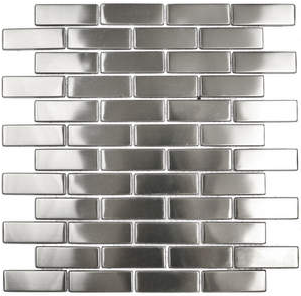
Stainless steel tile is usually a decorative wall tile made with a thin layer of stainless steel bonded to a backing material, or a metal mosaic mounted on mesh for easier installation. You may see it sold as stainless steel subway tile, metal mosaic tile, stainless steel backsplash tile, metal-look tile, or mixed-material mosaic tile that blends stainless steel with glass, stone, ceramic, or aluminum.
The most common styles include brushed stainless steel, polished stainless steel, matte stainless steel, hammered metal, rippled metal, penny rounds, hexagons, subway tiles, basketweave mosaics, and small square mosaics. Some designs are very subtle; others look like a nightclub married a professional kitchen and had a very shiny baby.
In practical terms, stainless steel tile is most often used on vertical surfaces. Think kitchen backsplashes, stove backsplashes, bar walls, bathroom vanity backsplashes, laundry room accents, fireplace surrounds where allowed by the manufacturer, and feature walls. It is rarely the best choice for floors because metal surfaces can dent, scratch, and become slippery depending on finish and environment.
Why Stainless Steel Tile Works So Well in Kitchens
The kitchen is where stainless steel tile really earns its reputation. Behind a range or sink, the backsplash deals with splattered tomato sauce, steam, grease, water droplets, and the occasional culinary experiment that should never be repeated. Stainless steel tile brings several advantages to this high-action zone.
It Handles Heat Better Than Many Decorative Materials
A stainless steel backsplash behind a stove makes sense because stainless steel is commonly used in commercial kitchens and food-prep environments. It tolerates heat better than many peel-and-stick products, painted surfaces, and delicate decorative materials. That does not mean every stainless steel tile can be installed directly behind every heat source without checking instructions, but it is generally a practical material for the cooktop zone.
It Is Easy to Wipe Clean
Compared with porous stone or highly textured tile, stainless steel is refreshingly simple. Most everyday messes can be handled with warm water, mild dish soap, and a soft cloth. Grease splatter does not need a dramatic courtroom speech. Wipe, rinse, dry, and move on with your life.
It Adds Light and Visual Energy
Stainless steel tile reflects light, which can help a small kitchen feel brighter. A brushed finish gives a soft glow, while polished stainless steel adds sparkle. In compact kitchens, a reflective backsplash can make the room feel less boxed in, especially when paired with under-cabinet lighting.
It Plays Well With Appliances
If your kitchen already has a stainless steel refrigerator, range, dishwasher, or hood, stainless steel tile can tie those pieces together. It creates visual repetition without requiring every finish in the room to match perfectly. In fact, modern kitchens often look better when stainless steel is mixed with warmer materials such as wood cabinets, brass hardware, creamy tile, or stone countertops.
Can Stainless Steel Tile Work in Bathrooms?
Yes, stainless steel tile can work beautifully in bathrooms, but the bathroom requires more caution than the kitchen. A vanity backsplash, powder room accent wall, niche border, mirror frame, or decorative stripe is usually a better choice than installing stainless steel tile inside a constantly wet shower unless the product is clearly rated for that environment.
Bathrooms create a challenging combination of humidity, soap residue, hard-water minerals, cleaning chemicals, and poor ventilation. Stainless steel resists corrosion better than ordinary steel, but it can still suffer if exposed to harsh cleaners, standing moisture, chloride-heavy products, or neglected grout lines. Translation: stainless steel is tough, but it does not want to live in a swamp wearing a bleach-soaked sweater.
Best Bathroom Uses
For bathrooms, stainless steel tile is strongest in areas that get occasional splashes but not constant soaking. Use it behind a vanity, above a backsplash ledge, around a mirror, on a powder room feature wall, or as a decorative band mixed with ceramic or porcelain tile. In these applications, it adds shine and modern contrast without being forced into a moisture battle every morning.
Bathroom Uses to Approach Carefully
Shower walls, shower floors, tub surrounds, steam rooms, and wet rooms require manufacturer approval. Some metal mosaics are not recommended for these areas, especially where water can sit in seams or where strong cleaners are used frequently. When in doubt, choose porcelain or ceramic tile for the main wet zone and use stainless steel as a dry-area accent.
Pros of Stainless Steel Tile
1. Durable, Long-Lasting Style
Stainless steel tile does not depend on a trendy printed pattern to look interesting. Its appeal comes from material, finish, light, and texture. Brushed stainless steel feels modern and restrained. Polished steel feels bold. Hammered or embossed steel adds character without going full “spaceship kitchen.”
2. Low Maintenance
For busy kitchens, stainless steel tile is a practical winner. It does not need the same sealing routine as marble, travertine, or cement tile. It is not as fragile as some glass mosaics. It can usually be cleaned with simple household supplies rather than a special cleaner that costs more than dinner.
3. Hygienic Surface
Stainless steel is valued in kitchens because it is nonporous and easy to clean. That makes it appealing around food-prep areas, coffee stations, wet bars, and cooking zones. The surface itself does not absorb sauce, oil, or odors the way porous materials can.
4. Strong Design Flexibility
Stainless steel tile fits contemporary kitchens, transitional kitchens, loft-style spaces, modern farmhouse kitchens, and even traditional kitchens when used sparingly. Pair it with white cabinets for a crisp look, walnut cabinets for warmth, black cabinets for drama, or navy cabinets for a polished coastal-modern mood.
5. Great for Accent Areas
You do not need to cover an entire wall to make stainless steel tile work. A stainless steel stove backsplash, a vertical strip behind open shelving, a bar backsplash, or a single framed panel can create impact without overwhelming the room.
Cons of Stainless Steel Tile
1. It Can Scratch
Stainless steel is durable, but it is not scratch-proof. Abrasive pads, steel wool, rough powders, and aggressive scrubbing can damage the finish. Over time, small marks may blend into a natural patina, but homeowners who want every inch to stay showroom-perfect may find stainless steel a little too honest.
2. Fingerprints Are Real
Polished stainless steel loves fingerprints the way toddlers love glass doors. Brushed, matte, or textured finishes hide smudges better than mirror-like finishes, but regular wiping is still part of the deal.
3. It Can Feel Cold If Overused
A full wall of stainless steel tile can look amazing in the right kitchen, but it can also feel sterile if the rest of the room is gray, glossy, and hard-edged. Balance it with wood, warm lighting, soft paint colors, woven textures, or natural stone-look surfaces.
4. Installation Requires Care
Metal tile is not installed exactly like basic ceramic subway tile. Cutting stainless steel tile may require a carbide or diamond blade, and sharp edges must be handled carefully. Adhesive choice, surface prep, grout cleanup, and protection from scratches during installation all matter.
5. Not Every Product Belongs in Wet Areas
This is the big bathroom warning. Some stainless steel or metal mosaic products are intended for interior vertical areas only and may not be recommended for showers, pools, steam rooms, or exterior use. Always check product specifications before falling in love with a tile sample. Tile samples are charming little liars when they do not tell you where they are allowed to live.
Design Ideas for Stainless Steel Tile in the Kitchen
Classic Stainless Steel Subway Tile
Stainless steel subway tile is a clean, versatile option for homeowners who like the familiar shape of subway tile but want a sharper finish. A running bond pattern feels classic. A vertical stack feels modern. A herringbone layout adds movement and makes the metal surface more decorative.
Stove-Only Backsplash Panel
If a full stainless steel backsplash feels like too much, use stainless steel tile only behind the range. Frame the area with simple ceramic tile or stone-look porcelain. This creates a functional cooking zone and a visual focal point without turning the entire kitchen into a commercial prep station.
Mixed Metal Mosaic
A mosaic that blends stainless steel with glass, stone, or porcelain can soften the look. Glass adds sparkle, stone adds texture, and porcelain adds durability. This approach works well in transitional kitchens where the goal is modern but not cold.
Brushed Stainless With Warm Wood
One of the best combinations is brushed stainless steel tile with wood cabinets. White oak, walnut, maple, and medium-toned wood all help balance the coolness of the metal. Add warm under-cabinet lighting and the backsplash shifts from “restaurant line” to “elegant home kitchen.”
Dark Cabinets and Stainless Steel Tile
Dark blue, charcoal, black, or forest-green cabinets can look stunning with stainless steel tile. The metal reflects light and prevents the room from feeling too heavy. Use a matte or brushed finish if you want a more sophisticated look.
Design Ideas for Stainless Steel Tile in the Bathroom
Vanity Backsplash Accent
A stainless steel vanity backsplash can make a bathroom feel crisp and tailored. It works especially well with floating vanities, vessel sinks, wall-mounted faucets, and modern mirrors. Choose a brushed finish to reduce water-spot drama.
Powder Room Feature Wall
A powder room is a perfect place to be bold because it gets less moisture than a full bath. Stainless steel tile behind a mirror or vanity can add a boutique-hotel feel. Add warm sconces so the metal reflects flattering light instead of interrogation-room energy.
Small Decorative Border
If you want just a touch of metal, use stainless steel tile as a thin horizontal or vertical border with porcelain wall tile. This gives the room a custom detail without making maintenance complicated.
How to Choose the Right Stainless Steel Tile
Check the Approved Use
Before buying, confirm whether the tile is rated for kitchens, bathrooms, showers, fireplaces, floors, or exterior areas. Do not assume all metal tile behaves the same. Stainless steel, aluminum, copper, and mixed-metal mosaics can have different care needs and installation limits.
Choose the Finish Carefully
For low-maintenance living, brushed, matte, satin, or textured stainless steel is usually more forgiving than mirror-polished steel. Polished tile is gorgeous, but it shows fingerprints, water spots, and streaks more easily.
Order Extra Tile
Metal tile can be tricky to cut around outlets, switches, corners, and edges. Order extra material to cover waste, pattern matching, and future repairs. A safe range is often 10% to 15% extra, though complex layouts may require more.
Think About Grout Color
Gray grout usually blends well with stainless steel. White grout can create strong contrast and may require more cleaning. Dark grout can look dramatic but may emphasize every line. For mosaics, grout choice matters because there are more joints.
Installation Tips for Stainless Steel Tile
Successful installation starts with a clean, flat, dry wall. Remove grease, dust, loose paint, and glossy residue. Repair dents or uneven areas before setting tile. The wall should be stable and properly prepared, especially in kitchens where old cooking residue can interfere with adhesion.
Measure the area carefully and plan the layout before mixing adhesive. Dry-lay sheets or tiles to check cuts, outlet positions, and pattern alignment. For stainless steel mosaic sheets, avoid tiny sliver cuts at edges when possible. They are difficult to make cleanly and tend to look accidental.
Use the adhesive recommended by the tile manufacturer. Some metal mosaics work with latex-modified thinset mortar, while others may call for silicone- or urethane-based adhesive. Follow the product instructions instead of guessing. Guessing is fine for soup seasoning; it is less charming when your backsplash slides down the wall.
Cut metal tile with the proper blade or tool approved for the material. Wear eye protection and gloves because cut metal edges can be sharp. During grouting, avoid abrasive cleanup tools. Use a rubber float, gentle pressure, and a soft sponge. Clean grout haze carefully before it hardens, but do not scrub like you are trying to erase a bad memory.
Finally, caulk expansion gaps at countertops, corners, and edges where movement may occur. Replace outlet covers with box extenders if needed so everything sits flush and safe.
How to Clean Stainless Steel Tile
The best cleaning routine is simple: warm water, mild dish soap, a soft cloth, a rinse, and a dry towel. Always wipe with the grain if the tile has a visible brushed direction. Drying matters because it helps prevent water spots and streaking.
For grease near a stove, use a mild degreasing dish soap diluted in warm water. Let it sit briefly, wipe gently, rinse, and dry. For fingerprints, a clean microfiber cloth usually handles the job. A small amount of stainless steel polish may help on some finishes, but test first in a hidden area.
Cleaning Products to Avoid
Avoid steel wool, harsh scouring pads, abrasive powders, chlorine bleach, ammonia-heavy products, and highly acidic cleaners unless the manufacturer specifically approves them. These can scratch, dull, stain, or corrode the surface. Also avoid leaving wet cleaning solution sitting on metal tile or grout lines.
Is Stainless Steel Tile Worth It?
Stainless steel tile is worth considering if you want a durable, modern, easy-clean backsplash with a high-end look. It is especially strong in kitchens, bar areas, laundry rooms, and powder rooms. It is less ideal for homeowners who hate fingerprints, want a soft handmade look, or plan to install tile in a constantly wet shower area without checking product approval.
For the best result, use stainless steel tile with intention. Let it highlight a cooking zone, frame a vanity, brighten a small kitchen, or connect stainless steel appliances to the rest of the room. When balanced with warmer materials, it can feel elegant rather than cold. When installed properly and cleaned gently, it can stay handsome for years.
Real-World Experiences With Kitchen & Bath Stainless Steel Tile
One of the most common experiences homeowners have with stainless steel tile is surprise. The sample looks small and polite in the store, but once it is installed under kitchen lighting, it becomes a major design feature. A brushed stainless steel subway tile backsplash can make white cabinets look more intentional and expensive. A mosaic behind the range can suddenly make a plain kitchen feel like it has a point of view. The transformation is quick, but the material has a strong visual voice, so it is worth testing samples at home before committing.
In kitchens, the best feedback usually comes from people who cook often. Stainless steel tile performs well behind stoves because splatters wipe away easily. Grease does not sink in the way it can with porous materials. Tomato sauce, oil, coffee, and cooking steam are not usually a crisis if they are cleaned promptly. The biggest lesson is that drying the surface after cleaning makes a noticeable difference. People who wipe and walk away often see streaks. People who wipe, rinse, and dry get the “catalog kitchen” finish without needing a tiny cleaning orchestra.
Another real-life lesson is that finish matters more than many shoppers expect. Polished stainless steel looks glamorous at first, especially under showroom lights. At home, it may show fingerprints, smears, and water spots more clearly. Brushed or satin stainless steel tends to be more forgiving. Textured metal can hide minor marks even better, though deep texture may catch grime around cooking areas. For families with children, pets, frequent guests, or enthusiastic spaghetti nights, a forgiving finish is usually the smarter choice.
Installation stories are mixed. Handy homeowners with tile experience often manage mesh-mounted metal mosaics successfully, but beginners can find the cutting and grout cleanup more demanding than expected. Stainless steel tile is less forgiving of rough cuts because shiny edges draw the eye. Outlets, corners, and range hood edges need careful planning. Many homeowners who hire a professional are happier with the final result, especially when using expensive tile or a complicated pattern like herringbone.
In bathrooms, the most successful projects usually keep stainless steel tile away from constant water exposure. A vanity backsplash is practical, stylish, and easy to maintain. A powder room accent wall can look dramatic without dealing with daily shower moisture. Problems are more likely when metal tile is installed in poorly ventilated wet zones or cleaned with harsh chemicals. Bathrooms need ventilation, gentle cleaning, and product approval. Stainless steel may be tough, but it should not be treated like a submarine unless the manufacturer says it can handle the mission.
The homeowners who seem happiest with stainless steel tile are the ones who accept its personality. It is sleek, reflective, durable, and practical, but it develops small signs of use over time. That lived-in patina can be attractive, much like a professional kitchen that looks busy because it actually works. If you want a surface that never shows a fingerprint, never catches a reflection, and never changes, stainless steel tile may test your patience. If you want a backsplash that looks sharp, cleans quickly, and gives the room instant confidence, it is a strong contender.
Conclusion
Stainless steel tile is one of the most practical ways to add modern style to a kitchen or bathroom. It brings durability, heat resistance, easy cleaning, and a polished architectural look. In kitchens, it shines behind ranges, sinks, bars, and coffee stations. In bathrooms, it works best as a vanity backsplash, powder room accent, or decorative detail rather than a default shower-wall material.
The secret is balance. Pair stainless steel tile with warm wood, soft paint colors, good lighting, and the right grout. Choose a finish that fits your tolerance for fingerprints. Follow manufacturer instructions for installation and wet-area use. Clean with mild products and soft cloths. Do that, and stainless steel tile will reward you with a room that looks crisp, confident, and ready for real lifenot just a five-minute photo shoot.
Note: Always confirm the tile manufacturer’s specifications for approved locations, adhesive, grout, cutting tools, wet-area use, and cleaning products before installation.