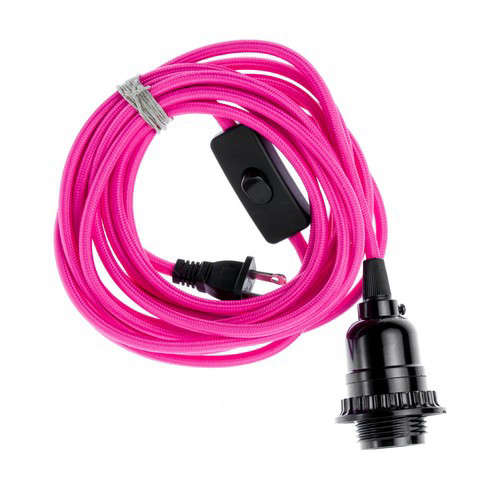
A Pendant Light Cord – Hot Pink is not the shy, beige wallflower of home lighting. It is the design equivalent of walking into a room wearing excellent shoes: confident, playful, and impossible to ignore in the best way. Whether used with a bare decorative bulb, a paper lantern, a metal shade, or a handmade fixture, a hot pink pendant cord turns a basic lighting component into a visible design feature.
For years, pendant cords were treated like something to hide. Designers tucked them into neutral ceilings, matched them to walls, or hoped nobody noticed the cord at all. But cloth-covered pendant cords changed that conversation. Instead of being just a practical electrical line, the cord became part of the look. A hot pink cord takes that idea even further. It says, “Yes, the cord is showing. No, that was not an accident.”
This guide explores what makes a hot pink pendant light cord useful, stylish, and surprisingly versatile. We will look at design ideas, installation considerations, bulb choices, safety basics, styling examples, and real-life experiences with this bold little lighting detail. Spoiler: it is small, but it can make a room feel awake before the coffee does.
What Is a Pendant Light Cord – Hot Pink?
A pendant light cord is a hanging electrical cord designed to suspend a light socket and bulb from the ceiling, a wall hook, or a swag-style setup. In its simplest form, it may include a plug, socket, cord, and switch. In more permanent versions, it may connect to a ceiling canopy and junction box. The “hot pink” part refers to the cord covering or finish, often made with woven fabric or colored insulation that gives the fixture a bold decorative look.
Many decorative pendant cord sets are inspired by early 20th-century lighting, especially cloth-covered wire and simple exposed-bulb fixtures. Today, that vintage idea has been reworked for modern interiors. Instead of only brown, black, or ivory cords, shoppers can find cords in red, yellow, blue, neon tones, pastel colors, and, of course, hot pink. The result is lighting that feels both retro and fresh.
Common Features to Look For
While exact specifications vary by manufacturer, a quality pendant cord set often includes a medium-base socket, a long flexible cord, a plug-in or hardwire option, an inline switch for plug-in models, and compatibility with decorative shades or cages. Some cords are sold as complete plug-in fixtures, while others are sold as fabric-covered wire for custom lighting projects.
For U.S. homes, the most common bulb base is E26, also known as a medium base. This is the standard size used by many household bulbs. Always check the product label for maximum wattage, indoor or damp-location rating, and whether the fixture is UL listed or tested to a recognized safety standard. The color may be fun, but the electricity should remain extremely boring and safe.
Why Hot Pink Works So Well in Lighting Design
Hot pink is energetic, graphic, and expressive. In lighting, it works because it creates contrast without requiring a large commitment. Painting an entire room hot pink is brave. Buying a hot pink sofa is very brave. Adding a hot pink pendant cord? That is brave with an exit strategy.
A pendant cord is narrow, linear, and usually vertical. That means even a bright color will not overwhelm a room the way a large piece of furniture might. The cord becomes a stripe of personality. It draws the eye upward, frames the bulb or shade, and adds a pop of color exactly where most rooms are least decorated: the ceiling area.
The Psychology of a Pink Accent
Pink has a wide emotional range. Soft blush tones feel gentle and calming, while hot pink feels energetic and modern. In interiors, hot pink can suggest creativity, youthfulness, confidence, and a little rebellion against the “everything must be gray” era. Used carefully, it can make a minimalist room feel warmer, a child’s room feel more playful, or a studio feel more personal.
Hot pink also works well because it pairs with many design styles. It can look retro with brass and globe bulbs, edgy with matte black hardware, sweet with white paper lanterns, and artistic with exposed filament bulbs. It is not just a color for one room or one type of decor. It is a small design tool with a loud, cheerful voice.
Best Rooms for a Hot Pink Pendant Light Cord
A hot pink pendant cord can work in more places than people expect. The key is to treat it as an intentional accent rather than a random novelty item. Here are several rooms where it can shine.
Bedroom
In a bedroom, a hot pink pendant cord can replace a traditional bedside lamp. Hang one on each side of the bed for a symmetrical look, or use a single pendant near a reading chair. Pair it with a warm LED bulb and a soft shade to avoid harsh light. Against white walls, the pink cord looks crisp and playful. Against navy, charcoal, or forest green, it becomes dramatic and boutique-hotel stylish.
Home Office or Creative Studio
A workspace benefits from lighting that feels personal. A hot pink cord above a desk can add creative energy without cluttering the surface. This is especially useful in small apartments, craft rooms, design studios, or content creation corners. It gives the space personality while still doing real work: lighting your keyboard, sketchbook, sewing table, or coffee mug that somehow migrated there permanently.
Kitchen Nook
A single pendant over a breakfast nook can make a small dining spot feel intentional. Hot pink works particularly well in kitchens with white cabinets, butcher-block counters, terrazzo, checkerboard flooring, stainless steel appliances, or colorful tile. If your kitchen is mostly neutral, the cord adds visual spice without requiring a remodeling budget or a dramatic conversation with your landlord.
Kids’ Rooms and Teen Spaces
Hot pink is a natural fit for playful spaces, but it does not have to look childish. In a child’s room, it can be paired with a paper lantern or a simple drum shade. In a teen room, it can look more grown-up with a black socket, clear globe bulb, or sleek metal shade. Plug-in pendant cords are especially useful when the ceiling fixture is boring, poorly placed, or apparently installed by someone who believed every room only needs one sad bulb in the center.
Retail Displays and Small Business Interiors
Small shops, salons, dessert counters, boutique studios, and pop-up displays can use hot pink pendant cords to build brand personality. Because cords are relatively small and easy to repeat, they can create a consistent visual theme without heavy construction. A row of hot pink cords above a checkout counter or display shelf can make the space memorable and photo-friendly.
How to Style a Hot Pink Pendant Cord
The easiest way to make a hot pink pendant cord look sophisticated is to give it contrast and breathing room. Let it be the star in one small area instead of competing with ten other bright colors. The best styling usually comes from balance.
Pair It With White for a Clean Look
White walls, white shades, and white ceilings make hot pink look fresh and crisp. A white paper lantern with a hot pink cord feels playful, affordable, and light. This combination works beautifully in dorm rooms, apartments, bedrooms, and casual dining areas.
Pair It With Black for Drama
Hot pink and black create instant contrast. A black socket, black plug, or black metal shade can make the cord feel graphic and modern. This pairing works well in industrial-style interiors, creative offices, music rooms, and modern bedrooms.
Pair It With Brass for Warmth
Brass hardware softens the boldness of hot pink and gives it a more polished look. A hot pink cord with a brass socket and a warm globe bulb can feel retro, glamorous, and slightly unexpected. It is the lighting version of a wink.
Pair It With Natural Materials
Rattan, cane, unfinished wood, linen, and paper shades can calm the brightness of hot pink. The natural texture makes the color feel less sharp and more collected. This is a great approach for bohemian, Scandinavian, cottage, or handmade interiors.
Choosing the Right Bulb
The bulb affects the entire mood of a pendant. A cord may bring the color, but the bulb brings the atmosphere. For most homes, LED bulbs are the best choice because they use less energy, last longer than traditional incandescent bulbs, and are available in many shapes and color temperatures.
When shopping, pay attention to lumens instead of relying only on watts. Lumens measure brightness, while watts measure energy use. A typical 450-lumen LED can feel similar to an old 40-watt incandescent bulb, while an 800-lumen LED is closer to a traditional 60-watt bulb. For a bedside pendant, softer brightness may be enough. For a desk or kitchen nook, you may want more light or a shade that directs the beam downward.
Warm White vs. Cool White
Warm white bulbs, often around 2700K to 3000K, create a cozy glow and pair well with hot pink because they soften the color. Cool white bulbs can make pink look sharper and more energetic, which may work in studios or task areas. For most living spaces, warm white is the safer and more flattering choice.
Decorative Bulb Shapes
If the bulb is exposed, shape matters. Globe bulbs look modern and friendly. Edison-style LED bulbs add vintage charm. Frosted bulbs reduce glare. Clear bulbs can look beautiful but may be too bright at eye level unless the pendant is hung high or used with a dimmer-compatible setup.
Safety and Installation Considerations
A pendant cord may look simple, but it is still an electrical fixture. Before buying or installing one, check the product specifications carefully. Look for a recognized safety listing, confirm the maximum bulb wattage, and make sure the fixture is rated for the location where it will be used.
Plug-in pendant lights are often easier for renters because they do not require hardwiring. They usually plug into a wall outlet and hang from hooks or brackets. However, the cord should be routed neatly, kept away from heat sources, and never pinched under furniture or rugs. Avoid using a pendant cord in bathrooms, outdoor areas, or damp spaces unless the product is specifically rated for those conditions.
Hardwired pendant lights require a proper ceiling box and safe electrical connections. In many cases, hiring a licensed electrician is the best choice, especially if you are replacing a ceiling fixture, moving a light location, or unsure whether the box can support the fixture. Good lighting should brighten your home, not turn your weekend into an electrical mystery novel.
Hanging Height Tips
Over a dining table or kitchen island, pendant lights are often hung low enough to feel intimate but high enough not to block conversation or sightlines. In bedrooms, bedside pendants should hang where they provide useful reading light without shining directly into your eyes. In walkways, make sure there is enough clearance so no one has to duck. A pendant should create atmosphere, not surprise tall guests.
Design Examples for Pendant Light Cord – Hot Pink
Here are a few specific ways to use a hot pink pendant cord in real homes and small spaces.
Example 1: The White Bedroom Refresh
Imagine a small white bedroom with simple bedding, pale wood furniture, and one empty corner. Add a hot pink plug-in pendant with a frosted globe bulb and a white wall hook. Suddenly, the room has a focal point. Nothing major changed, yet the space feels styled. This is the magic of a strong accent in a controlled dose.
Example 2: The Desk That Needed Personality
A plain desk against a neutral wall can look practical but uninspiring. Hang a hot pink pendant cord above it with a small metal shade and warm LED bulb. The light improves the workspace, while the cord adds personality. It also keeps the desktop free from lamp bases, which is excellent news for anyone whose desk already contains notebooks, chargers, snacks, and one pen that refuses to work.
Example 3: The Playful Breakfast Nook
A round table, two chairs, and a small pendant can make a kitchen corner feel like a tiny café. Use a hot pink cord with a white enamel shade or paper lantern. Add a small vase, patterned napkins, or a colorful print nearby. The pink cord becomes part of a cheerful morning routine.
Example 4: The Boutique Display
For a small retail display, several hot pink pendant cords can highlight shelves or a checkout area. Repetition makes the color look intentional rather than random. This works especially well for beauty shops, stationery brands, gift stores, dessert bars, and creative studios that want a memorable visual identity.
Buying Tips: What to Check Before You Order
Before buying a hot pink pendant light cord, confirm the cord length. A 15-foot cord may work for many plug-in setups, but high ceilings or swag-style installations may need more length. Also check the switch location. Some plug-in cords have inline switches near the plug, while others place the switch closer to the socket or use a wall switch if hardwired.
Check socket material as well. Plastic sockets are lightweight and affordable. Porcelain sockets offer a more traditional industrial look and can feel more durable. Metal socket covers can add polish, but they should be properly designed for the fixture.
If you want to add a shade, make sure the pendant cord is shade-ready. Some cord sets include a removable socket ring that holds a shade in place. Others are designed only for bare bulbs, cages, or lanterns. Buying the wrong type can lead to creative frustration and several minutes of staring at parts that absolutely refuse to cooperate.
How to Keep a Hot Pink Cord Looking Good
Dust is not glamorous, but it is persistent. Fabric-covered cords can collect dust over time, especially near ceilings or in workshops. Use a dry microfiber cloth to wipe the cord gently. Avoid soaking the fabric or spraying cleaners directly onto electrical components. For stubborn dust, unplug the fixture first and clean carefully according to the manufacturer’s instructions.
Also check the cord occasionally for wear, fraying, discoloration, or loose parts. If a cord looks damaged, stop using it. Decorative lighting should be inspected like any other household electrical item. Beauty is wonderful; safety is better.
Common Mistakes to Avoid
The first mistake is using hot pink without a plan. A bold cord looks best when it connects to something else in the room, even subtly. That could be a pillow, artwork, flower vase, book cover, rug detail, or small decorative object. The second mistake is choosing a bulb that is too harsh. A bright exposed bulb at eye level can ruin the cozy effect quickly.
The third mistake is ignoring scale. A tiny bare bulb may look lost over a large dining table, while a huge shade can overpower a small bedside corner. The fourth mistake is treating a plug-in pendant cord like an extension cord. It should be installed neatly, secured properly, and kept out of walking paths.
Is a Hot Pink Pendant Cord Timeless or Trendy?
Hot pink is definitely expressive, and expressive colors often move in and out of trend cycles. But a pendant cord is a low-risk way to enjoy a trend because it is relatively easy to change compared with tile, cabinets, flooring, or furniture. If your style shifts later, you can swap the cord, shade, or bulb and keep the overall room intact.
That is one reason colorful pendant cords remain popular with renters, DIY decorators, and design lovers. They offer a custom look without requiring a full renovation. Hot pink may not be the quietest choice, but quiet is not always the goal. Sometimes a room needs one design detail that says, “I have taste, and I also know how to have fun.”
500-Word Experience Section: Living With a Pendant Light Cord – Hot Pink
The first experience most people have with a hot pink pendant light cord is surprise. It often looks brighter in person than expected, especially when it arrives coiled in the package like a tiny neon garden hose with ambition. At first, you may wonder whether it will be too bold. Then you hang it up, step back, and realize the color is not the problem. The problem was that the room had been quietly begging for personality.
In a real bedroom setup, a hot pink plug-in pendant can completely change the feeling of a plain corner. One simple arrangement is to mount a ceiling hook above a nightstand, swag the cord neatly from the wall, and let the socket hang beside the bed. With a warm frosted globe bulb, the light feels soft and cozy. The cord becomes a vertical accent that makes the wall look styled, even if the rest of the nightstand contains only a book, a phone charger, and a glass of water you forgot about.
In a home office, the experience is more practical. A hot pink pendant cord above a desk can create a visual boundary, almost like saying, “This is the creative zone.” It is especially useful in apartments where the office is really just one side of the living room pretending to be professional. The cord adds color above the work area without taking up desk space. When paired with a directional shade, it also provides focused task lighting for writing, drawing, crafting, or checking emails while pretending not to check social media.
One of the nicest surprises is how flexible hot pink can be. Against white walls, it feels clean and cheerful. Against dark walls, it becomes dramatic. With a paper lantern, it feels playful and casual. With brass hardware, it looks more grown-up. With a black shade, it becomes graphic and modern. The same cord can shift moods depending on what you pair with it.
There are also a few lessons learned from real use. First, cord length matters more than expected. Measure the path from the outlet to the hanging point, including any swag curve, not just the straight distance. Second, switch placement matters. An inline switch near the plug may be inconvenient if the outlet is behind furniture. Third, bulb glare is real. A beautiful exposed bulb can become annoying if it hangs at eye level and shines directly into your face during dinner.
The best experience comes when the cord feels intentional. Add one or two small pink accents elsewhere in the room, such as artwork, a throw pillow, a planter, or a desk accessory. That small repetition makes the pendant cord look like part of a design story instead of a colorful accident. In the end, a Pendant Light Cord – Hot Pink is more than a cord. It is a quick, affordable way to make a room feel more awake, more personal, and much less afraid of having a good time.
Conclusion
A Pendant Light Cord – Hot Pink is a small lighting detail with a big design personality. It works because it combines function and style in one visible element. It can brighten a bedroom, energize a workspace, define a breakfast nook, or add a memorable accent to a creative business interior. The key is to choose the right bulb, install it safely, and style the cord as an intentional part of the room.
Hot pink may sound bold, but in pendant cord form, it is surprisingly easy to live with. It gives neutral rooms a spark, makes simple fixtures feel custom, and adds a sense of fun without requiring a major renovation. If your space feels a little too safe, a little too beige, or a little too “rental agreement chic,” this bright cord might be exactly the tiny design rebellion it needs.
Note: This article is written for web publishing in standard American English and is based on practical lighting, interior design, and product-selection principles.