Every tool box has a few “why didn’t I buy this sooner?” heroes. A good tape measure. A sharp utility knife. A flashlight that does not die the moment you crawl under the sink. And now, for anyone who works around bolts, nuts, threaded pipe, mower parts, car brackets, furniture hardware, or mystery fasteners from the garage drawer of doom, a rotary thread kit deserves a spot on that list.
A rotary thread kit is not the same thing as a traditional tap and die set. It is a compact thread restoration system designed to work with a drill, die grinder, or rotary tool. Instead of matching one exact tap or die to one exact thread size, the rotary thread file follows the existing thread profile and helps clean, chase, smooth, and reshape damaged threads. In plain English: it can turn a “well, that’s ruined” moment into a “hey, it actually threads again” moment.
If you have ever cross-threaded a bolt, fought rusty threads on old equipment, or discovered that one tiny ding is stopping a nut from spinning on cleanly, you already know why this matters. Damaged threads do not politely wait until the weekend is convenient. They show up in the middle of a repair, smirking like they own the place. A rotary thread repair kit gives you a fast, flexible way to rescue hardware before you waste an hour driving to the parts store for a replacement that may or may not fit.
What Is a Rotary Thread Kit?
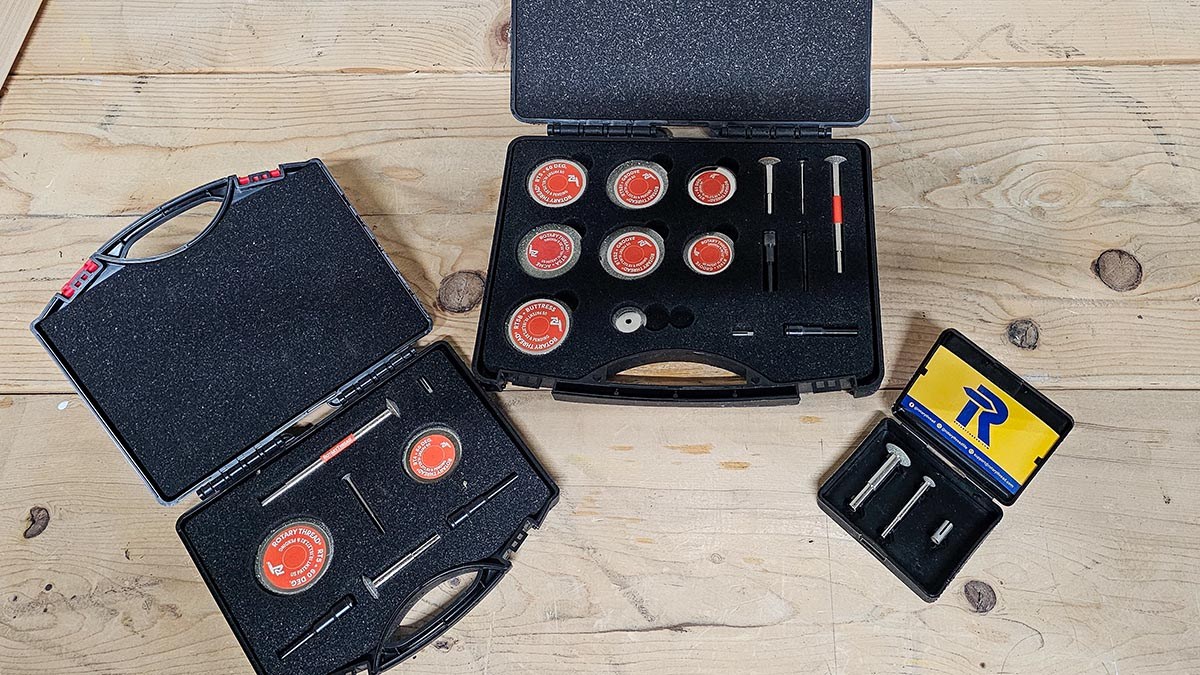
A rotary thread kit is a set of small thread-restoring files, discs, mandrels, and adapters made to be powered by a drill or rotary tool. The Rotary Thread Standard Restore Kit, for example, includes multiple rotary thread files and accessories designed for repairing internal and external threads across common thread families, including inch, metric, pipe, male, and female threads.
The big idea is simple: most common screw threads share a V-shaped profile. Rotary thread tools use that profile to ride along the old thread path, shaving away burrs, rust, flattened peaks, and small deformations. You start in a good section of the thread, use light pressure, and guide the spinning tool into the damaged area. The tool does not magically rebuild missing metal, but it can restore the shape enough for the fastener to work again.
Why This Tool Belongs in a DIY Tool Box
1. It Saves Projects From the “One Bad Bolt” Problem
There is a special kind of frustration that happens when a whole project stops because of one damaged thread. You are not rebuilding a transmission. You are not fabricating a bridge. You just need one nut to spin onto one bolt without acting like it has personal issues.
A rotary thread kit shines in those moments. It is especially useful for rusted bolts, slightly crushed threads, dinged pipe threads, old lawn equipment hardware, vehicle brackets, machinery studs, and furniture fasteners that have been over-tightened into emotional exhaustion. Instead of tossing the part, you can often clean it up in minutes.
2. It Works on Internal and External Threads
Traditional thread repair often requires a different tool depending on the job. A die is used for external threads, like bolts and threaded rods. A tap is used for internal threads, like holes and nuts. A thread insert kit is used when the original hole is badly stripped. Each tool has its place, but that also means more measuring, more matching, and more opportunities to grab the wrong piece while muttering things not fit for a family website.
A rotary thread tool is more flexible. The same general approach can be used on male and female threads. That makes it handy for quick repairs where the thread is damaged but not completely destroyed. Think of it as a thread chaser with a power-tool personality.
3. It Reduces the Need for Guesswork
When using taps, dies, or insert kits, size matters. Thread pitch, diameter, thread count, depth, and alignment all matter. Use the wrong tap and you can cut a new path where you did not want one. Drill a hole too large for an insert and the repair can fail. Start crooked and you may create a small metal tragedy.
A rotary thread kit does not eliminate skill, but it lowers the barrier for common restoration jobs. Because it follows the existing thread shape, it is often easier for occasional DIYers than a full tap-and-die operation. You still need patience, eye protection, and a secure workpiece, but you do not need to own a machinist’s brain in a jar.
Rotary Thread Kit vs. Tap and Die Set
A tap and die set is still worth owning. It cuts threads, repairs threads, and creates new threaded holes. But it can be aggressive. When you cut threads, you remove material. That is useful when making a clean new thread, but it may be overkill when you only need to remove rust or correct a small ding.
A rotary thread repair kit is better for restoring existing threads rather than creating brand-new ones. It is ideal when the part still has a usable thread path but needs cleaning, smoothing, or reshaping. If the bolt is lightly crushed, rusty, or cross-threaded near the start, the rotary file can help bring it back. If the threaded hole is stripped smooth, a helical insert or solid threaded insert kit is the better option.
Use a Rotary Thread Kit When:
- The threads are rusty, dirty, dinged, or slightly flattened.
- A nut starts but binds partway down the bolt.
- A threaded pipe fitting needs cleanup before assembly.
- You want a fast field repair without measuring every thread pitch.
- The original threads still exist and only need restoration.
Use an Insert Kit When:
- The internal threads are completely stripped.
- The bolt hole no longer grips at proper torque.
- The repair is in soft metal such as aluminum, cast iron, or magnesium.
- The part needs strong, long-term thread reinforcement.
- You are repairing spark plug holes, engine mounts, or critical load-bearing holes.
How to Use a Rotary Thread Kit Safely
The process is straightforward, but do not let “straightforward” turn into “reckless with a spinning metal bit.” Secure the part first. A bench vise is your friend. So are safety glasses. Gloves may be useful when handling rough metal, but keep loose fabric away from rotating tools.
Step 1: Clean the Part
Brush away loose rust, dirt, oil sludge, and metal flakes. If you are working on automotive or outdoor equipment, a quick cleaning with a wire brush or solvent can help you see the real damage. You want the rotary file working on the thread, not polishing a casserole of grime.
Step 2: Secure the Workpiece
Clamp the bolt, rod, nut, or fitting securely. If it moves around while the tool spins, the repair becomes less accurate and much more annoying. A vise with soft jaws or a rag can help protect finished surfaces.
Step 3: Start in a Good Thread
Do not begin in the worst part of the damage. Start where the thread is still clean and recognizable. Let the rotary file settle into the groove. Once it is tracking correctly, guide it into the damaged section using light pressure.
Step 4: Let the Tool Do the Work
More pressure is not better. Heavy force can remove too much material, flatten the profile, or skip across the thread like a caffeinated squirrel. Keep the movement controlled and repeat as needed. Check your progress often by test-fitting the matching nut or bolt.
Step 5: Clean and Test
After filing, remove metal dust and debris. Then test the fit by hand before using a wrench. If the nut or bolt starts smoothly and turns without binding, you are in business. If it still sticks, repeat lightly rather than attacking it like you are mad at the fastener’s ancestors.
Where It Helps Most Around the House and Garage
This tool is not just for professional mechanics. Homeowners and DIYers run into damaged threads more often than they think. Outdoor furniture bolts get rusty. Lawn mower hardware gets dinged. Snowblower parts collect corrosion. Plumbing fittings can be stubborn. Cabinet hardware gets cross-threaded. Gym equipment, trailer parts, workbench vises, gate hinges, and old shelving systems all rely on threads behaving themselves.
A rotary thread kit is especially useful when replacing the part is possible but inconvenient. Maybe the bolt is a specialty size. Maybe the part is discontinued. Maybe the nearest hardware store is twenty minutes away and your motivation has a very short warranty. In those cases, restoring the original part is not just cheaper; it keeps the project moving.
What It Cannot Do
No tool deserves superhero marketing without a reality check. A rotary thread kit cannot restore threads that are completely missing. It cannot replace a proper insert repair in a stripped aluminum engine block. It cannot fix a bolt that is bent like a question mark or a hole that has lost all holding strength. It is a restoration tool, not a time machine.
For severe internal thread damage, use a thread insert repair kit. Those kits typically involve drilling the damaged hole, tapping it with the correct insert tap, installing the coil or solid insert, and seating it below the surface. That is a more involved repair, but it creates new threads for the fastener to grip. A rotary thread kit is best before things get that bad.
Buying Tips: What to Look For
When choosing a rotary thread repair kit, look for a set that includes multiple file sizes or profiles, a collet or adapter, mandrels if discs are included, and a padded case. A case sounds boring until you lose the one tiny adapter needed to finish the job. Then it becomes the most important feature in the universe.
Also check what tools it fits. Some rotary thread files are designed for die grinders, drills, and rotary tools. If you already own a Dremel-style tool or cordless drill, that makes the kit easier to adopt. Finally, consider your actual projects. A starter kit may be enough for occasional home use. A standard kit gives you more range. A master kit makes sense for mechanics, farm repairs, machine shops, and people whose garage contains more bolts than some small bridges.
Why I’m Adding One to My Tool Box
I like tools that prevent small problems from becoming expensive errands. A rotary thread kit does exactly that. It does not take up much room. It does not require a long learning curve. It solves a problem that appears across home repair, automotive work, plumbing, outdoor equipment, and general tinkering.
More importantly, it encourages repair instead of replacement. That is not just good for your wallet; it is good workshop discipline. Learning how to restore a damaged fastener makes you more capable. It teaches you to look at a problem and ask, “Can this be saved?” instead of immediately throwing parts into the trash like a dramatic raccoon.
Real-World Experience: Why This Tool Earns Its Drawer Space
The first place I would use a rotary thread kit is on old outdoor equipment. Anyone who has taken apart a lawn mower, pressure washer, trailer hitch accessory, or patio umbrella base knows the story. The hardware looks fine until you remove it, and then the bolt reveals a crusty thread section that resembles fossilized breakfast cereal. You can sometimes force the nut back on, but that usually makes the damage worse. A rotary thread file gives you a calmer option: clean the threads, restore the groove, test the fit, and move on with your dignity mostly intact.
I also like the kit for furniture and home fixtures. Flat-pack furniture, bed frames, exercise equipment, and adjustable work tables often use threaded inserts, bolts, and knobs that get abused during assembly. One crooked start can chew up the first few threads. With a normal tap or die set, I might hesitate because I do not want to cut too much material from a small part. With a rotary thread tool, I can focus on smoothing the entry point so the fastener starts straight again.
Another experience that makes this kit attractive is automotive maintenance. Even simple jobs can involve threaded studs, rusty nuts, and brackets that have been exposed to heat, road salt, and years of vibration. When a nut will not thread back onto a stud by hand, many people grab a wrench and force it. That is how a small repair becomes a snapped stud, and suddenly your afternoon has entered its villain era. Cleaning the threads first is smarter.
In a garage workflow, the rotary thread kit fits between “wire brush and hope” and “full insert repair.” That middle ground is valuable. Not every damaged thread needs drilling. Not every rusty bolt deserves replacement. Sometimes the right answer is a light restoration pass and a test fit. The kit gives you that option without dragging out a giant case of taps and dies.
There is also a confidence factor. When you know you can repair minor thread damage, you become less nervous about working on older gear. You are more willing to restore a vintage vise, fix a garden cart, tune up a mower, or salvage an oddball bolt from a discontinued appliance. That does not mean you should reuse unsafe hardware in critical applications. It means you can make better decisions because you have another tool in the decision tree.
My practical advice is simple: keep the rotary thread kit near your drill bits, not buried in a specialty drawer. Use it before frustration takes over. Clean first, clamp securely, start in the good threads, use light pressure, and test by hand. The moment a nut spins smoothly over a thread that looked doomed five minutes earlier, you will understand why this tool earns a permanent spot in the box.
Conclusion
A rotary thread kit is not the flashiest tool you can buy, but it is one of those compact problem-solvers that makes you feel smarter every time it saves a part. It restores damaged threads, reduces mid-project delays, and gives DIYers a practical alternative to replacing hardware or reaching for aggressive cutting tools too soon.
If your projects involve bolts, nuts, threaded pipe, equipment repairs, automotive parts, or old hardware with a suspicious amount of “character,” this kit is worth adding to your tool box. You may not use it every day. But when you need it, you will be very glad it is there, quietly waiting like a tiny spinning thread therapist.