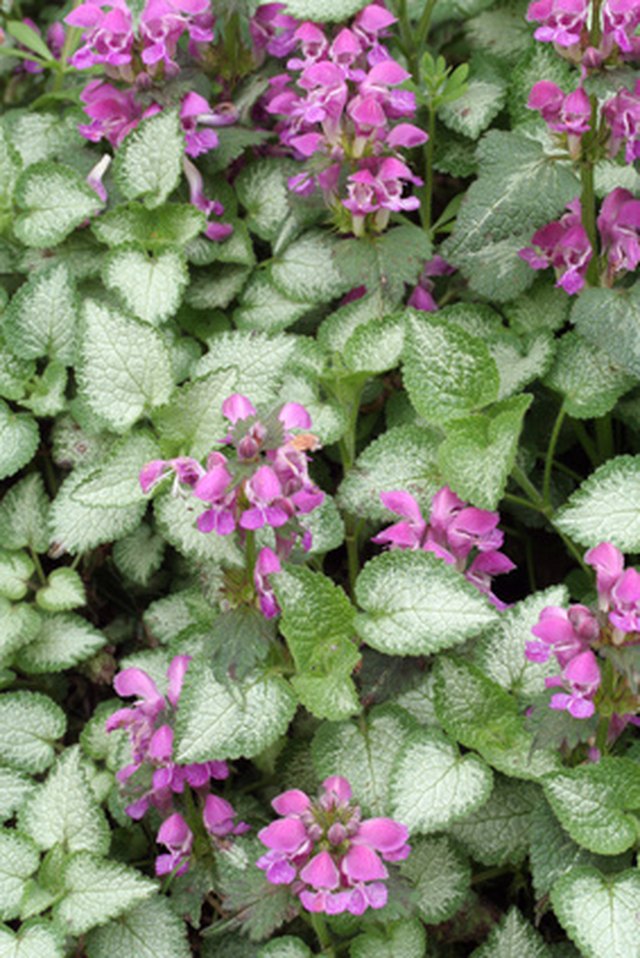
Ground-cover plants are the quiet overachievers of the garden world. They do not ask for a spotlight, they do not need a trellis, and they rarely get dramatic names like “Queen of the Night.” Yet give them a patch of bare soil, a shady slope, or the awkward strip under a tree where turf grass has waved a little white flag, and suddenly they become landscape superheroes.
For South Carolina gardeners, native ground covers are especially valuable. The state stretches from the Blue Ridge foothills to the sandy Coastal Plain, which means one yard may battle heavy clay, another may bake in sandy soil, and a third may sit under humid shade where lawn grass goes to sulk. Native ground-cover plants have an advantage because they evolved in regional conditions and can support local pollinators, birds, and soil life while reducing the need for mowing, fertilizer, and constant watering.
This guide explores some of the best ground-cover plants native to South Carolina, including choices for shade gardens, woodland edges, slopes, moist soils, and low-maintenance natural landscapes. Think of it as a plant matchmaking service, but with less awkward small talk and more Latin names.
Why Choose Native Ground Covers in South Carolina?
A ground cover is any low-growing plant that spreads enough to protect soil, soften edges, fill empty spaces, and suppress weeds. But not all ground covers are created equal. Some popular nonnative options, such as English ivy, vinca, liriope, and Japanese pachysandra, can escape cultivation or form dense mats that crowd out native species. They may look tidy at first, but in natural areas they can behave like guests who arrive for dinner and slowly move into the house.
Native ground covers offer a better long-term strategy. They can stabilize soil on slopes, reduce erosion, provide nectar or pollen, shelter insects, feed birds with seeds or berries, and create a layered garden that looks alive instead of merely landscaped. In South Carolina, where summer heat and humidity can be intense, the best native ground covers also help cool the soil and reduce bare patches that invite weeds.
Best Ground-Cover Plants Native to South Carolina
1. Green-and-Gold (Chrysogonum virginianum)
Green-and-gold is one of the most cheerful native ground covers for South Carolina shade gardens. It forms a low, semi-evergreen mat of green leaves and produces bright yellow, star-shaped flowers in spring, often with additional blooms later in the season. If your shady border needs a little sunshine but the sun itself refuses to show up, this plant gets the joke and brings its own yellow confetti.
This perennial performs well in part shade to full shade and prefers well-drained acidic soil with dry to medium moisture once established. It is useful under shrubs, along woodland paths, and in naturalized shade gardens. Green-and-gold is also relatively compact, usually staying under one foot tall while spreading slowly enough to remain manageable. It is a strong choice for gardeners who want a living carpet without starting a botanical takeover.
2. Partridgeberry (Mitchella repens)
Partridgeberry is a delicate evergreen creeper with tiny paired flowers and bright red berries that can persist into winter. It is native throughout South Carolina and grows naturally in forests, stream banks, and even on rotting logs. In the garden, it works beautifully under acid-loving shrubs such as native azaleas, mountain laurel, or blueberries.
This plant prefers shade, acidic soil, and a site where it will not be bullied by aggressive neighbors. Partridgeberry is not the fastest ground cover in the plant aisle, so do not expect instant carpet. It is more of a slow-and-steady woodland stitcher, weaving itself through leaf litter and mossy spaces. Use it in small areas where its evergreen foliage and red berries can be appreciated up close.
3. Creeping Phlox (Phlox stolonifera)
Creeping phlox is a native perennial with semi-evergreen foliage and clusters of lavender, blue, pink, or white flowers in spring. It spreads by stolons, making it useful as a low ground cover in woodland edges, shaded slopes, and informal beds. In South Carolina, it is especially well suited to the Upstate and Piedmont, where it can enjoy woodland conditions with good drainage.
One of creeping phlox’s best tricks is its ability to look refined while still acting useful. It can edge a bed, soften a rock garden, cover a small slope, and provide early-season color for pollinators. It prefers part shade and moist but well-drained soil. Good air circulation helps reduce powdery mildew, so avoid cramming it into a damp corner where even a mushroom would ask for more ventilation.
4. Foamflower (Tiarella cordifolia)
Foamflower is a graceful native ground cover for moist shade. It has heart-shaped, lobed leaves and airy spikes of small white flowers that rise above the foliage in spring. The flowers look light and frothy, which explains the name. No, it will not clean your patio furniture, but it will make a woodland garden look polished.
Foamflower is native in South Carolina, especially in the Piedmont and mountains, where it grows in moist forests and near creek beds. It prefers part shade to full shade, well-drained soil, and consistent moisture. It is not a plant for hot, dry, exposed sites. Use it near ferns, wild ginger, green-and-gold, or other shade-loving perennials where the soil stays cool and rich in organic matter.
5. Wild Ginger (Asarum canadense)
Wild ginger is a deciduous woodland ground cover with handsome, heart-shaped leaves that spread into colonies over time. Despite the common name, it is not the culinary ginger used in stir-fries and tea. This is the shade-garden version: quiet, leafy, and more interested in woodland charm than kitchen fame.
Wild ginger tolerates heavy shade, deer browsing, wet soils, and erosion, making it a smart choice for difficult shady areas. Its unusual maroon flowers appear near the soil surface, often hidden beneath the foliage. The leaves create a soft, natural look under trees, along shaded walkways, or in rain garden edges. It does best in rich, moist soil but can settle into average woodland conditions once established.
6. Allegheny Spurge (Pachysandra procumbens)
Allegheny spurge is the native answer to Japanese pachysandra. It forms a dense, low mat of semi-evergreen to evergreen foliage, depending on the location and winter conditions. The leaves are often mottled in silver-green, blue-green, or purple tones, giving the plant more personality than the standard green carpet look.
This native ground cover grows best in shade or part shade with moist, rich, well-drained soil. It spreads by rhizomes but is generally not considered invasive. Use it under trees and shrubs, along shaded foundations, or in woodland gardens where you want a more structured evergreen effect. Its early spring flowers are fragrant but subtle, which is garden-speak for “lean closer if you want the full experience.”
7. Golden Ragwort (Packera aurea)
Golden ragwort is a semi-evergreen native perennial that can form colonies in favorable conditions. In spring, it sends up clusters of bright yellow flowers above basal foliage, bringing bold color to shady or partly shady spaces. It is especially useful in moist woodland gardens, shady borders, and naturalized areas where a little spread is welcome.
This plant can self-seed and spread by roots, so it is best for gardeners who want a vigorous native ground cover rather than a tiny, perfectly behaved accent. In the right spot, golden ragwort helps cover soil, compete with weeds, and provide early-season nectar. If you have a larger shaded area that needs life, texture, and spring color, this plant deserves a seat at the table.
8. Christmas Fern (Polystichum acrostichoides)
Christmas fern is one of the most dependable native ferns for South Carolina shade gardens. It has leathery, evergreen fronds that remain attractive through winter, making it valuable when many perennials disappear until spring. It does not run around the garden like an overcaffeinated vine; instead, it forms slowly expanding clumps.
As a ground cover, Christmas fern works best when planted in groups on shaded slopes, woodland edges, or under mature trees. It prefers part shade to full shade and well-drained soil with organic matter. It is useful for erosion control because its clumps help hold soil, especially on banks where mowing is difficult or unsafe. Add leaf mulch, keep it out of hot afternoon sun, and it will reward you with year-round structure.
9. Cherokee Sedge (Carex cherokeensis)
Cherokee sedge is a grass-like native perennial that forms soft, arching clumps. It is naturally found in moist woodland edges from North Carolina south to Florida and west to Texas, making it a strong candidate for South Carolina gardens. Although sedges are not always thought of as ground covers, massed plantings can create a flowing, meadow-like effect that looks relaxed and intentional.
Use Cherokee sedge in part shade, woodland borders, rain garden edges, or moist sites where turf grass struggles. It can tolerate average conditions once established, but it looks best with consistent moisture. Its fine texture pairs well with broader-leaved ground covers such as wild ginger, foamflower, and green-and-gold.
10. Woodland Phlox (Phlox divaricata)
Woodland phlox is not always used as a classic ground cover, but its spreading foliage and spring flowers make it valuable in shaded South Carolina gardens. It grows in deciduous woods and along woodland edges, producing soft blue, lavender, or violet blooms in early spring. It is excellent for combining with spring bulbs because its foliage helps cover fading bulb leaves after flowering.
Plant woodland phlox in part shade with rich, well-drained soil. It works nicely in informal drifts, cottage-style native gardens, and woodland borders. The effect is gentle and natural rather than flat and carpet-like. In other words, it will not imitate artificial turf, and that is a compliment.
How to Match Ground Covers to South Carolina Garden Conditions
For Dry Shade
Dry shade is one of the toughest garden situations, especially under mature trees where roots drink first and ask questions later. Good candidates include green-and-gold, Allegheny spurge, Christmas fern, and, in protected pockets, partridgeberry. Add compost before planting, mulch with shredded leaves or pine needles, and water during the first growing season while roots establish.
For Moist Shade
Moist shade opens the door to foamflower, wild ginger, golden ragwort, Cherokee sedge, and Christmas fern. These plants can create a layered woodland look with different textures: fern fronds, sedge blades, heart-shaped ginger leaves, and spring flowers that make the garden feel awake before summer heat arrives.
For Slopes and Erosion Control
Slopes need plants with roots that help hold soil. Creeping phlox, Christmas fern, Cherokee sedge, green-and-gold, and golden ragwort can all help stabilize areas where mowing is difficult. For best results, plant in staggered rows rather than straight lines, mulch lightly, and water deeply until the plants knit together.
For Pollinator-Friendly Borders
Ground covers can support pollinators just as effectively as taller flowers. Green-and-gold, creeping phlox, foamflower, golden ragwort, and woodland phlox all offer blooms that help early bees, butterflies, moths, and other beneficial insects. A border that combines several of these species will provide a longer bloom season and more habitat value than a single-species planting.
Planting and Care Tips for Native Ground Covers
Start by observing your site before buying plants. Notice how much sunlight it receives, whether the soil dries quickly, and how water moves after a storm. South Carolina’s sandy Coastal Plain soils drain differently from Piedmont clay, and a plant that loves moist woodland soil may not appreciate a dry, sunbaked curb strip.
Prepare the planting area by removing invasive weeds and loosening compacted soil. Add compost where appropriate, but do not over-fertilize native plants. Rich, soft growth can invite pests and make plants less resilient. After planting, mulch lightly with pine straw, shredded leaves, or fine bark, keeping mulch away from crowns. Water regularly during the first growing season. Once established, many native ground covers need much less attention.
Spacing matters. If you want fast coverage, plant closer together; if budget is the boss, plant farther apart and be patient. Many ground covers take two or three seasons to fill in. The first year they sleep, the second year they creep, and the third year they finally act like they read the assignment.
Native Ground Covers to Use Instead of Invasive Options
If you are replacing English ivy, vinca, Japanese pachysandra, or nonnative spreading ground covers, remove as much root material as possible before replanting. Then choose native plants with similar landscape functions. Use Allegheny spurge instead of Japanese pachysandra for shade. Use Christmas fern and wild ginger instead of ivy under trees. Use creeping phlox or green-and-gold where you want spring flowers and soil coverage. Use Cherokee sedge where a soft, grassy look is desired without maintaining turf.
The goal is not just to fill space. The goal is to create a living layer that works with local ecology. A native ground-cover planting can look tidy, lush, and intentional while still feeding pollinators, protecting soil, and reducing maintenance. That is the gardening equivalent of finding pants that are comfortable and have pockets.
Experience-Based Notes: What It Feels Like to Grow Native Ground Covers in South Carolina
One of the first lessons gardeners learn with native ground covers is that patience is not optional. Many people expect a ground cover to behave like a roll of green carpet: unroll, step back, admire. Native plants do not usually work that way. They spend time establishing roots, adjusting to the soil, and deciding whether the gardener is trustworthy. During the first season, a planting of green-and-gold or foamflower may look polite but not impressive. By the second or third season, however, the plants often begin to spread, bloom more heavily, and create the soft, natural coverage that makes the wait worthwhile.
In South Carolina shade gardens, leaf litter is not the enemy. It is often part of the system. Woodland ground covers such as partridgeberry, wild ginger, Christmas fern, and foamflower look most at home when surrounded by a thin layer of fallen leaves. Instead of raking everything bare, chop leaves lightly or let them settle around the plants. This helps conserve moisture, protect roots, and feed the soil. A perfectly bare bed may look clean for a week, but nature sees bare soil as an invitation to weeds. Cover the soil, and the garden becomes calmer.
Another practical lesson is to mix textures. A single ground cover can work, but combinations usually look richer and handle stress better. Christmas fern adds upright evergreen structure. Wild ginger brings broad, rounded leaves. Cherokee sedge adds fine movement. Green-and-gold and creeping phlox provide flowers. Partridgeberry contributes tiny evergreen detail and red fruit. When these plants are layered together, the planting feels more like a living woodland floor and less like a flat green blanket.
Moisture is the difference between success and frustration. Many native ground covers are forgiving once established, but young plants need consistent water during their first summer. South Carolina heat can arrive with the subtlety of a marching band, and new plugs or small pots can dry quickly. Deep watering once or twice a week is usually better than a daily sprinkle. The goal is to encourage roots to move down into the soil, not to train them to wait at the surface for a tiny sip.
Finally, expect native ground-cover gardens to change over time. Golden ragwort may spread enthusiastically in a moist shady bed. Partridgeberry may creep slowly and need protection from larger neighbors. Foamflower may shine in a cool woodland pocket but sulk in dry afternoon heat. These differences are not failures; they are feedback. The best native gardens are adjusted as they grow. Move a struggling plant, divide a thriving one, fill gaps with plugs, and let successful species teach you what your yard wants. In South Carolina, the most beautiful ground-cover plantings often come from working with the site rather than forcing it to follow a catalog photo.
Conclusion
Ground-cover plants native to South Carolina can transform difficult spaces into living, useful, wildlife-friendly gardens. Whether you are covering a shady slope, replacing tired turf, softening the base of trees, or building a pollinator-friendly border, native choices such as green-and-gold, partridgeberry, creeping phlox, foamflower, wild ginger, Allegheny spurge, golden ragwort, Christmas fern, and Cherokee sedge offer beauty with ecological purpose.
The best results come from matching the plant to the place. Shade, moisture, soil type, and patience all matter. Choose well, water during establishment, mulch naturally, and allow the planting time to mature. Your reward is a garden that looks grounded, supports local life, and asks for less mowing. Frankly, any plant that reduces mowing deserves applause.