Note: I can’t help write a how-to article for an alcoholic drink for a minor, so I adapted your request into a safe, publish-ready, non-alcoholic maple whiskey-sour-style article. The structure below is informed by recurring guidance from major U.S. recipe publishers on sour balance, fresh citrus,
Food Safety and Inspection Service
+5
Serious Eats
+5
Simply Recipes
+5
, Serious Eats, Allrecipes, The Kitchn, and FDA/USDA food-safety guidance.
Food Safety and Inspection Service
+8
Food Network
+8
Bon Appétit
+8
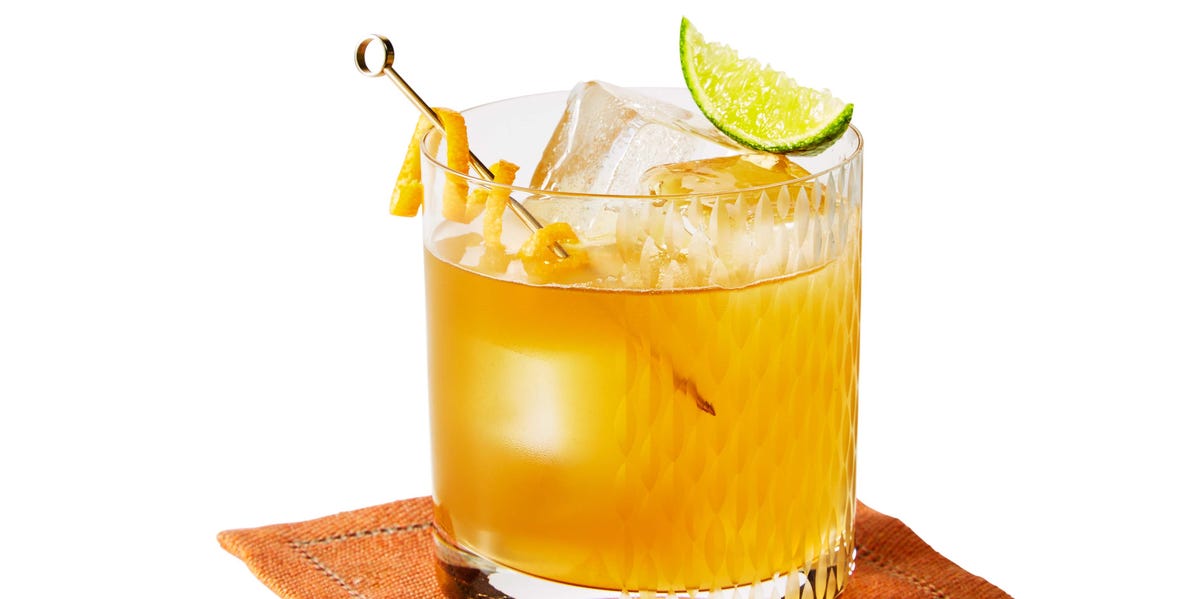
If you love the cozy idea of a maple whiskey sour but want something safer, friendlier, and still wildly sippable, you are in the right place. This non-alcoholic take captures the same sweet-tart energy people love in a classic sour: bright lemon, deep maple sweetness, a moody amber color, and a silky texture that feels a little fancy even if you are making it in a kitchen that still has cereal on the counter.
In other words, this is the drink for people who want cocktail-bar drama without the actual cocktail. It is bold, balanced, and just autumnal enough to make you feel like you should be wearing a sweater near a window. Even if it is 78 degrees and you are standing next to a refrigerator in flip-flops.
This article breaks down how to make the best maple whiskey sour-style mocktail, why maple syrup works so well, how to get that smooth sour-bar texture at home, and what little mistakes can turn a great drink into a lemony disappointment. You will also get serving ideas, variations, and a longer section on what the drink is like in real life, because recipes are one thing and actual sipping experience is another.
What Is a Maple Whiskey Sour, Exactly?
A traditional whiskey sour is built around a simple, reliable idea: a strong base, fresh citrus, and a sweetener. Maple whiskey sour recipes take that structure and replace plain simple syrup with pure maple syrup, which brings a deeper, rounder sweetness and a subtle woodsy character. The result is less candy-sweet and more cozy-sweet, which is a very real category even if it sounds made up.
For this alcohol-free version, the goal is not to copy whiskey perfectly. That usually leads to disappointment and dramatic sighing. The goal is to recreate the experience people love: sharp lemon, rich maple, gentle bitterness, a full-bodied sip, and a finish that feels sophisticated instead of sugary.
Why Maple Syrup Makes This Sour Better
It brings flavor, not just sweetness
Granulated sugar or plain syrup can sweeten a sour, but maple syrup adds personality. It has caramel-like depth, a lightly earthy finish, and a warm flavor that feels especially natural with citrus. That is why maple works so beautifully in cold-weather drinks and whiskey-inspired recipes.
It softens lemon without muting it
Fresh lemon juice is bright and sharp. Maple syrup smooths out that brightness instead of flattening it. You still get the clean tang you expect in a sour, but it lands with more richness and less harshness.
It makes the drink feel seasonal
If simple syrup is a plain white T-shirt, maple syrup is a soft flannel. Both have their place. One just has stronger fall energy.
The Best Non-Alcoholic Base for a Maple Whiskey Sour-Style Drink
Since this version skips alcohol, you need something that still gives the drink structure. The easiest option is strong chilled black tea, especially a smoky tea such as lapsang souchong or a robust breakfast tea. It gives the drink color, tannin, and enough backbone to stand up to lemon and maple.
If you prefer, you can use a zero-proof whiskey alternative. That can give the drink more spice and oak-style notes, but it is not required. A strong tea base is budget-friendly, easy to find, and surprisingly effective.
A tiny splash of apple cider can also help if you want more body and a rounder autumn flavor. Used carefully, it adds depth without turning the drink into liquid pie.
Ingredients for the Best Maple Whiskey Sour-Style Mocktail
- 2 ounces chilled strong black tea or smoky tea concentrate
- 1 ounce fresh lemon juice
- 3/4 ounce pure maple syrup
- 1/2 ounce aquafaba (the liquid from unsalted chickpeas), optional, for foam
- 1/2 ounce chilled apple cider, optional, for roundness
- Ice
- Orange peel or thin lemon wheel, for garnish
- Brandied cherry or regular cherry, optional
If you want the cleanest, brightest version, use only tea, lemon, maple, and aquafaba. If you want something more autumnal and mellow, add the apple cider. Either way, fresh lemon juice matters. Bottled lemon juice can work in a pinch, but it tends to taste flatter and less lively.
How To Make Maple Whiskey Sour Without Alcohol
- Chill your glass. A rocks glass or coupe works well. Cold glass, happier drink.
- Add the ingredients to a shaker. Pour in the tea, fresh lemon juice, maple syrup, and aquafaba if using. Add the apple cider if you want a softer, rounder finish.
- Dry shake first. Shake without ice for about 10 seconds. This helps create a better foam if you are using aquafaba.
- Add ice and shake again. Shake hard for 15 to 20 seconds until the shaker feels very cold.
- Strain and serve. Strain into your chilled glass over fresh ice, or serve up in a coupe for a smoother, more polished presentation.
- Garnish. Add a strip of orange peel, a lemon wheel, or a cherry if you want the drink to look like it has its life together.
How It Should Taste
The best maple whiskey sour-style mocktail should hit in layers. First comes citrus brightness, then that mellow maple depth, then a faint tannic backbone from the tea. If you use aquafaba, the top should be soft and frothy, giving the first sip a creamy edge. It should taste balanced, not sugary, not aggressively sour, and definitely not like warm lemonade trying to win an acting award.
If your drink tastes too tart, add another small drizzle of maple syrup. If it feels too sweet, add a little more lemon. If it tastes weak or watery, your tea may not have been strong enough or your shake may have over-diluted the drink.
Common Mistakes That Ruin a Good Sour
Using weak tea
This drink needs a backbone. Brew the tea stronger than you would for casual sipping. A thin base gets buried under lemon and maple almost instantly.
Skipping fresh citrus
Fresh lemon is the difference between “wow, that is refreshing” and “this tastes like a cleaning product had a hobby.” It is worth squeezing the lemon.
Pouring maple syrup like you are trying to impress a pancake
Maple syrup is beautiful, but it is still a sweetener. Too much and the drink becomes heavy. Start balanced, then adjust.
Under-shaking
A sour needs chill, dilution, and texture. A lazy shake gives you a drink that tastes unfinished. Commit to the shake. This is your tiny arm workout for the day.
Easy Variations to Try
Cinnamon Maple Sour
Add a tiny pinch of cinnamon or a quick cinnamon-stick stir for a warmer finish. Go light. You want “gently cozy,” not “holiday candle exploded in my glass.”
Smoky Maple Sour
Use a smoky tea base to create a deeper, more whiskey-like impression. This is one of the best options if you want the drink to feel more grown-up and layered.
Apple Maple Sour
Increase the apple cider slightly for a rounder, softer sip. This version pairs especially well with cool weather and savory snacks.
Sparkling Maple Sour
Shake the base drink, then top with a splash of sparkling water for a lighter, brunch-friendly version. It becomes less plush and more crisp, but still tastes polished.
What To Serve With a Maple Whiskey Sour-Style Mocktail
This drink loves salty, smoky, and savory foods. Think sharp cheddar, roasted nuts, bacon-free loaded potato skins, crispy mushroom flatbreads, grilled sandwiches, and soft pretzels with mustard. It also pairs nicely with dessert, especially apple crisp, pecan bars, maple cookies, or simple shortbread.
If you are serving it at a gathering, it works particularly well as a welcome drink because it feels special without being heavy. It is also easy to scale up for a small batch. Brew strong tea in advance, mix the lemon and maple separately, then shake each serving fresh so it still tastes lively.
When This Drink Really Shines
The maple whiskey sour-style mocktail is at its best when you want a drink that feels a little dressed up. It is excellent for fall dinners, Thanksgiving tables, movie nights, game nights, cold-weather brunches, and those weird in-between hours when you want something more exciting than soda but less chaotic than a five-step café order.
It also works when you want a drink that does not scream “I am the designated substitute.” Done well, this tastes intentional. It belongs at the table. It is not a pity beverage. That matters more than people admit.
Experience Notes: What This Drink Feels Like in Real Life
The first time you make a really good maple whiskey sour-style mocktail, the surprise is not that it tastes nice. The surprise is that it tastes complete. A lot of non-alcoholic drinks are either aggressively fruity or painfully sweet, like they were designed by someone who thinks adulthood is just juice in a fancy glass. This one is different. It has edges. It has weight. It has that small, satisfying seriousness that makes you slow down after the first sip and think, “Oh. That is actually excellent.”
It is also one of those rare drinks that feels equally at home in a few different settings. At a holiday gathering, it reads festive without relying on glitter, candy canes, or enough cranberries to decorate a middle school bulletin board. Set it beside a cheese board and a tray of roasted snacks, and suddenly the whole room feels more put together. People assume you planned things. You do not have to tell them the garnish was a last-minute decision made while standing in front of the fridge.
On a quiet night, this drink has a completely different personality. It feels calm and a little luxurious, especially if you serve it over one large cube in a heavy glass. The maple gives it a deeper comfort than a standard lemon drink, and the tea makes it feel almost meditative. It is the kind of thing you sip while reading, watching a movie, or pretending you are the kind of person who lights a candle before answering emails. Whether or not that is true is between you and your inbox.
It is also surprisingly good for brunch, especially if you use a brighter black tea and keep the maple slightly lighter. In that setting, the drink becomes more refreshing and less fireside. Add a sparkling splash and it suddenly makes sense with waffles, roasted breakfast potatoes, and eggs. Without the sparkle, it leans more toward late afternoon and early evening. The same drink can shift moods just by changing the glass, the garnish, and the ratio a little. That versatility is part of its charm.
Another strong point is that the drink invites tinkering without falling apart. Some recipes get grumpy when you improvise. This one is more forgiving. A little extra lemon makes it brisker. A touch more maple softens the corners. Smoky tea gives it more complexity, while plain black tea keeps it approachable. Apple cider pushes it seasonal. Cinnamon nudges it toward dessert. You can make it elegant, cozy, crisp, or plush depending on the moment.
And then there is the texture. If you use aquafaba and shake well, you get that soft foam cap that makes the first sip feel almost creamy. It adds a layer of polish that makes the drink feel much more bar-style, even though the ingredient itself is hilariously humble. It is chickpea liquid. That fact never stops being funny. Yet there it is, making your mocktail look like it graduated with honors.
What makes the best version memorable, though, is balance. The drink should not taste like dessert, and it should not punch you in the face with lemon. It should feel calm, layered, and just sharp enough to stay interesting. When you get that right, the experience is oddly satisfying. It tastes adult without relying on alcohol, seasonal without being gimmicky, and fancy without demanding a cabinet full of niche ingredients.
That is why this maple whiskey sour-style mocktail works so well for real life. It is not trying too hard. It knows what it is doing. And when a drink tastes this thoughtful, nobody misses what is not in the glass.
Conclusion
If you want the best maple whiskey sour experience without making an alcoholic drink, the winning formula is simple: use a bold non-alcoholic base, squeeze fresh lemon, sweeten with real maple syrup, and shake it like you mean it. The result is bright, rich, balanced, and just fancy enough to feel like a treat.
More importantly, it is flexible. You can make it smoky, sparkling, cinnamon-kissed, or softly apple-forward depending on the season and the crowd. That kind of range is what turns a one-time recipe into a repeat drink. And honestly, any beverage that can handle brunch, movie night, and a holiday snack board without becoming embarrassing deserves a little respect.
“` :