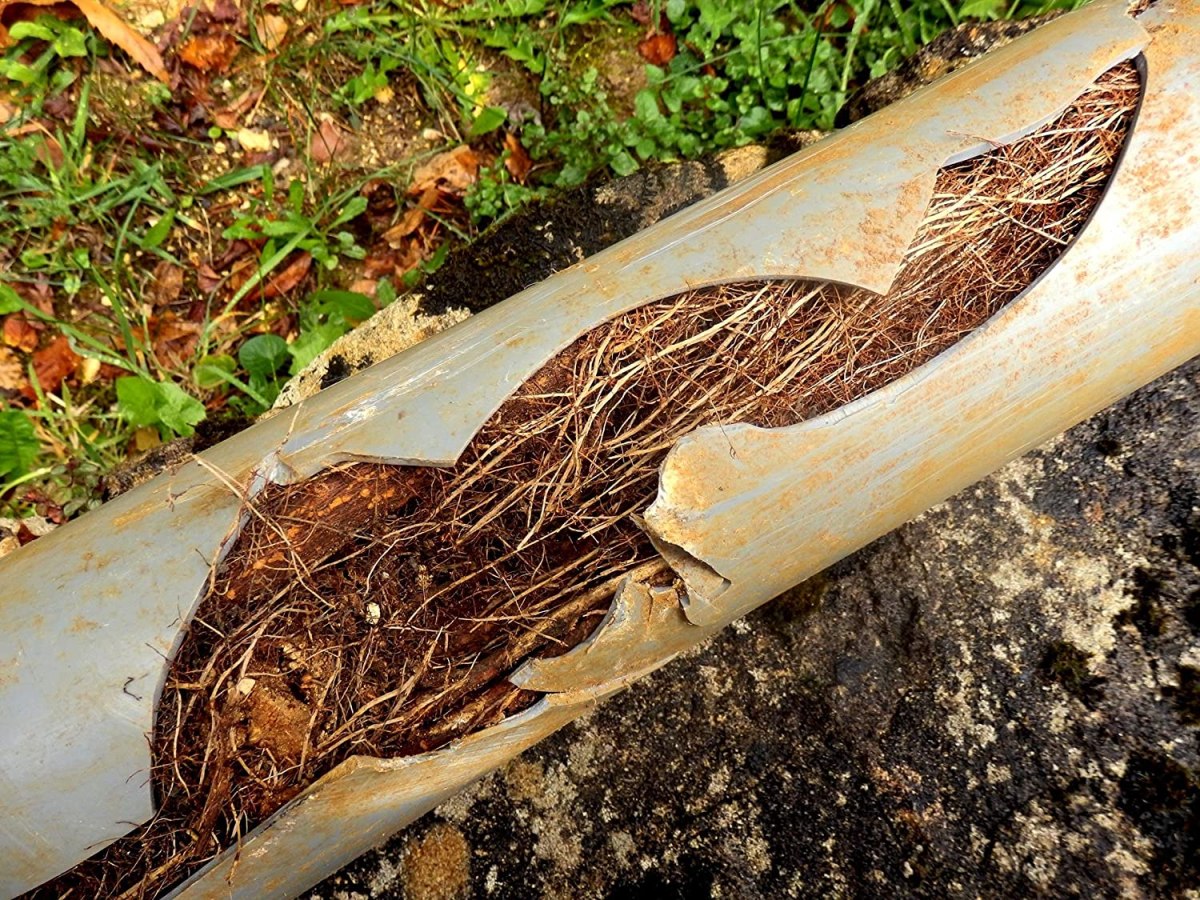
Tree roots are excellent at two things: finding water and ruining your afternoon. When tiny feeder roots discover a small crack, loose joint, or damp seam in a sewer pipe, they do not politely knock. They creep in, thicken, trap toilet paper and grease, and eventually create the kind of clog that makes every drain in the house act like it has joined a protest.
That is where the best root killers for sewer lines come in. These products are designed to kill or dehydrate roots inside drainpipes so water can move again and future growth is slowed. The smartest approach, however, is not simply dumping the strongest chemical into the toilet and hoping for plumbing magic. Different products work in different ways, and the right choice depends on your pipe material, septic system, severity of the clog, environmental concerns, and whether water can still flow through the line.
This guide takes inspiration from Bob Vila-style product comparisons and expands the topic with practical buying advice, safety notes, and real-world homeowner experience. Think of it as a friendly plumbing aisle translatorminus the panic, the mystery labels, and the awkward moment when you ask a store associate where the “tree root poison for toilets” is located.
Why Tree Roots Invade Sewer Lines
Tree roots do not usually smash their way through perfectly sealed modern pipes. More often, they take advantage of existing weaknesses: cracked clay tile, aging cast iron, separated PVC joints, loose caps, or poorly sealed connections. Sewer lines offer roots exactly what they wantmoisture, oxygen, and nutrients. If even a small leak exists, roots can sense the buffet and start moving in.
Older homes are especially vulnerable because clay and cast-iron sewer lines may have many joints and decades of wear. Once roots enter the pipe, they form a net that catches debris. A little slowdown becomes a stubborn clog, and a stubborn clog becomes a backup. By the time the bathtub gurgles when the toilet flushes, your sewer line may already be hosting a root convention.
What to Look for in the Best Root Killers for Sewer Lines
Formula Type
Root killers usually come as foam, crystals, granules, or liquid. Foaming root killers expand inside the pipe and cling to the top and sides, which matters because roots often enter from upper pipe joints. Crystal products, often made with copper sulfate, travel with water and kill roots on contact. They can be effective, but they must be used carefully and only according to the label.
Active Ingredient
The two big categories are copper sulfate and copper-free foaming formulas. Copper sulfate is a long-used root control ingredient that can kill roots inside sewer lines, but it may be harsher on the environment and may be restricted in some areas. Copper-free products may use ingredients such as sodium chloride, sodium lauryl sulfate, baking soda, or dichlobenil. Dichlobenil is commonly found in professional-style foaming root control products and is valued because foam helps carry the herbicide around the pipe interior.
Speed of Results
No root killer works like a superhero in a cape. If the pipe is completely blocked, chemicals may not reach the roots effectively. Foaming products may show improvement in several days, while copper sulfate treatments may take several weeks as roots die, decay, and begin to wash away. If sewage is already backing up into the home, call a plumber first and save the root killer for maintenance after the line is opened.
Septic and Pipe Compatibility
Many root killers are marketed as safe for septic systems, but labels matter. Copper sulfate can temporarily affect septic bacterial activity, and some areas restrict its use. It should not be poured into sinks, tubs, or shower drains because metal components may corrode. For older metal pipes, fragile Orangeburg pipe, or unknown plumbing materials, a camera inspection is a smarter first move than chemical guesswork.
Best Root Killers for Sewer Lines: Product Picks
The following picks reflect common Bob Vila-style categories: best overall, best value, best foaming option, eco-conscious alternatives, heavy-duty choices, and products worth considering for recurring root problems.
| Product | Best For | Formula | Main Ingredient Type |
|---|---|---|---|
| Green Gobbler Foaming Root Killer | Best overall for easy copper-free treatment | Foam | Salt and surfactant-based formula |
| Zep Root Kill | Budget-friendly root control | Crystals | Copper sulfate |
| Roebic Foaming Root Killer | Best foaming herbicide option | Foam | Dichlobenil |
| Rooto Copper Sulfate Root Killer | Traditional sewer and septic root control | Crystals | Copper sulfate |
| Roebic K-77 Root Killer | Heavy-duty recurring root issues | Crystals | Copper sulfate |
| Sanco Industries Root Destroyer | Also consider for copper sulfate treatment | Crystals | Copper sulfate |
| RootX Foaming Root Killer | Professional-style maintenance | Foam | Dichlobenil |
1. Green Gobbler Foaming Root Killer: Best Overall
Green Gobbler Foaming Root Killer is a strong pick for homeowners who want a copper-free formula that is simple to apply. It is designed to foam inside the pipe, cling to root growth, dehydrate roots, and help prevent regrowth when used as directed. Because it contains no copper sulfate, it is often preferred by people who want a gentler option for pipes, soil, and nearby trees.
This product is especially useful for preventive maintenance when the sewer line still drains but has a history of root intrusion. The typical application involves flushing product through a first-floor toilet or cleanout during a low-use period, then avoiding water use for several hours so the foam has time to work. It is not the best choice for an emergency backup, but as a maintenance tool, it earns its popularity.
2. Zep Root Kill: Best Bang for the Buck
Zep Root Kill is a copper sulfate crystal product aimed at homeowners who need an affordable, straightforward root control option. Copper sulfate products are often applied in small increments through the toilet closest to the sewer line, then flushed toward the root area. When copper sulfate reaches the roots, it kills the root tissue inside the pipe without necessarily killing the entire tree.
The main advantage is cost-effectiveness. The main caution is responsibility. Copper sulfate should be used sparingly, never poured into sinks or tubs, and avoided where local rules prohibit it. It may also take weeks to improve flow, so patience is part of the package. If your plumbing emergency involves rising water and nervous foot-tapping, Zep is not a substitute for mechanical clearing.
3. Roebic Foaming Root Killer: Best Foaming Herbicide
Roebic Foaming Root Killer uses a copper-free dichlobenil formula. Its foam helps distribute the active ingredient throughout the pipe so it can reach roots above the waterline. That coverage gives foaming products an edge over crystals that may mostly travel along the bottom of the pipe.
This product is a good fit for recurring root problems where a homeowner wants twice-a-year prevention. It is also useful after mechanical cleaning because freshly cut roots are exposed and easier for treatment to contact. Roebic tends to cost more per treatment than some crystal products, but the full-pipe coverage is the reason many homeowners consider it worth the upgrade.
4. Rooto Copper Sulfate Root Killer: Traditional Root Control
Rooto Copper Sulfate Root Killer is another classic crystal-style treatment for roots in sewer lines, drain fields, and septic-related piping. It targets root growth on contact and may help prevent roots from returning once the initial blockage is controlled.
This product appeals to homeowners who want a familiar, old-school approach. Still, “old-school” should not mean “pour wildly and hope.” Copper sulfate can irritate skin and eyes and may be harmful to aquatic environments. Gloves, eye protection, careful measuring, and label-following are not optional accessories. They are the difference between smart maintenance and backyard chemistry theater.
5. Roebic K-77 Root Killer: Best Heavy-Duty Option
Roebic K-77 is a copper sulfate-based root killer often selected for tougher root intrusion in sewer pipes and septic systems. It is designed to kill roots inside the line while leaving the broader tree or shrub intact. The product is typically added through a toilet or directly through a septic access point, depending on the system and label directions.
It can be helpful for persistent problems, but it requires restricted water use after application so the chemical has enough contact time. Like other copper sulfate products, it should not be treated as a casual drain cleaner. Use it only when root intrusion is likely and water can still move through the line.
6. Sanco Industries Root Destroyer: Also Consider
Sanco Industries Root Destroyer is another copper sulfate crystal product designed to kill roots growing inside main drain lines. It is typically applied through the toilet nearest the main sewer line in measured increments. Its strength is simplicity: no complicated equipment, no digging, and no need to identify every root strand by name.
The trade-off is the same as with other copper sulfate treatments. It can be effective, but it must be used responsibly. Homeowners with septic systems, older metal drains, or properties near sensitive waterways should be especially cautious and may want to ask a local plumber or sewer authority before applying it.
7. RootX Foaming Root Killer: Professional-Style Maintenance
RootX is a well-known foaming root control product that uses dichlobenil and foam to coat pipe walls. It is often used by professionals and is also available in residential sizes. The foam helps carry the active ingredient to roots growing at the top and sides of the pipe, while degreasing agents help expose root surfaces.
This is a strong option for homeowners who already know they have recurring root intrusion and want a scheduled maintenance plan. It is often best used after a plumber has cut or jetted the line, because the product can then contact remaining root tissue more effectively.
Foaming Root Killer vs. Copper Sulfate: Which Is Better?
For many homeowners, foaming root killer is the better first choice. Foam expands, coats more of the pipe, and is more likely to reach roots that grow above the waterline. Copper sulfate is often effective, but it tends to travel with water along the bottom of the pipe, which may limit contact with roots higher up.
Copper sulfate still has a place. It is widely available, usually affordable, and can work well when used correctly. However, it may be slower and carries more environmental cautions. If your priorities are lower toxicity, easier coverage, and preventive maintenance, a foaming product is often the smarter pick. If your priority is a low-cost traditional treatment and local rules allow it, copper sulfate may make sense.
How to Use Root Killer Safely
First, read the label. Then read it again, because sewer lines are not the place for freestyle interpretation. Wear gloves, long sleeves, and eye protection. Apply the product through the recommended access point, usually a toilet closest to the sewer line or a cleanout. Avoid using water for the recommended period so the product remains in contact with roots.
Never mix root killers with other drain cleaners. Do not use copper sulfate in sinks, tubs, or showers. Do not exceed label limits. Do not apply products in storm drains. If you have a septic system, verify that the product is approved for your setup and legal in your state or municipality.
If there is no drainage at all, call a plumber before using chemicals. Root killers need water flow to reach the root mass. A fully blocked pipe may require snaking, hydro jetting, or mechanical cutting before chemical maintenance will do anything useful.
When to Call a Plumber Instead
Call a professional if multiple drains back up at once, sewage appears in a tub or floor drain, toilets gurgle frequently, the yard smells like wastewater, or the problem keeps returning after treatment. A camera inspection can reveal whether the pipe is cracked, collapsed, offset, invaded by roots, or simply blocked by debris.
Root killer treats roots; it does not repair the pipe opening that allowed roots inside. If roots keep returning, the permanent fix may be pipe lining, spot repair, rerouting, or full sewer line replacement. That sounds expensive because, unfortunately, it often is. But repeated emergency cleanings can also become a subscription service nobody asked for.
How to Prevent Roots From Coming Back
Use root killer as a maintenance product, not a miracle cure. Many homeowners treat problem lines once or twice a year depending on the product label and severity of intrusion. Foaming products may be used more frequently if the label allows. Copper sulfate labels typically restrict how often and how much can be applied.
Beyond chemicals, keep grease, wipes, paper towels, and heavy food scraps out of drains. Schedule periodic sewer camera inspections if your home has older clay or cast-iron lines. When planting new trees, choose smaller, slower-growing species and avoid planting directly over sewer lines. There is no perfectly “sewer-safe” tree, but smart placement and healthy soil can reduce pressure on underground utilities.
Practical Experiences: What Homeowners Learn After Fighting Sewer Line Roots
One of the biggest lessons homeowners learn is that tree-root problems rarely arrive with dramatic music. At first, the signs are small: a shower that drains a little slower, a toilet that burps once in a while, a basement floor drain that smells odd after heavy rain. Many people ignore these clues because plumbing problems are like dentist appointmentseasy to postpone until something hurts. By the time several fixtures slow down at once, the sewer line may already be partially packed with roots and debris.
Another common experience is discovering that a chemical product works best after the line has been opened mechanically. Homeowners sometimes pour root killer into a nearly blocked pipe and expect instant relief. Instead, the product may sit in the wrong part of the line or fail to reach the root mass. After a plumber snakes or jets the pipe, however, a foaming root killer can contact the remaining root ends and help delay regrowth. The practical sequence is often: inspect, clear, treat, maintain. Skip the first two steps, and the treatment has to work much harder.
People also learn that “safe for pipes” does not mean “use as much as you want.” More product is not better if the label says otherwise. With copper sulfate especially, overuse can create environmental concerns and may conflict with local sewer rules. A responsible homeowner measures carefully, applies during low water use, keeps pets and kids away from the product, and stores leftovers securely. The goal is to kill roots in the pipe, not conduct a blue-crystal science fair in the bathroom.
Timing matters, too. Many homeowners get better results when they treat before the worst season for root growth or immediately after a professional cleaning. Spring and late summer or early fall are common maintenance windows for root-prone sewer lines. Applying product right before a weekend full of laundry, showers, and dishwasher cycles is not ideal because the treatment may wash through too quickly. Overnight application often gives the product longer contact time.
The most valuable experience, though, is learning when to stop treating and start repairing. If roots return every few months, the pipe likely has a structural problem. Chemical root killers may buy time, but they cannot reseal cracked clay, restore collapsed pipe, or fix offset joints. Homeowners who eventually invest in camera inspection often feel annoyed that they waited so long. Seeing the actual pipe condition removes guesswork and helps decide whether maintenance, lining, or replacement is the smarter long-term move.
In short, root killers are useful tools, not magic potions. Used correctly, they can reduce clogs, extend the time between cleanings, and keep a vulnerable sewer line flowing. Used blindly, they can waste money and delay the repair that the pipe really needs. Treat the product as part of a plan, and your sewer line has a much better chance of staying boringwhich, in plumbing, is the highest compliment.
Final Verdict
The best root killer for sewer lines depends on your goal. For most homeowners, a copper-free foaming product such as Green Gobbler is a practical first pick because it is easy to apply and designed to coat the pipe. Roebic Foaming Root Killer and RootX are excellent choices when you want foam plus dichlobenil for stronger preventive control. Zep, Rooto, Roebic K-77, and Sanco Root Destroyer remain useful copper sulfate options, especially for budget-conscious homeowners dealing with confirmed root intrusion.
The golden rule is simple: if the line is fully blocked or sewage is backing up, call a plumber. If the line is open but prone to roots, choose a root killer that fits your plumbing system, follow the label exactly, and use it as part of a maintenance routine. Your trees can keep being beautiful, your pipes can keep being functional, and your bathroom can remain a peaceful place instead of a plumbing crime scene.