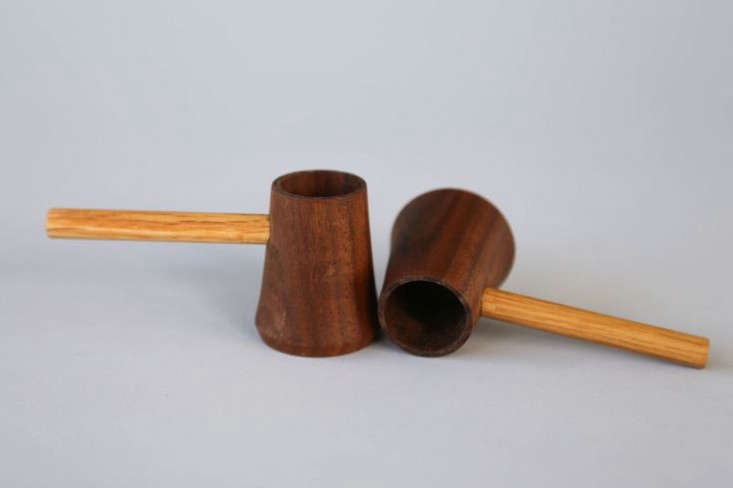
A walnut coffee scoop is one of those tiny kitchen tools that looks almost too simple to deserve a full article. It does not beep, glow, sync to Wi-Fi, or remind you that you forgot your password again. It just sits quietly beside your coffee beans, looking warm, polished, and slightly more sophisticated than the rest of us before caffeine. Yet for coffee lovers, home brewers, gift shoppers, and anyone building a cozy coffee bar, a walnut coffee scoop can be surprisingly useful.
At its core, a walnut coffee scoop is a wooden coffee measuring spoon, often handmade from black walnut or American walnut. Many designs measure about one tablespoon of ground coffee, while some larger scoops are sized for whole beans or specialty brewing. But its appeal goes beyond measurement. Walnut wood has a naturally rich brown color, attractive grain, and a smooth feel that makes a morning routine feel less like a chore and more like a small ritual. In a world full of plastic gadgets and stainless-steel sameness, a walnut scoop brings a little cabin-in-the-woods energy to your countertopwithout requiring you to actually chop firewood.
This guide explores what makes a walnut coffee scoop special, how to use one correctly, what to look for when buying one, how to care for it, and why this humble tool has become a favorite among people who take coffee seriously but still enjoy a little charm with their caffeine.
What Is a Walnut Coffee Scoop?
A walnut coffee scoop is a coffee measuring spoon made from walnut wood. It is commonly used to scoop ground coffee, whole coffee beans, loose-leaf tea, cocoa powder, matcha, spices, sugar, or other dry ingredients. Most coffee scoops are designed around a practical kitchen measurement, often one tablespoon, though the actual capacity can vary depending on the maker, shape, depth, and whether the scoop is intended for grounds or beans.
Walnut is popular because it offers both beauty and function. The wood usually ranges from medium brown to deep chocolate brown, sometimes with lighter streaks, darker lines, or dramatic grain patterns. No two walnut scoops look exactly alike, which is part of the appeal. A plastic scoop says, “I came in a bag of coffee.” A walnut scoop says, “I have opinions about pour-over technique and possibly own a linen apron.”
Common Types of Walnut Coffee Scoops
Walnut coffee scoops come in several styles. Some are short and rounded, ideal for sitting inside a coffee canister. Others have longer handles for reaching into tall bags or jars. A few include built-in clips, allowing the scoop to seal a coffee bag after use. Handmade versions may be carved, lathe-turned, sanded by hand, or finished with food-safe oil and wax.
The most common styles include:
- One-tablespoon scoops: Great for everyday drip coffee and quick measuring.
- Long-handle scoops: Useful for deep containers and large coffee bags.
- Scoop clips: A smart two-in-one design that measures coffee and seals the bag.
- Hand-carved scoops: Unique artisan pieces with natural curves and visible maker details.
- Large bean scoops: Better for whole beans, especially when weighing coffee before grinding.
Why Walnut Wood Works So Well for Coffee Tools
Walnut is a favorite in fine woodworking because it is durable, visually rich, and pleasant to shape. It is often used in furniture, cutting boards, bowls, utensils, and decorative kitchen accessories. For a coffee scoop, walnut offers a balance of strength and elegance. It feels sturdy in the hand without being clunky, and its natural color pairs beautifully with coffee’s own warm brown tones.
One reason walnut works well for small kitchen tools is that it has enough hardness for daily handling while still being workable for carving and shaping. A well-made walnut coffee measuring spoon should feel smooth, comfortable, and balanced. The scoop bowl should be sanded carefully so coffee grounds release easily instead of getting trapped in rough spots. The handle should feel natural, not like a tiny wooden canoe paddle that lost its sense of direction.
Natural Beauty Without Loud Design
Walnut has a quiet luxury. It does not need bright paint, fake shine, or decorative chaos. The grain does the talking. Some walnut scoops look sleek and modern; others feel rustic and handmade. This versatility makes them easy to match with many kitchen styles, from farmhouse to minimalist, Scandinavian to traditional.
If your coffee station includes glass jars, ceramic mugs, a burr grinder, and a few neatly folded towels, a walnut scoop fits right in. If your coffee station is currently a half-open bag of beans next to a suspicious spoon, a walnut scoop may be the little upgrade that convinces the whole area to behave.
How Much Coffee Does a Walnut Coffee Scoop Hold?
The answer depends on the scoop. Many walnut coffee scoops are designed to hold one tablespoon of ground coffee. However, coffee is tricky because volume measurements are not as exact as weight measurements. A tablespoon of finely ground coffee weighs more than a tablespoon of coarse French press coffee. Whole beans also leave more air space in the scoop than ground coffee does.
For general home brewing, a common starting point is one to two tablespoons of ground coffee for every six ounces of water. Many coffee enthusiasts prefer weighing coffee in grams for better accuracy, especially for pour-over, AeroPress, espresso, and French press. A popular specialty coffee starting range is roughly one part coffee to 15–18 parts water by weight, depending on taste and brewing method.
So where does that leave the walnut coffee scoop? It is best viewed as a practical daily tool, not a laboratory instrument. For casual brewing, it gives you consistency. For precision brewing, it helps transfer beans or grounds to a scale. In both cases, it keeps your fingers out of the coffee bag, which is already a major victory for kitchen civilization.
Example Brewing Measurements
Here are simple examples for using a one-tablespoon walnut coffee scoop:
- Light everyday cup: Use one level scoop for six ounces of water.
- Stronger drip coffee: Use two level scoops for six ounces of water.
- 12-ounce mug: Start with two to four scoops, then adjust to taste.
- French press: Use the scoop for portioning, but consider weighing coffee for better consistency.
- Whole bean brewing: Scoop beans into a grinder or scale before grinding fresh.
The best rule is simple: use the scoop the same way each time, taste the result, and adjust. Coffee is personal. Some people like it bright and light. Others want it strong enough to negotiate with Monday morning.
Walnut Coffee Scoop vs. Metal, Plastic, and Ceramic Scoops
A walnut coffee scoop is not the only option. Coffee scoops are commonly made from stainless steel, plastic, ceramic, bamboo, olive wood, maple, cherry, and other materials. Each has advantages, but walnut holds a special place for people who care about both function and aesthetics.
Walnut vs. Plastic
Plastic scoops are lightweight, inexpensive, and often included with coffee makers or coffee bags. They work, but they rarely feel special. Plastic can scratch, stain, and look tired over time. A walnut coffee scoop, on the other hand, feels more permanent and intentional. It is the difference between eating takeout with a disposable fork and setting the table like you actually respect your sandwich.
Walnut vs. Stainless Steel
Stainless-steel scoops are durable, easy to clean, and modern-looking. They are excellent for people who want a dishwasher-safe tool. Walnut is not dishwasher-safe, but it offers warmth, quiet handling, and a softer visual presence. It will not clank against a glass jar or metal canister the way steel can. For a peaceful morning coffee routine, that small detail matters more than it shouldbut before coffee, all sounds are personal attacks.
Walnut vs. Ceramic
Ceramic scoops can be beautiful, but they are breakable. Walnut is lighter and more forgiving. Drop a walnut scoop, and it will probably survive. Drop a ceramic scoop, and suddenly your morning includes sweeping, sadness, and possibly a new vocabulary word.
How to Choose the Best Walnut Coffee Scoop
When shopping for a walnut coffee scoop, do not choose based only on looks. A good scoop should be comfortable, practical, food-safe, and well-finished. Since many walnut scoops are handmade, small differences are normal and even desirable. But quality still matters.
1. Check the Capacity
Look for a clear measurement. If the product says “one tablespoon,” “two tablespoons,” or lists grams for coffee beans, that helps you decide whether it fits your brewing habits. For drip coffee, a one-tablespoon scoop is easy to use. For whole beans and scale-based brewing, a larger scoop may be more convenient.
2. Look for a Food-Safe Finish
A walnut coffee scoop should be finished with food-safe oil, mineral oil, beeswax, walnut oil, tung oil, or another finish suitable for kitchen tools. Avoid scoops with unknown stains, heavy varnishes, or decorative coatings that are not intended for food contact. The finish should protect the wood while still letting the natural grain show.
3. Consider Handle Length
A short scoop is compact and easy to store in a canister. A long-handle scoop is better for deep coffee bags or tall jars. If you buy large bags of beans, choose a longer handle. Your wrist should not have to go spelunking in a bag of dark roast.
4. Examine the Bowl Shape
The scoop bowl should be smooth and deep enough to hold coffee without spilling. A rounded bowl works well for ground coffee. A slightly wider bowl may be better for whole beans. The edge should not be sharp, rough, or uneven.
5. Think About Storage
Some walnut coffee scoops include a hanging hole, leather loop, magnetic strip, or bag clip. Others are meant to rest in a jar or drawer. If your coffee station is small, a scoop clip may be especially useful because it measures and seals the bag at the same time.
How to Use a Walnut Coffee Scoop for Better Coffee
Using a walnut coffee scoop is easy, but a few habits can improve your coffee dramatically.
Use Level Scoops for Consistency
Scooping a heaping mountain of coffee one day and a shy little scoop the next will create wildly different results. Use level scoops when measuring ground coffee. If you prefer stronger coffee, add another level scoop instead of creating a coffee volcano.
Pair the Scoop With a Scale
For the most consistent brewing, use the walnut scoop to move beans or grounds onto a digital scale. This gives you the beauty of a handmade tool and the precision of weight-based brewing. Your coffee gets better, and your scoop still gets to look charming on the counter.
Keep It for Dry Ingredients
A walnut coffee scoop is best for dry use. Coffee grounds, whole beans, tea leaves, sugar, cocoa, and spices are all good candidates. Avoid using it with wet ingredients, sticky syrups, or anything that requires soaking. Wood does not enjoy spa days in the sink.
How to Clean and Care for a Walnut Coffee Scoop
Walnut coffee scoops are easy to maintain when treated properly. The most important rule is this: do not put wooden coffee scoops in the dishwasher. Heat, moisture, and harsh detergent can dry out the wood, damage the finish, and cause cracking or warping.
Daily Cleaning
For everyday use with dry coffee, simply wipe the scoop with a clean, dry cloth. If it needs more cleaning, wash it gently by hand with mild soap and warm water. Rinse quickly, dry it immediately with a towel, and allow it to air-dry completely before storing.
Monthly Maintenance
When the wood starts looking dry or dull, apply a small amount of food-grade mineral oil or a wood-care product made for cutting boards and utensils. Rub it in with a soft cloth, let it absorb, then wipe away excess oil. This helps maintain the color, smoothness, and longevity of the scoop.
What to Avoid
- Do not soak the scoop in water.
- Do not put it in the dishwasher.
- Do not use bleach or harsh cleaners.
- Do not leave it near direct heat for long periods.
- Do not store it while damp.
With basic care, a walnut coffee scoop can last for years. It may even develop a richer patina over time, which is a fancy way of saying, “This tool has lived a useful life and still looks better than your phone charger.”
Is a Walnut Coffee Scoop a Good Gift?
Yes, a walnut coffee scoop makes an excellent gift, especially for coffee lovers, home baristas, housewarming parties, holiday baskets, wedding favors, office gifts, and anyone who enjoys thoughtful kitchen accessories. It is small, practical, attractive, and easy to pair with other items.
For a simple gift set, combine a walnut coffee scoop with a bag of fresh whole beans, a ceramic mug, and a small airtight coffee canister. For a more premium gift, add a burr grinder, pour-over dripper, or French press. The scoop becomes the finishing touchthe little detail that says, “I considered your morning routine and decided it deserved better than a random spoon.”
Walnut Coffee Scoop as Coffee Bar Decor
The rise of home coffee bars has made small tools more important. People are not just brewing coffee; they are creating a space. A walnut coffee scoop looks beautiful beside glass jars, matte black grinders, ceramic drippers, linen towels, and stoneware mugs. It adds texture and warmth without clutter.
Because walnut has a darker tone, it pairs especially well with cream, white, black, brass, copper, forest green, and soft gray. It also works nicely with natural materials like marble, slate, rattan, cotton, and handmade ceramics. In short, it is the kind of object that makes your countertop look curated, even if there is a cereal box just outside the camera frame.
Common Mistakes to Avoid
Buying Only for Looks
A gorgeous scoop that does not measure well or feels awkward in the hand may become decoration instead of a tool. Look for function first, then beauty. Ideally, choose both.
Assuming Every Scoop Holds the Same Amount
One walnut scoop may hold one tablespoon, while another may hold slightly more or less. Always check the product description or test it at home with a standard measuring spoon.
Using It as a Wet Spoon
Walnut scoops are best for dry ingredients. Using one for wet ingredients can shorten its life and affect the finish.
Skipping Maintenance
Wood needs occasional care. If your scoop looks dry, oil it. This takes less time than scrolling through three coffee grinder reviews and arguing with yourself about burr size.
Experiences With a Walnut Coffee Scoop: Small Tool, Big Morning Energy
Living with a walnut coffee scoop is a small experience, but small experiences are often what shape a daily routine. The first thing people usually notice is the feel. A walnut scoop has warmth in the hand. Metal can feel cold first thing in the morning, and plastic can feel ordinary, but walnut feels calm. It is the kitchen equivalent of a deep breath before the caffeine storm arrives.
One practical experience comes from using it with whole beans. When beans are stored in an airtight jar, a walnut scoop makes the process clean and controlled. Instead of tipping the jar and accidentally launching beans across the counter like tiny caffeinated marbles, you scoop what you need, pour it into the grinder, and move on with dignity. Mostly. A few beans may still escape. Beans are dramatic.
Another experience is consistency. Even when you do not weigh every dose, using the same scoop every morning helps create a repeatable brew. You learn that two level scoops make your weekday cup, three make your “big meeting” cup, and four may lead to reorganizing the pantry at suspicious speed. Over time, the scoop becomes part of your internal coffee language.
There is also a sensory pleasure to it. Walnut against roasted coffee beans feels natural. The dark wood, the roasted aroma, the soft scrape against glass or ceramicthese details make brewing feel more intentional. This does not mean the coffee magically tastes better because the scoop is pretty. But when a routine feels better, you pay more attention. You measure more carefully, store beans more thoughtfully, and clean your tools more often. Better habits often lead to better coffee.
A walnut coffee scoop also changes how a coffee station looks. A regular spoon tossed into a bag of grounds is functional, yes, but it has the personality of a forgotten office stapler. A walnut scoop makes the setup look finished. Guests notice it. They pick it up, admire the grain, and ask where it came from. Suddenly, the smallest tool on the counter becomes the conversation starter. Not bad for something that cannot even plug into an outlet.
In gift-giving, the experience is equally strong. A walnut coffee scoop feels personal without being risky. You do not need to know someone’s clothing size, favorite color, or whether they secretly hate novelty mugs. If they drink coffee, they can use it. If they already own a scoop, they can use another for tea, sugar, cocoa, or decaf. And if they do not drink coffee, they may still appreciate it as a handmade kitchen piecethough you may need to gently question their morning choices.
The care routine becomes part of the experience, too. Wiping the scoop clean and occasionally oiling it gives the tool a sense of ownership. It ages with use. The color deepens, the surface becomes familiar, and the scoop starts to feel like it belongs to your kitchen rather than just sitting in it. That is the quiet magic of wooden tools: they do not stay factory-perfect, and that is the point.
Of course, a walnut coffee scoop is not for everyone. If you want everything dishwasher-safe, stainless steel may be better. If you measure every brew by gram and keep all tools hidden in drawers, the scoop may be more charming than necessary. But for people who enjoy practical beauty, it hits a sweet spot. It is useful, attractive, durable, giftable, and affordable enough to feel like a treat rather than a major purchase.
In the end, the walnut coffee scoop proves that good design does not have to be complicated. Sometimes it is just a small piece of wood, shaped well, finished safely, and used every morning to begin the day with a little more intention. And honestly, before the first cup of coffee, intention is already a heroic achievement.
Conclusion
A walnut coffee scoop is more than a pretty accessory. It is a useful coffee measuring spoon, a warm piece of natural design, and a simple way to make daily brewing feel more thoughtful. Whether you use it for ground coffee, whole beans, loose tea, cocoa, or sugar, a well-made walnut scoop brings charm and consistency to your kitchen.
The best walnut coffee scoop should have a comfortable handle, smooth bowl, clear capacity, and food-safe finish. Keep it dry, wash it by hand when needed, and refresh it occasionally with food-grade oil. Treat it well, and it can become one of those small everyday tools you reach for without thinkinguntil someone else notices it and says, “That scoop is beautiful.” Then you may smile like a person who absolutely knew that already.
Note: This article is original, web-ready content written in standard American English without external source-link markup or contentReference placeholders.