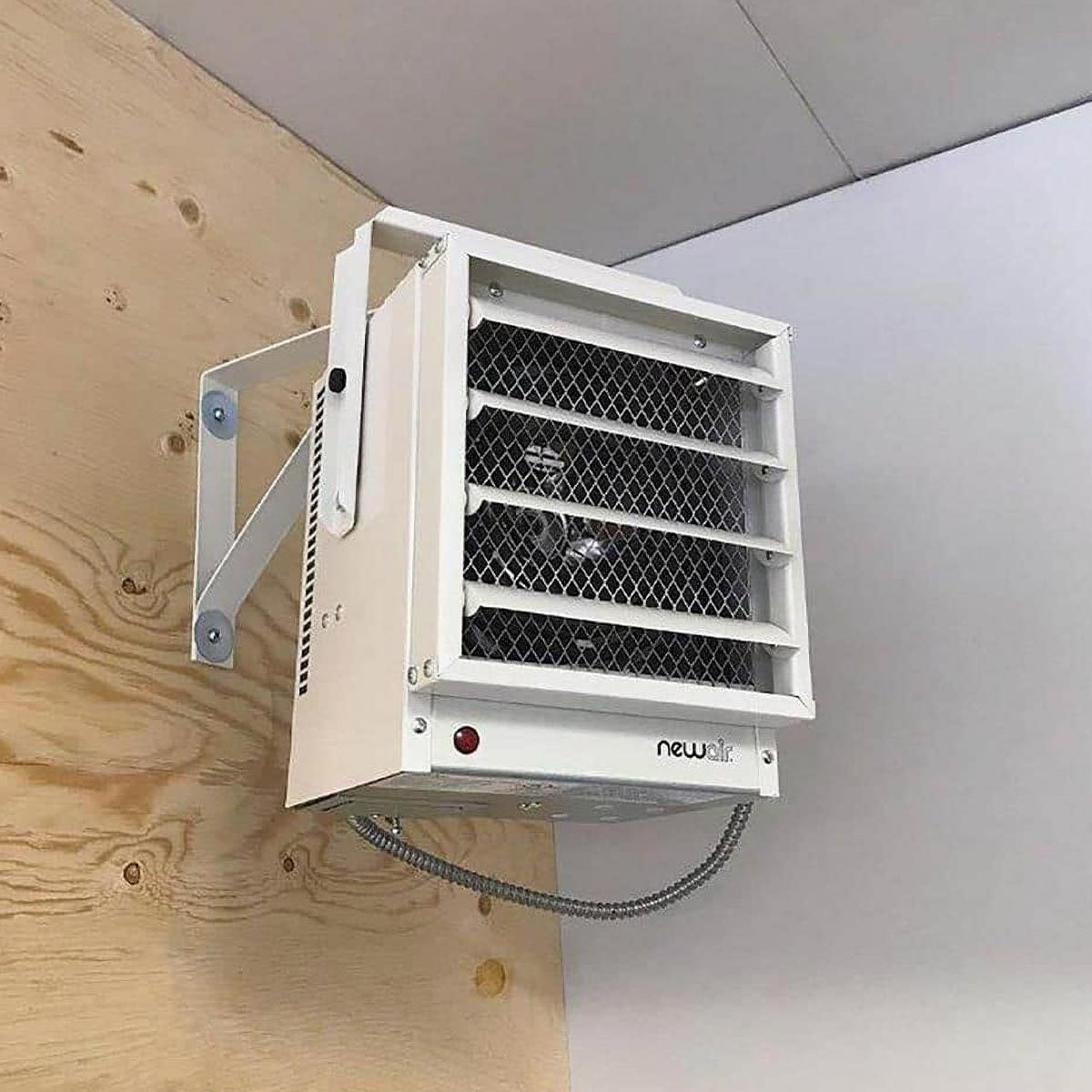
Winter has a special talent for turning a garage into a walk-in freezer with worse lighting. One minute you are tightening a bolt, the next you are negotiating with your fingers like they are independent contractors. That is where the best garage heaters in 2025 come in. A good heater can turn a cold garage, workshop, or hobby space into a usable winter-ready workspace without requiring you to dress like an Arctic documentary narrator.
Choosing the right garage heater is not just about grabbing the biggest BTU number on the box. A one-car insulated garage, a drafty two-car workshop, and a detached outbuilding all need different heating strategies. Electric garage heaters are clean and convenient, propane heaters are powerful and portable, and natural gas heaters can be excellent for long-term whole-garage heating. The trick is matching the heater to your space, electrical setup, ventilation, safety needs, and how you actually use the garage.
Below are six standout garage heaters for 2025, selected for real-world usefulness, heat output, safety features, installation style, and value. Some are best for quick spot heating. Others are better for warming a full garage before a long project. None of them will make sanding drywall enjoyable, but let’s be realistic: no heater has that kind of magic.
How to Choose the Best Garage Heater in 2025
1. Match Heat Output to Garage Size
Heat output is usually listed in watts for electric heaters and BTUs for gas or propane models. A small 120-volt electric heater may be enough for a workbench zone, while a 240-volt electric garage heater or gas unit is better for a larger two-car garage. If the garage is uninsulated, has concrete floors, or leaks air around the door, expect any heater to work harder.
2. Think About Power Source
Electric heaters are low-maintenance and do not create combustion fumes, but powerful models often require a 240-volt circuit or hardwired installation. Propane heaters deliver fast heat and portability, but they need proper ventilation and carbon monoxide awareness. Natural gas unit heaters are excellent for frequent garage use, though installation should be handled by a qualified professional.
3. Do Not Treat Safety as Optional
Garages often contain gasoline, solvents, sawdust, cardboard, paint, and other things that are very enthusiastic about catching fire. Keep heaters away from combustibles, follow manufacturer clearances, use carbon monoxide detectors with fuel-burning heaters, and never use a heater in a way the manual does not allow. Warm hands are great. A flaming shelf of old lawn chemicals is not a lifestyle upgrade.
Quick Comparison: 6 Best Garage Heaters in 2025
| Heater | Best For | Power/Fuel | Heat Output |
|---|---|---|---|
| Dr. Infrared Heater DR-988 | Portable 240V electric workshop heat | Electric | 5,600 watts |
| Comfort Zone CZ230ER | Ceiling-mounted electric garage heating | Electric | 7,500 watts |
| Mr. Heater Big Maxx MHU50NG | Whole-garage natural gas heat | Natural gas/LP conversion | 50,000 BTU |
| Heat Storm HS-1500-PHX-WIFI | Smart wall-mounted spot heating | Electric | 1,500 watts |
| Mr. Heater Portable Buddy MH9BX | Portable radiant propane heat | Propane | 4,000–9,000 BTU |
| Dyna-Glo Delux RMC-FA60DGD | Fast heat for ventilated garages and job sites | Propane | 30,000–60,000 BTU |
1. Dr. Infrared Heater DR-988: Best Portable 240V Electric Garage Heater
The Dr. Infrared Heater DR-988 is a strong pick for garage owners who want serious electric heat without committing to a permanent ceiling-mounted unit. It is a 240-volt industrial-style heater rated at 5,600 watts, making it far more capable than a standard plug-in 1,500-watt room heater.
This model is especially useful for workshops, construction areas, and garages where you want focused forced-air heat. It has a rugged metal housing, a built-in thermostat, and a portable form factor that lets you aim warmth toward the work area. For someone who spends winter weekends repairing bikes, sharpening tools, or pretending the project car will be finished “soon,” this heater makes the garage feel less like punishment.
The main catch is power. This is not a normal household outlet heater. You need the correct 240-volt receptacle and electrical capacity. If your garage only has standard 120-volt outlets, do not improvise with adapters or questionable extension cords. That is how a simple heater purchase becomes a visit from the fire department.
Best for: Medium garages, workshops, and users who want portable but powerful electric heat.
Skip it if: You do not have a suitable 240-volt outlet or do not want electrical upgrades.
2. Comfort Zone CZ230ER: Best Ceiling-Mounted Electric Garage Heater
The Comfort Zone CZ230ER is a 7,500-watt, 240-volt hardwired electric garage heater designed for wall or ceiling mounting. It is a great fit for people who want to save floor space and heat a larger garage more evenly than a small portable unit can manage.
Ceiling-mounted heaters make sense in busy garages because the floor is already occupied by cars, toolboxes, storage bins, extension cords, and at least one mystery object you have been meaning to throw away since 2018. By mounting the heater up and out of the way, the CZ230ER reduces clutter while pushing warm air across the space.
This heater includes a digital thermostat, remote control, timer function, fan-forced airflow, and overheat protection. It is best for homeowners who want a more permanent winter heating solution but prefer electric power over gas. Since it is hardwired, professional installation is strongly recommended unless you are properly qualified.
Best for: Two-car garages, workshops, and users who want permanent electric heat.
Skip it if: You need a plug-and-play heater or cannot support a 240-volt hardwired installation.
3. Mr. Heater Big Maxx MHU50NG: Best Natural Gas Garage Heater
The Mr. Heater Big Maxx MHU50NG is a 50,000-BTU forced-air natural gas unit heater built for garages, barns, and workshops. If you use your garage all winter and want something closer to real room heating instead of “stand three feet from the glowing box and hope,” this is one of the most practical choices.
Natural gas garage heaters can be cost-effective for frequent use, especially in colder regions. The Big Maxx mounts overhead, connects to a gas supply, and can be controlled with a compatible thermostat. It also includes an LP conversion kit, giving some flexibility depending on your fuel setup.
This is not a casual Saturday-morning installation. It requires gas connection, venting, clearances, and code-compliant setup. A licensed HVAC technician is the right person for the job. Once installed correctly, though, a unit like this can transform a cold garage into a real winter workspace for woodworking, wrenching, storage, and home projects.
Best for: Frequent garage users, larger spaces, and long-term heating.
Skip it if: You rent, cannot install venting, or only need occasional spot heat.
4. Heat Storm HS-1500-PHX-WIFI: Best Smart Wall Heater for Small Garage Zones
The Heat Storm HS-1500-PHX-WIFI is not designed to heat a cavernous, uninsulated garage by itself. That is important. But as a smart, wall-mounted infrared heater for a small garage zone, bench area, hobby corner, or insulated workspace, it is extremely convenient.
This 1,500-watt infrared heater mounts on the wall, helping keep the floor clear. Built-in Wi-Fi control lets you adjust settings from your phone, which is handy when you want the work area warmed before you step into the garage. Infrared heat works well when aimed toward people and nearby surfaces, making it useful for targeted comfort rather than whole-building heating.
Think of this as a “take the edge off” heater. It is ideal near a workbench, craft area, bike repair stand, or garage office corner. It is not the heater you buy for a drafty three-car garage in Minnesota unless your goal is to teach it humility.
Best for: Small insulated garages, workbench zones, and smart-home users.
Skip it if: You need high-output whole-garage heating.
5. Mr. Heater Portable Buddy MH9BX: Best Portable Propane Garage Heater
The Mr. Heater Portable Buddy MH9BX is a classic portable propane radiant heater with two heat settings: 4,000 and 9,000 BTU. It is compact, easy to move, and popular because it delivers quick warmth without requiring electrical installation.
For garage use, the Portable Buddy works best as a short-session spot heater. It can warm the area around a workbench, keep your hands functional during a quick repair, or make a cold morning project less miserable. Radiant heat feels direct and immediate, which is exactly what you want when a steel wrench feels like it came from a glacier.
Because it burns propane, ventilation matters. Use it only as allowed by the manufacturer, keep combustible materials away, and place a carbon monoxide detector in the garage. Also remember that propane combustion adds moisture to the air, which can matter around tools, vehicles, and stored materials.
Best for: Portable spot heat, quick tasks, and emergency backup warmth.
Skip it if: You want unattended heat, whole-garage heating, or a no-fuel electric option.
6. Dyna-Glo Delux RMC-FA60DGD: Best High-Output Propane Forced-Air Heater
The Dyna-Glo Delux RMC-FA60DGD is a portable propane forced-air heater rated from 30,000 to 60,000 BTU. In plain English, it brings the heat quickly. This type of heater is often used in garages, workshops, agricultural spaces, and job sites where fast warm-up matters.
Forced-air propane heaters are powerful, but they are not subtle. They move a lot of warm air, make noticeable noise, and require ventilation. They are best for short heating sessions in suitable spaces, not for quietly maintaining a cozy garage office while you answer emails with a mug of tea.
For a ventilated garage where you need to raise the temperature fast before working, the Dyna-Glo makes sense. It is especially useful for large, drafty, or semi-open work areas where a small electric heater would simply sit there making a brave little fan noise.
Best for: Fast warm-up, ventilated garages, job sites, and large work areas.
Skip it if: You need quiet operation, closed-space heating, or zero combustion fumes.
Electric vs. Propane vs. Natural Gas Garage Heaters
Electric Garage Heaters
Electric garage heaters are easy to live with because there is no fuel tank, no exhaust, and less maintenance. They are excellent for attached garages, smaller workshops, and homeowners who prefer cleaner operation. The downside is that high-output electric heat needs serious power. A standard 120-volt outlet limits you to modest heat, while 240-volt models can require electrical upgrades.
Propane Garage Heaters
Propane heaters are portable and powerful. They are great for quick warm-ups and detached garages where electrical capacity is limited. However, they require fuel storage, ventilation, and carbon monoxide precautions. They also add moisture to the air, which may not be ideal for tool storage or long sessions.
Natural Gas Garage Heaters
Natural gas heaters are best for people who use the garage often and want consistent heating. They are powerful, convenient after installation, and well suited to larger garages. But installation cost, venting, gas line access, and local code requirements make them a bigger commitment.
Safety Tips for a Winter-Ready Garage Workspace
Before you buy any garage heater, clean the area where it will operate. Move gasoline cans, spray finishes, cardboard boxes, rags, and wood dust away from the heat source. Follow clearance rules in the manual, not the “that looks fine” method. The manual has lawyers, engineers, and burn-test data behind it. Your eyeballs do not.
For electric heaters, plug portable units directly into suitable outlets and avoid undersized extension cords. For hardwired heaters, hire a qualified electrician. For propane and natural gas heaters, use carbon monoxide detectors, follow ventilation requirements, and never use outdoor-only equipment inside a garage.
Also consider insulation. A heater can only do so much if your garage door leaks air like a screen door on a submarine. Weatherstripping, insulated garage doors, foam board, and sealing obvious gaps can make a smaller heater perform like a much better one.
Real-World Experience: What Actually Matters After You Buy a Garage Heater
On paper, garage heaters look simple: choose a wattage or BTU rating, plug in or install, enjoy warmth. In real life, the experience is more personal. The best garage heater is the one that matches your routine. A woodworker who spends four hours in the shop needs different heat than someone who only wants to change windshield wipers without losing feeling in both thumbs.
The first lesson is that insulation beats brute force. A powerful heater in an uninsulated garage can feel impressive for the first ten minutes, but the heat disappears quickly through gaps, bare doors, and cold concrete. Even basic improvements like sealing the bottom of the garage door and adding insulation panels can make a noticeable difference. You may discover that a mid-size heater becomes enough once the garage stops acting like it has a personal grudge against warmth.
The second lesson is that heat direction matters. A portable heater aimed at your legs while you work at a bench can feel better than a larger heater blowing warm air into the open middle of the garage. Radiant heaters are especially good for this because they warm people and objects directly. If your main winter activity is sharpening tools, repairing bicycles, or assembling small parts, targeted heat can be more useful than trying to warm every cubic foot of air.
The third lesson is that convenience changes behavior. A heater that is annoying to set up will not get used. If you have to drag it out, find a fuel cylinder, clear space, open a vent, and babysit it, you may simply avoid winter projects. Wall-mounted electric heaters and permanently installed gas units win here because they are ready when you are. Portable propane heaters win when flexibility matters more than push-button comfort.
Noise is another real-world factor. Forced-air heaters warm spaces quickly, but they can be loud. That may not matter while using a table saw, but it can become irritating during detail work, music practice, video calls, or quiet hobby time. Infrared and radiant heaters are usually more pleasant for those situations.
Finally, remember that a garage heater is part of a system. Good lighting, safe cord management, fire-conscious storage, ventilation, and a clean work area all matter. A winter-ready workspace is not just warm; it is comfortable enough that you actually want to be there. The right heater makes winter projects possible. The right setup makes them enjoyable.
Final Verdict: Which Garage Heater Should You Buy?
If you want the best portable electric option, choose the Dr. Infrared Heater DR-988. If you want a stronger permanent electric setup, the Comfort Zone CZ230ER is the better fit. For long-term whole-garage heating, the Mr. Heater Big Maxx MHU50NG is the most serious choice. For small smart zones, the Heat Storm HS-1500-PHX-WIFI is convenient and tidy. For portable propane warmth, the Mr. Heater Portable Buddy is a reliable favorite. For fast high-output heat in ventilated spaces, the Dyna-Glo Delux RMC-FA60DGD brings serious power.
The best garage heater in 2025 is not simply the hottest one. It is the one that fits your space, your power source, your safety needs, and your winter workflow. Choose wisely, install carefully, and your garage can become a place where projects survive the cold seasonand where your fingers do not file a formal complaint.
Note: Always verify current product specifications, installation requirements, fuel compatibility, safety clearances, and local building codes before buying or installing any garage heater.